Source Portable Red Medical Crash Cart for ER, Ambulance, and Clinic
Compare 30 Portable Red Medical Crash Cart options from verified Chinese manufacturers. Buyers can evaluate adjustable heights, load capacities, and customization features to find the ideal unit for emergency response or clinical use.
Key considerations
Products List


Medical Equipment Rolling Healthcare Clinic Hospital Emergency Crash Cart
$760.00 - $950.00
MOQ: 1 Pieces

Luxurious Hospital Trolley Clinic Treatment Medication Medical Crash Cart
$206.00 - $330.00
MOQ: 1 Pieces


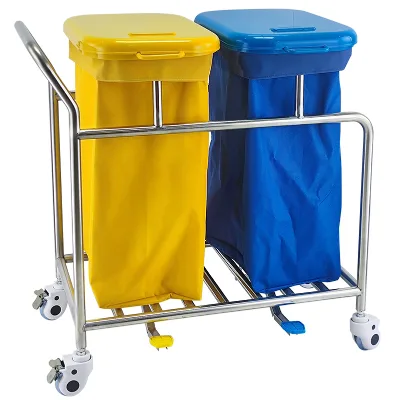
Mobile Crash Cart Trolley Critical Care Crash Cart for Medical Facilities
$128.00 - $138.00
MOQ: 1 pieces


Hospital Crash Cart Medical Trolley Price Medicine Cart Emergency Trolley
$120.00 - $200.00
MOQ: 1 Pieces


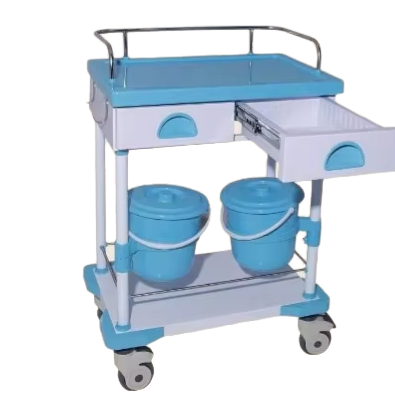
Comprehensive Sourcing Guide
Strategic Sourcing Guide for Portable Red Medical Crash Carts
Procuring medical emergency equipment requires a rigorous approach that balances immediate clinical needs with long-term operational reliability. The Portable Red Medical Crash Cart, often referred to as a resuscitation trolley or emergency treatment cart, is a critical asset in hospital and clinic settings. Its primary function is to provide immediate access to life-saving medications, airway management tools, and monitoring devices during code blue situations or trauma events. When sourcing these units, buyers must navigate a complex landscape of technical specifications, regulatory compliance, and supplier capabilities. This guide outlines the essential factors for evaluating potential procurement options, ensuring that the selected equipment meets the stringent demands of emergency medicine without relying on unverified market claims.
Technical Specifications and Structural Integrity
The physical design of a crash cart dictates its utility in high-pressure environments. A primary observation in the current market is the variation in structural materials and dimensions. Buyers should prioritize carts constructed from high-strength cold steel or chromed steel frames, as these materials offer the necessary durability to withstand frequent movement and potential impacts during emergency responses. The frame must support a robust loading capacity; observed specifications indicate that certain models are engineered to handle loads up to 200 kilograms, while others are rated for 18 kilograms. This discrepancy highlights the necessity of verifying the specific load-bearing requirements of the intended clinical setting.
Dimensions are equally critical for maneuverability in crowded corridors and tight examination rooms. Standard overall dimensions for these units often range around 625mm in width, 470mm in depth, and 920mm in height. However, adjustable height models are available, with ranges extending from 138cm to 180cm, allowing for ergonomic adjustments to suit different user heights. The base construction is another vital component; aluminum alloy bases are frequently cited for their lightweight yet sturdy properties, facilitating easier transport. In contrast, some models utilize a 700mm base width for enhanced stability.
The mobility system is a defining feature of a portable crash cart. The presence of castors is non-negotiable, with specific configurations including two castors equipped with brakes to ensure the cart remains stationary during critical procedures. Wheel types vary, with swivel casters being common for omnidirectional movement. Specific product observations mention 3-inch medical casters and luxury double-sided silent wheels, which are essential for maintaining a quiet environment in patient care areas. The folding capability also varies; while some units are designed as non-folding for maximum rigidity, others offer folding mechanisms to save storage space. Buyers must explicitly confirm whether the "folding" attribute applies to the specific model, as this significantly impacts storage logistics.
Compliance, Certification, and Regulatory Standards
In the medical device sector, compliance is not merely a formality but a prerequisite for market entry and clinical safety. When sourcing portable red medical crash carts, buyers must verify the presence of recognized certifications. The observed market data indicates that products often carry CE and ISO certifications. Specifically, ISO9001 and RoHS certifications are noted, suggesting adherence to quality management systems and restrictions on hazardous substances. Additionally, the instrument classification for these devices is frequently listed as Class II, which implies a moderate to high risk profile requiring special controls to ensure safety and effectiveness.
It is crucial to distinguish between the product's certification status and the supplier's claims. While CE and ISO are standard expectations, buyers should request current, valid certificates for the specific model number, such as TRA625 or RP513-2D, rather than accepting generic statements. The presence of a "Video Inspection" feature, where factory and goods inspection are documented, can serve as a supplementary verification method for quality control. However, this should not replace the requirement for official third-party certification documents.
Regulatory compliance also extends to the materials used in construction. The use of ABS plastic for baskets and steel for frames must align with local health authority standards. The "Instrument Classification: Class II" designation is a key indicator that the device is subject to specific regulatory oversight. Buyers should ensure that the supplier can provide documentation proving that the product meets the regulatory requirements of the destination country, as standards can vary significantly between regions. Relying on a single certification like CE without verifying its scope and validity can lead to procurement failures.
Cost Drivers and Procurement Economics
The pricing of medical crash carts is influenced by a multitude of factors, including material quality, customization options, and certification status. The observed price range in the market is extensive, spanning from 0.1 to 1000 USD. This wide variance suggests that the final cost is highly dependent on the specific configuration and the level of customization required. Basic models with standard dimensions and non-customized features will likely fall at the lower end of this spectrum, while units with advanced features, such as adjustable heights, specialized locking mechanisms, or custom branding, will command higher prices.
Minimum Order Quantity (MOQ) is another significant economic factor. The data indicates an MOQ of 10 pieces for certain models, while other observations suggest a range of 1 to 10 units. This variability means that buyers with smaller procurement needs may face challenges in meeting supplier thresholds or may need to negotiate for lower quantities, potentially at a higher unit cost. The "Customization: Available" and "OEM / ODM: Accept" attributes indicate that suppliers are willing to tailor products, but this service often incurs additional costs and may require a higher MOQ to be economically viable.
Warranty and maintenance terms also play a role in the total cost of ownership. Observed warranty periods typically range from 1 year to 5 years, with some models offering a 1-year warranty and others extending to 5 years for maintenance. A longer warranty period can reduce long-term risk and repair costs, making it a valuable component of the procurement decision. Buyers should carefully evaluate the trade-off between the initial purchase price and the long-term support provided by the supplier.
Typical Applications and Clinical Utility
The primary application of portable red medical crash carts is in hospital and clinic environments where rapid response is critical. These units are designed to be mobile workstations that can be quickly deployed to patient rooms, emergency departments, or operating theaters. The "Use Scope" is explicitly defined as Hospital / Clinic, confirming their suitability for professional medical settings. The red color coding is a standard industry practice to ensure high visibility, allowing medical staff to locate the cart immediately during an emergency.
The internal configuration of the cart is tailored to support specific medical procedures. The inclusion of a "Bold Basket" and adjustable shelves facilitates the organization of IV bags, syringes, and other medical supplies. The "Infusion Stand: Yes" attribute confirms that these carts are designed to hold IV poles, which is essential for administering fluids and medications during resuscitation. The "Leg Rest Type: Across Both Sides" and "Fixed Armrest, Fixed Footrest" features suggest that some models may also function as treatment beds or support structures for patients requiring immediate positioning adjustments.
For trauma scenarios, the "Easy Cleaning" feature is paramount. The ability to quickly sanitize the cart after use helps prevent cross-contamination and maintains a sterile environment. The "Tilted: Non-Tilted" attribute indicates that some models are designed for stability on flat surfaces, while others may offer tilting capabilities for specific procedural needs. Buyers should match the cart's features to the specific workflows of their department, ensuring that the equipment supports the intended clinical procedures without unnecessary complexity.
Supplier Evaluation and Quality Assurance
Selecting a reliable supplier is as important as selecting the right product. The "Video Inspection: Factory Inspection and Goods Inspection" attribute suggests that some suppliers offer transparency in their manufacturing processes. Buyers should leverage this opportunity to verify production quality before finalizing orders. The "Condition: New" attribute is standard, but buyers must ensure that the products are indeed new and not refurbished units, as this affects performance and warranty validity.
Quality control should be a continuous process throughout the procurement lifecycle. The "Maintenance: 5 Years" claim indicates a commitment to long-term support, but buyers should verify the terms of this maintenance service. Does it include spare parts, labor, or on-site support? The "Warranty: 1 Years" and "Warranty Time: 1 Year" observations suggest that standard warranties are typically one year, but extended options may be available. Buyers should clarify the scope of the warranty, including what is covered and what constitutes a claimable defect.
The "Customized: Non-Customized" and "Customized: Customized" attributes highlight the importance of clear communication regarding product specifications. Buyers must explicitly state their requirements to avoid receiving a standard model that does not meet their needs. The "OEM / ODM: Accept" attribute indicates that suppliers are open to branding and design modifications, but this requires a detailed specification sheet to ensure the final product matches the intended design.
Long-Term Procurement and Operational Considerations
Sourcing medical equipment is a long-term investment that requires careful planning for future needs. The "Product Origin: China" is a common observation, but buyers should not assume that origin dictates quality. Instead, they should focus on the supplier's track record, certification validity, and after-sales support. The "Packing Size" and "Product Packing" details, such as "1 PCS/Carton 650510945mm" or "Carton Packing Size: 686819cm," are essential for logistics planning. Buyers must calculate the storage space required for the cart and its packaging to ensure efficient warehouse management.
The "Folded: Folding" and "Folded: Non-Folding" attributes have significant implications for storage. Folding carts offer space-saving benefits but may have different structural integrity compared to non-folding models. Buyers should assess the trade-off between storage efficiency and operational readiness. The "Base: 700 Aluminum Alloy Base" and "Frame: High-Strength Cold Steel" materials suggest that durability is a key consideration for long-term use.
Finally, buyers should consider the "Maintenance" and "Warranty" aspects as part of their long-term strategy. A supplier that offers a 5-year maintenance period provides greater peace of mind and reduces the risk of equipment downtime. However, this must be balanced against the initial cost and the supplier's ability to deliver on these promises. By focusing on these long-term factors, buyers can ensure that their procurement of portable red medical crash carts supports the ongoing operational needs of their healthcare facility.
Comparative Analysis of Key Product Attributes
To facilitate a clearer understanding of the market landscape, the following table summarizes the key attributes observed in the current product listings. This comparison highlights the variability in specifications and helps buyers identify the features that align with their specific requirements.
| Attribute | Observation 1 | Observation 2 | Observation 3 |
|---|---|---|---|
| Model Number | TRA625 | RP513-2D | C. 01.02.32 12.2201 |
| Material | ABS / Steel | Chromed Steel Frame | Steel |
| Base Material | Aluminum Alloy | Not Specified | Not Specified |
| Dimensions | 625470920mm | 700525925mm | 700525925mm |
| Height | 138-180cm Adjustable | Not Specified | Not Specified |
| Folded | Non-Folding | Folding | Not Specified |
| Casters | 3 Inch Medical Casters | Swivel Casters | 4 Luxury Double-Sided Silent Wheels |
| Load Capacity | 200kgs | 18kg | Not Specified |
| Warranty | 1 Year | 1 Year | Not Specified |
| Maintenance | 5 Years | Not Specified | Not Specified |
| Certification | CE, ISO, ISO9001, RoHS | Not Specified | Not Specified |
| Customization | Available | Customized | Not Specified |
| Origin | China | Not Specified | Not Specified |
This table underscores the diversity in the market. Buyers must carefully cross-reference these attributes with their specific clinical needs. For instance, if a facility requires a folding cart, Observation 2 is the most relevant. If high load capacity is a priority, Observation 1 is the superior choice. The variability in certification and warranty terms further emphasizes the need for thorough due diligence before making a procurement decision. By systematically evaluating these factors, buyers can secure equipment that ensures patient safety and operational efficiency.
FAQs
What certifications do portable red medical crash carts typically hold?
Most units carry CE and ISO certifications, with specific models also holding ISO9001 and RoHS marks. Buyers should verify that the Class II instrument classification applies to the specific model number before purchasing.
Can I customize the color or design of the crash cart?
Yes, customization is available for colors like white, beige, or blue, and OEM or ODM services are accepted. However, you must confirm if the specific model requires a minimum order quantity of 10 pieces to proceed with custom orders.
How much weight can the Portable Red Medical Crash Cart support?
Loading capacities vary significantly between models, with some rated for 200 kilograms and others for 18 kilograms. You must check the specific product specifications for the TRA625 or RP513-2D models to ensure the load capacity meets your clinical needs.
What is the warranty period for these medical emergency carts?
Standard warranty periods are typically one year, though some suppliers offer maintenance coverage extending up to five years. Always clarify the specific warranty terms and whether they cover parts, labor, or on-site support for the unit you select.
Are these crash carts available in folding or non-folding designs?
Both folding and non-folding options exist depending on the specific product model and intended storage requirements. You should verify the folded status for each item, as some units feature a 700mm aluminum alloy base while others are designed for compact storage.
Where are these portable red medical crash carts manufactured?
The majority of these units originate from China, as indicated by the product origin data. Buyers should request factory inspection videos to verify quality control processes before finalizing the purchase of any specific model from this region.
What are the standard dimensions for a Portable Red Medical Crash Cart?
Common overall dimensions are approximately 625mm by 470mm by 920mm, though adjustable height models range from 138cm to 180cm. Packaging sizes vary, so confirm the exact carton dimensions to ensure they fit your storage or shipping logistics.