Source Portable Red Steam Iron for Home, Travel, and Office
Explore 30 listings for the Portable Red Steam Iron, comparing features like 2600W power, ceramic soleplates, and automatic shut-off. Evaluate options from Chinese manufacturers to find the right fit for household or travel needs.
Key considerations
Products List


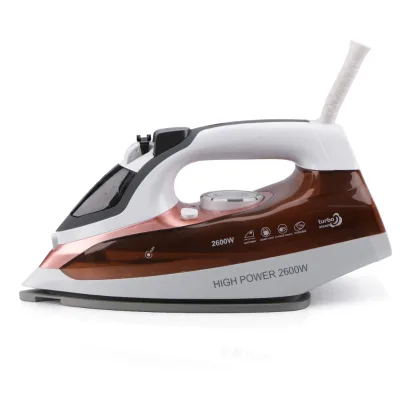
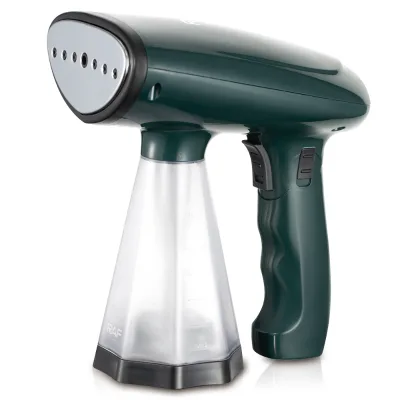
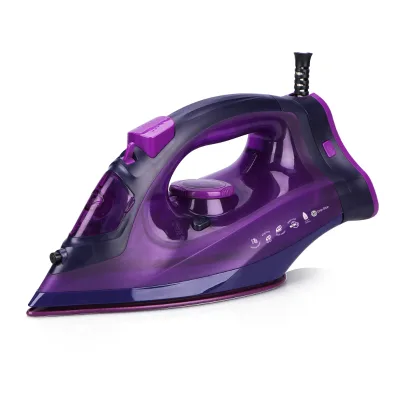


Household High-Power 2-in-1 Hand-Held Electric Iron, Flat Iron Small Steam Iron
$17.79 - $18.59
MOQ: 1000 Pieces

Household Steam Iron Electric Iron Handheld High-Power Non Stick Bottom Plate
$2.50 - $4.10
MOQ: 1000 Pieces


Portable Held Mini Travel Steam Irons Professional Steam Iron Electric Irons
$4.07 - $4.61
MOQ: 1000 Pieces


Hot Sale Professional Micro Portable Handheld Travel Mini Suitable Steam Iron
$2.99 - $3.50
MOQ: 300 Pieces

Factory Outlet Hot Sale Temperature Control Professional Portable Handheld Mini Steam Iron
$1.75 - $2.25
MOQ: 450 Pieces


Comprehensive Sourcing Guide
Portable Red Steam Iron Sourcing Guide
Sourcing portable red steam irons requires a nuanced understanding of the diverse product landscape available on global B2B platforms. The term "portable" often encompasses a wide spectrum of devices, ranging from compact handheld mini-irons designed for travel to robust, boiler-style steam irons intended for heavy-duty household use. Buyers must carefully distinguish between these categories, as their technical specifications, power requirements, and intended use cases differ significantly. For instance, mini-irons are typically lightweight and feature smaller water tanks, making them suitable for quick touch-ups on the go, whereas larger steam boiler irons offer continuous steam output and higher power ratings, better suited for extensive ironing tasks at home.
The visual attribute of "red" is a common aesthetic choice in this category, often associated with specific product lines or branding strategies. However, color should not be the primary driver of procurement decisions. Instead, buyers should focus on the functional attributes that align with their target market's needs. The observed market data indicates a high volume of listings, suggesting a competitive environment where differentiation is key. Understanding the specific model numbers and product names associated with these red units can help buyers navigate the vast array of options and identify suppliers who specialize in the specific form factor they require.
Product Scope and Observed Listing Signals
The current market for portable red steam irons exhibits a broad range of specifications, reflecting the varied needs of different consumer segments. Observed listings reveal a significant disparity in power ratings, with some units operating at low wattages suitable for delicate fabrics, while others boast high power outputs exceeding 2600W for rapid heating and powerful steam generation. This variance is crucial for buyers to note, as it directly impacts the iron's performance and energy efficiency. Additionally, the presence of both ceramic and aluminum soleplates indicates a choice between durability and heat distribution, with ceramic often preferred for its smooth gliding properties and aluminum for its quick heat-up times.
Water tank capacity and portability features are also key differentiators in this product scope. Listings show water tanks ranging from small capacities suitable for mini-irons to larger reservoirs in boiler-style units. The inclusion of features such as automatic shut-off and temperature control further defines the product's safety and usability profile. Buyers should pay close attention to these details, as they influence the user experience and potential liability issues. The observed data also highlights the importance of packaging details, with some units sold in individual color boxes and others in bulk cartons, which affects logistics and retail presentation.
Technical Specifications to Verify
When evaluating technical specifications, buyers must prioritize the power source and voltage compatibility to ensure the product meets the electrical standards of the target market. The observed data indicates a range of input voltages, including 110-220V and 50-60Hz, which suggests that many units are designed for global use. However, it is essential to verify the specific plug type, such as EU or other regional standards, to avoid compatibility issues. Additionally, the cord length and overall dimensions, such as the single package size of 30x13x16 cm for certain models, should be assessed to determine storage and usability requirements.
The material composition of the soleplate and body is another critical technical aspect. Listings mention materials such as ABS, ceramics, and aluminum, each offering distinct benefits. Ceramic soleplates are often valued for their non-stick properties and even heat distribution, while aluminum provides lightweight durability. Buyers should also verify the continuous steam output, with some models offering up to 80g/min, which is a key performance indicator for effective wrinkle removal. Furthermore, the presence of electronic temperature control and automatic shut-off features should be confirmed to ensure safety and ease of use.
Compliance and Safety Documentation
Compliance with international safety standards is non-negotiable for portable steam irons, given their electrical nature and high operating temperatures. Buyers should insist on verification of certifications such as CE, CB, and EMC, which indicate adherence to European and international safety and electromagnetic compatibility regulations. These certifications are critical for market access in many regions and serve as a baseline for product safety. It is important to request valid certification documents from suppliers and verify their authenticity through the respective certification bodies.
In addition to certifications, buyers should inquire about the product's warranty and after-sales service provisions. The observed data indicates that some suppliers offer a one-year warranty and services such as return and replacement or free spare parts. These provisions are vital for mitigating risk and ensuring customer satisfaction in the long term. Buyers should also verify the product's origin, with many listings indicating production in China, particularly in Zhejiang province, which is a known hub for appliance manufacturing. Understanding the supply chain and origin can help in assessing the reliability and consistency of the product quality.
Cost Drivers and Commercial Terms
The cost of portable red steam irons is influenced by several factors, including material quality, power output, and packaging requirements. High-power models with ceramic soleplates and advanced features such as electronic temperature control typically command higher prices. Buyers should also consider the packaging details, as individual color boxes may add to the unit cost compared to bulk packaging. The observed price range of 1.75 to 100 USD reflects this variability, with mini-irons and basic models at the lower end and more feature-rich units at the higher end.
Commercial terms such as MOQ (Minimum Order Quantity) and lead times are also significant cost drivers. The observed MOQ range of 1 to 6900 units suggests flexibility for both small and large buyers. However, higher volumes may offer better pricing per unit. Buyers should negotiate terms that align with their inventory management strategies and cash flow requirements. Additionally, the QTY/CTN (quantity per carton) affects shipping costs and handling efficiency, with some listings indicating 10 or 12 pieces per carton. Understanding these commercial dynamics is essential for optimizing procurement costs.
Supplier Qualification and Quality Control
Supplier qualification is a critical step in ensuring the reliability and consistency of Portable Red Steam Iron supplies. Buyers should assess the supplier's production capabilities, quality control processes, and track record in the industry. The presence of private molds, although noted as "No" in some listings, can indicate a supplier's ability to customize products, which may be a desirable feature for branding purposes. Buyers should also verify the supplier's ability to provide consistent product quality, particularly regarding the material composition and performance metrics such as steam output and heating speed.
Quality control measures should include pre-shipment inspections and testing for safety and performance. Buyers should request sample units to evaluate the product's build quality, ease of use, and compliance with specified technical parameters. Additionally, establishing clear communication channels with the supplier for addressing any quality issues or discrepancies is essential. The observed after-sales service provisions, such as return and replacement, can serve as a backup, but proactive quality control is the best strategy for maintaining product integrity and customer satisfaction.
Long-Term Procurement Checks
Long-term procurement success depends on continuous monitoring of supplier performance and market trends. Buyers should regularly review supplier delivery times, product quality consistency, and responsiveness to issues. The observed data indicates a dynamic market with various models and specifications, so staying informed about new product developments and technological advancements is crucial. Buyers should also consider the sustainability and environmental impact of the products, such as energy efficiency and material recyclability, which are increasingly important to consumers.
Furthermore, buyers should maintain a diversified supplier base to mitigate risks associated with supply chain disruptions. Regularly evaluating alternative suppliers and negotiating favorable terms can help in maintaining competitive pricing and product availability. The observed warranty and after-sales service provisions should be periodically reviewed to ensure they remain adequate for the product's lifecycle. By implementing these long-term checks, buyers can build a resilient and efficient procurement strategy for portable red steam irons.
FAQs
What certifications do the portable red steam irons have?
The portable red steam irons carry CE, CB, and EMC certifications. These standards ensure the devices meet safety and electromagnetic compatibility requirements for international markets, allowing for broader distribution without additional testing.
Can I customize the logo on the Portable Red Steam Iron?
Customization is available for the Portable Red Steam Iron, including silk screen printing for logos. Buyers can request specific graphic designs on the product, though private molds are not offered for this specific model series.
What is the power consumption of the mini steam iron?
The mini steam iron operates with a power range of 30W to 2600W depending on the specific model. Some units are rated at 500W to 999W, while others reach up to 1500W or 2600W for higher performance needs.
Which material is used for the soleplates of the iron?
The soleplates are constructed from either aluminum or ceramic materials. This choice ensures efficient heat distribution and durability, with some models featuring an ABS and ceramic composite for enhanced performance during ironing tasks.
What is the warranty period for the portable steam iron?
The product comes with a 1-year warranty covering defects and performance issues. Additionally, after-sales services include return and replacement options, along with free spare parts to ensure long-term reliability for the buyer.
How is the Portable Red Steam Iron packaged for shipping?
The iron is packaged in a color box with a single gross weight of 2.000 kg. Carton quantities vary, with options for 10 or 12 pieces per carton, and the single package size is approximately 30x13x16 cm.