Source Portable Removable Electric Shoe Dryer for Travel, Home, and Gym
Find and compare 30 Portable Removable Electric Shoe Dryer options from verified manufacturers. Evaluate features like quick-dry technology, constant temperature heating, and foldable designs to find the best fit for your business needs.
Key considerations
Products List

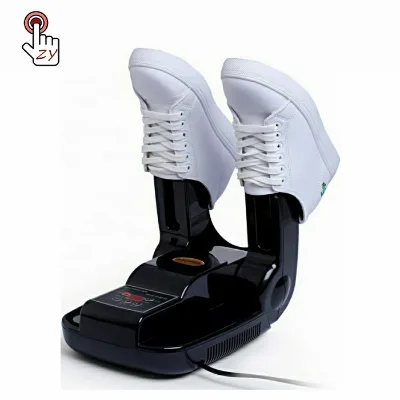
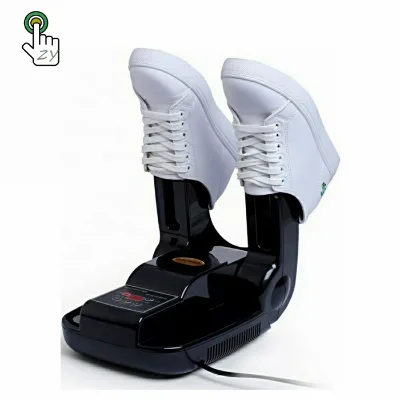
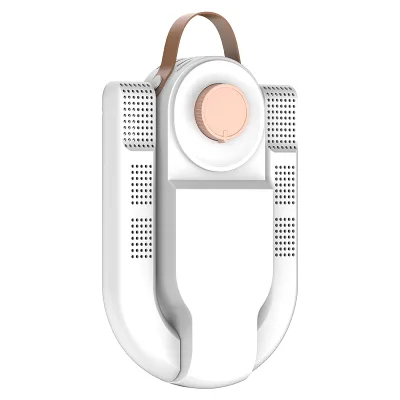
Portable Fast Drying UV Blue Light Elimination Heater Electric Shoe Dryer
$4.89 - $5.98
MOQ: 30 Pieces








Comprehensive Sourcing Guide
Portable Removable Electric Shoe Dryer Sourcing Guide
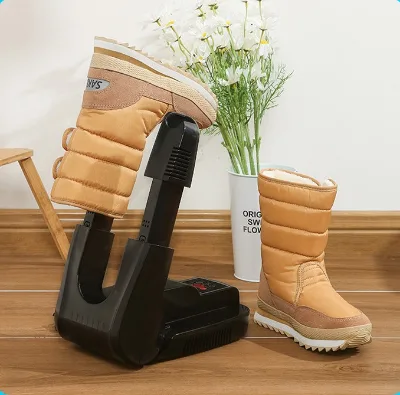
Sourcing portable removable electric shoe dryers requires a nuanced understanding of the diverse product landscape, which ranges from compact, low-power units designed for travel to higher-capacity devices intended for home or commercial use. The market offers a variety of form factors, including freestanding models that sit on the floor and portable units that can be easily stored or transported. Buyers must navigate a wide spectrum of specifications, from rated power levels as low as 10W to over 180W, and voltage requirements that vary between 110V and 220V regions. This diversity means that a one-size-fits-all approach to procurement is ineffective; instead, buyers must align their specific operational needs with the technical capabilities of the available inventory.
The decision to source these devices often hinges on specific functional requirements such as quick-drying capabilities, constant-temperature heating, and additional features like deodorization or foot massage. Observations from current listings indicate that materials typically include PP (polypropylene) and ABS plastics, chosen for their durability, flame retardancy, and lightweight nature. Furthermore, customization options are widely available, allowing buyers to tailor color schemes, packaging, and even specific technical attributes to match their brand identity or target market preferences. Understanding these variables is crucial for establishing a successful supply chain that delivers products meeting both performance expectations and regulatory standards.
Product Scope and Observed Listing Signals
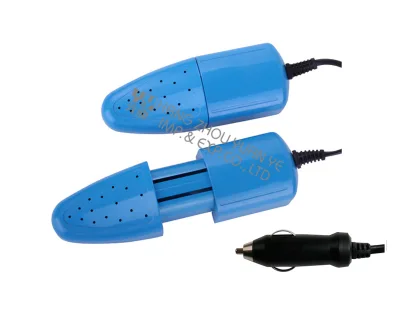
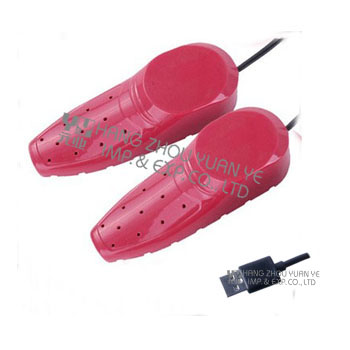
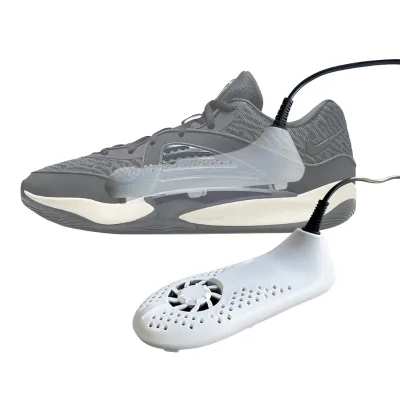
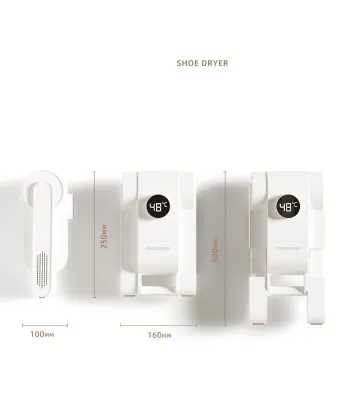
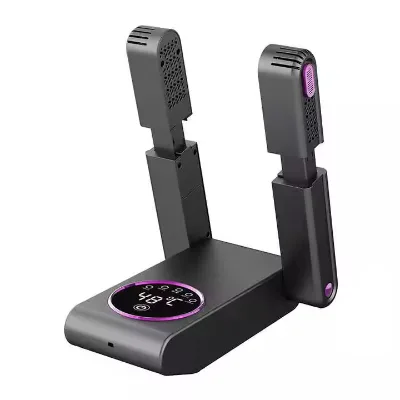
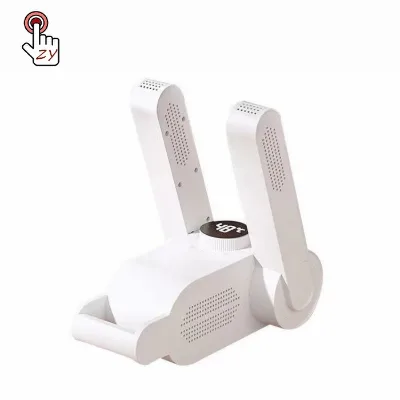
The current market for portable electric shoe dryers exhibits a broad range of product models, each tailored to different use cases and consumer preferences. Listings reveal models such as the MR-HX-1, YL-020, and HXQ-01, among others, each with distinct physical dimensions and power ratings. For instance, some units are designed with a compact footprint, measuring approximately 17x2.5cm, while others are larger, freestanding units with dimensions around 26x22x8.5cm. This variation in size and form factor suggests that buyers should carefully evaluate the intended end-user environment, whether it is a small apartment, a hotel room, or a large household, to ensure the selected model fits both spatial constraints and functional needs.
Observed listing signals also highlight significant differences in capacity and heating technology. While some products are specified with a capacity of less than 4kg, others focus on rapid drying through PTC heating technology, which provides efficient and safe heat distribution. Features such as foldability, timed operation, and eco-friendly materials are common selling points that appeal to modern consumers. Additionally, the presence of accessories like instruction books and specific packing methods, such as color box packaging, indicates a level of retail readiness that buyers should consider when planning their distribution strategy. These signals help in segmenting the market and identifying suppliers who can meet specific quality and feature requirements.
Technical Specifications to Verify
When evaluating technical specifications, buyers must prioritize the verification of rated power and voltage compatibility to ensure safe and effective operation in their target markets. The observed data shows a wide range of power consumption, from 10W for ultra-portable units to 180W for more robust dryers. It is essential to confirm that the selected model’s voltage rating, whether 110V-220V/50Hz-60Hz or a fixed 220V/50Hz, aligns with the electrical standards of the destination country. Mismatches in voltage can lead to product failure or safety hazards, so buyers should request detailed electrical certification documents and ensure that the supplier can provide models with the appropriate plug types and voltage configurations for each market.
Material composition and heating temperature ranges are another critical area for verification. Products are often constructed from new flame-retardant PP and ABS plastic, which offer a balance of safety and durability. Buyers should verify the specific type of plastic used and request material safety data sheets to ensure compliance with environmental and safety regulations. Additionally, the heating temperature, which typically ranges from 40°C to 48°C, should be consistent and controlled to prevent damage to shoe materials while ensuring effective drying. Confirming the presence of PTC heating technology and the absence of ultraviolet components, if not required, can also help in assessing the product’s longevity and user safety.
Compliance and Safety Documentation
Compliance with international safety standards is non-negotiable when sourcing electric shoe dryers, as these devices involve direct contact with users and generate heat. Buyers must ensure that suppliers provide comprehensive documentation, including test reports from accredited laboratories, verifying that the products meet relevant electrical safety standards such as IEC 60335-2-24 for household and similar electrical appliances. This documentation should cover aspects like leakage current, insulation resistance, and abnormal operation tests. Without these certifications, products may be rejected at customs or face legal liabilities in the destination market, making it imperative to verify the authenticity and scope of these compliance documents before placing orders.
In addition to electrical safety, buyers should inquire about material compliance, particularly regarding flame retardancy and the absence of hazardous substances. Since many shoe dryers are made from plastics, verifying that these materials meet standards like RoHS or REACH is crucial for markets with strict environmental regulations. Suppliers should be able to provide material declarations and test results confirming that the PP and ABS components are free from harmful chemicals. Furthermore, if the product includes features like deodorization or massage, buyers should ensure that these additional functions do not introduce new safety risks or require separate compliance certifications.
Cost Drivers and Commercial Terms
The cost of portable electric shoe dryers is influenced by several factors, including the rated power, material quality, and the level of customization required. Higher power models and those with advanced features like constant-temperature control or foot massage tend to be more expensive due to the increased complexity of their internal components. Buyers should also consider the impact of packaging and accessories on the overall cost; for example, color box packing and the inclusion of instruction books can add to the unit price but may enhance the product’s retail appeal. Understanding these cost drivers allows buyers to negotiate more effectively and allocate their budget to the features that matter most to their target customers.
Commercial terms such as MOQ (Minimum Order Quantity) and lead times also play a significant role in the procurement process. Observed MOQs range from 1 to 3000 units, offering flexibility for both small-scale testers and large-volume buyers. Lead times can vary, with some suppliers offering 7-day sample order lead times, which is beneficial for rapid prototyping and quality assessment. Buyers should clarify the trade methods, such as EXW, FOB, DAP, or CIF, to understand their responsibilities for shipping and insurance. Clear communication regarding these terms helps in avoiding unexpected costs and ensures a smooth supply chain operation.
Supplier Qualification and Quality Control
Selecting a reliable supplier is critical for maintaining product quality and ensuring timely delivery. Buyers should conduct thorough due diligence on potential suppliers, verifying their business licenses, manufacturing capabilities, and quality management systems. Suppliers with a proven track record in producing electric appliances are more likely to deliver consistent quality and adhere to safety standards. It is also advisable to request references or case studies from previous clients to gauge the supplier’s reliability and customer service quality. Engaging with suppliers who offer customization support and have a clear communication channel can further enhance the sourcing experience.
Quality control measures should be established early in the procurement process to prevent defects and ensure product consistency. Buyers should implement pre-production inspections to verify that materials and components meet the specified requirements. During production, regular in-line inspections can help identify and rectify issues before they become widespread. Finally, pre-shipment inspections should be conducted to ensure that the finished products meet all quality standards and are properly packaged. Collaborating with third-party inspection agencies can provide an objective assessment of the supplier’s quality control processes and the final product’s compliance with agreed-upon specifications.
Long-Term Procurement Checks
Long-term procurement success depends on continuous monitoring of supplier performance and product quality. Buyers should establish key performance indicators (KPIs) such as defect rates, on-time delivery, and responsiveness to issues. Regular audits of the supplier’s manufacturing facilities and quality control processes can help identify areas for improvement and ensure ongoing compliance with standards. Building a strong relationship with the supplier through regular communication and feedback can also foster collaboration and innovation, leading to better product offerings and more favorable commercial terms over time.
As market trends and regulations evolve, buyers must stay informed about changes that may impact their sourcing strategy. This includes keeping abreast of new safety standards, material restrictions, and consumer preferences for features like eco-friendliness or smart connectivity. Periodic reviews of the product portfolio and supplier base can help identify opportunities for optimization and risk mitigation. By maintaining a proactive approach to procurement, buyers can ensure that their supply chain remains resilient, cost-effective, and aligned with their long-term business goals.
FAQs
Can the Portable Removable Electric Shoe Dryer be customized?
Yes, customization is available for this product line. Buyers can request specific features or modifications to meet their unique requirements, ensuring the final product aligns with their operational needs.
What is the rated power consumption for these dryers?
The rated power varies by model, ranging from 10W to 180W. Specific units like the MR-HX-1 operate at 160W, while others such as the YL-020 consume only 14W, offering options for different energy needs.
How long does it take to receive a sample order?
A sample order lead time of 7 days is supported for these units. This quick turnaround allows buyers to evaluate product quality and functionality before committing to larger bulk orders or production runs.
Which materials are used to construct the dryer housing?
The housing is constructed from PP+ABS or new flame-retardant PP+plastic materials. These durable components ensure safety and longevity, with some models also featuring high-temperature resistant materials for enhanced performance.
What is the maximum capacity for drying shoes in one cycle?
The capacity is less than 4Kg per unit, suitable for standard footwear loads. This limit ensures efficient drying without overloading the device, maintaining the quick-dry performance and safety standards of the product.
Can the dryer operate on different voltage standards?
Yes, the device supports multiple voltage standards including 220V/50Hz and 110V-220V/50Hz-60Hz. This versatility allows the product to be used in various international markets without requiring additional voltage converters.
What features does the YL-021 model offer for shoe care?
The YL-021 model provides boot warming and shoe deodorization functions. It is designed to eliminate odors while gently warming footwear, making it ideal for users seeking both hygiene and comfort in their daily routine.