Source Portable Refillable LPG Cylinder for Medical, Chemical, and Cooking
Explore 30 listings for the Portable Refillable LPG Cylinder designed for medical, chemical, and cooking applications. Buyers can compare specifications including pressure levels, water capacity, and material options from verified manufacturers.
Key considerations
Products List


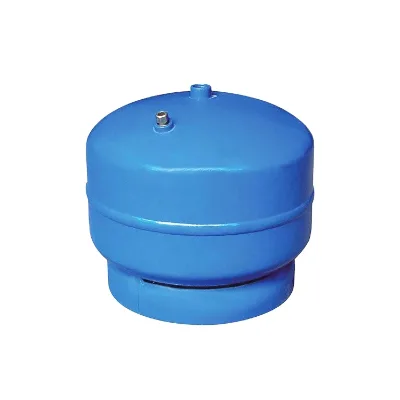
Home Cooking&Camping &Barbecue Refillable Empty Portable LPG Composite Gas Cylinder
$29.00 - $33.00
MOQ: 100 Pieces

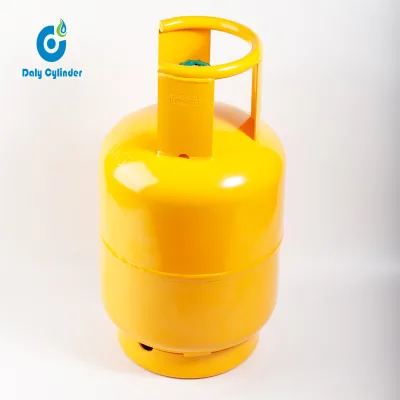
Empty Gas Refillable 10kg Portable Used LPG Gas Tank Lightweight Composite Gas Cylinder
$29.00 - $32.00
MOQ: 100 Pieces


Competitive Price Low Pressure Refillable Gas Cylinder Composite LPG Cylinder Tank
$32.00 - $35.00
MOQ: 100 Pieces


Restaurant Portable Refillable Filling Empty LPG Tanks Gas Cylinder 12.5kg
$15.00 - $15.50
MOQ: 1500 Pieces





Comprehensive Sourcing Guide
Strategic Sourcing Guide for Portable Refillable LPG Cylinders
Understanding Technical Specifications and Material Composition
When sourcing portable refillable LPG cylinders, the primary objective is to identify units that align with specific operational requirements while adhering to rigorous safety standards. The market presents a diverse array of configurations, ranging from small domestic units to larger industrial storage vessels. A critical observation from current product listings indicates that these cylinders are predominantly manufactured using steel, with specific variants utilizing alloy or stainless steel materials to enhance durability and corrosion resistance. The material selection directly influences the cylinder's ability to withstand the internal pressures associated with liquefied petroleum gas (LPG).
The physical dimensions and capacity of the cylinder are fundamental parameters for procurement. Listings reveal a variety of water capacities, including specific models with 26.2 liters and others standardized at 24 liters. The physical footprint is equally important; observed dimensions include heights around 590mm and outer diameters (OT) of approximately 300mm. Weight is another significant factor, with tare weights observed around 11kg to 14kg depending on the specific model and material thickness. The wall thickness, a key indicator of structural integrity, is noted to be around 2.0mm in certain high-pressure configurations.
Pressure ratings vary significantly across the product spectrum, necessitating careful verification. Some units are classified under high-pressure gas cylinder standards, with working pressures reaching 18 bar and test pressures up to 34 bar. Other listings categorize cylinders under medium or low-pressure levels, with pressure ranges defined as 1.6MPa to 10.0MPa or even lower. The maximum filling quality is often standardized, with common capacities including 5 lb, 10 lb, and 20 lb variants, alongside specific 10kg models designed for cooking applications. The filling medium is consistently identified as LPG, with storage capabilities for moncombustible and nontoxic gases. The ambient temperature range for operation is typically specified between -40 to 60 degrees Celsius, ensuring functionality in diverse climatic conditions.
Compliance, Certification, and Standard Verification
Navigating the regulatory landscape is essential for any procurement of pressure vessels. The supplied data highlights several critical standards and certifications that serve as benchmarks for quality and safety. The ISO certification is a recurring high-confidence attribute, indicating that manufacturers adhere to international management or quality standards. Specific product types reference ISO26.2, while other listings cite ISO4706 and EN1442 as applicable standards for LPG cylinders. These standards govern the design, manufacturing, and testing protocols required for the safe transport and storage of liquefied gases.
Buyers must verify that the supplier can provide documentation proving compliance with these specific standards. The presence of a standard like ISO26.2 or EN1442 implies a rigorous testing regime, including hydrostatic pressure tests and leak checks. It is important to note that while some background information mentions ISO 22991 or ISO 15995:2021, these should be treated as potential reference points rather than confirmed attributes for every listed product. The procurement strategy should focus on confirming that the specific cylinder model ordered carries the relevant certification for the intended region of use.
The manufacturing method is another compliance indicator. Welding gas cylinders are a common production technique observed in the market, which requires skilled labor and strict quality control to ensure weld integrity. The condition of the product is universally listed as "New," ensuring that buyers receive fresh inventory rather than refurbished units. Furthermore, the customization availability noted in the product attributes suggests that suppliers can tailor dimensions, pressure ratings, or valve configurations to meet specific project needs, provided the customization does not compromise the underlying safety standards.
Cost Drivers and Pricing Dynamics
The pricing structure for portable refillable LPG cylinders is influenced by a complex interplay of material costs, manufacturing complexity, and order volume. The observed price range in the market spans from 0.1 USD to 2000 USD, a wide variance that reflects the diversity of product types, from small portable units to large industrial storage tanks. This range indicates that a "one-size-fits-all" pricing model does not exist; instead, costs are driven by the specific specifications of the cylinder.
Material composition is a primary cost driver. Cylinders made from stainless steel or high-grade alloys generally command a higher price point compared to those made from standard steel or HP295 equivalents. The thickness of the cylinder wall, observed at 2.0mm in some cases, also impacts the raw material cost. Additionally, the pressure rating plays a significant role; high-pressure cylinders capable of withstanding 10.0MPa to 100.0MPa require more robust engineering and testing, leading to higher unit costs compared to low-pressure variants.
Order volume is another critical factor in determining the final price. The observed Minimum Order Quantity (MOQ) ranges from 1 unit to 50,000 units. Buyers purchasing in smaller quantities may face higher per-unit costs due to the fixed costs of setup and logistics. Conversely, large-volume orders can leverage economies of scale to reduce the unit price. The packaging method, whether plastic, nylon, box, or transparent PP bag, also contributes to the overall cost. For large shipments, the use of 40HQ containers is noted, which affects logistics costs and must be factored into the total landed cost calculation.
Typical Applications and Industry Use Cases
Portable refillable LPG cylinders serve a broad spectrum of applications, ranging from residential cooking to industrial processing. The product attributes explicitly list "Medical" and "Chemical" as application fields, indicating that these cylinders are utilized in environments where precise gas delivery and safety are paramount. In the medical sector, LPG or similar gases may be used for specific heating or analytical processes, requiring cylinders that meet strict purity and pressure standards.
The chemical industry also relies heavily on these vessels for the storage and transport of various liquefied gases. The designation of the cylinder as a "Storage Pressure Vessel" underscores its role in maintaining the integrity of the stored medium under pressure. For the cooking sector, specifically highlighted by the "Nigerian 10kg LPG Gas Cylinder Low Pressure Cooking" listing, these cylinders are designed for domestic and commercial culinary use. The 10kg capacity is a standard size for household and small restaurant applications, balancing portability with sufficient fuel volume.
Industrial applications often involve larger capacities, such as the 24-liter or 26.2-liter models, which may be used for heating, power generation, or as feedstock in chemical processes. The versatility of the LPG cylinder is further demonstrated by its ability to store moncombustible and nontoxic gases, making it suitable for a wide range of fuel and process requirements. The working pressure of high-pressure gas cylinders makes them ideal for applications requiring rapid gas release or high-intensity combustion.
Supplier Evaluation and Operational Capabilities
Selecting the right supplier requires a thorough evaluation of their manufacturing capabilities, logistical reach, and commitment to quality. The origin of the products is a key data point, with China identified as a primary source for these cylinders. Buyers should verify the supplier's location and ensure they have the necessary infrastructure to support international shipping. The manufacturing method, specifically welding, should be performed in facilities that adhere to strict quality control protocols to prevent defects that could lead to catastrophic failure.
Customization is a significant differentiator among suppliers. The availability of customization options allows buyers to specify exact dimensions, pressure ratings, and valve types. However, this flexibility must be balanced against the supplier's ability to maintain compliance with international standards. Buyers should inquire about the supplier's experience with specific standards like ISO4706 or EN1442 and request evidence of past projects that meet similar specifications.
Logistics and packaging are also critical evaluation criteria. The variety of packaging options, from simple plastic wrapping to robust box and nylon combinations, indicates different levels of protection during transit. For large orders, the use of 40HQ containers suggests the supplier has experience with bulk shipping. Buyers should assess the supplier's lead times and ability to meet delivery schedules, as delays in receiving critical pressure vessels can disrupt operations. The condition of the product being "New" is a baseline requirement, and buyers should ensure that the supplier has a clear policy against selling refurbished or used units as new.
Quality Control and Long-Term Procurement Considerations
Ensuring the long-term reliability of portable refillable LPG cylinders requires a robust quality control strategy. The manufacturing process, particularly the welding of gas cylinders, must be subject to rigorous inspection. Buyers should request test reports that verify the cylinder's ability to withstand the specified test pressure, such as the 34 bar observed in some listings. The service and test pressure ratios, such as 17/34 bars, are critical indicators of the safety margin built into the design.
Material consistency is another vital aspect of quality control. The use of HP295 steel or equivalent materials for the cylinder body and 20# steel for the spud/bung must be verified through material certification. Variations in material quality can lead to premature failure or corrosion, especially in harsh environments. The ambient temperature range of -40 to 60 degrees Celsius should be validated to ensure the cylinder remains safe and functional under extreme conditions.
Long-term procurement considerations include the availability of spare parts and the supplier's support infrastructure. The "Parts: Valve" attribute highlights the importance of having a reliable supply of replacement valves, which are critical for the safe operation of the cylinder. Buyers should establish a relationship with suppliers who can provide consistent quality over time and offer technical support for maintenance and troubleshooting. Additionally, understanding the lifecycle of the cylinder and the regulations regarding its retirement and recycling is essential for sustainable procurement practices. By focusing on these quality and operational factors, buyers can ensure a safe and efficient supply chain for their LPG cylinder needs.
FAQs
What certifications apply to portable refillable LPG cylinders?
High-confidence facts indicate ISO certification is available for these cylinders. Specific product types reference standards like ISO26.2, ISO4706, and EN1442 to ensure safety and quality compliance for gas storage applications.
Which materials are used for manufacturing these gas cylinders?
Manufacturers predominantly use steel, with specific variants utilizing alloy or stainless steel. Some listings specify HP295 steel or equivalent for the cylinder body and 20# steel for the spud or bung components.
Can I customize the specifications of the LPG cylinder?
Yes, customization is available for dimensions, pressure ratings, and valve configurations. Buyers can request specific water capacities like 24 liters or 26.2 liters, provided the customization adheres to relevant safety standards.
What is the typical working pressure for these cylinders?
Working pressures vary, with some units rated for high-pressure gas cylinder applications up to 18 bar. Other models operate under medium or low-pressure levels, typically ranging from 1.6 MPa to 10.0 MPa.
How much does a Portable Refillable LPG Cylinder weigh?
Observed tare weights range from approximately 11 kg to 14 kg depending on the model. The weight is influenced by the material thickness, which is noted to be around 2.0 mm in certain high-pressure configurations.
What are the standard water capacities for these vessels?
Common water capacities include 24 liters and 26.2 liters for specific models. Listings also show standard filling qualities such as 5 lb, 10 lb, and 20 lb variants for various domestic and industrial applications.
Where are these cylinders typically manufactured?
China is identified as the primary origin for these portable refillable LPG cylinders. Buyers should verify the supplier's location to ensure they have the necessary infrastructure for international shipping and quality control.