Source Printed Cotton Kids Casual Dress for School, Play, and Events
Compare 30 Printed Cotton Kids Casual Dress options from verified Chinese suppliers offering OEM and in-stock availability. Buyers can evaluate fabric types, styles, and lead times for summer wear suitable for girls aged 2-6 years.
Key considerations
Products List
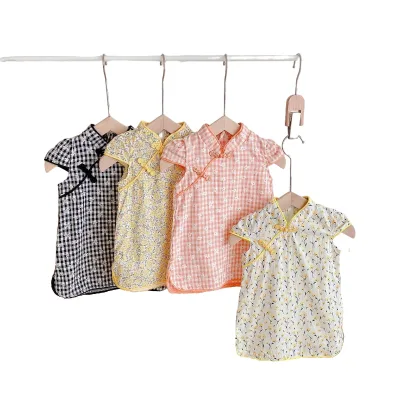
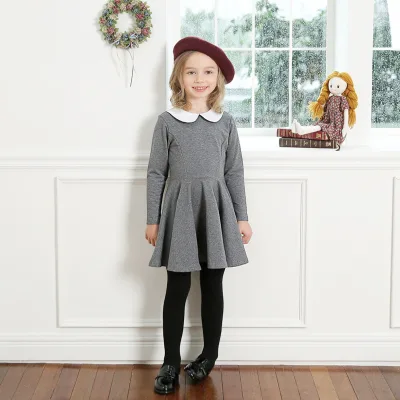


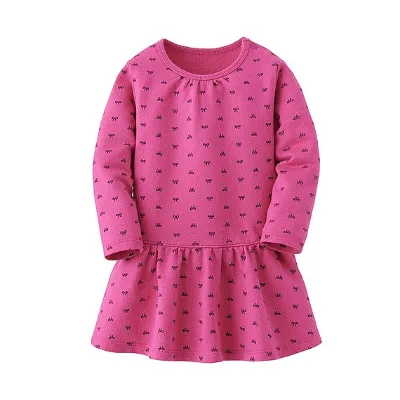


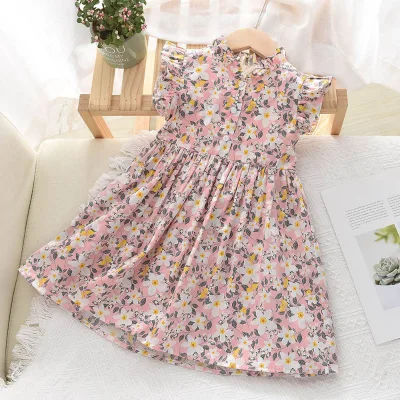


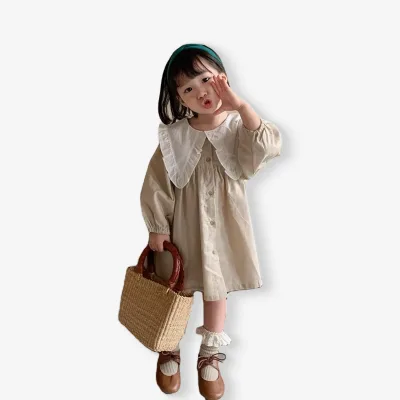
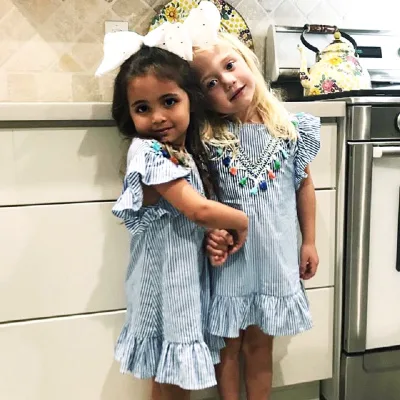
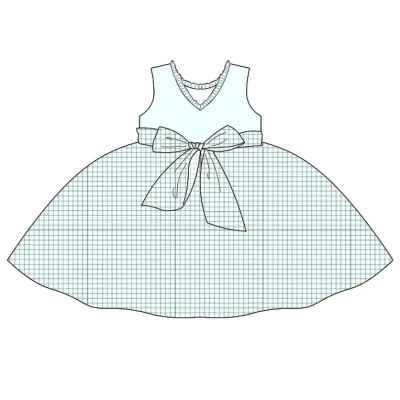
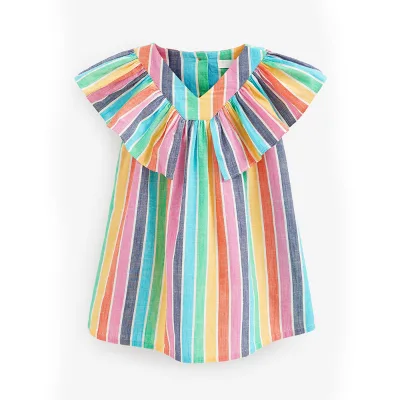
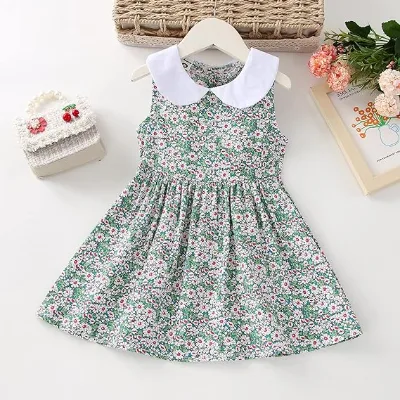
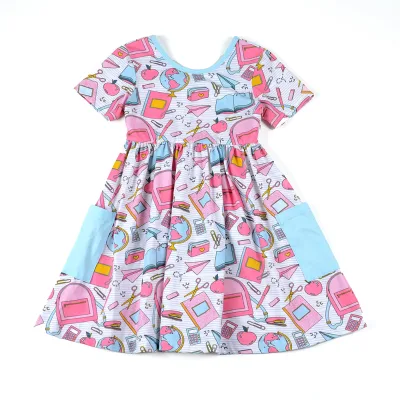
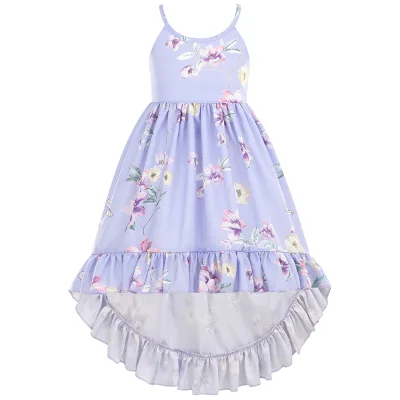


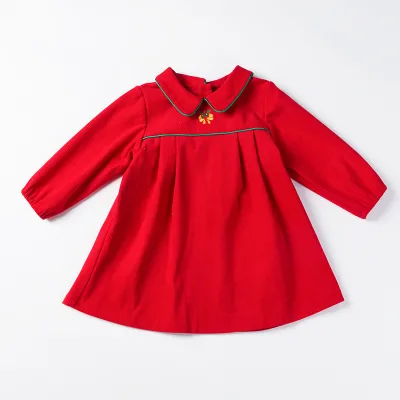

Comprehensive Sourcing Guide
Strategic Sourcing Guide for Printed Cotton Kids Casual Dresses
Understanding Product Attributes and Material Composition
When sourcing printed cotton kids casual dresses, the primary focus must be on the intersection of material integrity, design aesthetics, and functional safety. Based on current market observations, the core material for this category is predominantly cotton, with specific listings indicating 100% cotton compositions as a standard offering. This natural fiber choice is critical for children's wear due to its breathability and hypoallergenic properties. The observed product attributes highlight a strong emphasis on "Eco-Friendly" and "Breathable" characteristics, which are not merely marketing terms but essential functional requirements for garments worn by children in various climates.
The manufacturing techniques observed in the supply chain include "printed" and "knitted" technics. The printed variety often features "Chinese Style / Casual" or general "Casual" aesthetics, suggesting a versatility in design that ranges from traditional motifs to modern, everyday wear. The fabric type is consistently listed as cotton, though some entries note "Other" fabric types, indicating that buyers must verify the exact blend if a specific texture is required. The gender specification is heavily skewed toward "Girls," with specific stature ranges provided, such as 90-116cm, 108-118cm, and 80-130cm. These measurements correspond to age groups typically ranging from 2 to 6 years, ensuring that the sizing aligns with the developmental stages of the target demographic.
The following table summarizes the key technical attributes observed in the current supply pool:
| Attribute Category | Observed Values | Relevance to Procurement |
|---|---|---|
| Material | 100% Cotton, Cotton | Ensures breathability and comfort for sensitive skin. |
| Technics | Printed, Knitted | Determines the visual pattern application and fabric stretch. |
| Style | Chinese Style / Casual, Casual | Defines the aesthetic direction and market positioning. |
| Gender | Girls, GIRL | Narrows the target demographic for inventory planning. |
| Features | Washable, Breathable, Eco-Friendly, Anti-static | Critical for maintenance and child safety. |
| Collar/Sleeve | Round Neck, Sleeveless | Influences the seasonal suitability and comfort level. |
Buyers must treat these attributes as observations rather than universal guarantees. While 100% cotton is a frequent specification, the presence of "Other" fabric types in some listings necessitates a rigorous verification step to confirm the exact composition before placing an order. The "Eco-Friendly" claim, while present in multiple listings, should be backed by specific documentation rather than accepted as a default assumption.
Compliance, Certification, and Safety Standards
In the realm of children's apparel, compliance is not optional; it is a fundamental requirement for market entry and consumer trust. The observed supply chain data mentions "International" as a product standard, yet it does not explicitly confirm specific certification bodies like GOTS or OEKO-TEX. While these certifications are often associated with eco-friendly cotton products, the provided facts do not validate their presence across the entire supplier base. Therefore, procurement strategies must prioritize direct verification of compliance status rather than relying on general market assumptions.
The "International" standard mentioned in the product data serves as a baseline, but buyers should actively seek confirmation of specific safety regulations relevant to their target market. For instance, in many regions, children's clothing must meet strict flammability standards and chemical restrictions regarding dyes and finishes. The "Anti-static" feature observed in some listings suggests a focus on comfort and safety, but this should be validated through independent testing reports. Similarly, the "Eco-Friendly" attribute implies a reduced environmental impact, but without a specific certification label, the scope of this claim remains undefined.
Buyers should request the following documentation to ensure compliance:
- Chemical Safety Reports: Verification that dyes and prints do not contain prohibited substances such as azo dyes or heavy metals.
- Flammability Test Results: Confirmation that the cotton fabric meets the required flammability standards for the destination country.
- Fiber Content Verification: Third-party lab reports confirming the "100% Cotton" claim, especially given the variation in observed fabric types.
- Eco-Certification Proof: If the "Eco-Friendly" claim is a key selling point, buyers must request valid certificates from recognized bodies to substantiate the claim.
The absence of explicit certification data in the general product listings means that the burden of verification falls on the buyer. Relying on the "International" standard alone is insufficient for high-risk markets. Procurement teams must establish a clear compliance checklist that includes these specific verification steps before finalizing any supplier agreement.
Cost Drivers and Pricing Dynamics
The pricing landscape for printed cotton kids casual dresses is characterized by a wide range, with observed listed prices spanning from $1 to $59.9 USD. This significant variance indicates that price is not solely a function of the base material but is heavily influenced by design complexity, brand positioning, and order volume. The "Good Quality, Nice Designs and Cheaper Price" attribute suggests that some suppliers compete on value, offering competitive rates without compromising on basic aesthetics. However, the upper end of the price range likely reflects higher-quality prints, more intricate designs, or established brand premiums.
Several factors drive the cost structure in this category:
- Order Volume (MOQ): The observed Minimum Order Quantity (MOQ) ranges from 1 to 1000 units. Suppliers offering lower MOQs, such as 1 unit, may charge a premium per unit to cover setup costs. Conversely, larger orders often benefit from economies of scale, potentially lowering the unit cost.
- Customization Level: The availability of "Customization" and "OEM service" adds a layer of complexity to the pricing. Custom prints, specific colorways, or tailored sizing will generally incur higher costs compared to standard "In-Stock Items."
- Supply Type: The distinction between "ODM," "OEM service," and "In-Stock Items" affects pricing. In-stock items are typically cheaper due to immediate availability, while custom OEM orders involve design and production lead times that increase the overall cost.
- Origin and Logistics: Products originating from different regions in China, such as Zhejiang, Fujian, Shantou, and Shanghai, may have varying labor and logistics costs. While the specific cost differences are not quantified in the data, the geographic diversity suggests that sourcing location can influence the final landed cost.
Buyers should analyze the price-to-value ratio carefully. A lower price point does not necessarily equate to lower quality, but it may indicate a simpler design or a lower MOQ. Conversely, a higher price point should be justified by superior materials, advanced printing techniques, or comprehensive compliance documentation. The "Supply Ability" of 5000 sets per week and an "Available Quantity" of 10000 sets suggests that large-scale orders are feasible, which could stabilize costs for high-volume buyers.
Supplier Evaluation and Operational Capabilities
Evaluating suppliers in the Printed Cotton Kids Casual Dress market requires a multi-dimensional approach that goes beyond price and product photos. The supply chain data reveals a mix of operational models, including "ODM," "OEM service," and "In-Stock Items." This diversity means that buyers must align their specific needs with the supplier's core competency. For instance, a buyer seeking rapid turnaround for a seasonal launch might prioritize suppliers with "In-Stock Items," while a brand looking for unique designs might focus on those offering "OEM service" and "Customization."
Key operational capabilities to verify include:
- Lead Time Management: The data confirms support for "7 Days Sample Order Lead Time," which is a strong indicator of responsiveness. However, buyers must clarify the lead time for bulk production, as this can vary significantly based on order size and customization requirements.
- Production Capacity: With a stated "Supply Ability" of 5000 sets per week, suppliers appear capable of handling substantial volumes. Buyers should verify if this capacity is consistent during peak seasons or if it fluctuates.
- Geographic Concentration: Suppliers are located in key textile hubs like Zhejiang, Fujian, Shantou, and Shanghai. These regions have established infrastructure for cotton processing and garment manufacturing. Proximity to these hubs can facilitate easier communication and faster logistics, though it does not guarantee quality.
- Packing and Logistics: The observed packaging details, such as "Polybag/Inner Carton/Master Carton" and "Plastic Packaging Bag," indicate standard industry practices. Buyers should specify their preferred packaging requirements to ensure products arrive in optimal condition.
When evaluating suppliers, buyers should request a comprehensive profile that includes their production workflow, quality control protocols, and past performance with similar orders. The ability to provide samples quickly, as indicated by the "7 Days Sample Order Lead Time" support, is a positive signal, but it should be followed by a rigorous assessment of the sample quality against the final production standards.
Quality Control and Inspection Protocols
Maintaining consistent quality in printed cotton kids casual dresses is paramount, given the sensitivity of the end-user demographic. The observed features, such as "Washable," "Breathable," and "Eco-Friendly," must be validated through rigorous quality control (QC) processes. The "International" standard mentioned in the product data provides a general framework, but specific inspection criteria must be established for each order.
Effective QC protocols should include:
- Fabric Inspection: Verification of the cotton content, checking for defects such as holes, stains, or uneven dyeing. The "100% Cotton" claim must be confirmed through lab testing.
- Print Quality Assessment: Since the product is "printed," the clarity, color fastness, and alignment of the print are critical. Buyers should test for color bleeding and fading after washing.
- Construction Integrity: Inspecting seams, hems, and stitching to ensure durability. The "Round Neck" and "Sleeveless" styles require particular attention to edge finishing to prevent fraying.
- Safety Checks: Ensuring that there are no loose buttons, small parts, or sharp edges that could pose a choking hazard. The "Anti-static" feature should be tested to ensure it functions as claimed.
- Dimensional Accuracy: Verifying that the "Stature" ranges (e.g., 90-116cm) align with the actual garment measurements. Consistency in sizing is crucial for customer satisfaction.
Buyers should implement a multi-stage inspection process, including pre-production sample approval, in-line production checks, and final random inspection before shipment. The "Good Quality" attribute observed in some listings is a starting point, but it must be backed by tangible evidence and consistent performance across batches.
Long-Term Procurement and Relationship Management
Building a sustainable procurement strategy for printed cotton kids casual dresses involves more than just transactional exchanges. It requires fostering long-term relationships with suppliers who can adapt to changing market demands and maintain high standards over time. The "Customization" and "OEM service" capabilities observed in the supply chain offer opportunities for buyers to develop exclusive product lines, which can enhance brand differentiation.
Key considerations for long-term procurement include:
- Scalability: Ensuring that the supplier can scale production up or down based on market fluctuations. The "Supply Ability" of 5000 sets per week suggests potential for growth, but buyers should confirm flexibility during peak and off-peak seasons.
- Continuous Improvement: Encouraging suppliers to adopt new technologies and sustainable practices. The "Eco-Friendly" attribute indicates a market trend towards sustainability, and buyers should work with suppliers to enhance this aspect over time.
- Communication and Transparency: Maintaining open lines of communication to address any issues promptly. The "7 Days Sample Order Lead Time" support demonstrates a willingness to engage, but ongoing dialogue is essential for success.
- Risk Management: Diversifying the supplier base to mitigate risks associated with supply chain disruptions. Relying on a single source, even a high-performing one, can be risky in the volatile global market.
By focusing on these long-term factors, buyers can secure a reliable supply of high-quality printed cotton kids casual dresses that meet both current and future market needs. The combination of technical expertise, compliance diligence, and strategic relationship management will position buyers for success in this competitive sector.
FAQs
Can I order samples of printed cotton kids casual dresses quickly?
Yes, suppliers support 7-day sample order lead times for these items. This allows you to verify quality and design before committing to bulk production, ensuring the fabric and print meet your standards.
What material composition is standard for these dresses?
Most listings specify 100% cotton or general cotton fabric for breathability and comfort. While some entries note other fabric types, buyers should verify the exact blend to ensure the material meets safety requirements for children.
Which gender and age groups are these dresses designed for?
The products are primarily designed for girls aged 2 to 6 years. Specific stature ranges like 90-116cm and 108-118cm help align sizing with the developmental stages of the target demographic for casual wear.
How does the minimum order quantity vary for these items?
Minimum order quantities range from 1 unit to 1000 units depending on the supplier. Lower MOQs allow for testing designs, while higher volumes may reduce unit costs and are suitable for established inventory needs.
What customization options are available for printed designs?
Customization is available for OEM services and specific design requests. Buyers can request tailored prints or styles, though this may involve different lead times and pricing compared to standard in-stock items.
Which locations are the primary origins for these dresses?
Products originate from textile hubs in Zhejiang, Fujian, Shantou, and Shanghai, China. These regions offer established infrastructure for cotton processing and garment manufacturing, influencing logistics and production capabilities.
What features ensure safety and comfort for children?
Key features include breathable, washable, and eco-friendly properties with anti-static capabilities. These attributes are essential for maintaining hygiene and comfort, though specific certifications should be verified for strict compliance.