Source LED Projector Head Light for Cars, Trucks, and Motorcycles
Source LED Projector Head Light units for automotive upgrades, truck retrofits, and motorcycle lighting. Compare 30 available models with varying wattage, lumens, and certifications to find the right fit for your sourcing needs; compare the available evidence and request quotations based on your requirements.
Updated
Key considerations
Products List


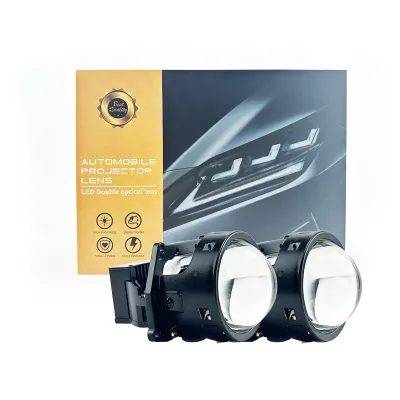
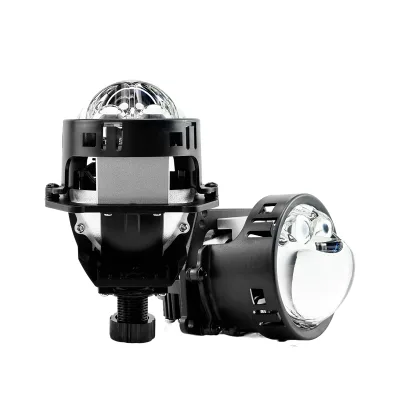
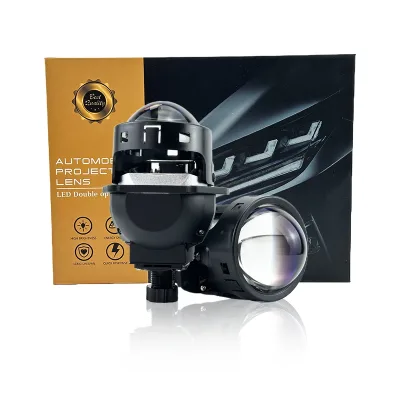
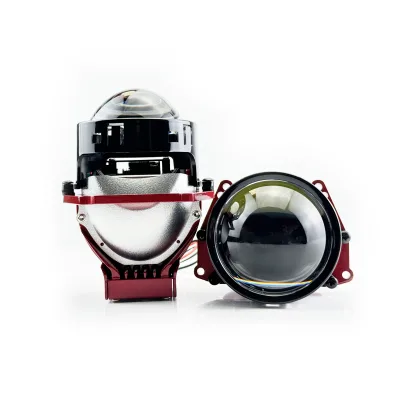
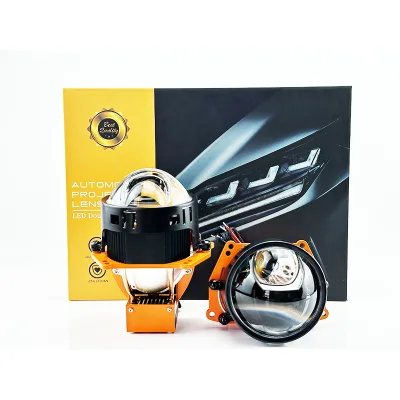
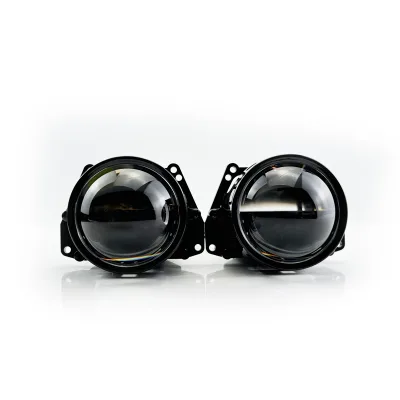
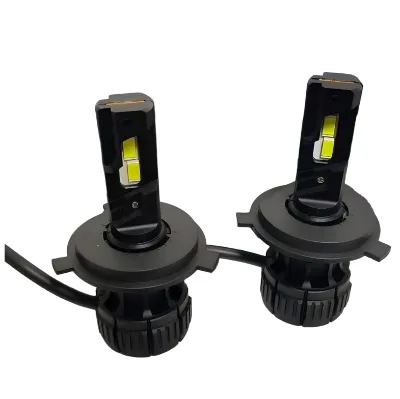
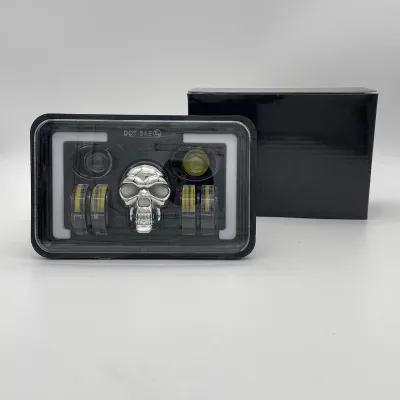
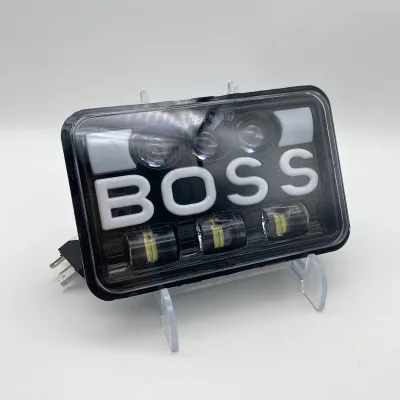
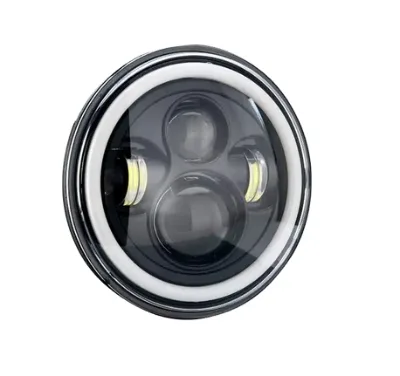
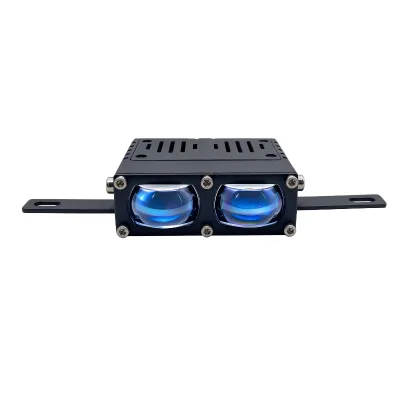
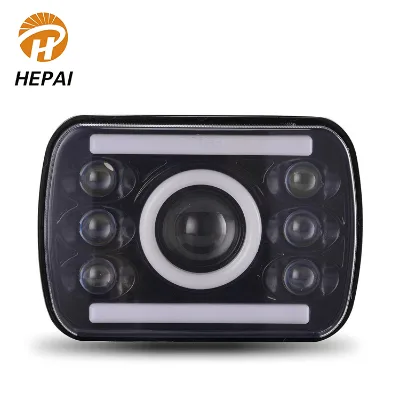
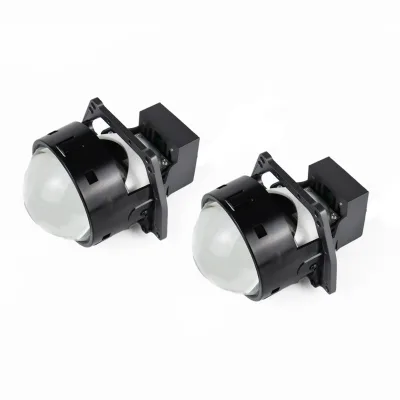
LED Projector Headlight Complete Assembly LED Head Light for Cars/Trucks/SUVs
$6.374 - $6.5073
MOQ: 200 pairs

Comprehensive Sourcing Guide
Projector Head Light Sourcing Guide
Buyers evaluating Projector Head Light units must first distinguish between universal retrofit kits and vehicle-specific assemblies, as the observed product range includes models explicitly labeled for brands like Volkswagen, BMW, and Toyota alongside universal OE numbers. The market data indicates a diverse inventory where some units are designed for general car upgrades while others, such as the motorcycle light variant, serve distinct two-wheeled applications. Understanding this segmentation is critical before initiating contact, as a mismatch in intended vehicle type can lead to installation failures or regulatory non-compliance.
Procurement teams should also scrutinize the specific power configurations listed in supplier catalogs, noting that observed wattage ranges from 120W to 150W per kit with varying high and low beam distributions. The presence of multiple voltage ratings, including 12V, 9-48V, and 12-80V, suggests that buyers must verify electrical compatibility with their specific fleet or vehicle inventory before placing orders. This initial verification prevents the common pitfall of sourcing high-power LED kits that may overwhelm the electrical systems of older vehicles or require additional ballast solutions not included in the standard packaging.
Product Scope and Observed Listing Signals
The observed product listings reveal a clear segmentation between high-output retrofit kits and specialized lighting solutions, with lumens ranging from 6000lm to 12000lm depending on the specific model configuration. Buyers should note that while many units are marketed as "Cool White" at 5800K, some specifications list 6000K, indicating that color temperature consistency may vary between batches or manufacturers. This variance requires buyers to request physical samples or detailed spectral data sheets to ensure the final product meets the aesthetic and visibility standards required for their specific market or regulatory environment.
Packaging and origin data provide additional signals regarding the intended market tier, with products originating from Jiangsu, China, and utilizing either gift boxes or standard cartons for shipment. The availability of customization services suggests that suppliers are willing to adapt packaging or labeling for bulk orders, which is a valuable lever for private label procurement. However, buyers must verify if these customizations extend to the internal components or if they are limited to external branding, as the core LED chip specifications, such as the Cr LED type, appear to be standardized across the observed inventory.
Technical Specifications to Verify
When assessing technical performance, the primary focus must be on the power distribution between high and low beams, as observed models show significant variation such as 70W/65W versus 60W/50W splits. This discrepancy directly impacts the beam pattern and heat dissipation requirements, meaning that a unit optimized for high-beam dominance may not provide adequate low-beam illumination for urban driving. Buyers should request detailed photometric charts to confirm that the observed wattage translates into the claimed lumens without causing excessive glare or uneven light distribution on the road surface.
Electrical compatibility is another critical verification point, given the wide range of voltage inputs observed in the catalog, from standard 12V systems to wide-range 9-80V inputs suitable for heavy-duty or commercial vehicles. The current draw, listed as 12W, 20W, or 25W in different listings, indicates that power consumption is not uniform across the product line, necessitating a careful review of the driver circuit specifications. Procurement teams must ensure that the selected unit's voltage and current ratings align with the vehicle's alternator capacity and battery health to prevent electrical system strain or premature component failure.
Compliance and Safety Documentation
Regulatory compliance is a non-negotiable aspect of sourcing, with E-mark and DOT certifications appearing as key attributes for the observed Projector Head Light units. Buyers must verify that the specific model they intend to purchase carries the valid certification for their target export market, as the presence of an E-mark does not automatically guarantee DOT approval for the North American market. It is essential to request the actual certification documents or test reports for the specific batch, as these legal requirements can vary significantly between regions and may change over time.
Safety documentation should also address the waterproof resistance and thermal management capabilities of the units, as the observed specifications list "Waterproof" resistance but do not provide an IP rating. Without a specific IP code, buyers cannot be certain of the unit's ability to withstand heavy rain or high-pressure washing, which are common conditions for automotive lighting. Procurement teams should insist on test data regarding ingress protection and thermal shutdown mechanisms to ensure the product will maintain performance and safety standards under real-world operating conditions.
Cost Drivers and Commercial Terms
The observed price range of 3.5 to 48.62 USD suggests that cost is heavily influenced by the specific model configuration, wattage, and included accessories such as the gift box or carton packaging. Buyers should analyze whether the lower price points correspond to basic universal models with standard packaging or if they reflect a reduction in component quality, such as the LED chip type or driver efficiency. Understanding these cost drivers is essential for budgeting, as the significant price spread indicates that a simple unit price comparison may not reflect the true value or longevity of the product.
Minimum Order Quantity (MOQ) flexibility is another commercial term that varies widely, with observed ranges from 1 to 300 units, allowing for both trial orders and bulk procurement strategies. Buyers should negotiate based on their volume requirements, as higher MOQs often unlock better pricing tiers or more favorable customization options for branding and packaging. However, it is crucial to clarify the lead times associated with these different order sizes, as the supply chain constraints in the Jiangsu region may impact delivery schedules for larger, customized orders.
Supplier Qualification and Quality Control
Supplier qualification should begin with a verification of their manufacturing location and production capacity, as the observed data points to Jiangsu, China, as a primary origin for these LED projector units. Buyers should assess whether the supplier has in-house testing facilities to validate the claimed lumens and color temperatures, as third-party testing can introduce delays and additional costs. Establishing a direct relationship with a manufacturer that controls the production process ensures better accountability for quality issues and faster resolution of any technical discrepancies.
Quality control protocols must be explicitly defined in the purchase agreement, covering acceptance criteria for the LED chip quality, driver reliability, and waterproofing integrity. Given the variation in observed specifications, buyers should implement a rigorous sampling plan that tests a random selection of units from each batch for power consistency and beam pattern accuracy. This proactive approach helps mitigate the risk of receiving substandard products and ensures that the final inventory meets the performance expectations set forth in the initial product scope analysis.
Long-Term Procurement Checks
Sustaining a successful procurement relationship requires regular audits of the supplier's ability to maintain consistent product specifications over time, particularly regarding the LED chip and driver components. Buyers should monitor for any shifts in the observed wattage or lumen outputs, as these changes can indicate a switch to lower-cost components that may compromise the product's lifespan and performance. Establishing a long-term quality agreement that mandates notification of any component changes is essential for maintaining the integrity of the supply chain.
Finally, buyers must plan for the end-of-life management of the product, considering the warranty terms and the availability of replacement parts for the Projector Head Light units. The observed product models, such as CZJC-BE02 and AYS-10, should be tracked to ensure that spare parts remain available for the duration of the product's expected service life. This forward-looking strategy protects the buyer from supply disruptions and ensures that their fleet or retail inventory can be maintained without the need for frequent, costly replacements.
FAQs
What certifications do these projector head lights have?
These projector head lights carry E-mark and DOT certifications, ensuring compliance with international safety and quality standards for automotive lighting. This validation supports their suitability for retrofit and upgrade applications across various vehicle brands, providing buyers with confidence in regulatory adherence and product reliability for global distribution channels.
Which car brands are compatible with these LED lenses?
These LED projector lenses are suitable for a wide range of car brands including Volkswagen, Benz, BMW, Hyundai, Honda, Toyota, Jeep, Nissan, Ford, Buick, Chery, Chevrolet, Cadillac, Geely, Roewe, Audi, Peugeot, Lexus, Volvo, Mazda, and Kia. The universal OE number design facilitates broad compatibility for aftermarket upgrades.
What is the power consumption and light output?
The power consumption varies by model, with options like 140W per pair delivering 7500 lumens at 5800K cool white, or 120W per pair providing 6000 lumens. Specific configurations offer high beams of 70W and low beams of 65W, ensuring bright illumination while maintaining efficient energy usage for vehicle electrical systems.
Can these lights be customized for specific needs?
Yes, customization is available for certain models, allowing buyers to tailor specifications to unique requirements. This flexibility supports diverse procurement needs, enabling adjustments to meet specific vehicle integration standards or branding preferences, which is particularly valuable for bulk orders requiring distinct product attributes or specialized packaging solutions.
Where are these projector head lights manufactured?
These projector head lights originate from Jiangsu, China, a major hub for automotive lighting manufacturing. This location indicates established supply chain infrastructure and production capabilities, supporting reliable sourcing for international buyers seeking cost-effective solutions with consistent quality control and efficient logistics for global export markets.
What is the typical packaging for these products?
Packaging options include gift boxes and cartons, designed to protect the LED projector lenses during transit. The standard packing dimensions are approximately 35x25x30cm, ensuring secure handling and storage. This structured packaging supports efficient inventory management and reduces the risk of damage during shipping to international destinations.