Source Electric Guitar Strings for Electric, Acoustic, and Bass Guitars
Find 30 listings for Electric Guitar Strings from Guangzhou suppliers. Buyers can compare stainless steel and steel options for electric, acoustic, and bass guitars with varying MOQs and packaging details.
Key considerations
Products List




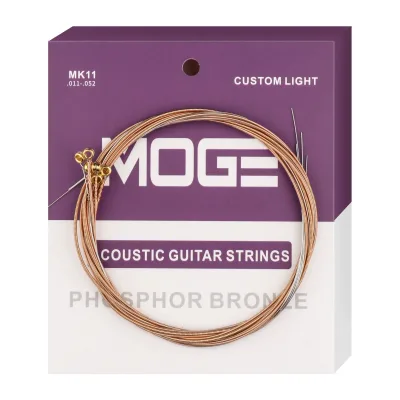
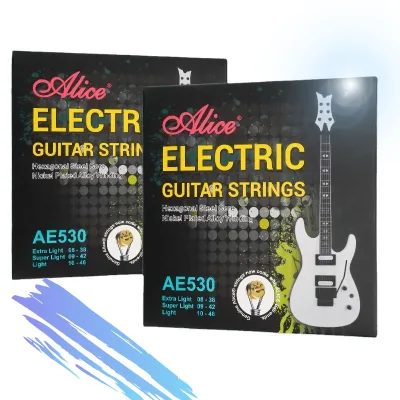


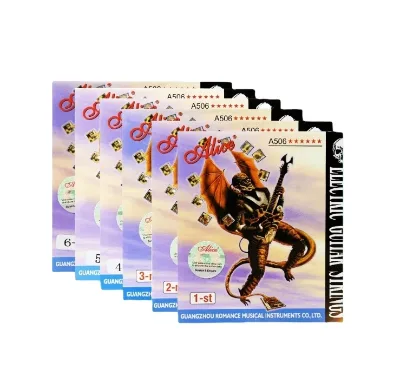
Comprehensive Sourcing Guide
Strategic Sourcing Guide for Electric Guitar Strings
Navigating the global market for Electric Guitar Strings requires a disciplined approach that balances technical performance with supply chain reliability. For procurement professionals, the distinction between generic string types and specialized components is critical. The available data indicates a diverse product landscape where "Electric Guitar String" is a primary category, yet it often intersects with broader instrument specifications. Buyers must recognize that while the core keyword focuses on strings, the surrounding product ecosystem includes full instruments, specific body materials, and varied packaging configurations. This guide outlines the essential factors for sourcing these components effectively, relying strictly on observed market attributes and verified technical parameters.
Technical Specifications and Material Composition
The foundation of a successful procurement strategy lies in understanding the precise material composition and structural specifications of the product. In the current market, stainless steel and general steel are the dominant materials observed for Electric Guitar Strings. The attribute "Stainless Steel" appears alongside "Steel" and "Durable steel string," suggesting that material grade is a primary differentiator for corrosion resistance and tonal longevity. Buyers should verify that the supplier explicitly states the material grade, as the durability of the string is directly linked to its composition.
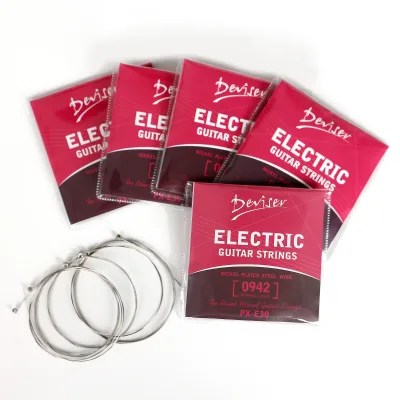
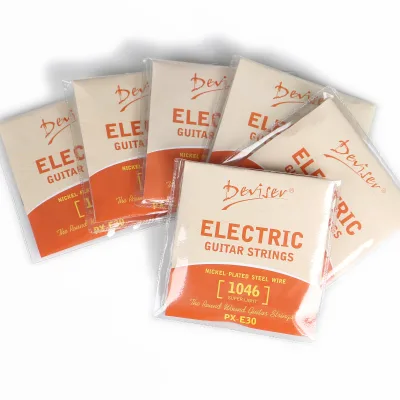
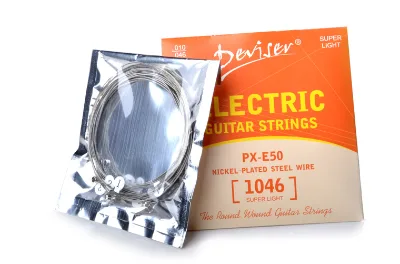
Model numbers serve as a critical identifier for technical compatibility. Observed specifications include models such as GSE-010, GSE-009, and GSE-009/010, which often denote specific string gauges or sets. The data also references gauge ranges like "1046;0942," which likely corresponds to the thickness of individual strings within a set. When sourcing, it is imperative to confirm that the model number aligns with the intended application, whether for a standard six-string electric guitar or a specialized bass configuration. The attribute "String Type:Steel String" further reinforces the material standard, but the specific gauge must be matched to the instrument's scale length and tuning requirements.
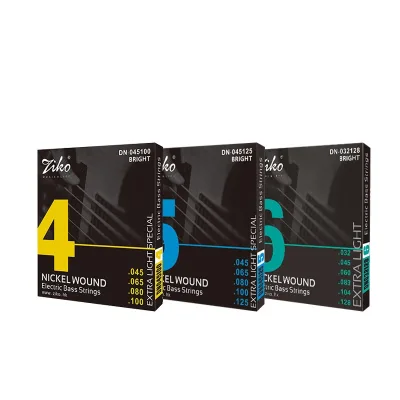
Furthermore, the product standard is not uniform across all listings. While some items are explicitly standardized for "electric guitar," others reference "acoustic guitar" or even "648cm" as a standard, which may refer to instrument length rather than string specification. This discrepancy highlights the need for rigorous verification. Procurement teams must ensure that the "prod_standard" attribute explicitly matches the target instrument type to avoid compatibility issues. The presence of "6 String" and "4 String Electric Bass Guitar" attributes indicates that the market offers solutions for different string counts, requiring buyers to specify their exact needs clearly to suppliers.
Customization Capabilities and OEM/ODM Services
A significant advantage in the current sourcing environment is the widespread availability of customization services. The data confirms that "OEM or ODM Are Welcome" and that "Customization" is available as a standard attribute. This flexibility allows buyers to tailor products to specific brand requirements, whether through custom branding, unique packaging, or modified material specifications. The attribute "Customized" appears alongside "OEM or ODM," indicating that suppliers are prepared to handle both original equipment manufacturing and original design manufacturing requests.
For buyers seeking to establish a private label, the "Inner box: Deviser logo" and "Brand Name: Deviser" attributes demonstrate that branding integration is a common practice. However, this does not imply that all suppliers offer the same level of branding service. Buyers must verify the extent of customization, such as the ability to print custom logos on the packaging or alter the string gauge profiles. The "Product name: oem guitar parts all single Electric Guitar Strings bulk" suggests that single-string replacements are also available for customization, which is valuable for after-market service programs.
The "Service: Wholesale" attribute indicates that the supply chain is geared toward bulk transactions. This is crucial for buyers planning large-scale distribution. When engaging with suppliers for OEM projects, it is essential to define the scope of the customization early. Questions regarding the minimum order quantity for custom runs, the lead time for tooling or packaging changes, and the cost implications of specific material grades must be addressed before finalizing a contract. The availability of these services suggests a mature supply chain capable of adapting to diverse buyer needs.
Cost Drivers and Pricing Dynamics
Understanding the cost structure of Electric Guitar Strings is vital for budgeting and margin analysis. The observed price range in the market spans from 0.11 to 95 USD. This wide variance suggests that pricing is heavily influenced by factors such as material quality, packaging sophistication, and order volume. The lower end of the range likely corresponds to basic steel strings with minimal packaging, while the higher end may reflect premium stainless steel options, specialized gauges, or branded sets with elaborate packaging.
The Minimum Order Quantity (MOQ) is another significant cost driver. The observed MOQ range is between 5 and 500 units. Some listings specify an MOQ of 100 pieces, while others require 50 sets. Buyers must align their order volume with these thresholds to secure the most favorable unit price. The "Selling Units" attribute, which includes "Multiple of 10" and "Single item," further complicates the pricing structure. Procurement strategies should account for these selling units to avoid overstocking or incurring unnecessary shipping costs for partial batches.
Additionally, the "Gross weight per batch" of 5.000 kg and "Package size per batch" of 12x10x8 cm are critical for logistics planning. These dimensions and weights directly impact freight costs, which can be a substantial portion of the total landed cost, especially for international shipments from Guangzhou or Guangdong, China. Buyers should calculate the cost per kilogram or per cubic meter to compare suppliers accurately. The "Packing: 1-6 strings" attribute indicates that packaging varies by string count, which affects the density of the shipment and the efficiency of container loading.
Supplier Evaluation and Geographic Origins
Geographic origin plays a pivotal role in supplier evaluation. The data consistently points to "Guangzhou, China" and "Guangdong, China (Mainland)" as the primary places of origin. These regions are established hubs for musical instrument manufacturing, offering a concentration of suppliers with specialized expertise in string production. When evaluating potential partners, buyers should verify the specific location within these regions, as proximity to ports can influence lead times and shipping costs.
Supplier reliability is often reflected in the consistency of their product attributes. The presence of detailed specifications, such as "Model Number: PA-E30" and "Model Number: PA-E50," suggests a level of organization and standardization in the supplier's catalog. However, the variation in attributes, such as the mix of "Electric Guitar String" and "Electric Bass" types, requires buyers to be vigilant. Not every supplier may specialize in every category, and it is essential to confirm that the supplier has the specific manufacturing capability for the requested product type.
The "Quality: durable steel string" attribute is a common claim, but it should be treated as an observation rather than a guaranteed performance metric. Buyers must request independent test results or quality assurance documentation to validate these claims. The "Feature: Durable" attribute reinforces the expectation of longevity, but without third-party verification, this remains a supplier assertion. A robust supplier evaluation process should include a review of their quality control protocols, production capacity, and history of fulfilling similar orders.
Quality Control and Compliance Verification
Ensuring product quality is paramount in the musical instrument industry, where consistency affects the player's experience. The "Quality: durable steel string" and "Feature: Durable" attributes provide a baseline expectation, but buyers must go further to verify these claims. The absence of specific certification data in the provided facts means that buyers cannot assume compliance with international standards without explicit confirmation from the supplier.
Compliance checks should focus on material safety and manufacturing standards. While the data mentions "Stainless Steel" and "Steel," it does not specify adherence to specific environmental or safety standards such as REACH or RoHS. Buyers should explicitly request certification documents to ensure that the materials used do not contain harmful substances. Additionally, the "prod_standard" attribute varies, with some items referencing "electric guitar" and others "acoustic guitar." This inconsistency necessitates a thorough review of the product specifications to ensure they meet the intended use case.
Quality control processes should also address packaging integrity. The "prod_packing: Carton Box" and "Packaging Details: paper carton" attributes indicate standard packaging methods. However, buyers should verify that the packaging is sufficient to protect the strings during transit, especially given the "Gross weight per batch" and "Package size per batch" dimensions. Damage to strings during shipping can render them unusable, leading to customer dissatisfaction and returns. Implementing a pre-shipment inspection protocol is recommended to ensure that the packaging and product condition meet the agreed-upon standards.
Long-Term Procurement Considerations
Sourcing Electric Guitar Strings is not merely a transactional activity but a strategic partnership that requires long-term planning. The availability of "OEM or ODM" services and "Customization" options suggests that suppliers are capable of evolving with the buyer's needs. However, maintaining a stable supply chain requires consistent communication and clear expectations regarding lead times and production schedules.
The "Lead time" is not explicitly provided in the data, but the "Place of Origin: Guangdong, China" implies that shipping times will vary based on the destination. Buyers should establish clear timelines for production and delivery to avoid disruptions in their inventory. The "Selling Units" and "MOQ" constraints also play a role in long-term planning. Buyers must ensure that their inventory management systems can accommodate the minimum order quantities and selling unit multiples to optimize stock levels and cash flow.
Furthermore, the "Service: Wholesale" attribute indicates that the market is oriented toward bulk buyers. For long-term success, buyers should consider building relationships with suppliers who can offer volume discounts and priority production slots. The ability to customize packaging and branding also offers opportunities for brand differentiation in the market. By leveraging these customization options, buyers can create a unique value proposition for their customers.
In conclusion, sourcing Electric Guitar Strings requires a meticulous approach that combines technical verification, supplier evaluation, and strategic planning. By focusing on material specifications, customization capabilities, cost drivers, and quality control, buyers can navigate the complex market landscape effectively. The observed data provides a solid foundation for understanding the current market dynamics, but continuous verification and communication with suppliers remain essential for ensuring product quality and supply chain reliability.
FAQs
What materials are used for Electric Guitar Strings?
The primary materials observed are stainless steel and general steel. Some listings specify durable steel strings, while others note stainless steel for enhanced corrosion resistance. Buyers should verify the specific material grade to ensure longevity and tonal quality.
Can I customize Electric Guitar Strings for my brand?
Yes, OEM and ODM customization services are widely available. Suppliers accept requests for custom branding, packaging, and specific string gauges. This flexibility allows buyers to tailor products to their unique brand requirements and market needs.
What is the typical minimum order quantity for strings?
The minimum order quantity ranges from 5 to 500 units depending on the supplier. Some vendors require a minimum of 50 sets or 100 pieces. Buyers must align their order volume with these thresholds to secure favorable pricing and availability.
Where are these Electric Guitar Strings manufactured?
Most products originate from Guangzhou and Guangdong, China. These regions are established hubs for musical instrument manufacturing. Buyers should verify the specific location within these areas to assess shipping times and logistics efficiency.
How are the strings packaged for shipment?
Strings are typically packed in carton boxes or paper cartons. Package sizes vary, with some batches measuring 12x10x8 cm. Packaging configurations may include single items or multiples of ten, affecting shipping density and cost.