Source PVC Synthetic Leather for Bags Furniture and Shoes
Compare 30 listings of PVC Synthetic Leather with features like waterproofing, abrasion resistance, and anti-mildew properties. Buyers can review specifications including thickness, backing types, and customization options for applications in bags, furniture, and shoes.
Key considerations
Products List




Comprehensive Sourcing Guide
Strategic Sourcing Guide for PVC Synthetic Leather Procurement
Understanding Technical Specifications and Material Composition
When sourcing PVC Synthetic Leather, buyers must first establish a clear understanding of the material's fundamental composition and physical attributes. The core material is polyvinyl chloride (PVC), a versatile polymer that provides the base for a wide array of functional properties. In the current market, the product is frequently characterized by specific backing technics, with woven structures being a prominent option. This backing often consists of cotton or knitting materials, which are critical for determining the fabric's drape, flexibility, and durability. The thickness of the material is a primary specification that dictates its suitability for different applications. Observed data indicates a thickness range of 0.8 to 1.0 millimeters, though some specialized variants may differ. Buyers should verify the exact thickness required for their specific end-use, as this dimension directly influences the material's stiffness and resistance to wear.
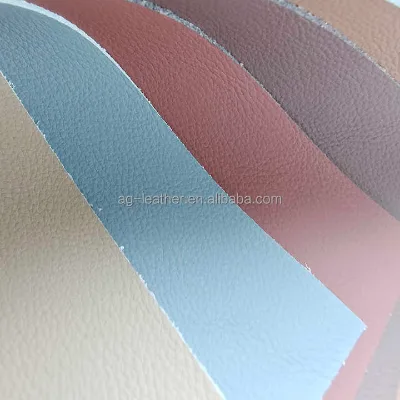
The surface finish of the PVC leather is another critical technical parameter. Manufacturers offer distinct pattern options, including embossed, printed, and finished designs. Embossed patterns provide a textured, tactile feel that mimics natural leather grain, while printed designs allow for intricate, customizable graphics. The availability of customization extends to color, with suppliers often offering the ability to match specific color cards or produce bespoke shades upon request. The width of the material is standardized in many cases, with 54 to 55 inches being a common specification, though this can vary based on the production line. Understanding these technical baselines is essential before engaging with suppliers, as it ensures that the requested product aligns with the manufacturing capabilities of potential vendors.
Compliance, Certification, and Safety Verification
Navigating the regulatory landscape is a paramount concern for B2B buyers, particularly when PVC Synthetic Leather is destined for consumer goods, automotive interiors, or children's products. While specific certification statuses for every listed product cannot be universally asserted without direct verification, the market context highlights the importance of compliance with international safety standards. Buyers should explicitly inquire about adherence to REACH regulations, which govern the use of chemicals in the European Union. Although REACH is a background consideration in general market knowledge, it represents a critical verification point for any serious procurement strategy involving PVC materials.
Beyond chemical compliance, buyers must verify the material's performance against specific functional claims. The product data frequently cites features such as anti-mildew, waterproof, and abrasion-resistant properties. These are not merely marketing terms but technical requirements that must be validated through third-party testing. For applications involving footwear, bags, or automotive seats, the abrasion resistance is a key metric that determines the product's lifespan. Similarly, the waterproof capability is essential for raincoats and outdoor furniture. Buyers should request test reports that confirm these attributes, ensuring that the supplier's claims are backed by empirical data. The absence of a specific certification label in a product listing does not imply non-compliance, but it does necessitate a proactive request for documentation to mitigate supply chain risks.
Cost Drivers and Pricing Dynamics
The pricing of PVC Synthetic Leather is influenced by a complex interplay of material costs, customization requirements, and order volume. The observed price range in the market spans from approximately $0.50 to $14.80 per unit, a variance that reflects differences in thickness, design complexity, and backing quality. The primary cost driver is often the level of customization. Standard colors and patterns typically command lower prices, while bespoke designs, such as specific embossed textures or custom color matches, incur additional tooling and setup costs. The thickness of the material also plays a significant role; thicker variants generally cost more due to higher material consumption.
Order volume is another decisive factor in pricing strategy. Minimum Order Quantities (MOQ) vary significantly across suppliers, ranging from as low as 5 units to as high as 3,000 units. Larger orders often benefit from economies of scale, resulting in a lower unit price. However, the MOQ requirement can be a barrier for small businesses or those testing new product lines. Buyers must balance the desire for lower unit costs against the capital tied up in inventory. Additionally, packaging requirements can impact the final cost. Standard packaging, such as rolls wrapped in PVC bags or kraft paper, is generally included in the base price, but specialized packaging solutions may add to the overall expense. Understanding these dynamics allows buyers to negotiate more effectively and forecast their total cost of ownership accurately.
Typical Applications and Usage Scenarios
PVC Synthetic Leather is a highly adaptable material utilized across a diverse spectrum of industries. Its versatility stems from its combination of durability, water resistance, and aesthetic flexibility. The observed usage data highlights applications ranging from apparel and accessories to heavy-duty industrial uses. In the fashion sector, the material is commonly used for raincoats, gloves, bags, and footwear. The waterproof and anti-mildew features make it particularly suitable for outdoor wear and items exposed to moisture. In the automotive industry, PVC leather is a preferred choice for car seats and interior trim due to its abrasion resistance and ease of cleaning.
Beyond automotive and apparel, the material finds extensive use in home textiles and furniture. It is frequently employed for decorative chair covers, sofa upholstery, and general furniture applications. The availability of various patterns, including embossed and printed designs, allows designers to match specific interior themes. The material is also utilized in the manufacturing of notebooks, belts, and sports equipment like footballs. The specific usage scenario dictates the required technical specifications; for instance, a car seat requires higher abrasion resistance and softness compared to a decorative notebook cover. Buyers must align their material selection with the intended end-use to ensure optimal performance and longevity. The following table summarizes common applications and their corresponding material requirements based on observed data.
| Application Sector | Key Required Features | Typical Specifications |
|---|---|---|
| Automotive Interiors | Waterproof, Abrasion Resistant, Soft | Thickness 0.8-1.0mm, Woven Backing |
| Apparel & Rainwear | Waterproof, Anti-Mildew, Elastic | Embossed/Printed Pattern, Custom Color |
| Furniture & Upholstery | Durable, Decorative, Soft | Any Color, 54/55" Width |
| Bags & Accessories | Abrasion Resistant, Lightweight | Custom Design, Various Thicknesses |
| Sports Equipment | Durable, Flexible | Specific Thickness, High Tensile Strength |
Supplier Evaluation and Operational Capabilities
Selecting the right supplier requires a thorough evaluation of their operational capabilities, production standards, and logistical reliability. The geographic origin of the manufacturer is a significant factor, with major production hubs located in regions such as Zhejiang and Jiangsu in China. These regions offer a mature supply chain ecosystem, but buyers should verify the specific location of the factory to assess logistics costs and lead times. The standard delivery time for these products is typically between 7 to 14 days, though this can vary based on order complexity and current production capacity.
Payment terms are another critical aspect of supplier evaluation. Common practices include a 30% deposit with the balance due upon the copy of the shipping documents, or alternative methods such as T/T, L/C, Western Union, and PayPal. Buyers should ensure that the payment terms align with their financial policies and risk tolerance. The supplier's ability to handle customization is also a key differentiator. Many suppliers offer "Any Colors That You Need" and custom design options, including release paper designs or specific embossed patterns. However, the extent of this customization capability should be confirmed, as some suppliers may have limitations on design complexity or color matching. Additionally, the supplier's packaging standards, such as the use of transparent, kraft paper, or woven bags, should be reviewed to ensure the product arrives in pristine condition.
Quality Control and Long-Term Procurement Considerations
Implementing a robust quality control (QC) strategy is essential for maintaining product consistency and minimizing defects. Given the variability in manufacturing processes, buyers should establish clear acceptance criteria before production begins. This includes verifying the thickness, width, and physical properties of the material. The single gross weight of the product, which can range from 1.500kg to 2.000kg depending on the model, serves as a useful metric for checking packaging consistency. Buyers should also inspect the backing technics to ensure the woven or cotton/knitting backing meets the specified standards.
Long-term procurement considerations involve building a sustainable relationship with suppliers that can adapt to changing market demands. The ability of the supplier to provide consistent quality over time is paramount. Buyers should request samples for initial testing and establish a protocol for ongoing quality audits. The availability of customization, such as specific embossed patterns or color variations, should be maintained as a strategic advantage. Furthermore, buyers should monitor the supplier's adherence to safety and environmental standards, ensuring that the PVC material remains compliant with evolving regulations. By focusing on these long-term factors, buyers can secure a reliable supply chain that supports their business growth and product innovation.
Finalizing the Procurement Strategy
The successful sourcing of PVC Synthetic Leather requires a balanced approach that integrates technical knowledge, regulatory compliance, and strategic supplier management. Buyers must navigate the wide range of available options, from standard embossed patterns to highly customized designs, while ensuring that the material meets the rigorous demands of their specific applications. By understanding the cost drivers, verifying technical specifications, and maintaining a focus on quality control, buyers can make informed decisions that optimize their procurement outcomes. The diversity of applications, from automotive interiors to fashion accessories, underscores the versatility of PVC Synthetic Leather, making it a valuable asset for a wide range of industries. As the market continues to evolve, staying informed about new technologies and standards will be crucial for maintaining a competitive edge in the global supply chain.
FAQs
What customization options are available for PVC Synthetic Leather?
Customization is available for patterns, colors, and designs. Suppliers offer embossed or printed patterns with any color needed, allowing buyers to match specific requirements for applications like raincoats or furniture upholstery.
How thick is the standard PVC Synthetic Leather material?
The standard thickness ranges from 0.8 to 1.0 millimeters. This dimension is critical for determining stiffness and durability, making it suitable for various uses including car seats, bags, and home textiles.
Which features make PVC Synthetic Leather suitable for automotive use?
Key features include waterproof, abrasion resistant, and soft properties. These attributes ensure the material withstands wear and tear while maintaining comfort for car seats and interior trim applications.
Can buyers request specific colors for their PVC Synthetic Leather orders?
Yes, buyers can request any colors they need or select from a color card. This flexibility supports diverse design requirements for garments, furniture, and decorative items across different industries.
What is the typical delivery time for PVC Synthetic Leather orders?
The typical delivery time is between 7 to 14 days. This lead time applies to standard orders, though complex customization or large volume requirements may influence the exact schedule.
How is the PVC Synthetic Leather typically packed for shipment?
The material is usually packed in rolls of 30 to 50 meters wrapped in two PVC bags. Some variants may use transparent, kraft paper, or woven bags depending on the specific supplier and order requirements.
What backing technics are used for this PVC Synthetic Leather?
The backing technics often include woven structures with cotton or knitting materials. This composition provides necessary drape and flexibility, supporting applications ranging from shoes to decorative chair covers.