Source Quick Release Ice Hockey Gloves for Indoor, Outdoor, and Training
Compare 28 listings for Quick Release Ice Hockey Gloves featuring carbon fiber, polyester, and leather options. Buyers can evaluate customization, sizes, and delivery times from verified Chinese manufacturers.
Key considerations
Products List


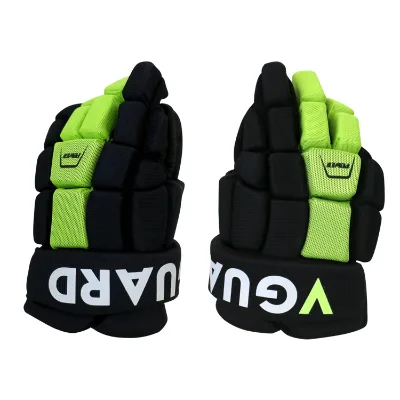


Premium Hockey Gloves - Sizes 9-15 Durable & Flexible for Maximum Performance
$60.00 - $65.00
MOQ: 2 Pieces
Comprehensive Sourcing Guide
Strategic Sourcing Guide for Quick Release Ice Hockey Gloves
Understanding Product Specifications and Material Composition
When sourcing Quick Release Ice Hockey Gloves, the primary objective is to identify equipment that balances protective integrity with the specific mechanical advantage of a quick-release mechanism. Based on current market observations, the core material composition for these specialized gloves often involves a blend of Nylon and Carbon Fiber. This combination is critical for achieving the necessary rigidity to protect the hand while maintaining the lightweight profile required for high-speed play. The Carbon Fiber component is frequently cited as a primary structural material, providing the durability needed to withstand the high-impact collisions inherent in ice hockey.
The physical dimensions of these gloves are a critical specification for procurement. Available sizes typically range from 9 inches to 14 inches, covering the spectrum from junior to adult fitments. Some listings indicate a broader range extending up to 15 inches, suggesting that custom sizing is a viable option for specialized teams. The weight of the product is a significant factor in player fatigue; observed product weights for these units are approximately 500 grams per pair. This weight metric is essential for buyers evaluating the trade-off between protection and agility.
The design of the gloves often incorporates specific features such as a 3-Piece Flex Lock Thumb mechanism. This design element is not merely aesthetic but serves a functional purpose in securing the glove during play while allowing for the quick release capability that defines the product category. The palm area is frequently described as having a light grey finish, which may indicate a specific material treatment for grip or durability. Furthermore, the internal structure often utilizes a combination of Leather, Mesh, and Foam. The Mesh provides breathability, which is vital for indoor and outdoor usage, while the Foam offers cushioning against impacts. The outer shell may also feature a patterned design, which can be customized to match team colors or branding requirements.
Technical Standards and Customization Capabilities
Customization is a dominant feature in the sourcing of ice hockey gloves, particularly for teams requiring uniformity or specific branding. The market data indicates that customization is widely available, with options extending to all colors and logos. Buyers should verify that the supplier can accommodate "Customized Logo" requests, as this is a standard offering for many manufacturers. The ability to accept customized colors allows teams to align their equipment with their official team identity, which is often a contractual requirement for league participation.
The production standards for these gloves vary by manufacturer, but specific dimensional standards for packaging are observable. One common standard noted is 595030CM, which likely refers to the carton dimensions for bulk shipping rather than the glove itself. This packaging size is crucial for logistics planning, as it determines the volume of space required in shipping containers. The packing method typically involves a Paper Box or a Carton with Bubble protection, ensuring that the gloves arrive in pristine condition. Some suppliers also utilize a 1 Pair/Poly Bag configuration for individual unit protection before bulk packing.
Regarding the specific models available, the market lists several designations such as Vapor, Mach, Xf, and Ma*H/Hyp/Xf. These model names often correspond to different performance tiers or specific design philosophies, such as the "Vapor" line which may emphasize speed and lightness. The "Mach" and "Xf" models might represent variations in flex or protection levels. It is important for buyers to understand that these model names are not universal standards but rather manufacturer-specific designations. Therefore, procurement teams must request detailed technical datasheets for each specific model to ensure they meet the team's performance requirements.
The customization process also extends to the production origin. Suppliers are located in various regions of China, including Hubei and Guangdong provinces. The place of origin can influence the specific manufacturing techniques used, as different regions may have specialized clusters for sports equipment. Buyers should verify the specific production origin of the batch they are purchasing to ensure consistency with previous orders or specific quality expectations associated with that region.
Cost Drivers and Pricing Dynamics
The pricing structure for Quick Release Ice Hockey Gloves is influenced by several key variables, primarily material costs, customization levels, and order volume. The observed price range in the market is quite broad, spanning from $0.50 to $65.00 USD. This wide variance suggests that the market includes both entry-level recreational gear and high-performance professional equipment. The lower end of the spectrum likely corresponds to basic models with standard materials and minimal customization, while the higher end reflects premium Carbon Fiber construction, advanced quick-release mechanisms, and extensive branding services.
Minimum Order Quantity (MOQ) is another significant cost driver. The data indicates that MOQs can range from 1 unit to 100 units. A low MOQ of 1 allows for sample testing or small team purchases, but the unit cost is typically higher. Conversely, orders meeting the higher MOQ thresholds often benefit from economies of scale, reducing the per-unit cost. Buyers must balance their immediate budget constraints with the long-term value of bulk purchasing. For teams requiring specific customizations, such as unique logos or colors, the MOQ might be higher to justify the setup costs for the supplier.
Lead times also play a role in the total cost of ownership. The delivery time for these products is typically cited as 7 to 15 days, with some variations extending to 3-10 days for standard orders. However, for customized orders, the sample time can be significantly longer, ranging from 30 to 45 days. This extended timeline for samples must be factored into the procurement schedule, especially if the team needs to finalize designs before the season begins. Delays in the sample approval process can cascade into production delays, potentially increasing the overall cost due to expedited shipping fees or missed deadlines.
The port of shipment is another logistical factor affecting cost. Most suppliers ship from major Chinese ports such as Shanghai or Shenzhen. The choice of port can influence freight costs and transit times to the buyer's location. Buyers should calculate the total landed cost, including freight, insurance, and customs duties, rather than focusing solely on the factory gate price.
Supplier Evaluation and Verification Protocols
Evaluating suppliers for ice hockey gloves requires a rigorous approach to ensure reliability and product quality. The first step is to verify the supplier's production capabilities and location. With origins in Hubei and Guangdong, buyers should confirm the specific factory address and request proof of business registration. While specific certification names are not universally provided in the general data, buyers should explicitly request documentation regarding the supplier's adherence to international safety and quality standards.
The supplier's ability to handle customization is a critical evaluation metric. Buyers should assess the supplier's workflow for logo application and color customization. The data indicates that "Customized Logo" and "Customized Color" are standard services, but the quality of the execution varies. Requesting physical samples of previous custom work is essential to verify the durability of the printing and the accuracy of the color matching. The "Accept Customized Logo" attribute suggests flexibility, but the buyer must ensure the supplier has the technical capacity to apply logos without compromising the structural integrity of the glove.
Customer service responsiveness is another vital factor. The market data mentions "24-Hour Online Service" as a feature, which indicates a commitment to rapid communication. Buyers should test this responsiveness during the inquiry phase to gauge the supplier's reliability. A supplier that responds quickly to technical questions about material composition or sizing is more likely to provide support during the production and shipping phases.
The sample policy is also a key indicator of supplier confidence. The data notes a "Sample: No" attribute in some contexts, while others specify a "Sample Time" of 30-45 days. This discrepancy suggests that sample availability varies by supplier. Buyers should clarify whether samples are free or paid and whether they are available for immediate shipment or require a production run. A supplier willing to provide samples quickly and at a reasonable cost demonstrates a commitment to building a long-term partnership.
Quality Control and Performance Verification
Quality control in the manufacturing of ice hockey gloves is paramount due to the high-impact nature of the sport. The materials used, such as Carbon Fiber and Nylon, must be sourced from reputable suppliers to ensure they meet strength and flexibility requirements. The "3-Piece Flex Lock Thumb" design is a specific technical feature that requires precise assembly. Buyers should request quality control reports that detail the inspection of this mechanism to ensure it functions correctly and does not fail under stress.
The durability of the materials is another critical quality metric. The combination of Leather, Mesh, and Foam must be tested for wear resistance, particularly in the palm and finger areas where friction is highest. Buyers should inquire about the testing protocols used by the supplier to verify the longevity of the materials. While specific test results are not provided in the general data, buyers should ask for evidence of abrasion resistance and impact absorption testing.
Packaging quality is also part of the quality control process. The use of Carton and Bubble packaging, or Paper Box with Poly Bag, is designed to protect the gloves during transit. Buyers should inspect the packaging upon receipt to ensure that the gloves have not been damaged during shipping. Any signs of compression or moisture damage should be reported immediately to the supplier.
For teams requiring specific performance characteristics, such as windbreak or waterproof capabilities, buyers should verify that the gloves meet these functional requirements. The "Windbreak" and "Waterproof" attributes listed in the data suggest that some models are designed for outdoor or variable weather conditions. Buyers should request specific performance data or test results to confirm that the gloves can withstand the environmental conditions in which they will be used.
Long-Term Procurement and Supply Chain Management
Establishing a long-term procurement strategy for ice hockey gloves involves more than just securing a single order. It requires building a relationship with a supplier who can scale with the team's needs. The availability of "Customization Options" and "Customized" production capabilities suggests that suppliers are willing to adapt to changing team requirements. Buyers should aim to negotiate long-term contracts that lock in pricing and lead times, providing stability for budget planning.
The lead time of 7 to 15 days is relatively short, but buyers should account for potential delays, especially during peak seasons. Establishing a buffer in the procurement schedule is essential to ensure that equipment is available before the start of the season. Additionally, buyers should consider the inventory management strategy. If the team has a large roster, maintaining a stock of standard sizes while ordering custom sizes for key players can optimize the supply chain.
The "24-Hour Online Service" feature indicates that suppliers are accessible for ongoing support. Buyers should leverage this service for post-purchase issues, such as sizing adjustments or replacement parts. A responsive supplier can help resolve issues quickly, minimizing downtime for the team.
Finally, buyers should stay informed about industry trends and technological advancements. The market for ice hockey equipment is evolving, with new materials and designs emerging regularly. By maintaining a close relationship with suppliers, buyers can stay ahead of these trends and ensure that their team is equipped with the latest technology. This proactive approach to procurement ensures that the team remains competitive and that the equipment continues to meet the highest standards of safety and performance.
FAQs
What materials are used for Quick Release Ice Hockey Gloves?
These gloves typically use a blend of Nylon and Carbon Fiber for structural rigidity and lightweight performance. Some models also incorporate Leather, Mesh, and Foam to provide breathability and impact cushioning for players.
Can I customize the logo and colors on these gloves?
Yes, customization is widely available for all colors and logos to match team branding. Suppliers accept customized requests for specific designs, allowing teams to align equipment with their official identity requirements.
What is the typical delivery time for these hockey gloves?
Standard delivery times range from 3 to 15 days depending on the order specifics. Customized orders may require a sample time of 30 to 45 days before full production begins.
Which sizes are available for adult quick release gloves?
Available sizes typically range from 9 inches to 14 inches, covering junior to adult fitments. Some listings indicate a broader range up to 15 inches with options for custom sizing.
What is the minimum order quantity for these products?
The minimum order quantity can range from 1 unit for samples to 100 units for bulk orders. Lower MOQs allow for testing but may result in higher per-unit costs compared to bulk purchases.
Where are these ice hockey gloves manufactured?
Production origins include various regions in China, specifically Hubei and Guangdong provinces. The specific location can influence manufacturing techniques and should be verified for consistency with previous orders.
How are the gloves packaged for shipping?
Packaging typically involves a Paper Box or a Carton with Bubble protection to ensure safety. Individual units are often packed as one pair per Poly Bag before being placed in bulk cartons.