Source Realistic Walking Barking Dog Model for gifts, decor, and events
Compare 30 Realistic Walking Barking Dog Model options from verified suppliers. Buyers can evaluate features like material, size, and customization for gifts, home decor, and festival displays. These products include breathing sleeping dogs and simulation toys suitable for kids and adults seeking creative gifts or living room decorations.
Updated
Key considerations
Products List
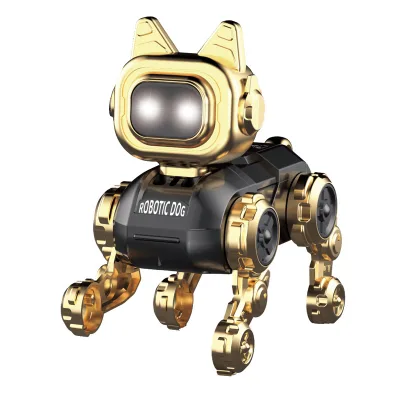
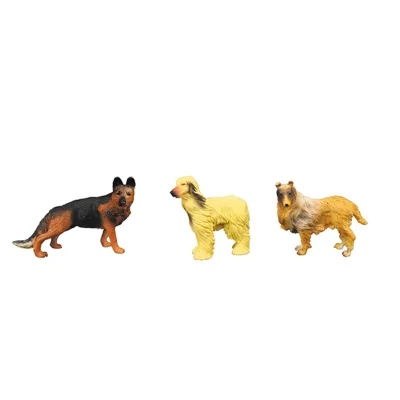
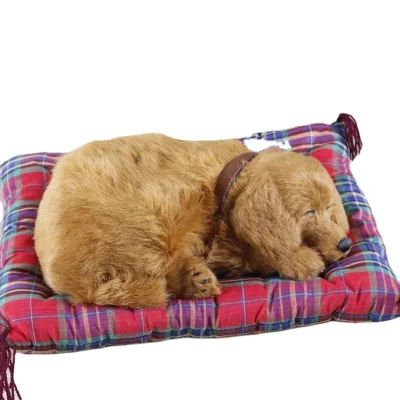
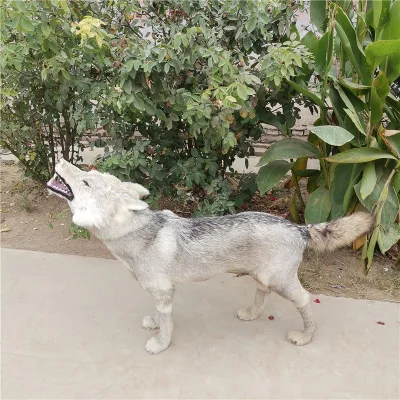
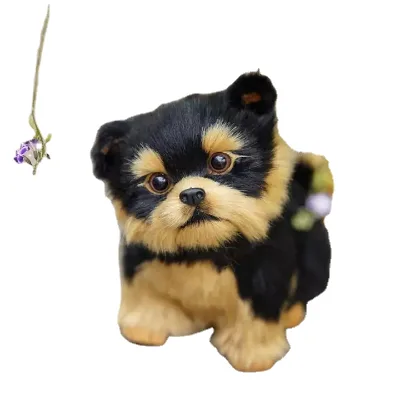

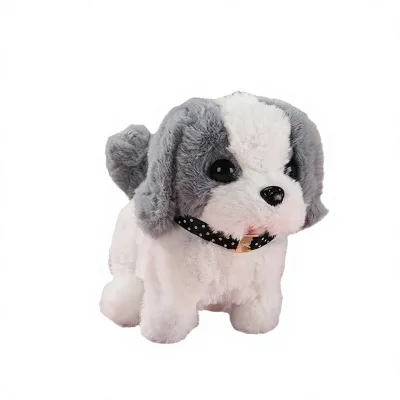
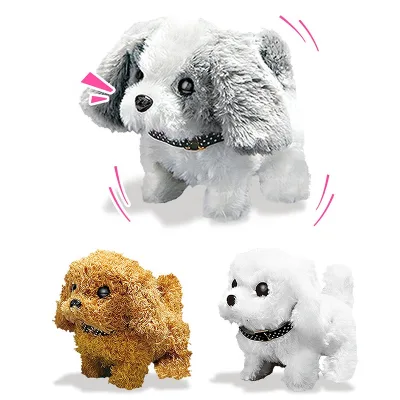

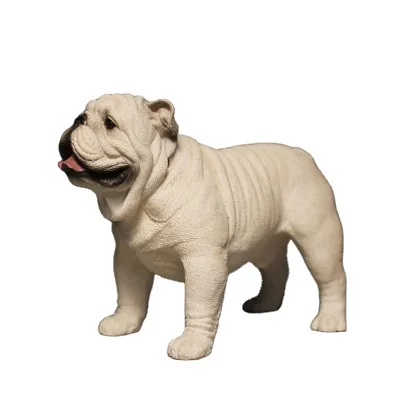

Pet Dog Toy Animal Modeling Vocal Pet Plush Toy Dog Grinding Boredom Doll Pet Supply
$0.26 - $0.30
MOQ: 200 Pieces


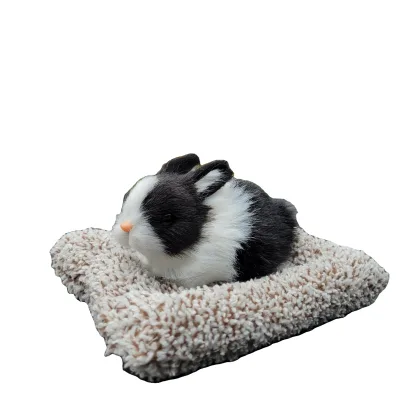


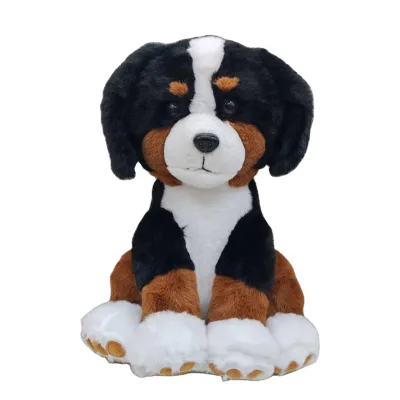


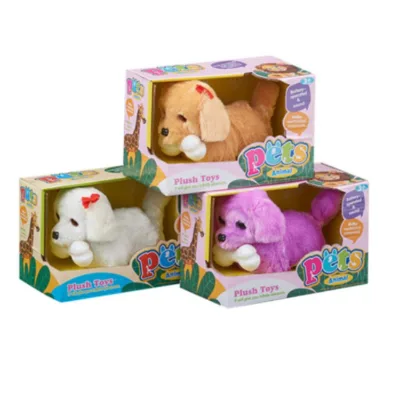

Comprehensive Sourcing Guide
Realistic Walking Barking Dog Model Sourcing Guide
Sourcing a Realistic Walking Barking Dog Model requires careful evaluation of mechanical complexity and material durability. Buyers must distinguish between static decorative replicas and dynamic models with internal motors, servos, and sound modules. The observed market includes products described as "breathing sleeping dogs" or "simulation dog toys," which may lack the active locomotion implied by the core keyword. Procurement teams should verify whether the product is a plush ornament with minimal movement or a fully articulated figure capable of walking and barking. This distinction fundamentally impacts the technical specifications, cost structure, and supplier capabilities required for a successful order.
The target audience for these items ranges from children aged five and up to adult collectors seeking home decoration. Applications include creative product gifts, festival decorations, and living room accents. Buyers must clarify the intended use case early in the inquiry process to ensure the selected model meets functional expectations. For instance, a model intended for young children requires stricter safety certifications than one designed for adult display. Understanding the end-use context helps in selecting the appropriate motor strength, fur quality, and battery safety features, ensuring the final product aligns with both aesthetic desires and practical utility requirements.
Product Scope and Observed Listing Signals
The current market landscape for realistic animal models shows significant variation in product definitions and listing attributes. Observed listings include items labeled as "artificial Animal real like dog" or "Soft Plush Animals Toys," with materials ranging from plastic molds with artificial fur to plush with internal plastic structures. Some products are explicitly described as "breathing sleeping dog" models, suggesting subtle motion rather than full walking capabilities. Buyers should scrutinize product names and descriptions carefully, as terms like "simulation dog toy" may refer to static ornaments rather than active robotic figures. This ambiguity necessitates direct communication with suppliers to confirm the exact nature of the movement and sound features.
Color options observed in the market include blue, pink, silver, gold, and gray, indicating a broad aesthetic range beyond traditional animal colors. Sizes vary significantly, with some models measuring approximately 30 cm in length and others having flexible or customized dimensions. Packaging details also differ, with some items shipped in colored gift boxes and others in standard carton boxes. These variations highlight the importance of specifying exact requirements during the sourcing phase. Buyers should request detailed product images and videos to verify the actual appearance and movement capabilities, as static images may not accurately represent the dynamic features of walking and barking models.
Technical Specifications to Verify
Verifying the technical specifications of a Realistic Walking Barking Dog Model is critical to ensuring performance and longevity. Buyers must confirm the presence and quality of internal components, including motors, gears, and sound modules. The material composition, often a combination of plastic molds and artificial or synthetic fur, directly affects durability and tactile realism. It is essential to inquire about the weight of the model, as heavier models may indicate more robust internal mechanisms but could also pose handling challenges. Specifications such as single package size and gross weight are important for logistics planning and shipping cost estimation.
Battery requirements and power management systems are another key technical aspect. Buyers should determine whether the model uses replaceable batteries or rechargeable units, and verify the battery life and charging time. The range of motion, including the extent of walking, tail wagging, and head movement, should be clearly defined. Additionally, the volume and clarity of the barking sound module must be assessed to ensure it meets user expectations. Suppliers should provide detailed technical datasheets that outline these specifications, allowing buyers to compare different models and select the one that best fits their functional requirements and quality standards.
Compliance and Safety Documentation
Compliance and safety documentation are paramount when sourcing realistic animal models, especially those intended for children. Buyers must verify that the products meet relevant safety standards, such as ISO9001 for quality management systems, and any specific regional safety regulations. The use of materials like plastic and artificial fur must be confirmed to be non-toxic and free from harmful chemicals. Certifications such as CE, although noted with low confidence in some contexts, should be rigorously checked to ensure they are valid and applicable to the specific product and destination market.
Electrical safety is another critical area of concern. Buyers should request test reports for the battery compartments and wiring to ensure they are secure and do not pose a risk of short circuits or overheating. For products marketed towards children, additional safety features such as small part warnings and age appropriateness labels are essential. Suppliers should provide comprehensive documentation, including material safety data sheets and compliance certificates, to demonstrate adherence to safety regulations. This due diligence helps mitigate legal risks and ensures the product is safe for its intended users, protecting both the buyer and the end consumer.
Cost Drivers and Commercial Terms
The cost of a Realistic Walking Barking Dog Model is influenced by several factors, including material quality, mechanical complexity, and order volume. Models with advanced features such as multi-directional walking and realistic barking sounds typically command higher prices than simpler decorative items. The observed price range in the market is broad, reflecting the diversity in product quality and features. Buyers should request detailed quotations that break down costs by component, such as the motor, sound module, and fur material, to understand the value proposition of each model.
Commercial terms, including minimum order quantities (MOQ) and payment methods, also impact the overall cost. Observed MOQs vary, with some suppliers requiring as few as one piece for samples and others demanding hundreds of pieces for bulk orders. Payment terms such as Trade Assurance and T/T are common, providing varying levels of security for the buyer. Lead times and sample availability are additional considerations, with sample times typically ranging from seven to ten working days. Buyers should negotiate favorable terms based on their order volume and relationship with the supplier, ensuring a cost-effective and efficient procurement process.
Supplier Qualification and Quality Control
Supplier qualification is a crucial step in sourcing realistic walking barking dog models. Buyers should assess the supplier's manufacturing capabilities, including their experience with electronic components and plush toy production. Suppliers located in regions known for toy manufacturing, such as Shandong, China, may offer competitive advantages in terms of cost and expertise. It is important to verify the supplier's ability to handle OEM/ODM requests, as this indicates flexibility and customization capabilities. Requesting references or case studies from previous clients can provide insights into the supplier's reliability and product quality.
Quality control measures should be clearly defined and agreed upon before placing an order. Buyers should inquire about the supplier's inspection processes, including pre-production samples, in-line inspections, and final random inspections. Establishing clear quality standards and acceptance criteria helps ensure that the delivered products meet expectations. Suppliers should be willing to accommodate third-party inspections if required. Building a strong relationship with the supplier through regular communication and feedback can also help maintain consistent quality and address any issues promptly, ensuring a successful long-term partnership.
Long-Term Procurement Checks
Long-term procurement checks involve continuous monitoring of supplier performance and product quality. Buyers should establish key performance indicators (KPIs) to track metrics such as on-time delivery, defect rates, and customer satisfaction. Regular audits of the supplier's manufacturing facilities can help identify potential issues before they impact production. Maintaining open lines of communication with the supplier allows for timely resolution of any problems and fosters a collaborative relationship. This proactive approach helps ensure that the supply chain remains robust and responsive to changing market demands.
Additionally, buyers should stay informed about industry trends and technological advancements in realistic animal models. This knowledge can help in identifying new opportunities for product improvement or cost reduction. Regularly reviewing and updating procurement strategies based on market insights and supplier performance ensures that the sourcing process remains efficient and effective. By focusing on long-term relationships and continuous improvement, buyers can secure a reliable supply of high-quality realistic walking barking dog models, meeting the evolving needs of their customers and maintaining a competitive edge in the market.
FAQs
What materials are used in realistic walking barking dog models?
These models typically combine plastic molds with artificial or synthetic fur to create a lifelike appearance. The internal structure relies on durable plastic components, while the exterior features soft plush textures. This combination ensures the toy remains sturdy during interactive play while providing a comfortable tactile experience for children and collectors alike.
Can I customize the size of a Realistic Walking Barking Dog Model?
Yes, manufacturers often accept customized sizes to meet specific requirements. Standard models may measure approximately 30 cm in length, but flexible dimensions are available. Buyers can request specific measurements to fit particular display spaces or packaging constraints, ensuring the final product aligns perfectly with their design or retail needs.
What is the typical minimum order quantity for these dog models?
Minimum order quantities vary significantly based on the supplier and customization level. Some vendors require a minimum of 500 pieces, while others may accept orders as low as one piece for samples or small batches. Buyers should verify specific MOQ requirements with manufacturers to ensure alignment with their inventory planning and budget.
Are realistic walking barking dog models suitable for young children?
These products are generally designed for age ranges including 5 to 7 years, 8 to 13 years, and those 14 years and up. They serve as creative gifts or home decorations. However, parents should always supervise young children during play to ensure safety, as the models contain plastic components and small parts.
How long does it take to produce a sample of this model?
Sample production typically requires 7 to 10 working days. This timeframe allows manufacturers to prepare the specific design, materials, and functional components like breathing or walking mechanisms. Buyers should account for this lead time when planning product launches or testing new designs before committing to larger bulk production orders.
What certifications do these realistic dog models usually hold?
Manufacturers often hold ISO9001 certification, indicating adherence to quality management standards. While specific safety certifications like CE may apply, buyers should request current documentation directly from suppliers. Ensuring proper certification is crucial for compliance with international trade regulations and safety standards, particularly when exporting to markets with strict toy safety requirements.