Source Eco Friendly Washed Plush Doll for Gifts, Decor, and Education
Compare 30 listings for Eco Friendly Washed Plush Doll from verified Chinese manufacturers. Buyers can evaluate customization options, certifications like CE and ASTM, and MOQs ranging from 2 to 500 units for bulk orders; compare the available evidence and request quotations based on your requirements.
Updated
Key considerations
Products List


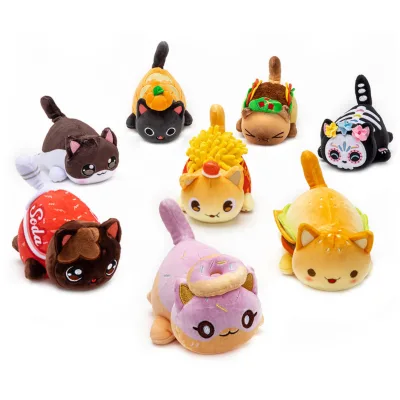
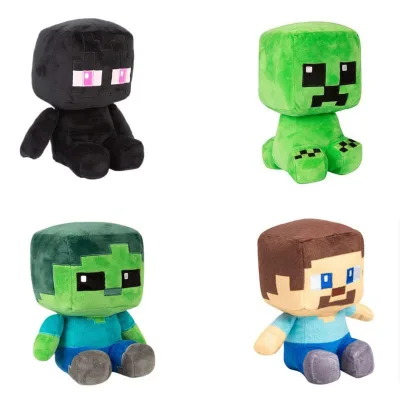


OEM ODM Custom Made Plushie Manufacturer Cotton Plush Doll Custom Plush Toy
$2.69 - $3.29
MOQ: 100 Pieces

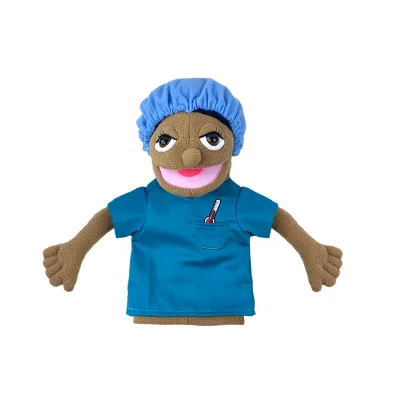
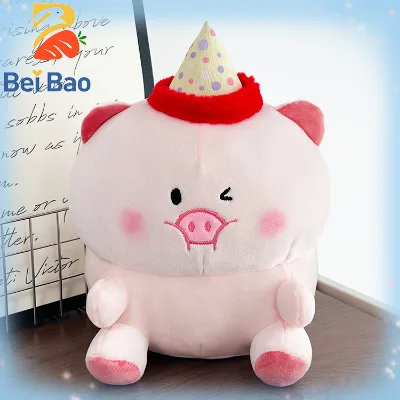
High Quality Customized Design Dolls with PP Cotton Filling Soft Plush Toys
$1.98 - $3.29
MOQ: 50 Pieces


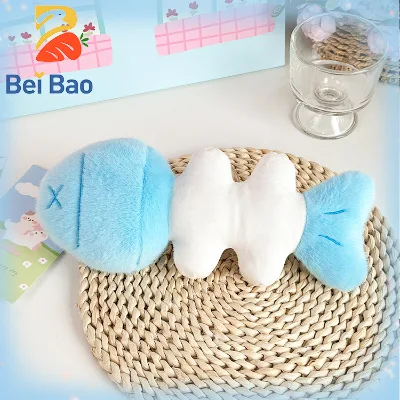
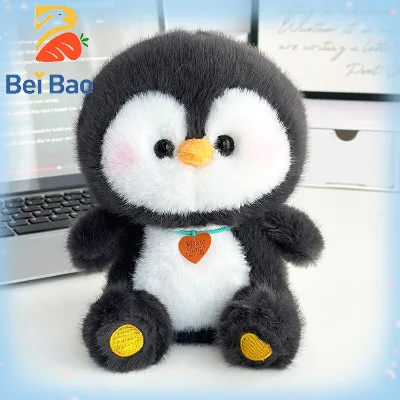
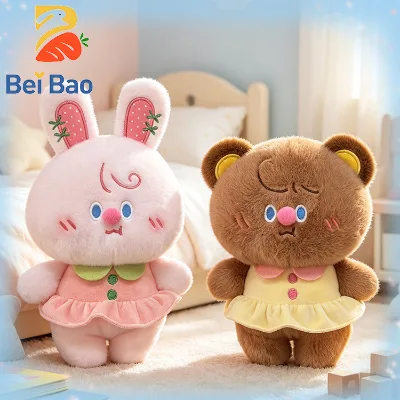
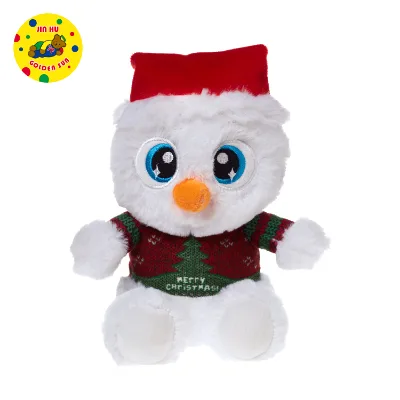

Comprehensive Sourcing Guide
Eco Friendly Washed Plush Doll Sourcing Guide
Sourcing eco-friendly washed plush dolls requires a strategic approach that balances material sustainability with rigorous safety compliance. Buyers must prioritize suppliers who demonstrate transparency in their supply chain, particularly regarding the origin of plush fabrics and filling materials. The observed market data indicates a strong emphasis on customization, with many manufacturers offering OEM and ODM services to tailor products to specific brand identities. This flexibility allows buyers to create unique gift items that resonate with target audiences while maintaining ethical production standards.
The procurement process is heavily influenced by the need for verified certifications and consistent quality control. With observed minimum order quantities ranging from 2 to 500 pieces, buyers can start with manageable trial orders to assess product quality before scaling up. It is crucial to verify that the "eco-friendly" claims are backed by tangible evidence, such as specific material certifications or sustainable manufacturing practices. Buyers should focus on partners who provide clear documentation of their production processes and are willing to accommodate custom branding requirements, including logos and hang tags.
Product Scope and Observed Listing Signals
The current market landscape for customized plush dolls reveals a diverse range of styles, including sitting animals and bird designs, catering to various age groups from early childhood to adults. Listings frequently highlight features such as soft, comfortable textures and washable materials, which are essential for maintaining hygiene and longevity in plush toys. The observed price range of 0.71 to 8.99 USD suggests significant variability based on complexity, size, and material quality, allowing buyers to select options that fit their budget constraints. This price flexibility supports both high-volume retail strategies and niche, premium gift markets.
Customization is a dominant theme, with suppliers offering tailored modeling sources, weights, and colors to meet specific design requirements. Many manufacturers provide sample times of 3-7 working days, enabling rapid prototyping and design validation before full-scale production. The ability to customize labels, hang tags, and packaging further enhances brand differentiation, making these products ideal for corporate gifts or specialized retail lines. Buyers should leverage these customization options to create distinctive products that stand out in competitive markets while ensuring that the final output aligns with their brand values.
Technical Specifications to Verify
Technical verification begins with confirming the material composition and construction methods used in the plush dolls. Buyers should insist on detailed specifications regarding the plush fabric type, filling material, and stitching techniques to ensure durability and safety. The observed data indicates that many products are hand-made, which can enhance quality but may also introduce variability in production consistency. It is essential to establish clear technical standards for dimensions, weight, and texture to ensure that every unit meets the required specifications. This attention to detail helps prevent defects and ensures a uniform customer experience.
Additional technical considerations include the washing instructions and maintenance requirements for the finished products. Since washability is a key feature, buyers must verify that the materials can withstand repeated cleaning without losing shape or softness. The production time of approximately 20 days, or adjusted based on order quantity, should be factored into supply chain planning to avoid delays. Buyers should also confirm the packaging details, such as the number of pieces per carton, to optimize logistics and storage efficiency. Clear technical agreements with suppliers are crucial for maintaining product integrity throughout the distribution process.
Compliance and Safety Documentation
Compliance with international safety standards is non-negotiable for plush toy procurement, especially when targeting markets with strict regulatory requirements. Buyers must verify that suppliers hold relevant certifications such as CE, EN71, ASTM, CPSIA, and REACH, which demonstrate adherence to safety and environmental regulations. The presence of BSCI and ISO9001 certifications further indicates a commitment to ethical labor practices and quality management systems. These documents provide assurance that the products are safe for children and that the manufacturing process meets recognized industry benchmarks.
Testing reports are another critical component of compliance verification. Buyers should request detailed test results for ASTM and EN71 standards to confirm that the plush dolls meet specific safety criteria, such as flammability, chemical content, and physical hazards. It is important to ensure that these tests are conducted by accredited laboratories and are up-to-date. By maintaining a robust compliance framework, buyers can mitigate risks associated with product recalls and legal liabilities, ensuring that their products are safe and compliant in all target markets.
Cost Drivers and Commercial Terms
Understanding the cost drivers behind plush doll pricing is essential for effective budget management and negotiation. Factors such as material quality, customization complexity, and order volume significantly influence the final price. The observed MOQ of 100 pieces, or negotiable terms, offers flexibility for buyers to adjust their orders based on demand forecasts and financial constraints. Buyers should analyze the cost breakdown to identify areas where savings can be achieved without compromising quality, such as optimizing packaging or simplifying design elements.
Commercial terms, including payment conditions and lead times, play a crucial role in the overall procurement strategy. The sample time of 3-7 working days and production time of about 20 days should be integrated into the supply chain schedule to ensure timely delivery. Buyers should negotiate favorable terms that align with their cash flow requirements and inventory management goals. Clear communication regarding these terms helps prevent misunderstandings and ensures a smooth transaction process, fostering a long-term partnership with reliable suppliers.
Supplier Qualification and Quality Control
Supplier qualification involves a thorough assessment of manufacturing capabilities, quality control processes, and ethical standards. Buyers should conduct on-site audits or request detailed reports on the supplier’s production facilities to verify their ability to meet quality and compliance requirements. The emphasis on hand-made production and customization suggests that suppliers have skilled labor and flexible manufacturing lines. It is crucial to evaluate the supplier’s track record in delivering consistent quality and meeting deadlines, as these factors directly impact customer satisfaction.
Quality control measures should be established at every stage of production, from material sourcing to final packaging. Buyers should implement incoming inspection protocols to verify that raw materials meet specified standards and conduct random checks during production to catch defects early. The final inspection should confirm that the products match the approved samples in terms of appearance, texture, and safety features. By maintaining rigorous quality control, buyers can ensure that their plush dolls meet the highest standards of excellence and reliability.
Long-Term Procurement Checks
Long-term procurement success depends on continuous monitoring of supplier performance and market trends. Buyers should regularly review supplier metrics, such as on-time delivery rates, defect rates, and responsiveness to issues, to identify areas for improvement. Building a strong relationship with suppliers based on mutual trust and transparency can lead to better pricing, priority production, and collaborative innovation. It is also important to stay updated on changes in safety regulations and consumer preferences to adapt procurement strategies accordingly.
Sustainability should remain a core focus in long-term procurement, with buyers actively seeking suppliers who demonstrate genuine commitment to eco-friendly practices. This includes verifying the sustainability of materials, reducing waste in production, and ensuring ethical labor conditions. By prioritizing sustainability and quality, buyers can enhance their brand reputation and meet the growing demand for responsible products. Continuous improvement and adaptation are key to maintaining a competitive edge in the dynamic plush toy market.
FAQs
Can I customize the logo on the plush doll?
Yes, customers logo is available for customization. You can choose print, embroider, or other customized methods to brand your plush toys. This OEM/ODM service allows you to add your specific branding elements to the product, ensuring your business identity is clearly represented on the final goods delivered to your customers.
What certifications do the plush dolls have?
The products hold CE, En71, ASTM, Cpsia, and Reach certifications. Additionally, they meet BSCI and ISO9001 standards. These credentials ensure the plush toys comply with international safety and quality requirements, making them suitable for global markets and reassuring buyers about the safety and manufacturing standards of the items.
What is the minimum order quantity for these dolls?
The MOQ is typically 100 PCS, but it is negotiable. Some listings indicate a minimum of 50 PCS. This flexibility allows buyers to place smaller initial orders to test the market or fulfill specific project needs without committing to large volumes, making it accessible for various business sizes.
How long does production take for custom orders?
Production time is about 20 days, or according to order quantity. Sample time takes 3-7 working days. These timelines help buyers plan their inventory and shipping schedules effectively. The duration may vary based on the complexity of customization and the total volume of the order placed with the manufacturer.
Are the plush dolls suitable for all ages?
Yes, the plush toys are designed for any age or all years. They are made from soft, comfortable plush material and are washable. This makes them safe and practical for children and adults alike, ensuring durability and ease of maintenance while providing a comfortable tactile experience for users of all demographics.