Washed Kawaii Capybara Plush Toy Suppliers and Manufacturers
Explore 33 verified options for Washed Kawaii Capybara Plush Toy suppliers offering ISO 9001 and EN 71 certifications. Compare response times, lead times, and MOQs to find the right partner for your order; review the available evidence before requesting comparable quotations from suitable candidates.
Updated
Suppliers List
Dongguan Jialedi Toys Co., Ltd.
- Verified by TüVRheinland
- Manufacturer, Trading Company
- Lead time15 days
- Avg. response≤ 2h
Main productsStuffed Animal Toys, Plush Pillows, Plush Figure Toys, Plush Bags, U-Shaped Pillow
Main marketsNorth America(60%), South America(10%), Eastern Europe(10%)
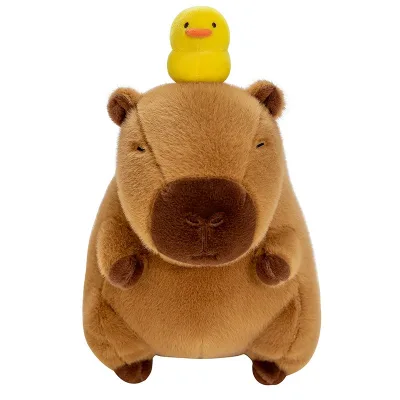
$4.5553 - $5.592
MOQ: 100 Minimum
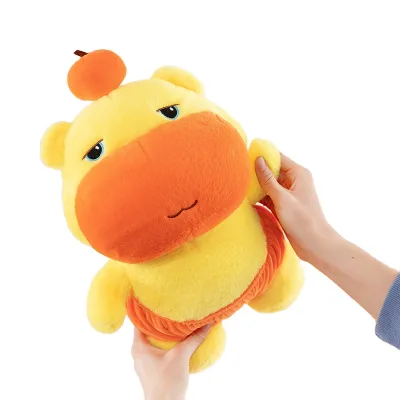
$2.5656 - $9.359
MOQ: 20 Minimum
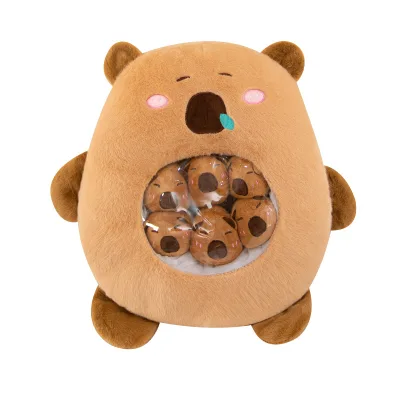
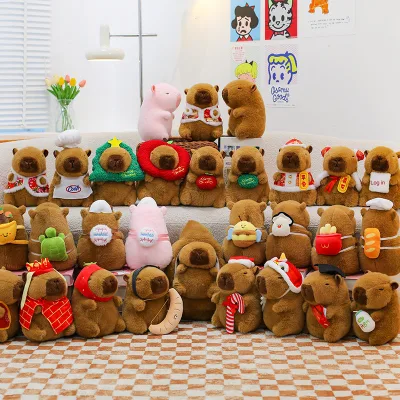
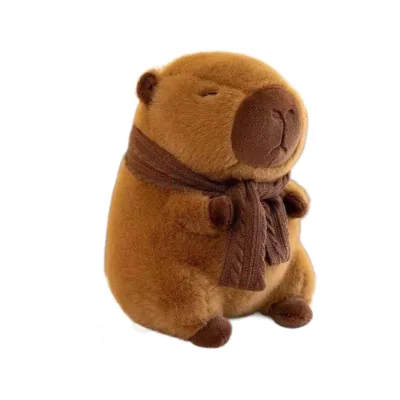
Wholesale Custom Embroidered Capybara Plush Toy for Kids Stress Relief Stuffed Animal with Scarf
$2.60 - $13.00
MOQ: 60 Minimum
- Verified by Intertek
- Trading Company
- Lead time15 days
- Avg. response≤ 3h
Main productsPlush Toy
Main marketsNorth America(60%), Western Europe(20%), Eastern Europe(15%)

Guangxi Peirou Technology Information Co., Ltd.
- Verified by BV
- Trading Company
- China Guangxi
- Lead time15 days
- Avg. response≤ 3h
Main productsToy, Plush Toy, Customized Toys, Wholesale Plush Toy, Plush Bear, Plush Doll Toy, Plush Toy Bear, Pet Toy
Main marketsEast Asia(Japan/ South Korea),Europe,Australia,North America
Jiangsu Kangyu Arts& Crafts Co., Ltd.
- Verified by SGS Group
- Manufacturer, Trading Company
- Lead time30 days
- Avg. response≤ 9h
Main productsPlush Toys, Pet Toys, Pillow and Cushion, Slippers
Main marketsNorth America(40%), South America(20%), Oceania(10%)
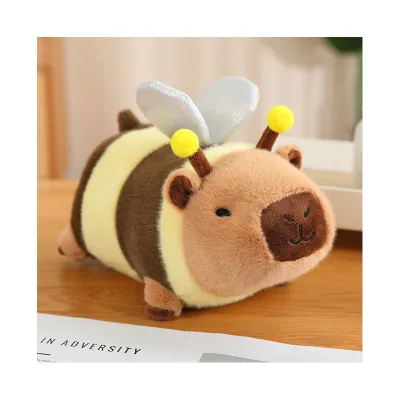
Cute Family Kawaii Capybara Plush Capybara Stuffed Animal Pillow Toy for Gift
$3.38 - $3.94
MOQ: 1 pieces
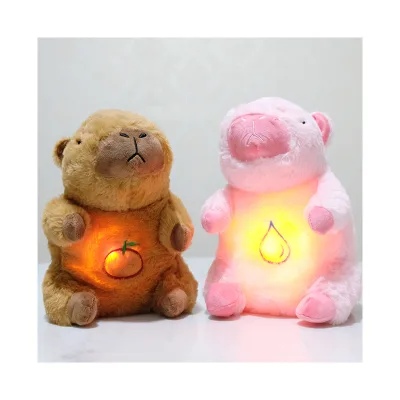
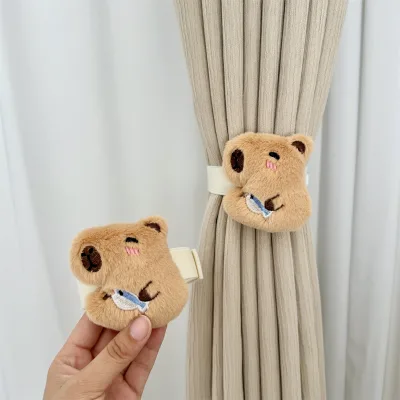
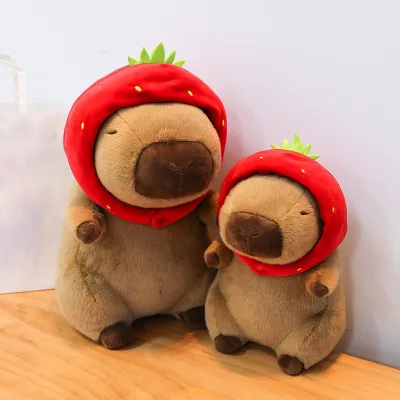
Hot Sales Capibara Peluche Cute Different Size Capybara Plush Stuffed Animal Toy for Kids Gifts
$4.20 - $5.39
MOQ: 20 pieces
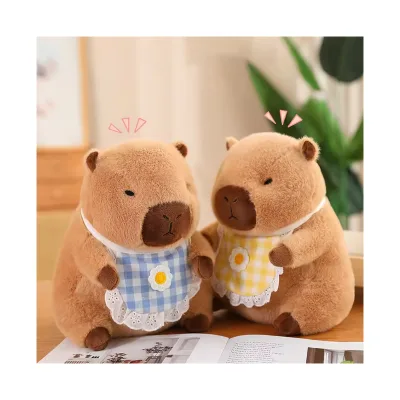
OEM Customized High Quality Cartoon Capybara Plush Cotton Stuffed Animal Dolls
$4.7363 - $6.0259
MOQ: 20 pieces
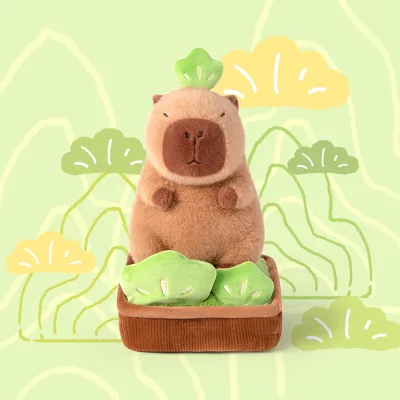
New Capybara Plush Animal Toys Cute Potted Capybara Dolls Home Decoration Children's Gifts
$6.1216 - $7.1135
MOQ: 10 pieces

Yangzhou Lucky Bear Craft & Gifts Co., Ltd.
- Verified by TUVRHEINLAND
- Trading Company
- China Jiangsu
- Lead time30 days
- Avg. response≤ 3h
Main productsTeddy Bear, Plush Toy, Stuffed Animal, Toy Shoes, Baby Toy, Rocking Horse, Unstuffed Animal Skin, Indoor Slippers, Snow Boots, Promotional Toys
Main marketsEurope,North America


Hotsale Stuffed Toy Plush Animal Soft Brown Capybara Plushie Gifts for Boys and Girls
$2.85 - $3.45
MOQ: 50 Pieces
Yangzhou Lutus Houseware Co., Ltd.
- Trading Company
- Jiangsu, China
- Lead time0 days
- Avg. response≤ 1h
Main productsPlush Toys,Slippers,Household Products
Main marketsNorth America(40.00%), Western Europe(10.00%), Southeast Asia(10.00%), Eastern Europe(10.00%), Mid East(10.00%), Southern Europe(5.00%), Northern Europe(5.00%), Africa(5.00%), South America(5.00%)
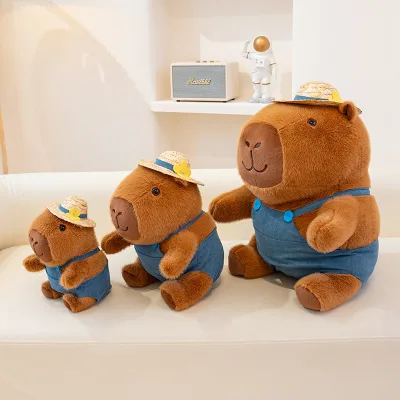
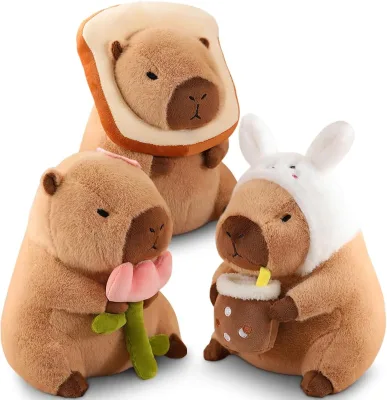
$3.7101 - $4.0886
MOQ: 1000 pieces
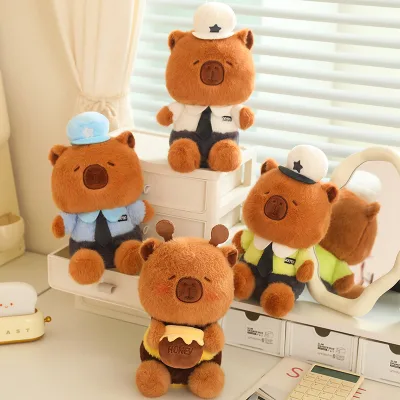
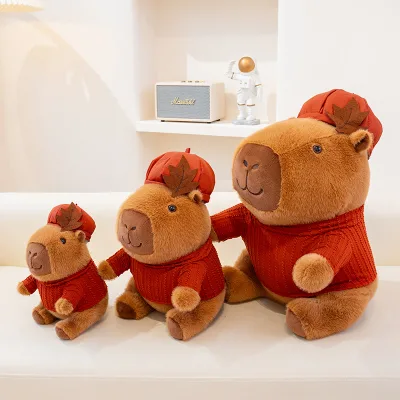
Guangzhou Little Tiger Dolphin Toy Trading Co., Ltd.
- Manufacturer, Trading Company
- Guangdong, China
- Lead time15 days
- Avg. response≤ 1h
Main productsPlush Toys,Plush bags and suitcases,Plush Pendants,Plush Holiday Gifts,High-quality Keychains
Main marketsDomestic Market(40.00%), North America(16.00%), South America(11.00%), Southeast Asia(8.00%), Mid East(4.00%), Eastern Europe(4.00%), Oceania(4.00%), South Asia(3.00%), Southern Europe(2.00%), Northern Europe(2.00%), Eastern Asia(2.00%), Western Europe(2.00%), Africa(1.00%), Central America(1.00%)
- Verified by TüVRheinland
- Manufacturer, Trading Company
- Lead time10 days
- Avg. response≤ 4h
Main productsPlush Toys
Main marketsNorth America(45%), Western Europe(30%), Southeast Asia(20%)
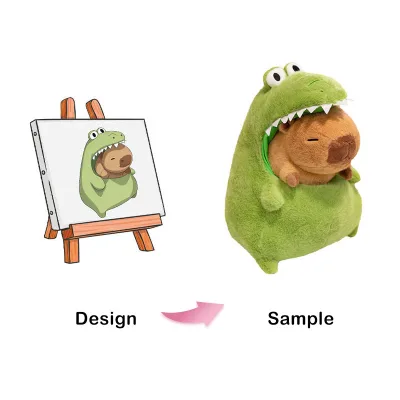
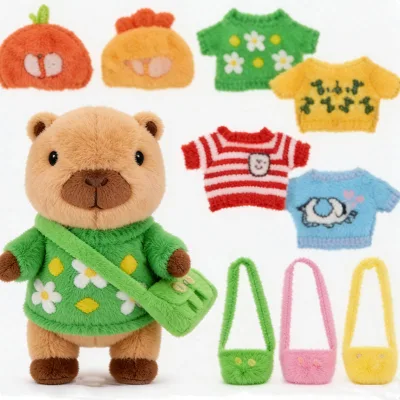
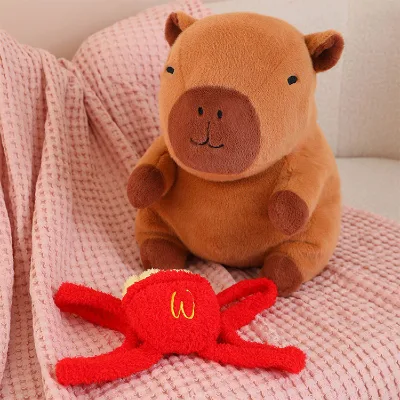
Cute Backpack Kapybara Toy Stuffed Animals Customised Plush Toys Custom Animal Toys for Kids
$3.27 - $3.65
MOQ: 10 pieces

Ningbo General Union Co., Ltd.
- Verified by BV
- Trading Company
- China Zhejiang
- Lead time30 days
- Avg. response≤ 10h
Main productsChristmas Tree, Party Supply, Christmas Ball, LED Light Strip, Halloween Product, Holiday Decoration, Santa Claus, Valentine's Day Product, Balloon Decoration, Birthday Decoration
Main marketsSouth America,Southeast Asia/ Mideast,Europe,North America

2025 Christmas Capybara Plush Toy Soft Kawaii Capybara Stuffed Animal Toy Kids Capybara Navidad Gift
$2.99 - $3.39
MOQ: 200 Pieces


- Verified by SGS
- Trading Company
- China Shandong
- Lead time23 days
- Avg. response≤ 3h
Main productsStuffed Toy, Children Toy, Pet Toy, Engine Crystal, Plush Toy, Stuffed Animal, Soft Toy, Teddy Bear, Crystal Broom, Pet Accessories
Main marketsSoutheast Asia/ Mideast,Europe
Shandong Beibao Gifts Co., Ltd.
- Verified by TüVRheinland
- Manufacturer, Trading Company
- Lead time15 days
- Avg. response≤ 13h
Main productsPlush Toys
Main marketsCentral America(25%), North America(15%), Northern Europe(15%)
Shenzhen Hongyi New Energy Technology Co., Ltd.
- Verified by TüVRheinland
- Trading Company
- Lead time30 days
- Avg. response≤ 3h
Main productsPlush Toy, Custom Plush Toy, Vinyl Face Plush, Blind Box, Anime Figure
Main marketsNorth America(70%), Oceania(5%), Eastern Asia(5%)
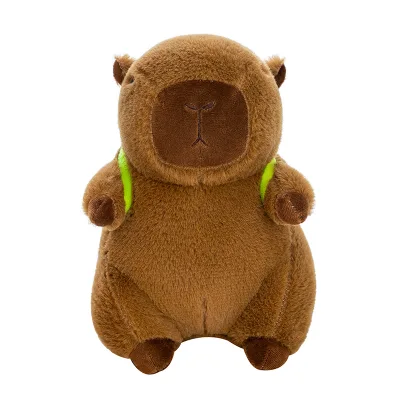
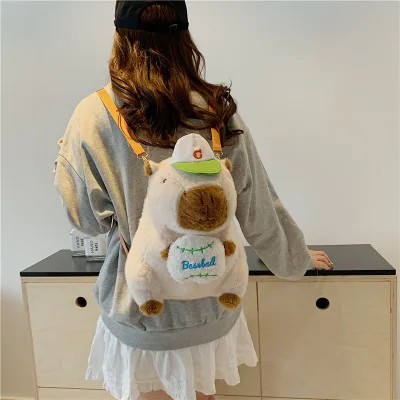
$3.9973 - $5.0221
MOQ: 20 pieces

QUANZHOU LUCKY STAR LIGHT INDUSTRIAL ARTCRAFTS CO., LTD.
- Verified by SGS
- Trading Company
- China Fujian
- Lead time30 days
- Avg. response≤ 13h
Main productsPromotion Gifts, Toys, Stationery, Water Bottle, Wristband, Badge, Fridge Magnet, Electronic Toys, Eraser, Notebook
Main marketsEurope

$2.69 - $10.89
MOQ: 2000 Pieces


- Trading Company
- zhejiang, China
- Lead time15 days
- Avg. response≤ 4h
Main productsPLUSH TOY,BACKPACK,PVC KEYCHAIN
Main marketsNorth America(50.00%), South America(25.00%), Eastern Europe(15.00%), Africa(5.00%), Southeast Asia(5.00%)
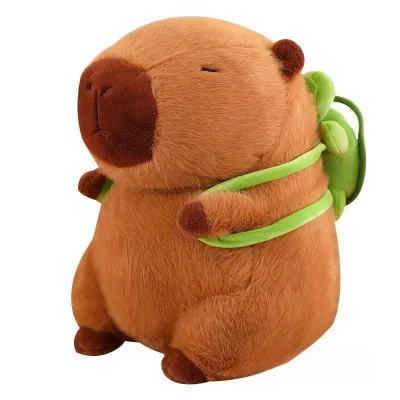
Hot Selling Wholesale Soft Cute Kawaii Plushies Children Capybara Stuffed Plush Toy Animal Plush Toy
$2.2455 - $5.9197
MOQ: 10 Minimum
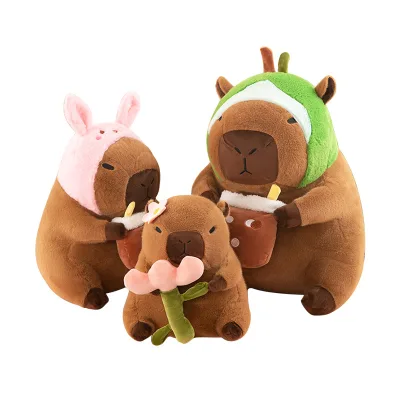
$3.1955 - $6.8008
MOQ: 5 Minimum

Yancheng Joy Foundationcultural Creativity Co., Ltd.
- Verified by SGS
- Combined
- China Jiangsu
- Lead time15 days
- Avg. response≤ 4h
Main productsCustom Plush Toy, Plush Stuffed Animals, Plush Bag, Plush Slipper, Plush Keychain, Plush Coin Pouch
Main marketsSoutheast Asia/ Mideast,Domestic,Europe,North America

Custom Kawaii Egg Shape Capybara Ultra Soft Plush Toy for Kids Hugging PP Cotton Filling Toys
$3.49 - $4.28
MOQ: 50 Pieces

$3.00 - $6.00
MOQ: 50 Pieces


Factory High Quality Low Minimum Order Quantity Custom Capybara Animal Plush Toy for Children
$3.00 - $6.00
MOQ: 50 Pieces
- Trading Company
- Hunan, China
- Lead time0 days
- Avg. response≤ 3h
Main productsPlush toy,Plush Throw Pillow,Pillow with blanket,Plush sofa and cushion,plush keychain
Main marketsNorth America(50.00%), Eastern Europe(20.00%), Northern Europe(10.00%), Mid East(10.00%), Oceania(5.00%), South America(5.00%)
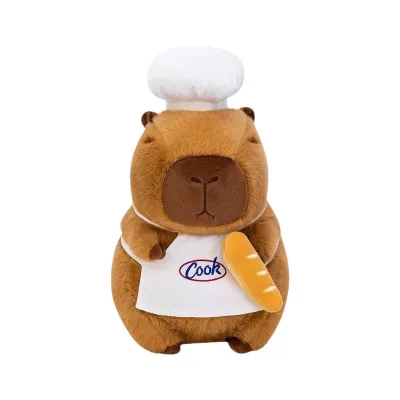
$1.7428 - $4.4072
MOQ: 50 Minimum

Yangzhou City Caisheng Handicraft Product Co., Ltd.
- Verified by TUVRHEINLAND
- Trading Company
- China Jiangsu
- Lead time30 days
- Avg. response≤ 2h
Main productsPlush Toy, Teddy Bear, Baby Toy, Pillow, Cushion, Slipper, Puppet, Doll, Plush Bag, Pet Toy
Main marketsNorth America

- Verified by TUVRHEINLAND
- Trading Company
- China Zhejiang
- Lead time15 days
- Avg. response≤ 7h
Main productsToys
Main marketsEast Asia(Japan/ South Korea),Europe,North America
Baoding Bududu Toy Manufacturing Co., Ltd.
- Verified by SGS Group
- Manufacturer, Trading Company
- Lead time15 days
- Avg. response≤ 2h
Main productsPlush animal toys, Plush Key Chains, Plush throw pillows, Customized plush toys, Plush backpacks
Main marketsDomestic Market(90%), North America(5%), Western Europe(5%)
Nanjing Babytop International Trading Co., Ltd.
- Trading Company
- Jiangsu, China
- Lead time35 days
- Avg. response≤ 10h
Main productsplush toy,baby toy,pet products,pet food,festival toys
Main marketsNorth America(50.00%), Africa(10.00%), Eastern Europe(10.00%), South America(10.00%), Southern Europe(5.00%), Northern Europe(5.00%), Central America(5.00%), Southeast Asia(5.00%)
Yangzhou Amy Rabbit Electronic Commerce Co., Ltd.
- Verified by TüVRheinland
- Manufacturer, Trading Company
- Lead time20 days
- Avg. response≤ 2h
Main productsPlush Toys
Main marketsNorth America(60%), Western Europe(20%), Northern Europe(20%)
$3.0563 - $5.3512
MOQ: 50 Minimum
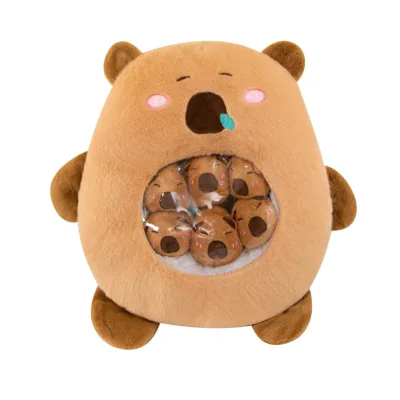
$4.5793 - $7.0686
MOQ: 20 Minimum

Dongguan Mayachi Gifts & Toys Co., Ltd.
- Verified by BV
- Combined
- China Guangdong
- Lead time45 days
- Avg. response≤ 4h
Main productsPlush Animals, Pillows/Cushions, Plush Dolls, Baby Toys, Shopping Bags, Plush School Bags, Pencil Bags/Holders, Phone Cases/Holders, Finger/Hand Puppets, Christmas Hat and Stockings
Main marketsDomestic,Europe,Australia,North America


Manufacturer Stuffed Animal Toys High Quality Tiny Personalized Capybara Plush Toy
$4.11 - $4.88
MOQ: 500 Pieces

- Verified by TUVRHEINLAND
- Trading Company
- China Jiangsu
- Lead time30 days
- Avg. response≤ 3h
Main productsPlush Toy, Teddy Bear, Baby Toy, Pet Toy, Puppet, Doll, Plush Bag, Slippers, Cap, Electric Toy
Main marketsNorth America

Summer Interesting Capybara Soft Fluffy Stuffed Wholesale Plush Animal Custom Gift Toys
$2.00 - $5.00
MOQ: 1000 Pieces

Cross-Dressing Plush Stuffed Soft Cute Capybara Toy Doll with Custom Clothes
$1.49 - $15.99
MOQ: 1000 Pieces
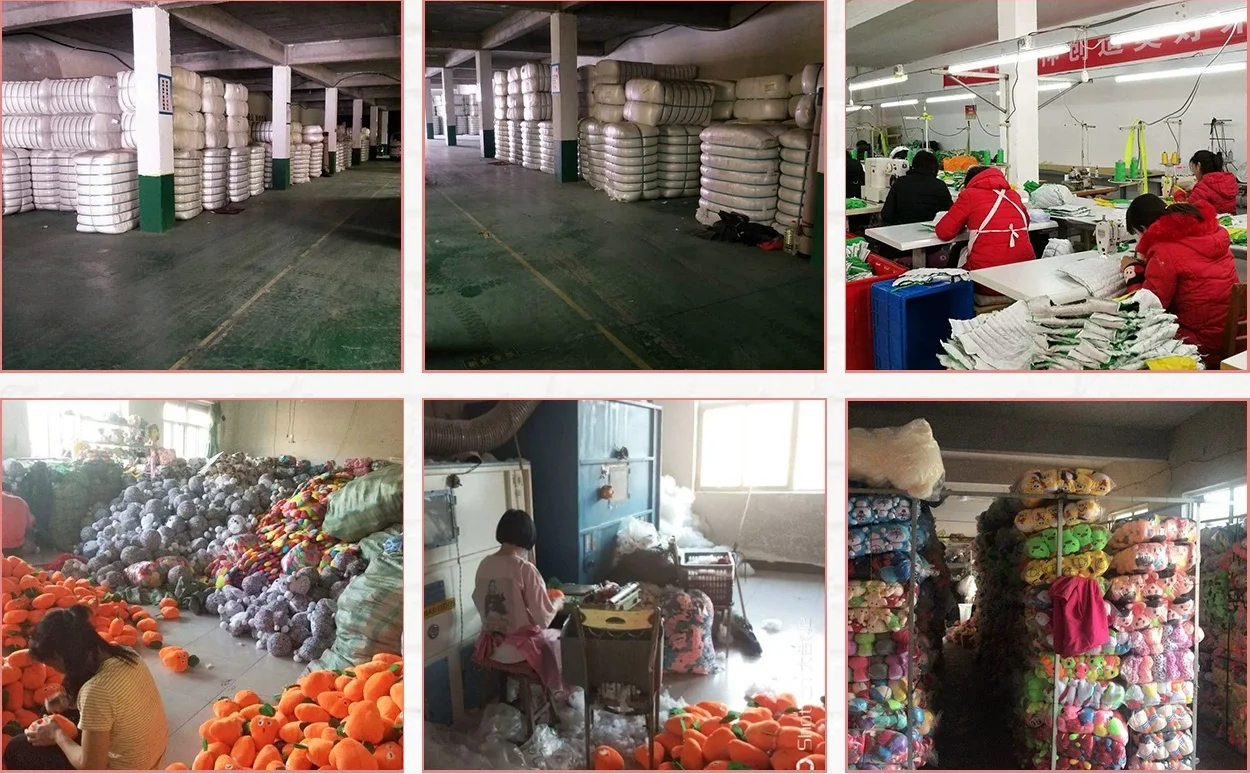
Shenzhen Ji Mi Technology Co., Ltd.
- Manufacturer, Trading Company
- Guangdong, China
- Lead time15 days
- Avg. response≤ 4h
Main productsSchool bag,Plush toy,Backpack,luggage and bags,toy
Main marketsNorth America(25.00%), Western Europe(20.00%), Domestic Market(10.00%), Southeast Asia(10.00%), Mid East(5.00%), Northern Europe(5.00%), Eastern Europe(5.00%), Eastern Asia(5.00%)
Shenzhen Levin Toys & Gifts Co., Limited
- Verified by TüVRheinland
- Manufacturer, Trading Company
- Lead time30 days
- Avg. response≤ 2h
Main productsCustom Plush Toys, Plush Stuffed Toys, Plush Animal Toys, Plush Pet Toys, Plush Infant Toys
Main marketsNorth America(45%), Western Europe(20%), South America(5%)
Yangzhou Jinrunan Maternal And Infant Supplies Co., Ltd.
- Trading Company
- Jiangsu, China
- Lead time15 days
- Avg. response≤ 3h
Main productsPlush Doll,Plush Cushion,Plush Slippers,Plush Bags,Plush Keychain
Main marketsSouthern Europe(10.00%), Northern Europe(10.00%), Central America(10.00%), Western Europe(10.00%), Mid East(10.00%), Southeast Asia(10.00%), Eastern Europe(10.00%), South America(10.00%), North America(10.00%), Domestic Market(5.00%), South Asia(5.00%)
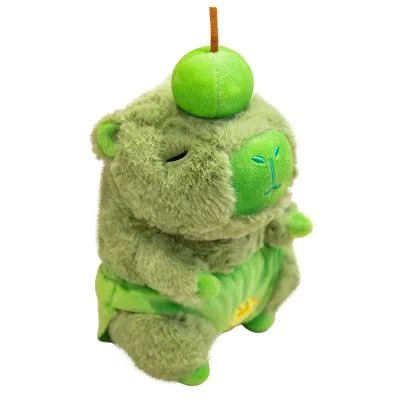
Naughty Baby Capybara Kawaii Stuffed Animal Pillow Cuddly Plush Toy with Snuggle Decor Features
$1.5543 - $2.8992
MOQ: 500 pieces
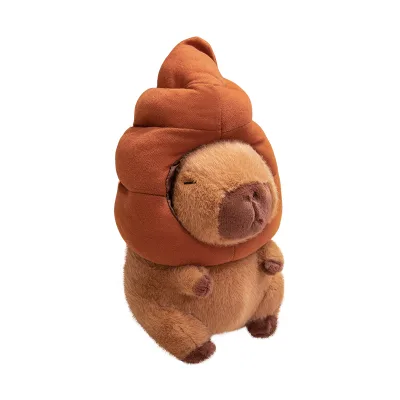

- Verified by SGS
- Trading Company
- China Zhejiang
- Lead time0 days
- Avg. response≤ 11h
Main productsTents, BBQ Grill, Luggage, Kids Toy, Fitness Equpments, Cookware, Kitchen Utensils and Gadgets, Yoga Mat, Bathroom Rugs, Pets Items
Main marketsSouth America,Eastern Europe,Mid East,North America,Southeast Asia,Eastern Asia,Oceania,Western Europe,Africa


Simulation Capybara Toy Cute Little Animal Doll Realistic Stuffed Animals Animal Plush Toys for Kids
$3.20 - $3.30
MOQ: 1000 Pieces

Jiangsu Su Yue Hometextile Co., Ltd.
- Verified by TUVRHEINLAND
- Combined
- China Jiangsu
- Lead time30 days
- Avg. response≤ 8h
Main productsSlipper, Toy, Cushion
Main marketsSoutheast Asia/ Mideast

Calming Capybara Toys Stuffed Animal Pillow Stress Relief Toy for All Ages
$3.00 - $7.00
MOQ: 1000 Pieces


Holiday Capybara Stuffed Toys Soft Plush for Christmas Bags and Gift Exchanges
$3.00 - $7.00
MOQ: 1000 Pieces

Pink Capybara Plush Toys Stuffed Animal Cute Birthday Gift for All Ages
$3.00 - $7.00
MOQ: 1000 Pieces

Capybara Plush Toy with Strawberry Backpack Series Pillow Doll for All Ages
$3.00 - $7.00
MOQ: 1000 Pieces

- Verified by TUVRHEINLAND
- Trading Company
- China Jiangsu
- Lead time30 days
- Avg. response≤ 3h
Main productsPet Products, Pet Food, Pet House, Pet Plush Toy, Pet Clothes, Pet Collar, Cat Litter, Pet Leash, Pet Harness
Main marketsNorth America

Capybara Fluffy Soft Plush Animal Mascot Doll with Basketball Bag Cute Toy
$0.50 - $3.00
MOQ: 2000 Pieces

Hot Sale Custom Plush Stuffed Soft Cartoon Capybara Toy Pillow Baby Cushion
$1.88 - $7.69
MOQ: 1000 Pieces
Yiwu Jinbiao Textile Co., Ltd.
- Trading Company
- Zhejiang, China
- Lead time0 days
- Avg. response≤ 6h
Main productsplush toys,custom plush toys toys,plush pillows,festive & party supplies,plush bags
Main marketsSouth America(12.00%), North America(12.00%), Domestic Market(11.00%), Eastern Europe(9.00%), Mid East(8.00%), South Asia(6.00%), Northern Europe(6.00%), Central America(6.00%), Southeast Asia(6.00%), Western Europe(5.00%), Southern Europe(5.00%), Eastern Asia(5.00%), Africa(5.00%), Oceania(4.00%)
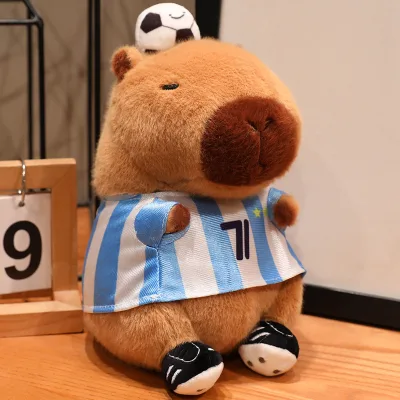
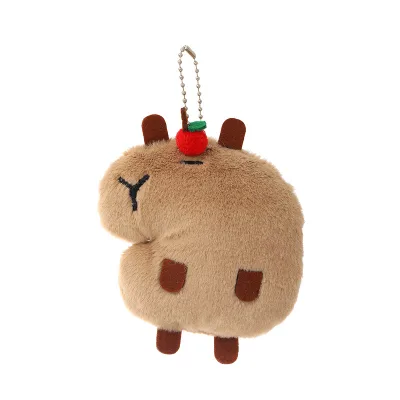
New Arrival Capybara Doll Capybara Creative Funny Stuffed Animal Plush Toy Squeaking Doll Plush Toys
$0.6149 - $0.8198
MOQ: 10 pieces
Jinhu Golden Sun Enterprise Co., Ltd.
- Verified by Intertek
- Trading Company
- Lead time30 days
- Avg. response≤ 18h
Main productsPlush Toys, Plush Bag And Backpack, Pillow And Cushion, Plush Animal Shoe, Gift And Promotion Toys
Main marketsSouth America(20%), Oceania(15%), North America(10%)
Hebei Xiongan Binzheng Toys Co., Ltd.
- Verified by TüVRheinland
- Manufacturer, Trading Company
- Hebei, China
- Lead time15 days
- Avg. response≤ 3h
Main productsBoba Plush Toys, Santa Claus Stuffed Toys, Bear With Rose Stuffed Animals, Long Cat Pillow Toys, Claw Machine Toys
Main marketsNorth America(50%), Western Europe(20%), Eastern Europe(15%)
Shanghai Rbin Industry And Trade Co., Ltd.
- Verified by TüVRheinland
- Trading Company
- Lead time45 days
- Avg. response≤ 3h
Main productsCustom Plush Toy, Plush Keychain, Pillow And Cushion, Stuffed Animal Toy, Plush Pet Toys
Main marketsNorth America(60%), Western Europe(20%), Southeast Asia(10%)
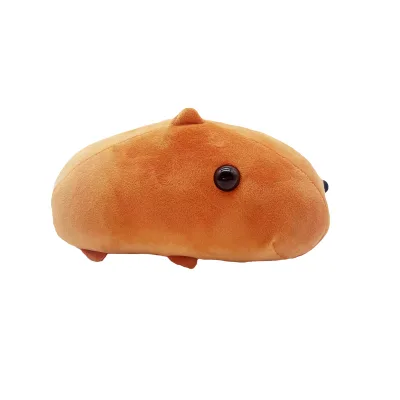


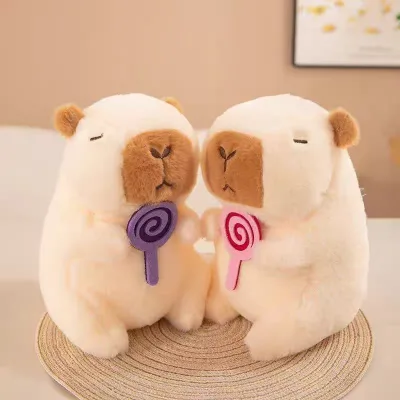
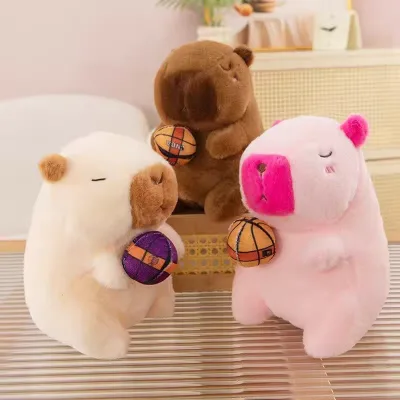
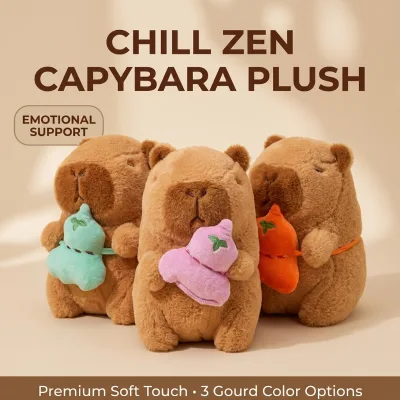


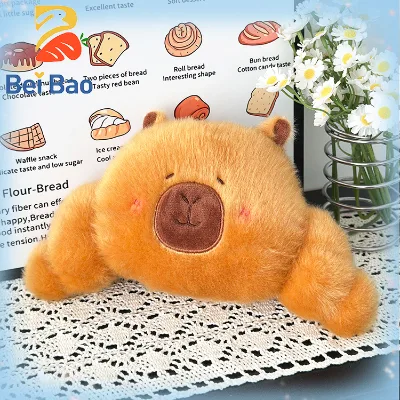
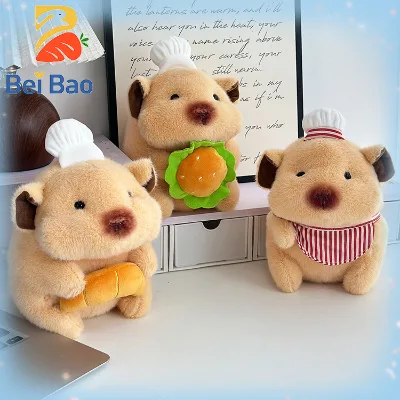
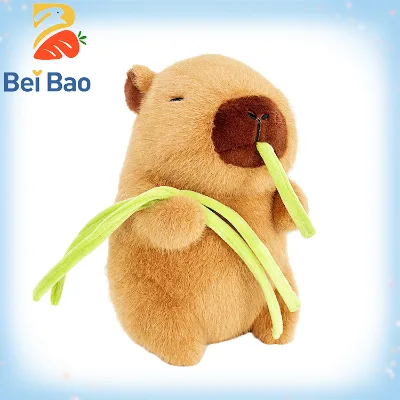
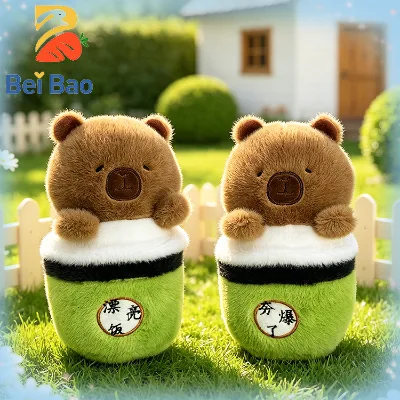


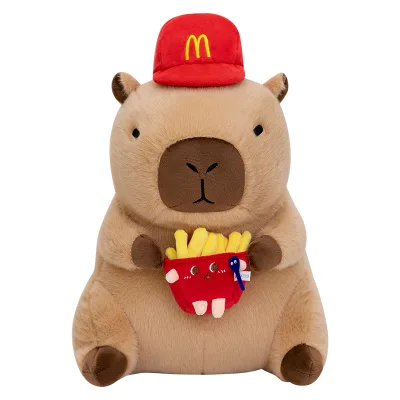
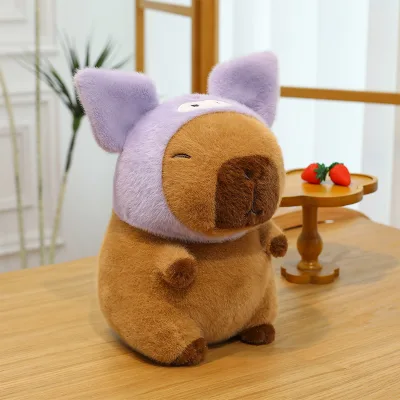
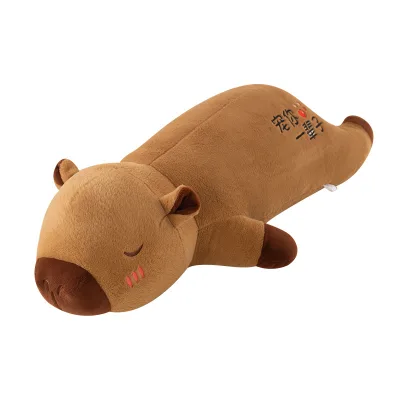
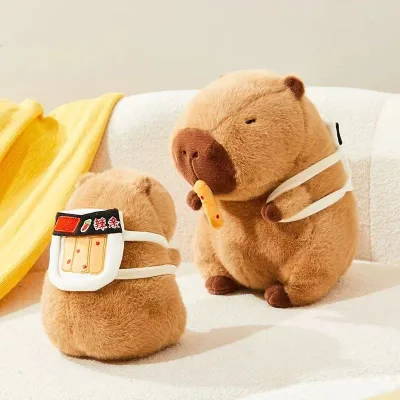
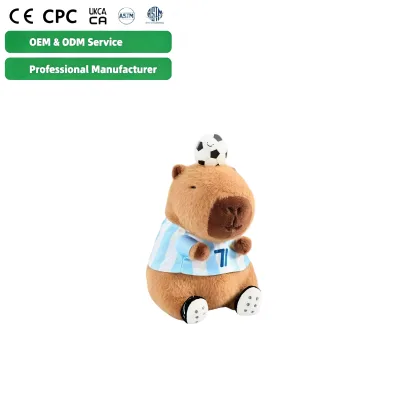
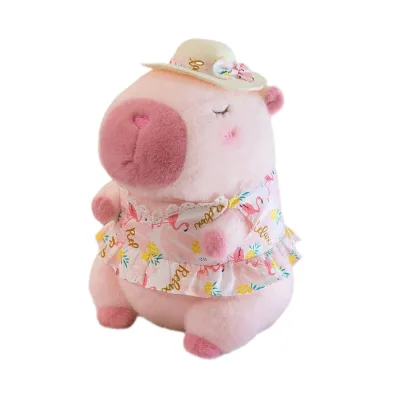
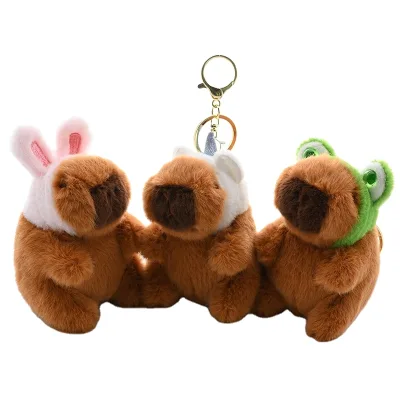
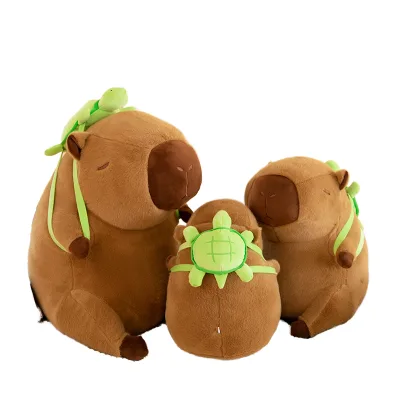
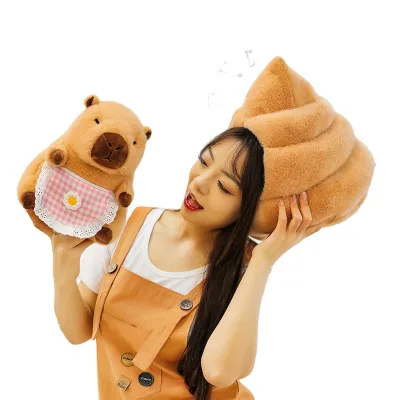
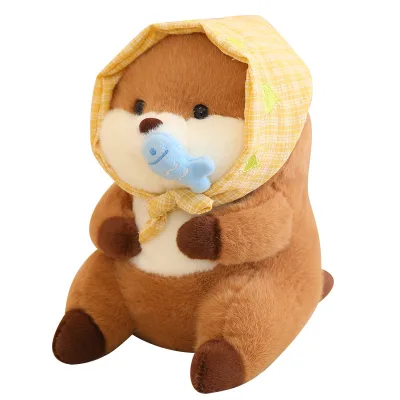
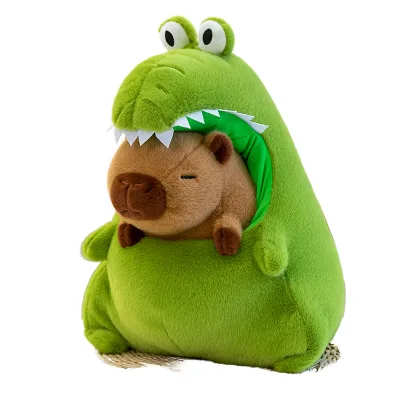
Comprehensive Sourcing Guide
Washed Kawaii Capybara Plush Toy Supplier Concentration and Factory Types
The current supplier landscape for washed kawaii capybara plush toys features a mix of manufacturing entities and trading companies, each offering distinct advantages for different procurement strategies. Manufacturers are often equipped with specific research and development capacities that include sample processing, graphic processing, and customized on-demand production services. This infrastructure allows for deeper integration of design changes, such as adjusting the plush material texture or modifying the internal filling composition to meet specific softness requirements. Trading companies, on the other hand, may aggregate products from multiple sources, potentially offering a broader variety of styles, such as realistic life-like dolls or cartoon-style accessories, without necessarily holding the same direct manufacturing capabilities. Buyers must carefully distinguish between these entity types to understand who holds the actual production control and quality assurance responsibility for their orders.
Location data indicates that production origins are primarily centered in Guangdong, China, with some specific product listings also citing Hebei, China as a place of origin. This geographic concentration suggests established industrial clusters where supply chains for polyester materials, PP cotton filling, and plush fabric processing are well-developed. When evaluating suppliers, buyers should verify the stated place of origin against the company’s registered address and factory audit reports to ensure authenticity. The presence of both Guangdong and Hebei origins highlights the importance of not assuming a single regional advantage for all suppliers. Understanding the specific manufacturing base helps in assessing logistics costs, communication time zones, and the likelihood of consistent quality control, as regional factories may have different operational standards and labor costs that directly impact the final product price and delivery reliability.
How to Verify Washed Kawaii Capybara Plush Toy Suppliers
Verification is a critical step in mitigating risk when sourcing washed kawaii capybara plush toys, as the market includes both verified manufacturers and trading companies with varying levels of transparency. Buyers should prioritize suppliers who have undergone third-party verification processes, such as those conducted by TÜV Rheinland or Intertek, which provide an additional layer of confidence regarding the supplier’s business legitimacy and operational capabilities. These verification badges indicate that an independent agency has inspected the supplier’s facilities, reviewed their business licenses, and confirmed their ability to fulfill orders as described. It is essential to check the specific verification status for each supplier individually, as not all suppliers in the search results may hold the same level of third-party endorsement, and relying on unverified entities can expose buyers to higher risks of non-delivery or quality discrepancies.
Beyond basic verification, buyers should scrutinize the system certifications held by the supplier to ensure compliance with international safety and quality standards. Relevant certifications for plush toys often include ISO 9001 for quality management, BSCI for social compliance, and specific toy safety standards such as EN 71, ASTM F963, CE, and CPC. For suppliers targeting the European market, compliance with (EC) 1907/2006 and CPSIA may also be relevant indicators of rigorous quality control. Buyers must request and validate these certification documents directly from the supplier, ensuring they are current and applicable to the specific products being ordered. The presence of these certifications suggests that the supplier has established processes for material testing, chemical safety, and mechanical integrity, which are crucial for products intended for children or stress relief use. Verifying these credentials helps ensure that the plush toys meet the legal and safety requirements of the target market, reducing the risk of customs holds or product recalls.
What to Compare Across Washed Kawaii Capybara Plush Toy Suppliers
When comparing suppliers, buyers should evaluate key operational metrics such as lead time, minimum order quantity (MOQ), and response time to determine which partner best aligns with their supply chain needs. Lead times can vary significantly, with some suppliers indicating a standard production period of around 15 days, while others may have different schedules based on order volume and customization complexity. MOQs are another critical differentiator, ranging from low thresholds like 20 pieces for certain customized items to higher volumes such as 100 or 200 pieces for standard products. Understanding these thresholds helps buyers assess the financial risk of initial orders and the flexibility of the supplier to accommodate small batch testing or large-scale production runs. Additionally, response time, often measured in hours, serves as an indicator of the supplier’s communication efficiency and customer service quality, which is vital for resolving issues quickly during the production process.
Product specifications and customization capabilities should also be closely compared to ensure the final product meets the desired aesthetic and functional requirements. Suppliers may offer different main materials, such as 100% polyester short plush or super soft plush, and various filling options like PP cotton, which affect the toy’s texture and durability. Customization options, including embroidered details, specific character designs like Capybara or Lulu, and packaging variations, should be evaluated against the buyer’s brand guidelines. Price ranges also vary, with some products starting at lower price points for basic designs and increasing for more complex or larger items. Buyers should request detailed quotations that break down costs based on material, labor, and customization fees to make accurate comparisons. By systematically analyzing these dimensions, buyers can identify suppliers that offer the best balance of cost, quality, and service for their specific business model.
Common Washed Kawaii Capybara Plush Toy Sourcing Risks
One significant risk in sourcing washed kawaii capybara plush toys is the potential discrepancy between product samples and bulk production quality. Suppliers may provide high-quality samples that do not accurately represent the materials or craftsmanship used in mass production, leading to customer dissatisfaction and returns. This risk is particularly relevant when dealing with trading companies that may not have direct control over the manufacturing process or when suppliers use different batches of plush fabric or filling materials. Buyers should insist on pre-shipment inspections and, if possible, conduct third-party quality checks before final payment is released. Ensuring that the bulk production matches the approved sample in terms of color, size, stitching, and softness is crucial for maintaining brand reputation and avoiding costly disputes.
Another risk involves intellectual property and design infringement, especially when ordering customized plush toys with specific character designs or branded elements. Some suppliers may use unlicensed characters or designs that violate copyright laws, exposing buyers to legal liabilities in their target markets. Buyers must ensure that all designs are original or properly licensed before placing orders. Additionally, the use of non-compliant materials, such as those containing harmful chemicals or failing to meet safety standards like EN 71 or ASTM F963, poses a serious risk to consumer safety and regulatory compliance. Buyers should verify that all materials used in production are certified and tested, and request test reports from accredited laboratories. By proactively addressing these risks through due diligence and clear contractual agreements, buyers can protect their business from potential legal and financial setbacks.
Washed Kawaii Capybara Plush Toy Regional Sourcing and Logistics
Regional sourcing decisions significantly impact logistics costs and delivery timelines for washed kawaii capybara plush toys. Suppliers located in Guangdong, China, benefit from established export infrastructure and proximity to major ports, which can facilitate faster shipping and lower freight costs for international buyers. However, buyers should also consider suppliers in other regions, such as Hebei, China, which may offer competitive pricing but potentially different logistical advantages or challenges. The choice of origin affects not only shipping duration but also the reliability of supply chain partners, including freight forwarders and customs brokers. Buyers should evaluate the supplier’s experience in exporting to their specific destination country, as familiarity with local regulations and documentation requirements can streamline the import process and reduce the risk of delays at customs.
Packaging and handling requirements also play a crucial role in regional logistics planning. Plush toys are often bulky and require efficient packaging to minimize shipping volume and costs. Suppliers may offer various packaging options, such as OPP bags, vacuum packing, or customized boxes, each with different implications for storage and transportation. Buyers should discuss packaging specifications with suppliers to ensure that the products are protected during transit and meet the storage requirements of their warehouses. Additionally, the weight and dimensions of the packaged products will influence freight charges, so accurate information from suppliers is essential for calculating total landed costs. By carefully considering regional logistics factors, buyers can optimize their supply chain for efficiency and cost-effectiveness, ensuring that products arrive in good condition and on time.
Washed Kawaii Capybara Plush Toy Commercial Terms and Order Planning
Commercial terms and order planning are essential components of a successful sourcing strategy for washed kawaii capybara plush toys. Buyers should negotiate clear payment terms, such as using secure payment methods like escrow, to protect their financial interests until the goods are received and verified. Understanding the supplier’s payment structure, including deposit requirements and balance payment schedules, helps in managing cash flow and reducing financial risk. Additionally, buyers should clarify the terms of delivery, such as Incoterms, to determine who is responsible for shipping, insurance, and customs clearance. Clear communication of these terms prevents misunderstandings and ensures that both parties have a shared understanding of their obligations throughout the transaction process.
Order planning should also account for the supplier’s production capacity and lead times to avoid delays in meeting market demand. Buyers should discuss their volume requirements and delivery schedules with suppliers well in advance, allowing for adequate production planning and material procurement. For customized orders, additional time may be needed for design approval, sample production, and revisions, so buyers should factor these steps into their overall timeline. Establishing a long-term relationship with a reliable supplier can also provide benefits such as priority production slots and more flexible order adjustments. By carefully planning orders and negotiating favorable commercial terms, buyers can build a resilient supply chain that supports their business growth and customer satisfaction goals.
FAQs
What certifications do these plush toys have?
Manufacturers typically hold ISO 9001, BSCI, EN 71, ASTM F963, CE, and CPC certifications. Trading companies may provide EN 71, CPSIA, CE, and CPC compliance. These standards ensure safety for children and meet international quality requirements for stuffed animal exports.
What is the typical lead time for orders?
The standard lead time is approximately 15 days for production. This duration allows for sample processing, graphic processing, and customized manufacturing on demand. Buyers should confirm exact timelines with suppliers, as rush orders or complex customizations may extend the delivery schedule.
What are the minimum order quantities?
MOQs vary significantly by product type. Some items require a minimum of 20 pieces, while others demand 60, 100, or 200 units. Buyers seeking low MOQs should filter for specific listings, as standard wholesale orders often require higher volumes to secure pricing.
How quickly do suppliers respond to inquiries?
Response times are generally fast, averaging around 2 to 3 hours. This rapid communication helps buyers clarify customization details, pricing tiers, and shipping logistics efficiently. Quick responses indicate active supplier engagement and readiness to support international B2B transactions promptly.
What materials are used in these plush toys?
Most toys use 100% polyester short plush or super soft plush materials filled with PP cotton. These fabrics provide a soft texture suitable for stress relief and children's play. The main material ensures durability and comfort, meeting common consumer preferences for high-quality stuffed animals.
Are these toys verified for safety?
Yes, many suppliers are verified by TüV Rheinland or Intertek. These third-party verifications confirm that the manufacturing processes and product quality meet specific international standards. Buyers can rely on these credentials to ensure the plush toys are safe for their target markets.
Can I customize the design of the plush toy?
Customization is widely available, including sample processing, graphic processing, and on-demand customization. Suppliers accept OEM and ODM requests, allowing buyers to modify sizes, colors, and packaging. This flexibility supports unique branding needs for retail or promotional stuffed animal products.