Source Japanese Kawaii Washed Plush Bag for Travel, Daily Use, and Gifts
Compare 30 listings for the Japanese Kawaii Washed Plush Bag, featuring soft comfort, lightweight design, and customizable logos. Buyers can review specifications like size, material, and production time to find the right supplier for travel, daily use, or gifting needs.
Updated
Key considerations
Products List


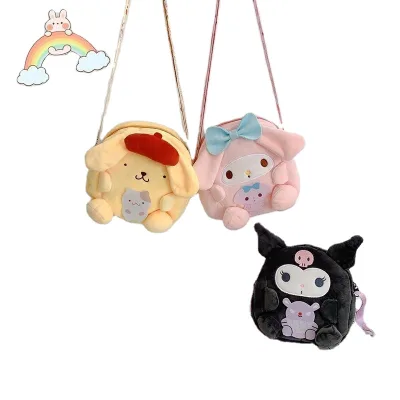
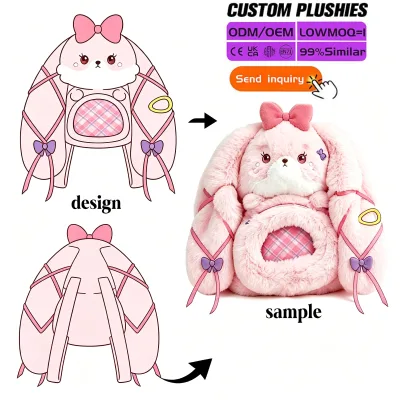
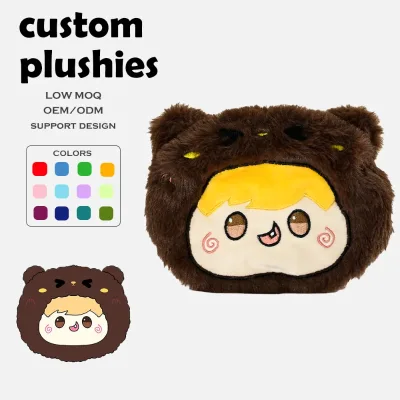
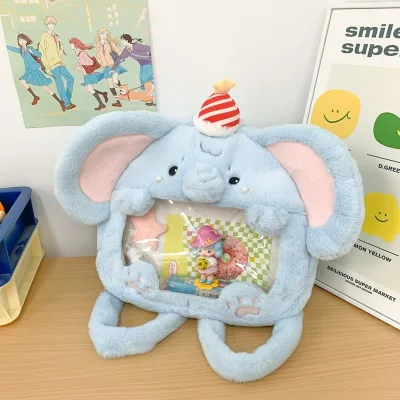
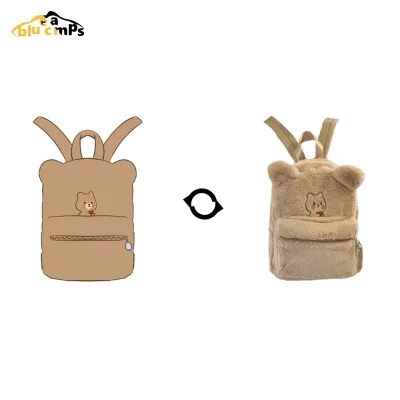
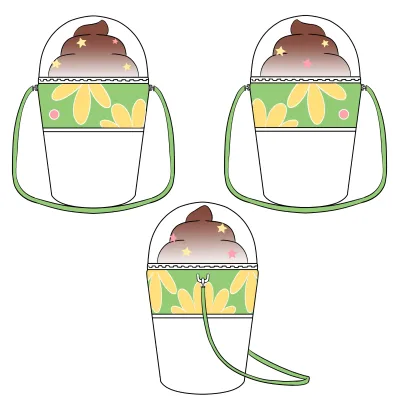
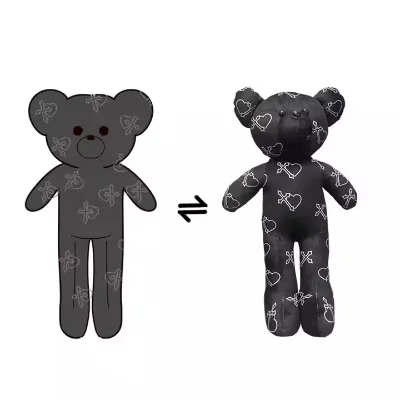
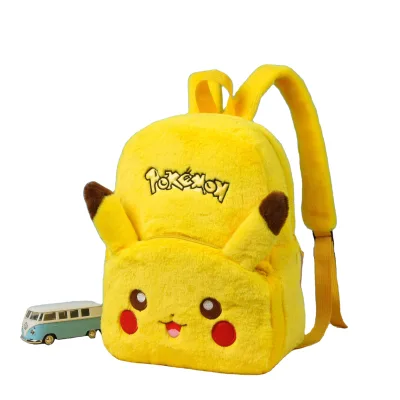
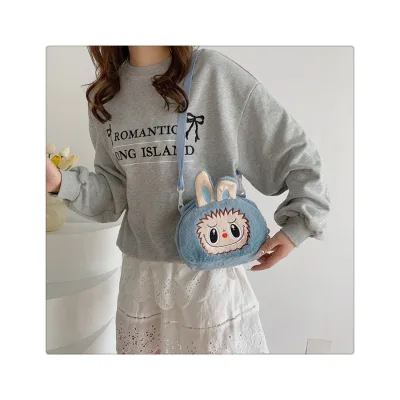
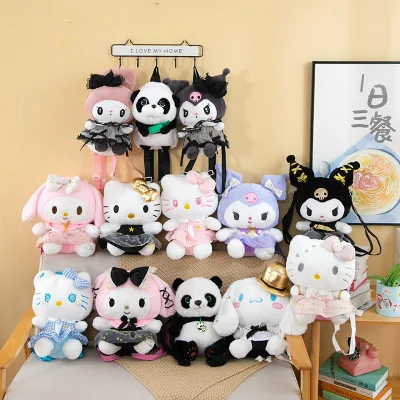
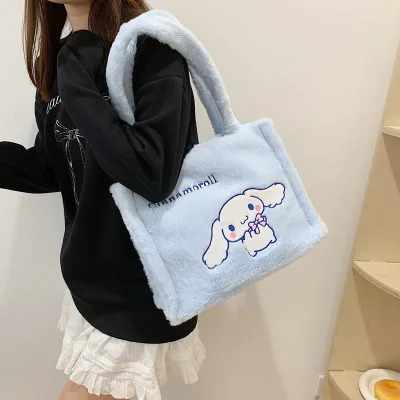
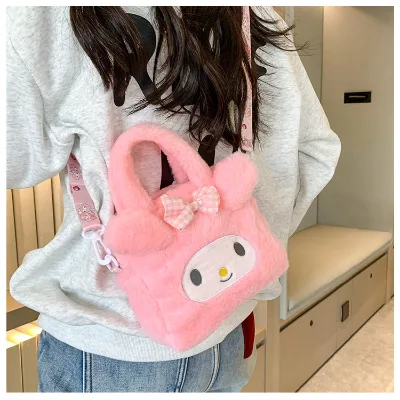


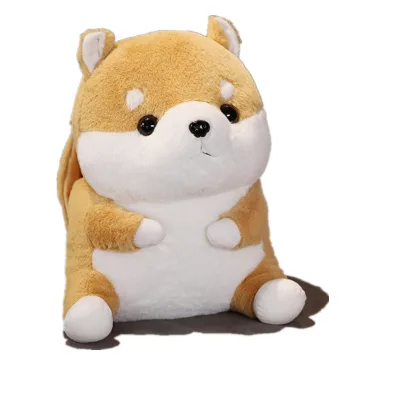
Custom Plush Cartoon Bag Cute Dolls Stuffed Dog Backpack Custom Plush Bag
$7.99 - $9.99
MOQ: 100 Pieces



Comprehensive Sourcing Guide
Japanese Kawaii Washed Plush Bag Sourcing Guide
Sourcing Japanese kawaii washed plush bags requires a nuanced understanding of aesthetic trends and material quality. These items typically feature soft, textured fabrics that evoke a sense of comfort and nostalgia, aligning with the popular "kawaii" culture. Buyers must prioritize suppliers who demonstrate expertise in creating these specific visual styles, ensuring the final product matches the intended cute and fashionable appeal. The market demand for such accessories is driven by their versatility as both daily use items and gifts, making them a staple in retail assortments.
Procurement teams should focus on verifying the authenticity of the "washed" finish, which contributes to the bag's unique tactile experience. This finish often involves specific textile treatments that enhance softness and durability. It is crucial to request physical samples to assess the hand-feel and visual texture before committing to large orders. Understanding the specific style nuances, such as England style or Japan style influences, helps in selecting designs that resonate with target demographics. This attention to detail ensures the product meets the high aesthetic standards expected in this niche market.
Product Scope and Observed Listing Signals
The observed product listings indicate a strong emphasis on customization and personalization. Buyers can expect options for custom logos, labels, and hang tags, allowing for brand integration. The product attributes suggest a focus on soft, comfortable materials, with plush being the main material. Listings often highlight features like lightweight construction and cartoon patterns, which are central to the kawaii aesthetic. The availability of OEM/ODM services indicates that suppliers are equipped to handle bespoke design requests, catering to diverse brand identities.
Commercial signals from the listings reveal a flexible approach to order quantities and pricing. The observed MOQ range spans from 3 to 100 units, suggesting accessibility for small businesses and startups. Prices observed range from 1.09 to 15 USD, reflecting variations in complexity, material quality, and customization levels. The production time is noted to be around 20 days, or adjusted based on order quantity, providing a baseline for supply chain planning. These signals help buyers gauge the scalability and responsiveness of potential suppliers in the market.
Technical Specifications to Verify
Technical verification should begin with material composition and construction quality. The main material is typically plush, with polyester lining for durability and ease of maintenance. Buyers must confirm the specific type of plush used, as it affects the bag's texture and longevity. The closure type is often a zipper, ensuring security for contents. Additionally, the interior compartment design should be evaluated for practicality, especially if the bag is intended for daily commute or travel. Verifying these details ensures the product meets functional requirements.
Dimensions and weight are critical specifications to validate. Observed sizes include dimensions like 182010cm, with a single gross weight of approximately 0.555 kg. These metrics are essential for logistics planning and cost estimation. Buyers should also check the single package size, which is often around 30X30X30 cm, to optimize shipping efficiency. The capacity is noted to be between 1-1.9L, suitable for small essentials. Confirming these technical details prevents discrepancies between ordered and delivered goods.
Compliance and Safety Documentation
Compliance is paramount when sourcing plush products, especially those marketed towards children or as gifts. Buyers must verify that suppliers hold relevant certifications such as CE, En71, ASTM, CPSIA, and Reach. These certifications indicate adherence to international safety and quality standards. The presence of BSCI and ISO9001 certificates further suggests a commitment to ethical manufacturing and quality management systems. Requesting these documents is a non-negotiable step in the supplier qualification process.
Testing reports are another crucial aspect of compliance. Buyers should ask for test results based on ASTM and En71 standards to ensure the product is free from harmful substances. The sample time of 3-7 working days allows for thorough evaluation of these documents. It is also important to verify that the product meets the specific regulatory requirements of the target market. This proactive approach mitigates risks associated with non-compliance and potential product recalls, ensuring a smooth entry into the market.
Cost Drivers and Commercial Terms
Several factors influence the cost of Japanese kawaii washed plush bags. Customization options, such as unique designs, logos, and packaging, significantly impact pricing. The complexity of the design, including the number of colors and patterns, also plays a role. Buyers should negotiate clearly on these variables to avoid unexpected cost increases. The observed price range of 1.09 to 15 USD reflects these variations, with higher prices corresponding to more intricate customizations.
Commercial terms, including MOQ and lead times, are key considerations. The flexible MOQ range of 3 to 100 units offers flexibility for different business sizes. However, larger orders may benefit from volume discounts. The production time of about 20 days is a standard benchmark, but it can vary based on order quantity and customization complexity. Buyers should plan their inventory accordingly, considering the sample time and production lead times. Clear communication of these terms helps in managing expectations and cash flow.
Supplier Qualification and Quality Control
Supplier qualification involves assessing their capability to deliver consistent quality. Buyers should verify the supplier's production capacity and experience in manufacturing plush products. The origin of the products, often from Jiangsu, China, is a common source for such items. Evaluating the supplier's track record and client testimonials can provide insights into their reliability. It is also important to check their ability to handle custom orders efficiently, given the high demand for personalized products.
Quality control measures should be established before production begins. Buyers should define clear quality standards and inspection criteria. Regular communication with the supplier during the production process helps in addressing any issues promptly. Requesting pre-shipment inspections ensures that the final products meet the agreed-upon specifications. This proactive approach minimizes the risk of receiving substandard goods and helps maintain brand reputation. Establishing a robust QC process is essential for long-term success.
Long-Term Procurement Checks
Long-term procurement success depends on continuous monitoring and relationship management. Buyers should regularly review supplier performance metrics, such as on-time delivery and product quality. Building a strong relationship with suppliers can lead to better pricing and priority service. It is also important to stay updated on market trends and consumer preferences to ensure the product offerings remain relevant. Adapting to changes in the kawaii fashion landscape is crucial for maintaining competitiveness.
Sustainability and ethical sourcing are increasingly important considerations. Buyers should encourage suppliers to adopt environmentally friendly practices and ethical labor standards. Verifying compliance with BSCI and ISO9001 standards supports these efforts. Additionally, exploring opportunities for product innovation, such as new materials or designs, can drive growth. By focusing on these long-term aspects, buyers can build a resilient and sustainable supply chain that supports business objectives.
FAQs
Can I customize the logo on the plush backpack?
Yes, customers logo customization is available for this product. You can provide your own design or artwork to be printed on the plush material. This allows for unique branding opportunities for gifts or corporate events. The customization process is supported by the manufacturer's OEM and ODM capabilities, ensuring your specific requirements are met accurately.
What certifications does the plush doll product hold?
The product holds CE, En71, ASTM, Cpsia, and Reach certifications. Additionally, it meets BSCI and ISO9001 standards for quality and social responsibility. These certifications ensure the plush items are safe for children and comply with international safety regulations. The testing also adheres to ASTM and En71 standards, providing assurance for global market distribution and retail compliance.
What is the production time for custom orders?
The production time is about 20 days, or according to order quantity. This timeline allows for the hand-made crafting and customization of each item. For sample orders, the sample time is 3-7 working days. Bulk production schedules may vary based on the specific number of products ordered, so it is best to confirm lead times with the supplier directly.
What is the MOQ for this customized plush backpack?
The observed MOQ range for these products is 3 to 100 units. This flexible minimum order quantity allows buyers to test the market or order small batches for specific needs. The exact MOQ may depend on the customization level and production schedule. Buyers should confirm the specific MOQ with the supplier to ensure it aligns with their procurement volume and budget constraints.
What materials are used in the plush backpack?
The main material is plush, providing a soft and comfortable feel. The interior lining is made of polyester, offering durability and structure. The bag features a zipper closure and a soft handle strap. It is designed for daily use and travel, with a capacity of 1-1.9 liters. The lightweight construction makes it suitable for everyday commuting and casual outings.
Where is the plush backpack manufactured?
The product originates from Jiangsu, China. This location is known for its manufacturing capabilities in plush and textile goods. The factory adheres to international standards and certifications, ensuring quality control throughout the production process. Buyers can rely on the established supply chain in this region for consistent delivery and reliable manufacturing practices for their custom orders.