Eco Friendly Mascot Plush Toy Suppliers and Manufacturers
Find 31 verified suppliers offering eco friendly mascot plush toys with customizable shapes and certifications like CE, EN71, and ASTM. Compare response times, lead times, and MOQs to source efficiently. Contact suppliers directly to request samples and confirm production details.
Updated
Suppliers List

Shanghai David International Trade Co., Ltd.
- Verified by TUVRHEINLAND
- Combined
- China Shanghai
- Lead time15 days
- Avg. response≤ 9h
Main productsPromotional Gifts, Gift Sets, Tshirts, Hats, Hot Packs, Hot Cold Packs, Ice Packs, Bags, Umbrellas, Water Bottles
Main marketsSouth America,Africa,Southeast Asia/ Mideast,East Asia(Japan/ South Korea),Domestic,Europe,Australia,North America

Yangzhou Lucky Bear Craft & Gifts Co., Ltd.
- Verified by TUVRHEINLAND
- Trading Company
- China Jiangsu
- Lead time30 days
- Avg. response≤ 3h
Main productsTeddy Bear, Plush Toy, Stuffed Animal, Toy Shoes, Baby Toy, Rocking Horse, Unstuffed Animal Skin, Indoor Slippers, Snow Boots, Promotional Toys
Main marketsEurope,North America

Lianyungang Hongwen Toys Co., Ltd.
- Verified by SGS
- Combined
- China Jiangsu
- Lead time23 days
- Avg. response≤ 8h
Main productsCustom Plush Backpack, Stuffed Toy, Custom Plush Pillow, Custom Plush Doll, Custom Plush Toy, Custom Hold-All, Plush Pillow, Animal Plush, Stuffed Plush Toys, Plush Toy Animals
Main marketsAfrica,Southeast Asia/ Mideast,East Asia(Japan/ South Korea),Domestic,Europe,Australia,North America


Cartoon Mushroom Plush Animal Toy Custom Plushie Mascot Soft Plush Mushroom Toy
$1.50 - $3.00
MOQ: 100 Pieces


Custom Plush Rabbit Toy Character Plushie Custom Dolls Design Stuffed Animal Toy
$2.00 - $5.00
MOQ: 100 Pieces
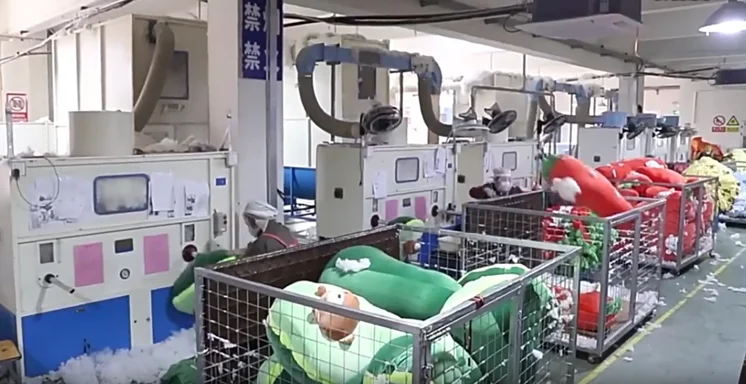
Yancheng Dreamon Toys Co., Ltd.
- Trading Company
- Jiangsu, China
- Lead time30 days
- Avg. response≤ 2h
Main productsToys,Art and crafts
Main marketsNorth America(50.00%), Western Europe(20.00%), Southeast Asia(10.00%), Eastern Asia(10.00%), South America(5.00%), Eastern Europe(5.00%)
Shenzhen Levin Toys & Gifts Co., Limited
- Verified by TüVRheinland
- Manufacturer, Trading Company
- Lead time30 days
- Avg. response≤ 2h
Main productsCustom Plush Toys, Plush Stuffed Toys, Plush Animal Toys, Plush Pet Toys, Plush Infant Toys
Main marketsNorth America(45%), Western Europe(20%), South America(5%)

Pakfoon Trading Company Limited
- Verified by SGS
- Trading Company
- China Guangdong
- Lead time15 days
- Avg. response≤ 6h
Main productsPlush Toy, PVC Toy, Pet Toy, Baby Toy, Soft Toy, Functional Toy, Stuffed Toy, Stuffed Animal
Main marketsEast Asia(Japan/ South Korea)

Plush Toy Eco Factory Kids CE Toys Plushies Cartoon Teddy Toy Customized Dolls Animal Sale Doll
$3.00 - $4.00
MOQ: 500 Pieces


OEM Plush Toy Toy Doll Cute Kids Children Toys Cartoon Animal Plushies Eco Sale New Factory
$3.00 - $4.00
MOQ: 500 Pieces

$3.00 - $4.00
MOQ: 500 Pieces

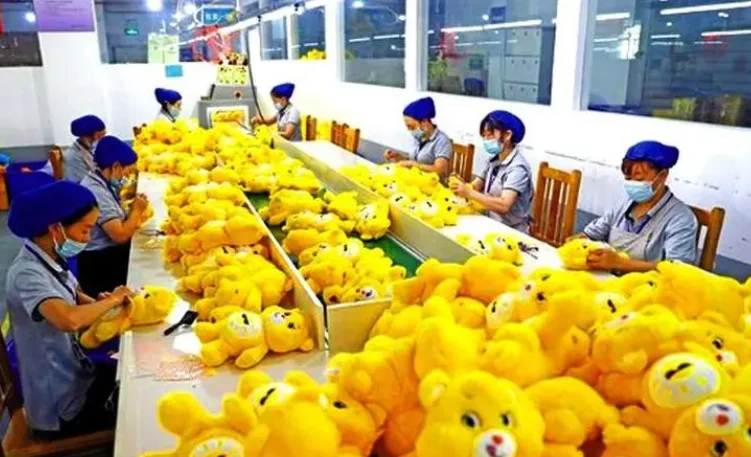
Dongguan Ai Cheng Toys Co., Ltd.
- Manufacturer
- Guangdong, China
- Lead time25 days
- Avg. response≤ 8h
Main productsplush toys,plush pillow,plush bag,plush puppet,plush slippers
Main marketsWestern Europe(20.00%), Eastern Europe(20.00%), Domestic Market(20.00%), Central America(20.00%), South America(10.00%), North America(10.00%)

Hangzhou Tianyuan Pet Products Co., Ltd.
- Verified by TUVRHEINLAND
- Combined
- China Zhejiang
- Lead time30 days
- Avg. response≤ 13h
Main productsPet Beds, Cat Trees, Pet Products, Pet Accessories, Pet Supplies, Pet Collar, Pet Toy, Pet Brush, Pet Bowl, Pet Clothes
Main marketsEurope,North America
Shenzhen Linglong Toys And Gifts Co., Ltd.
- Verified by SGS Group
- Manufacturer, Trading Company
- Lead time15 days
- Avg. response≤ 2h
Main productsPlush Toys, Pet Toys, Keychains, Home Goods, IP Licensed Merchandise
Main marketsNorth America(30%), Domestic Market(30%), Western Europe(20%)
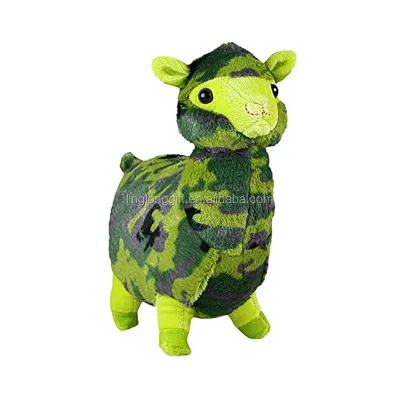
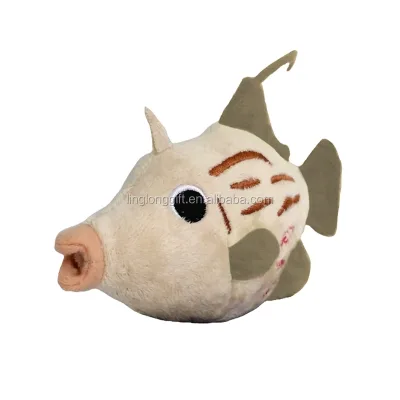
$2.2425 - $5.0183
MOQ: 1000 pieces
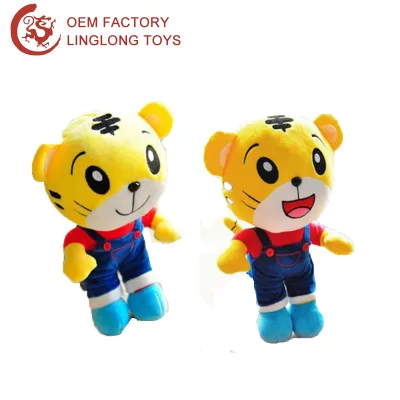
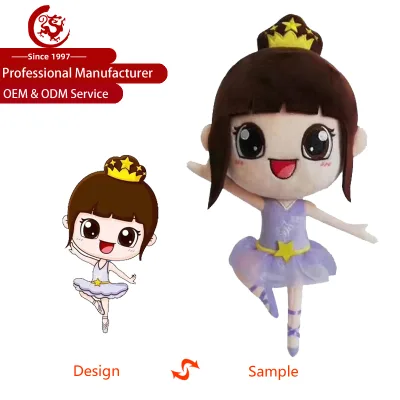
- Verified by TüVRheinland
- Manufacturer, Trading Company
- Jiangsu, China
- Lead time7 days
- Avg. response≤ 2h
Main productsPlush Toys, Bags, Slippers, Pillow, Festival Gifts
Main marketsNorth America(30%), Western Europe(20%), Northern Europe(20%)
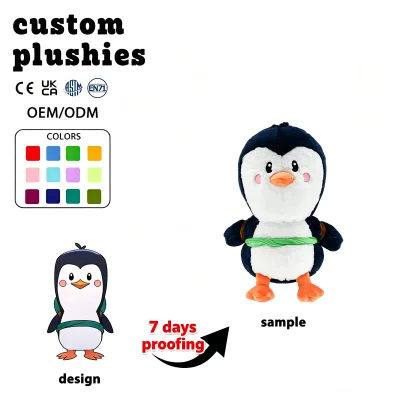
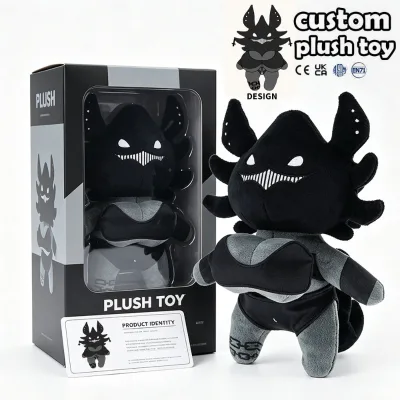
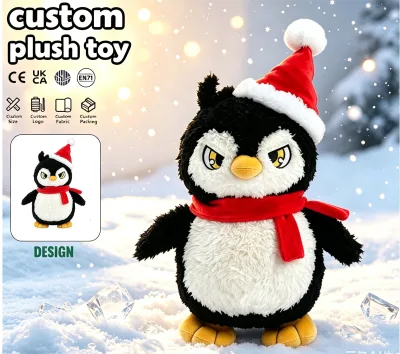
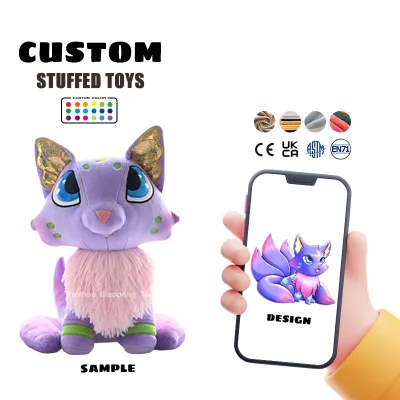
Hot Sale Purple Fox Plush Toy High Quality Promotional Mascot Stuffed Animals Custom Cartoon Plushie
$3.5862 - $5.6355
MOQ: 100 pieces
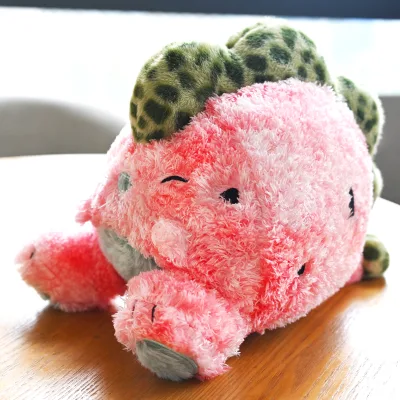
Mascot Plush Toy Manufacturer High Quality pink Dinosaur Cotton Plush Animal Toys Soft Doll Custom
$3.0649 - $5.1142
MOQ: 1 pieces
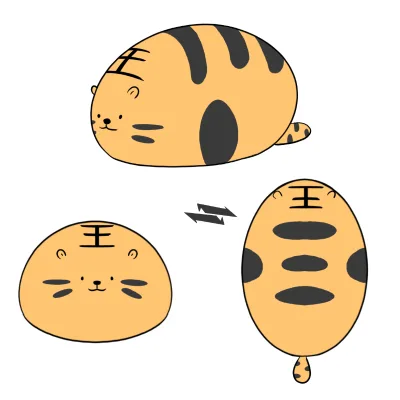
$4.90 - $6.90
MOQ: 100 pieces

Huizhou Reliant Trading Co., Ltd.
- Verified by SGS
- Trading Company,Manufacturer/Factory
- China Guangdong
- Lead time23 days
- Avg. response≤ 19h
Main productsPlush Toy, Plush Pillow, Hat & Cap, Promotional Gift
Main marketsSouth America,Eastern Europe,Mid East,North America,Eastern Asia,Western Europe,Africa
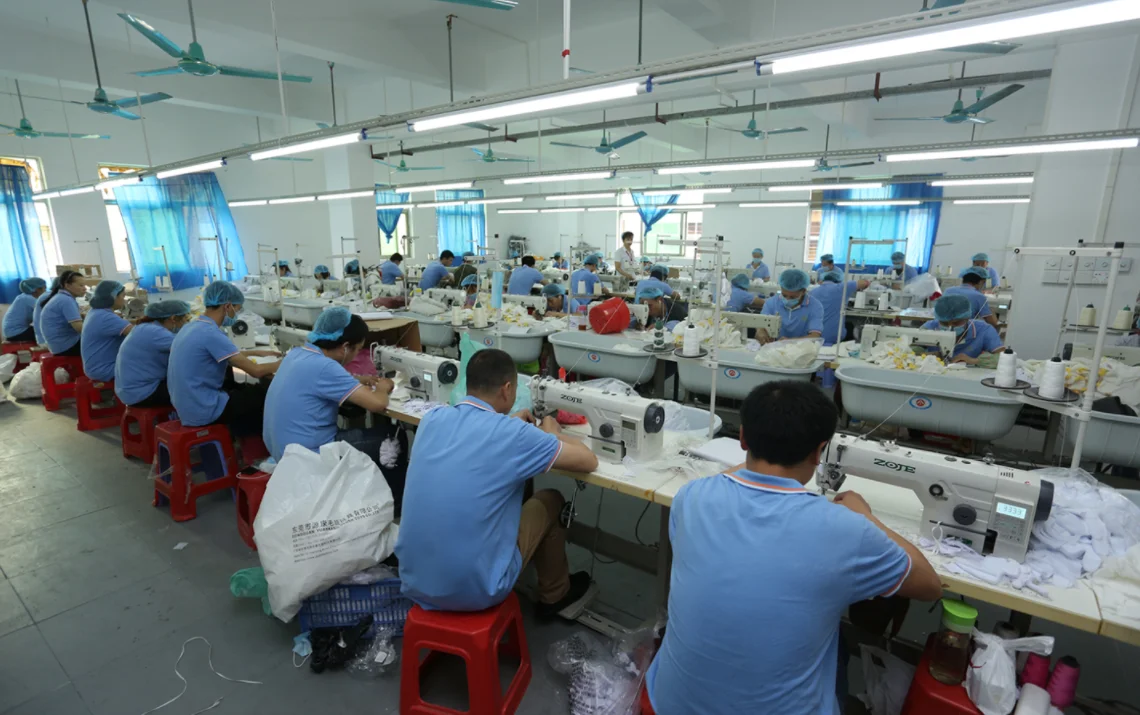
Dongguan Domi Toys & Gifts Co., Ltd.
- Manufacturer, Trading Company
- Guangdong, China
- Lead time15 days
- Avg. response≤ 7h
Main productsPlush Toys,Plush Pillow Cushion Toys,Plush Keychain & Decoration,Plush Cartoon Toys,Plush Multi Function Toys
Main marketsNorth America(35.00%), Western Europe(15.00%), Northern Europe(10.00%), South America(10.00%), Eastern Asia(10.00%), Domestic Market(10.00%), Eastern Europe(5.00%), Southern Europe(5.00%)
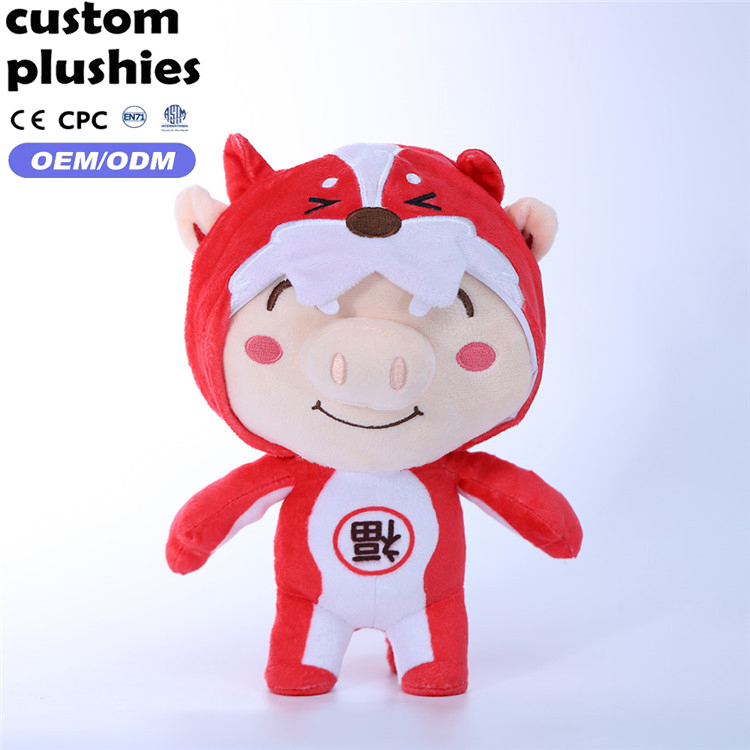
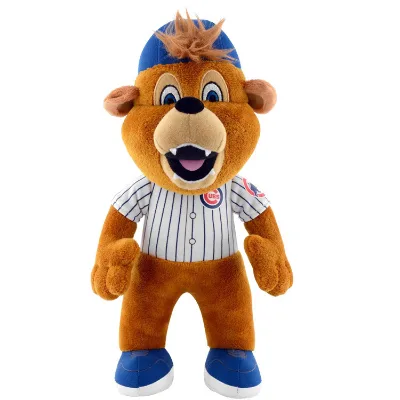
Factory OEM Creative Team Plush Mascot Cartoon Animal Stuffed Plush Doll Custom Soft Toy for Gift
$4.6663 - $5.7029
MOQ: 500 pieces

- Verified by TUVRHEINLAND
- Trading Company
- China Jiangsu
- Lead time30 days
- Avg. response≤ 3h
Main productsPet Products, Pet Food, Pet House, Pet Plush Toy, Pet Clothes, Pet Collar, Cat Litter, Pet Leash, Pet Harness
Main marketsNorth America
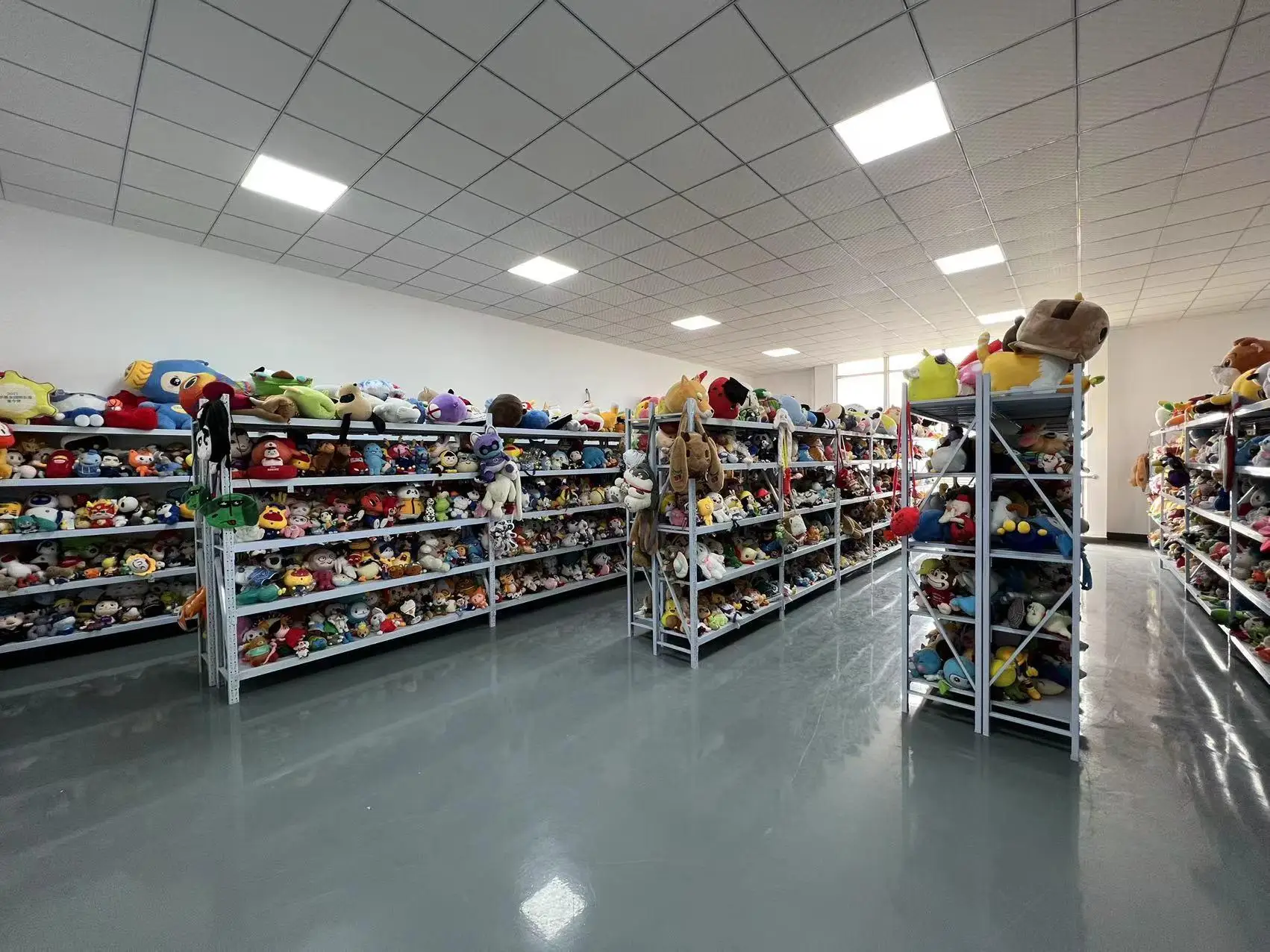
Changsha Fluffy Dream toy Co., Ltd.
- Trading Company
- Hunan, China
- Lead time25 days
- Avg. response≤ 2h
Main productsCustom plush toys,Stuffed Animal Toys,Plush keychain,Plush cushion,Creative plush products
Main marketsNorth America(60.00%), Eastern Europe(10.00%), Southeast Asia(5.00%), Northern Europe(4.00%), Oceania(4.00%), Western Europe(3.00%), Mid East(3.00%), South America(3.00%), Central America(2.00%), Southern Europe(2.00%), Domestic Market(1.00%), South Asia(1.00%), Eastern Asia(1.00%), Africa(1.00%)

Qingdao Sanliang Yipin Network Technology Co., Ltd
- Verified by SGS
- Manufacturer/Factory
- China Shandong
- Lead time30 days
- Avg. response≤ 8h
Main productsBag, Plush Toys, Clothes, Pet Accessories, Jewellery
Main marketsSouth America,Eastern Europe,Mid East,North America,Southeast Asia,Eastern Asia,Oceania,Western Europe,Africa

Shanghai Touch Industrial Development Co., Ltd.
- Verified by TUVRHEINLAND
- Combined
- China Shanghai
- Lead time15 days
- Avg. response≤ 5h
Main productsInstant Hot Pack, Hot Cold Pack, Gel Eye Mask, Gel Ice Pack, Gel Bottle Cooler, Instant Ice Pack, Hand Warmer, Heat Pack, Cooling Scarf, Gel Beads
Main marketsSouth America,Others(foreignTradeCapacity.exportBusinessCapacityMarketOther),Southeast Asia/ Mideast,East Asia(Japan/ South Korea),Domestic,Europe,Australia,North America
- Verified by SGS Group
- Trading Company
- Lead time30 days
- Avg. response≤ 2h
Main productsPlush Toys, Mascot Costume, PVC/Resin Figures, Pet Toys, Craft Gifts
Main marketsNorth America(60%), Oceania(10%), Western Europe(8%)
- Verified by TüVRheinland
- Manufacturer, Trading Company
- Lead time10 days
- Avg. response≤ 4h
Main productsPlush Toys
Main marketsNorth America(45%), Western Europe(30%), Southeast Asia(20%)
YIWU DOLPHINESHOW TRADING CO.LTD
- Verified by SGS Group
- Trading Company
- Lead time25 days
- Avg. response≤ 4h
Main productsPlush Toys, Blankets, Plush Keychains and Travel Pillows, Plush Dolls, Pet Toys
Main marketsNorth America(40%), South America(30%), Southeast Asia(10%)
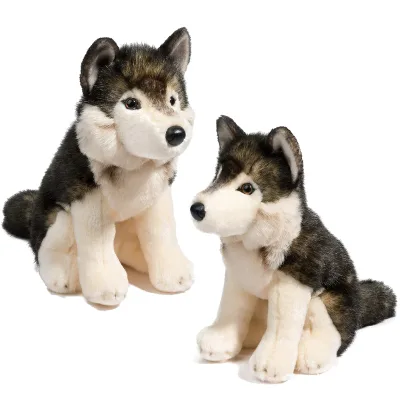
Realistic Grey Wolf Plush Stuffed Animal Pillows Toys Custom Mascot Plush Toys Wolf Soft Toys
$2.9615 - $4.9868
MOQ: 500 pieces
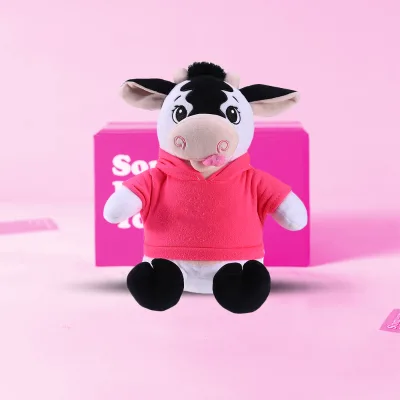
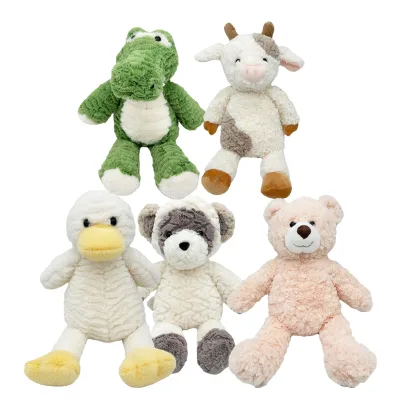
$1.6253 - $3.0649
MOQ: 500 pieces

Dongguan Lokwell Toys Co. Ltd.
- Trading Company,Manufacturer/Factory
- China Guangdong
- Lead time45 days
- Avg. response≤ 19h
Main productsPlush&Stuffed Toy, Fabrics Doll, Teddy Bear, Pet Toy, Cuddle Toy, Backpacks, Keychain, Cushion, Neck Pillow, Hand Puppets
Main marketsSouth America,Eastern Europe,Mid East,North America,Southeast Asia,Eastern Asia,Oceania,Western Europe,Africa
Yangzhou Jinrunan Maternal And Infant Supplies Co., Ltd.
- Trading Company
- Jiangsu, China
- Lead time15 days
- Avg. response≤ 3h
Main productsPlush Doll,Plush Cushion,Plush Slippers,Plush Bags,Plush Keychain
Main marketsSouthern Europe(10.00%), Northern Europe(10.00%), Central America(10.00%), Western Europe(10.00%), Mid East(10.00%), Southeast Asia(10.00%), Eastern Europe(10.00%), South America(10.00%), North America(10.00%), Domestic Market(5.00%), South Asia(5.00%)
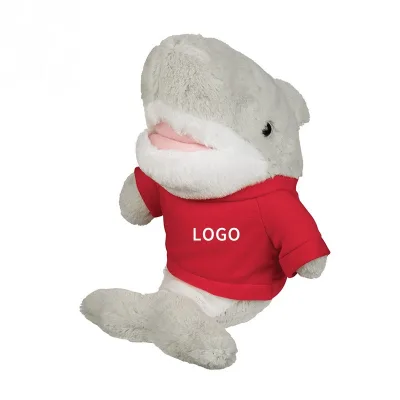
2024 Customized Shark Plush Toy Mascot Plush Soft Toy Stuffed Animal Custom
$2.5661 - $3.8993
MOQ: 200 pieces

$2.90 - $4.50
MOQ: 500 pieces
- Verified by Intertek
- Manufacturer, Trading Company
- Lead time25 days
- Avg. response≤ 5h
Main productsCustom Plush Toys , Custom Curtains, Plush Keychains Toys, custom Plush Backpacks
Main marketsNorth America(60%), Domestic Market(20%), Southeast Asia(7%)
Qingdao Honeyway Artwork Co., Ltd.
- Manufacturer, Trading Company
- Shandong, China
- Lead time50 days
- Avg. response≤ 8h
Main productsPlush Toys,stuffed animals,holiday gift,home decoration,pet toys
Main marketsNorth America(30.00%), Northern Europe(20.00%), Domestic Market(10.00%), Southeast Asia(10.00%), Southern Europe(10.00%), Oceania(8.00%), Eastern Europe(5.00%), Western Europe(5.00%), South America(1.00%), Mid East(1.00%)
Shenzhen Levin Plush Toys Co., Ltd.
- Verified by SGS Group
- Manufacturer, Trading Company
- Lead time30 days
- Avg. response≤ 3h
Main productsCustom Plush Toy, Plush Stuffed Toys , Plush Animals Toys, Plush Dolls, Plush Toys Infant
Main marketsNorth America(35%), Western Europe(25%), Eastern Europe(15%)

Shenzhen Yanlsle Cultural and Creative Technology Co., Ltd.
- Verified by SGS
- Trading Company
- China Guangdong
- Lead time15 days
- Avg. response≤ 7h
Main productsBrooch/Coin/Badge/Medal/Pin/Keychain
Main marketsDomestic

$5.00 - $5.50
MOQ: 100 Pieces

Custom Plush Toys Bestseller Personalization Plushie Therapy Comfort Custom Mascot
$5.00 - $5.50
MOQ: 100 Pieces

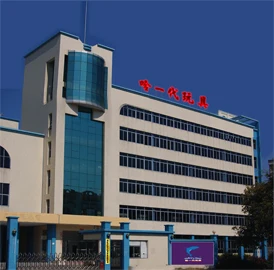
Guangdong Ha Yidai Toy Joint Stock Co., Ltd.
- Manufacturer
- Guangdong, China
- Lead time30 days
- Avg. response≤ 11h
Main productsStuffed Animals Plush Toys,Plush Mascot Toys,Custom Plush Doll,Electronic intelligent Plush Toys,Gift Plush Toys
Main marketsNorth America(30.00%), Western Europe(20.00%), Eastern Europe(20.00%), Domestic Market(20.00%), South America(10.00%)

- Combined
- China Jiangsu
- Lead time30 days
- Avg. response≤ 7h
Main productsCustom Plush Toy, Plush Doll
Main marketsSoutheast Asia/ Mideast,Europe,North America


Plush Toys Custom Mascot Custom Plushie Custom Stuffed Animal with ASTM CPC
$5.77 - $7.99
MOQ: 100 Pieces
- Verified by TüVRheinland
- Trading Company
- Hunan, China
- Lead time30 days
- Avg. response≤ 2h
Main productsPlush Dolls, Cartoon Costume, Plush Throw Pillow, Plush Accessory, Plush Bag
Main marketsNorth America(30%), Domestic Market(30%), Western Europe(20%)

Ningbo Yinzhou Wenhui Paper Co., Ltd.
- Verified by TUVRHEINLAND
- Manufacturer/Factory
- China Zhejiang
- Lead time45 days
- Avg. response≤ 8h
Main productsStationery Gifts Promotional Homeware, Pen, Pet Products, Board Game, Paper Tube, Notebook, Wooden Toys, DIY Toy, Puzzle, Gift Bag
Main marketsSouth America,Eastern Europe,Mid East,North America,Southeast Asia,Eastern Asia,Oceania,Western Europe,Africa

Yancheng Joy Foundationcultural Creativity Co., Ltd.
- Verified by SGS
- Combined
- China Jiangsu
- Lead time15 days
- Avg. response≤ 4h
Main productsCustom Plush Toy, Plush Stuffed Animals, Plush Bag, Plush Slipper, Plush Keychain, Plush Coin Pouch
Main marketsSoutheast Asia/ Mideast,Domestic,Europe,North America


Custom Stuffed Plush Toy Manufacturer Custom Plushie Soft Plush Custom Plush Animal Toys
$3.00 - $9.00
MOQ: 1 Pieces
Shanghai Rbin Industry And Trade Co., Ltd.
- Verified by TüVRheinland
- Trading Company
- Lead time45 days
- Avg. response≤ 3h
Main productsCustom Plush Toy, Plush Keychain, Pillow And Cushion, Stuffed Animal Toy, Plush Pet Toys
Main marketsNorth America(60%), Western Europe(20%), Southeast Asia(10%)
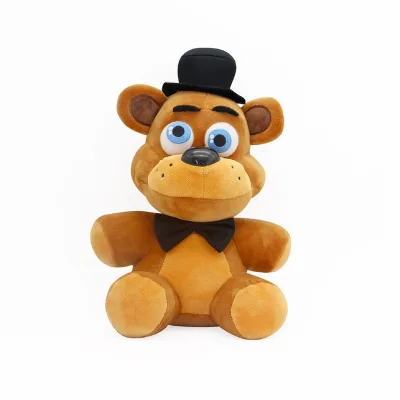
CE/ASTM Wholesale High Quality Creative Mascot Plush Doll Fur Plusg Toy Stuffed Animals Toy
$1.90 - $3.90
MOQ: 1500 pieces


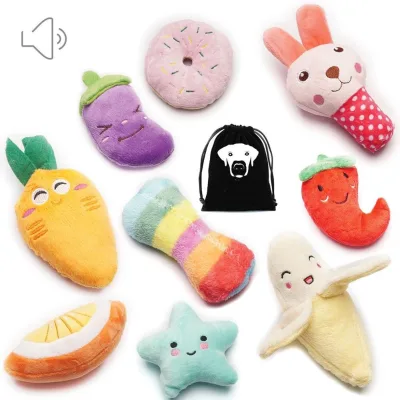
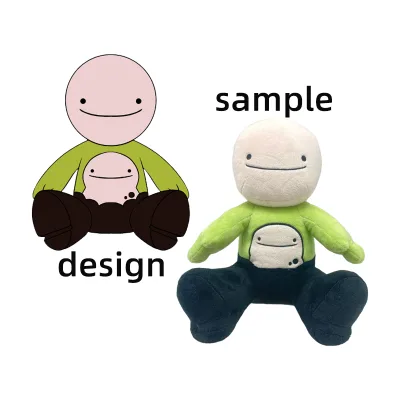
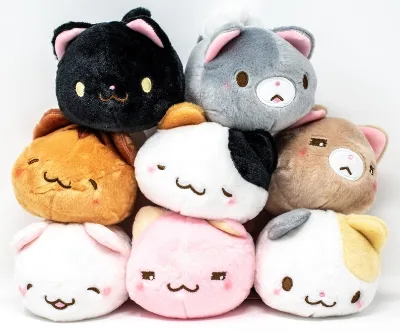
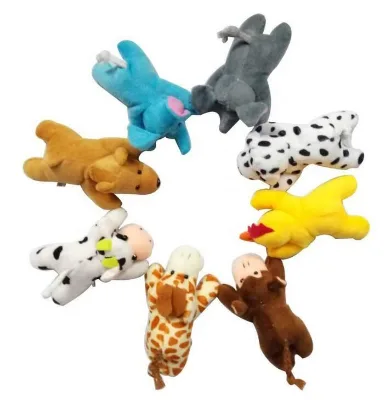
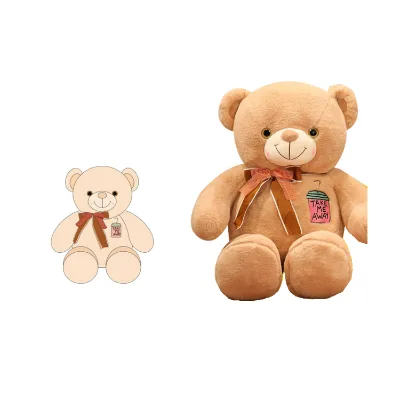
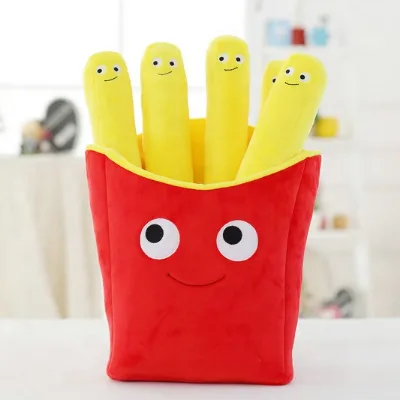


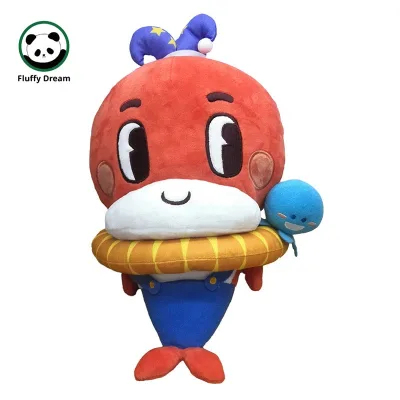
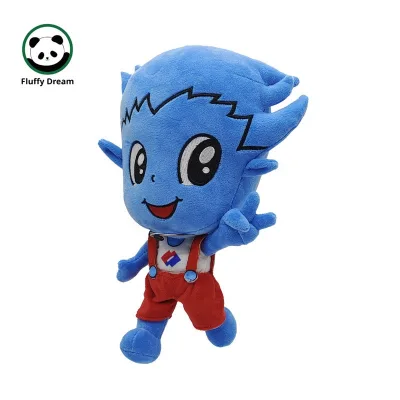




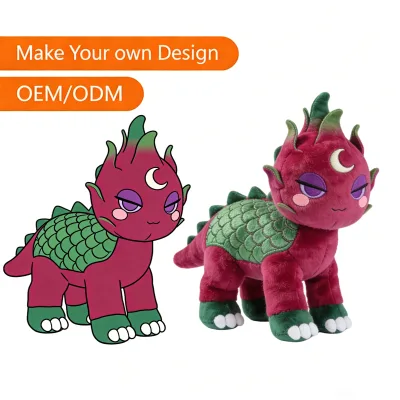
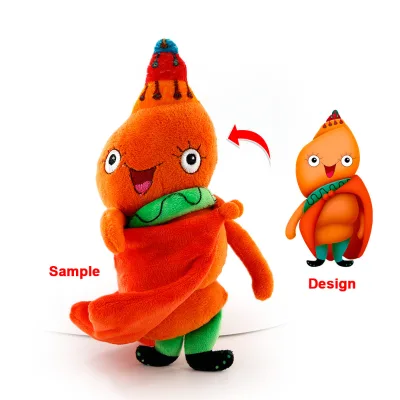


Comprehensive Sourcing Guide
Eco Friendly Mascot Plush Toy Supplier Concentration and Factory Types
The current supplier landscape for eco-friendly mascot plush toys reveals a distinct geographic and structural concentration that buyers must navigate carefully. Data indicates a notable presence of manufacturing entities located in China, specifically within the Shanghai and Jiangsu regions. These areas serve as critical hubs for the production of soft toys, offering established supply chains for materials like plush fabric and stuffing. The presence of suppliers in these specific locations suggests a mature industrial cluster where raw material sourcing and logistics infrastructure are well-developed. Buyers should recognize that this geographic concentration often correlates with competitive pricing and faster turnaround times due to proximity to ports and material suppliers. However, the density of suppliers in these regions also means that differentiation based solely on location is insufficient. Instead, buyers must look deeper into the specific operational capabilities of each factory within these clusters to understand their true capacity and specialization.
Beyond geography, the types of companies operating in this space vary significantly, impacting how buyers should approach engagement. The available data highlights a mix of combined companies and trading companies, each offering different value propositions. Combined companies often possess integrated capabilities, allowing them to handle both design and production under one roof, which can streamline communication for complex custom mascot orders. In contrast, trading companies may offer a broader portfolio of products, such as gift sets, bags, or promotional items, alongside plush toys. This diversification can be advantageous for buyers seeking a one-stop-shop for multiple promotional goods. However, trading companies might have less direct control over the manufacturing process compared to combined entities. Understanding this distinction is crucial for determining who holds the actual production responsibility and quality control authority. Buyers should assess whether they need the direct factory oversight of a combined entity or the product breadth of a trading company, keeping in mind that the latter may involve additional layers of communication.
How to Verify Eco Friendly Mascot Plush Toy Suppliers
Verification is the cornerstone of mitigating risk when sourcing eco-friendly mascot plush toys, particularly given the varied supplier types and locations identified in the market. One primary method of verification involves checking for third-party audit certifications. For instance, some suppliers in the current results are verified by TÜV Rheinland, a globally recognized testing and certification body. This verification provides a layer of assurance regarding the supplier’s operational standards and compliance with international regulations. Buyers should prioritize suppliers who display such verifications, as it indicates a commitment to transparency and quality management systems. However, the absence of a specific third-party verification does not automatically disqualify a supplier, but it does necessitate more rigorous due diligence. In cases where verification is listed as NIL or not explicitly stated, buyers must request additional documentation to confirm the supplier’s legitimacy and operational stability.
Another critical aspect of verification is assessing the supplier’s responsiveness and historical performance metrics. Response time is a key indicator of a supplier’s professionalism and ability to handle inquiries efficiently. Data shows that response times can vary, with some suppliers averaging around 2.34 hours, while others may take up to 8.59 hours. A faster response time often correlates with better customer service and quicker problem resolution, which is vital during the customization process of mascot toys. Additionally, buyers should look for evidence of past product performance, such as specific product attributes and certifications listed in their catalogs. For example, some suppliers list certifications like CE, EN71, ASTM, CPSIA, and REACH, which are essential for ensuring the safety of toys, especially those intended for children. Buyers should verify that these certifications are current and applicable to the specific products they intend to purchase, rather than relying on generic claims. Cross-referencing these details with the supplier’s stated capabilities will help build a comprehensive picture of their reliability.
What to Compare Across Eco Friendly Mascot Plush Toy Suppliers
When evaluating multiple suppliers for eco-friendly mascot plush toys, buyers must systematically compare key operational metrics to identify the best fit for their specific needs. One of the most critical factors is the minimum order quantity (MOQ), which can vary significantly across different suppliers. For example, some suppliers may require an MOQ of 1000 units, while others might offer lower thresholds, such as 500 or even 50 units. This variation is particularly important for buyers who are testing the market or have smaller budget constraints. Lower MOQs allow for greater flexibility and reduced inventory risk, making them attractive for startups or companies launching new product lines. Conversely, higher MOQs often correlate with lower per-unit prices, which can be beneficial for large-scale orders. Buyers should align their MOQ requirements with their sales forecasts and storage capabilities to avoid overstocking or underutilizing production capacity.
Lead time and pricing are equally important dimensions for comparison. Lead times indicate how quickly a supplier can deliver the finished goods, which is crucial for meeting seasonal demands or promotional deadlines. The data shows lead times ranging from 15 to 30 days, with some suppliers offering even faster turnaround options. A shorter lead time can provide a competitive advantage by allowing buyers to respond more quickly to market trends. Pricing, on the other hand, varies based on factors such as customization complexity, material quality, and order volume. Prices for plush toys can range from as low as $0.60 to over $2.98 per unit, depending on the specific product attributes and customization options. Buyers should request detailed quotes that break down costs for materials, labor, and customization to ensure transparency. Additionally, comparing the range of main products offered by each supplier can help identify those with specialized expertise in mascot toys versus those with a broader, more general inventory. This holistic comparison ensures that buyers select a supplier who not only meets their quantitative requirements but also aligns with their qualitative expectations for quality and service.
Common Eco Friendly Mascot Plush Toy Sourcing Risks
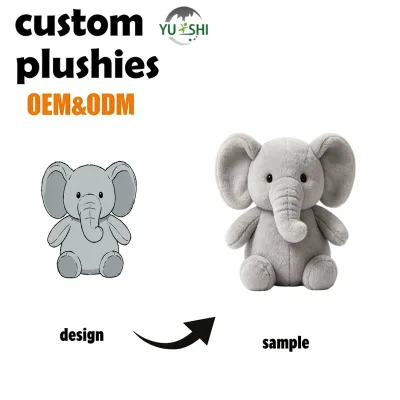
Sourcing eco-friendly mascot plush toys involves several inherent risks that buyers must proactively manage to ensure a successful procurement process. One significant risk is the potential mismatch between the supplier’s stated capabilities and their actual production capacity. For instance, while some suppliers claim to offer OEM and ODM services, the actual execution of these services may vary in quality and consistency. Buyers should be cautious of suppliers who promise extensive customization options without providing clear evidence of their technical capabilities. This is particularly relevant for complex mascot designs that require specific molding, stuffing, or assembly techniques. Without proper verification, buyers may receive products that do not meet their design specifications, leading to delays and additional costs. To mitigate this risk, buyers should request samples and conduct thorough quality checks before committing to large orders.
Another common risk is the variability in product certifications and compliance standards. While some suppliers list comprehensive certifications such as CE, EN71, ASTM, CPSIA, and REACH, others may have incomplete or outdated documentation. This is especially concerning for toys intended for children, as non-compliance can lead to legal issues and reputational damage. Buyers must ensure that the certifications provided are valid and cover the specific materials and processes used in the production of the mascot toys. Additionally, the term "eco-friendly" is often used loosely in marketing materials, and buyers should verify what specific eco-friendly practices or materials are actually being used. This could include the use of recycled fabrics, non-toxic dyes, or sustainable packaging. Without clear evidence, the "eco-friendly" claim may be misleading. Buyers should ask for detailed information on the supply chain and material sourcing to confirm the environmental claims. By addressing these risks through rigorous due diligence and clear communication, buyers can protect their interests and ensure a smoother sourcing experience.
Eco Friendly Mascot Plush Toy Regional Sourcing and Logistics
Regional sourcing plays a pivotal role in determining the logistics and overall cost structure for eco-friendly mascot plush toys. The current data highlights a concentration of suppliers in China, specifically in Shanghai and Jiangsu. These regions are well-connected to major international shipping routes, which can facilitate efficient export processes. However, buyers must consider the logistical implications of sourcing from these specific locations. For instance, suppliers in Shanghai may benefit from proximity to the Shanghai Port, potentially reducing inland transportation costs and lead times for ocean freight. In contrast, suppliers in Jiangsu might have different logistical advantages depending on their specific location within the province. Buyers should evaluate the shipping options available from each supplier’s location to determine the most cost-effective and timely delivery method. This includes considering factors such as freight forwarder availability, customs clearance efficiency, and potential transit delays.
Furthermore, the regional concentration of suppliers can impact the availability of raw materials and components. Shanghai and Jiangsu are known for their robust manufacturing ecosystems, which may offer easier access to high-quality plush fabrics, stuffing materials, and customization tools. This proximity can lead to faster production cycles and greater flexibility in handling rush orders. However, buyers should also be aware of potential regional risks, such as local labor shortages or regulatory changes that could affect production. Additionally, the distance between the supplier’s factory and the buyer’s destination will influence shipping costs and carbon footprint. For buyers in North America or Europe, sourcing from China may involve longer transit times compared to regional suppliers. Buyers should weigh these logistical factors against the potential cost savings and quality advantages offered by Chinese suppliers. By carefully analyzing the regional logistics, buyers can make informed decisions that balance cost, speed, and reliability in their sourcing strategy.
Eco Friendly Mascot Plush Toy Commercial Terms and Order Planning
Commercial terms and order planning are essential components of a successful sourcing strategy for eco-friendly mascot plush toys. Buyers must carefully negotiate terms that protect their interests while ensuring a smooth transaction process. One key aspect is the payment structure, which can vary between suppliers. Some may require a deposit upfront with the balance paid upon shipment, while others might offer more flexible terms for repeat customers. Buyers should aim for payment terms that align with their cash flow management and risk tolerance. Additionally, understanding the warranty and return policies is crucial, especially for customized products. Buyers should clarify what happens if the received goods do not meet the agreed-upon specifications or quality standards. This includes defining the process for returns, replacements, or refunds, as well as who bears the cost of return shipping.
Order planning also involves strategic timing and volume management. Given the lead times ranging from 15 to 30 days, buyers must plan their orders well in advance to avoid stockouts or missed deadlines. This is particularly important for seasonal products or promotional campaigns with fixed dates. Buyers should also consider the scalability of their orders, ensuring that the supplier can handle increases in volume if demand exceeds initial forecasts. Communication is key in this regard; maintaining regular contact with the supplier can help track production progress and address any potential issues early. Furthermore, buyers should document all agreed-upon terms in a formal contract to prevent misunderstandings. This includes specifications for materials, colors, sizes, and packaging, as well as delivery schedules and quality control checkpoints. By meticulously planning their orders and negotiating clear commercial terms, buyers can minimize risks and maximize the value of their sourcing investments.
FAQs
What certifications do eco friendly mascot plush toys have?
Manufacturers typically provide CE, EN71, ASTM, CPSIA, and REACH certifications for these products. These standards ensure the toys meet international safety requirements for children. Buyers should verify specific test reports to confirm compliance with their target market regulations before placing large orders.
What is the typical lead time for plush mascot orders?
Production lead times generally range from 15 to 30 days depending on the supplier and order complexity. Some factories in Shanghai offer faster turnaround times around 15 days, while others in Jiangsu may require up to 30 days. Buyers should confirm exact schedules during negotiation.
What is the minimum order quantity for custom plush toys?
Minimum order quantities vary significantly, typically ranging from 50 to 1000 pieces per design. Some suppliers accept low MOQs of 50 units for custom mascot designs, while others require 500 or 1000 pieces. Buyers should check specific product listings to find options matching their volume needs.
How much do custom mascot plush toys cost?
Prices generally range from $0.60 to $2.98 per unit based on size, material, and customization level. Simple stuffed animals may cost around $0.60, while complex mascot designs can reach $2.98. Buyers should request detailed quotes including shipping to understand total landed costs accurately.
Can I customize the logo on plush mascot toys?
Yes, most suppliers offer logo customization through printing, embroidery, or custom tags. Buyers can choose from various methods to brand their plush toys effectively. Customization options allow for unique branding, making these toys ideal for promotional gifts or corporate merchandise campaigns.
What is the average response time for suppliers?
Supplier response times typically range from 2.34 to 8.59 hours. Faster responding suppliers in Jiangsu may reply within 2.34 hours, while others might take up to 8.59 hours. Quick responses indicate efficient communication channels, helping buyers resolve questions and finalize orders more rapidly.