Sound and Light Plush Toy Suppliers and Manufacturers
Source Sound and Light Plush Toy options from 24 verified suppliers. Compare response times, lead times, MOQs, and certifications like ASTM F963 and EN71. Review product specifications and pricing to identify suitable partners for your procurement needs; review the available evidence before requesting comparable quotations from suitable candidates.
Updated
Suppliers List

Tung Wing Electronics (Shenzhen) Co., Ltd.
- Trading Company
- China Guangdong
- Lead time45 days
- Avg. response≤ 23h
Main productsSound Module, Flashing Module, Recording Module, Greeting Cards, Keychain, Photo Frame, Optical Fiber Bags, Flashing Badge, Promotional Gift, Sound Pad
Main marketsSouth America,Southeast Asia/ Mideast,East Asia(Japan/ South Korea),Europe,Australia,North America
Ningbo Yinzhou Jetech Electronic Co., Ltd.
- Verified by SGS Group
- Manufacturer, Trading Company
- Lead time15 days
- Avg. response≤ 3h
Main productsBaby Toys
Main marketsEastern Asia(25%), North America(20%), Eastern Europe(20%)
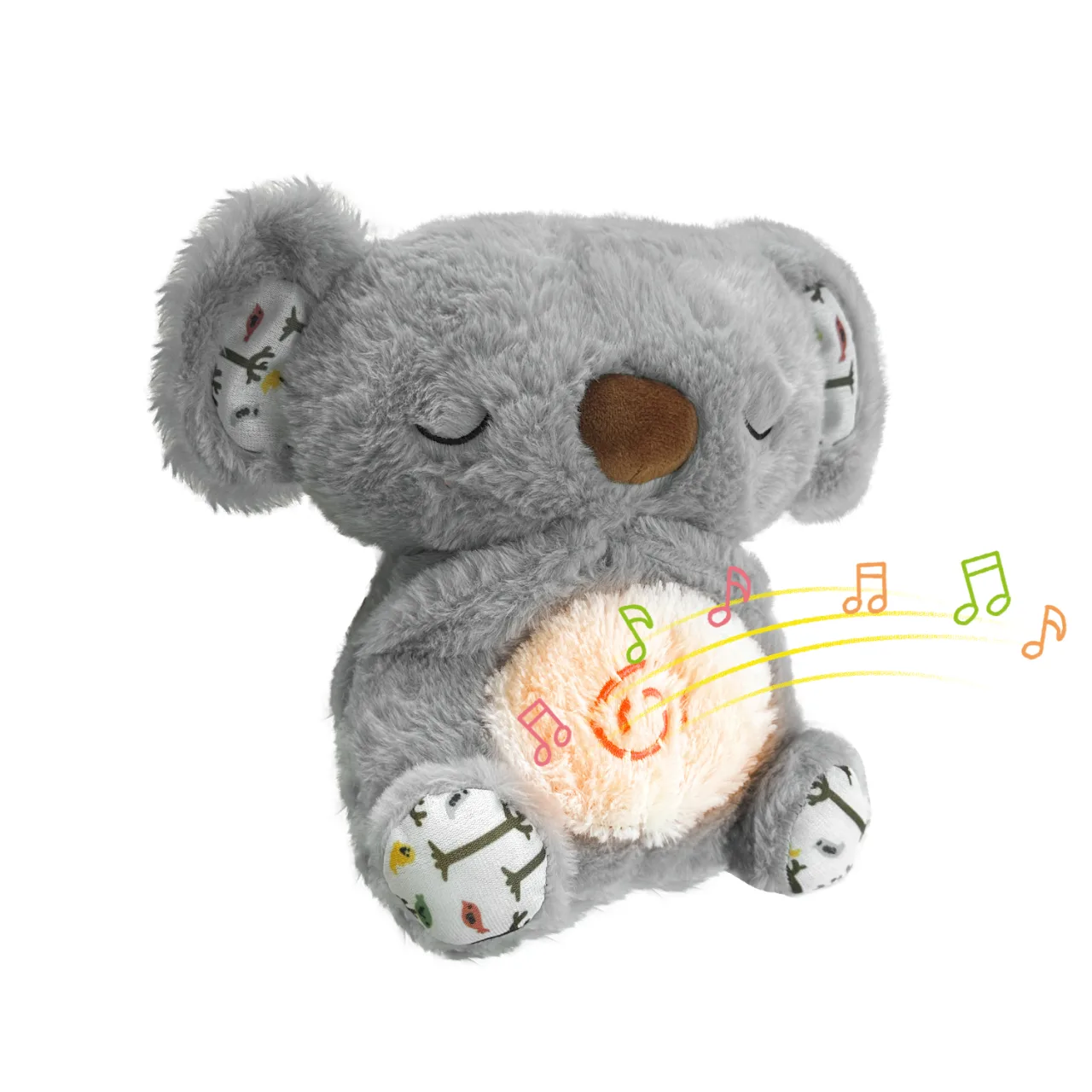
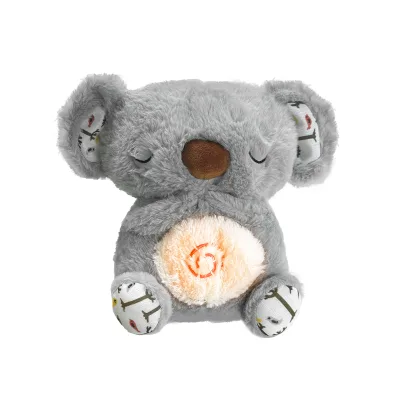
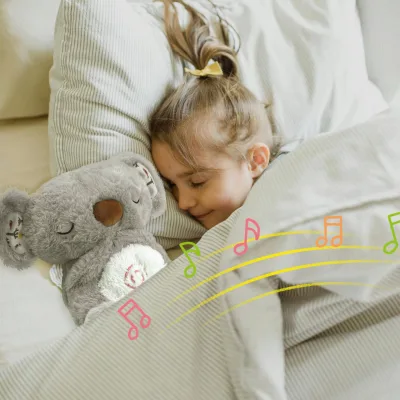
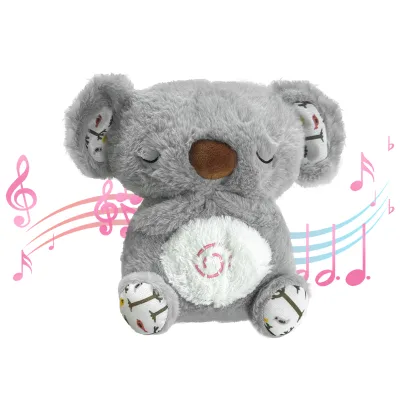
$4.1225 - $5.1516
MOQ: 500 pieces
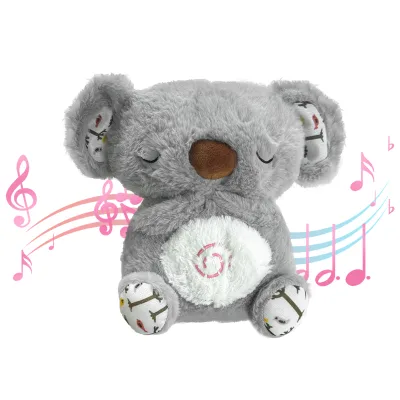
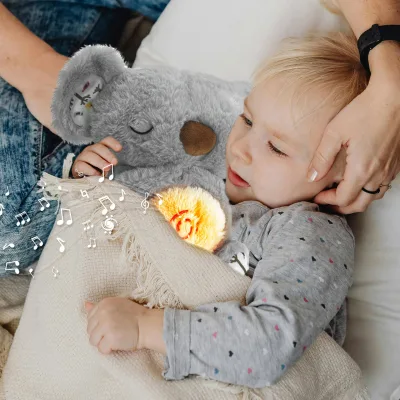
$4.088 - $5.1097
MOQ: 1 pieces

Qingdao Sanliang Yipin Network Technology Co., Ltd
- Verified by SGS
- Manufacturer/Factory
- China Shandong
- Lead time30 days
- Avg. response≤ 8h
Main productsBag, Plush Toys, Clothes, Pet Accessories, Jewellery
Main marketsSouth America,Eastern Europe,Mid East,North America,Southeast Asia,Eastern Asia,Oceania,Western Europe,Africa
Shantou Belinda Toys Co., Ltd.
- Verified by SGS Group
- Manufacturer, Trading Company
- Lead time30 days
- Avg. response≤ 2h
Main productsBaby Dolls, Function Dolls, Kids Learning Laptop, Educational Toys, Plush Toys
Main marketsSouth America(20%), Eastern Europe(15%), Western Europe(15%)
Shantou Combuy Toys&gifts Co., Ltd.
- Trading Company
- Guangdong, China
- Lead time30 days
- Avg. response≤ 4h
Main productsBaby Toys,Summer Toys,Pretend play toys,Educational Toys,RC TOYS
Main marketsNorth America(30.00%), Eastern Europe(20.00%), South America(20.00%), Western Europe(10.00%), Eastern Asia(10.00%), Mid East(10.00%)
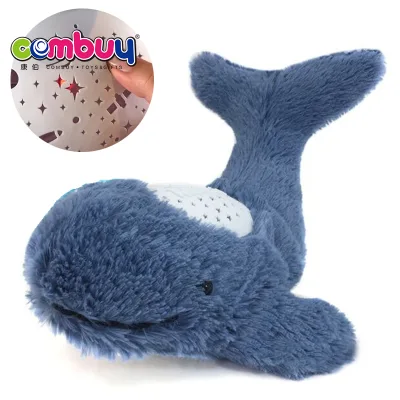
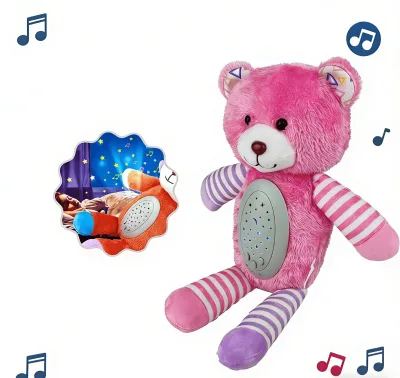
Cute Animals Night Light Projection Musical Washable Doll Plush comfort Toy
$6.59 - $6.77
MOQ: 5 pieces
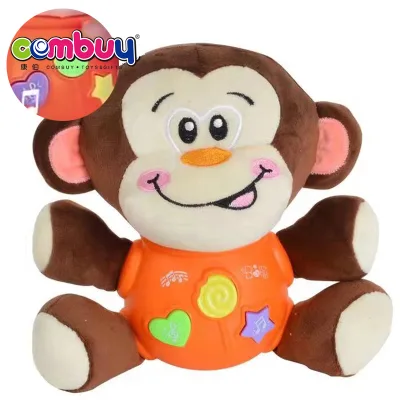
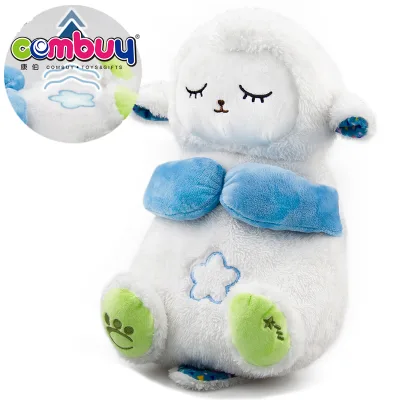
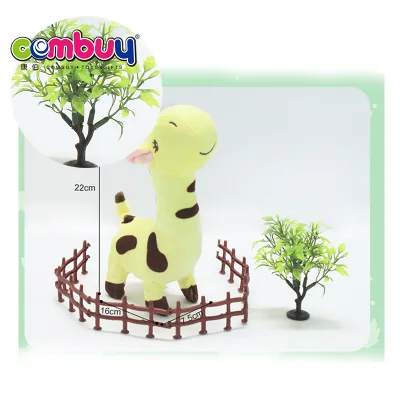
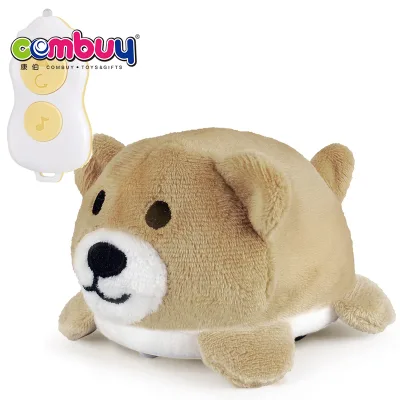
Infrared Remote Control Music Night Lighting Rc Animal Electric Plush Toys
$4.06 - $4.17
MOQ: 5 pieces
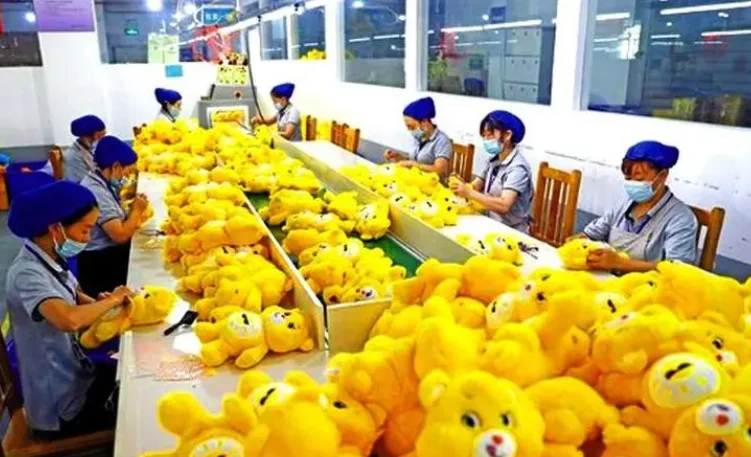
Dongguan Ai Cheng Toys Co., Ltd.
- Manufacturer
- Guangdong, China
- Lead time25 days
- Avg. response≤ 8h
Main productsplush toys,plush pillow,plush bag,plush puppet,plush slippers
Main marketsWestern Europe(20.00%), Eastern Europe(20.00%), Domestic Market(20.00%), Central America(20.00%), South America(10.00%), North America(10.00%)
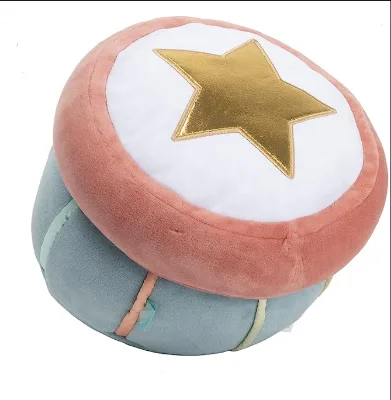
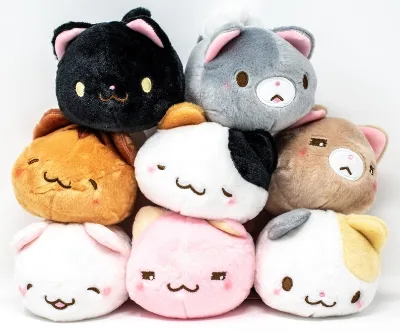
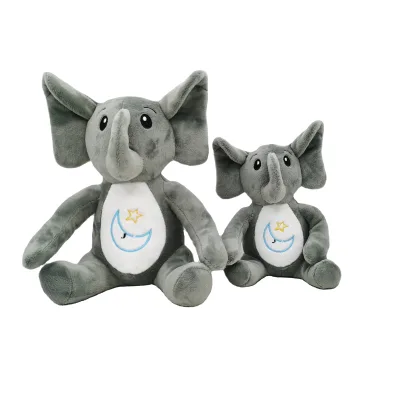
Custom light in the dark Luminous Plush elephant soft toys custom logo
$2.0717 - $2.9001
MOQ: 300 pieces

Shenzhen Jiumai E-Commerce Co., Ltd.
- Manufacturer, Trading Company
- Guangdong, China
- Lead time3 days
- Avg. response≤ 5h
Main productsPlush toys,Keychain toys,Remote control car toys,Educational toys,fidget toys
Main marketsNorth America(70.00%), Western Europe(20.00%), Southern Europe(5.00%), Mid East(5.00%)

Lianyungang Hongwen Toys Co., Ltd.
- Verified by SGS
- Combined
- China Jiangsu
- Lead time23 days
- Avg. response≤ 8h
Main productsCustom Plush Backpack, Stuffed Toy, Custom Plush Pillow, Custom Plush Doll, Custom Plush Toy, Custom Hold-All, Plush Pillow, Animal Plush, Stuffed Plush Toys, Plush Toy Animals
Main marketsAfrica,Southeast Asia/ Mideast,East Asia(Japan/ South Korea),Domestic,Europe,Australia,North America


Custom Plush Rabbit Toy Character Plushie Custom Dolls Design Stuffed Animal Toy
$2.00 - $5.00
MOQ: 100 Pieces


Shantou Cypress Toys Co., Ltd.
- Verified by TüVRheinland
- Trading Company
- Lead time25 days
- Avg. response≤ 3h
Main productsRole Play Toys, Educational Toys, Dinosaur Toys
Main marketsWestern Europe(35%), North America(20%), Southeast Asia(20%)
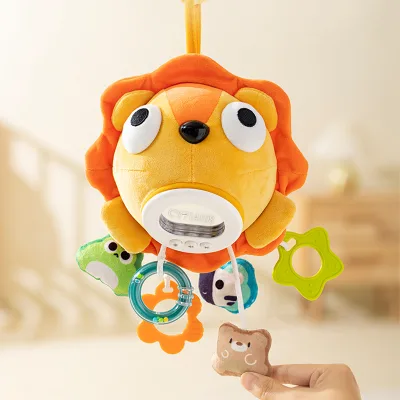
New Arrival Musical Toys with Light and Music Cute Plush Toys Soothing Baby Toys
$4.65 - $4.87
MOQ: 108
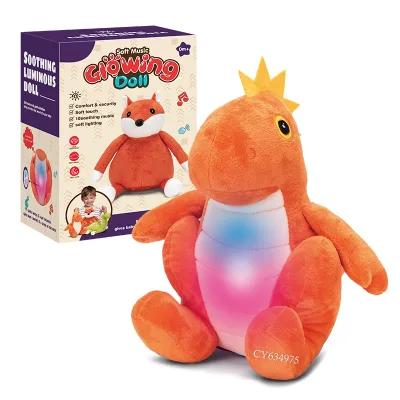
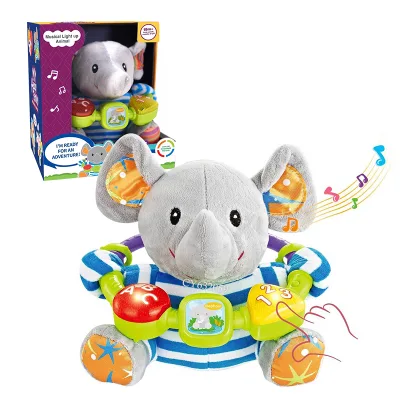
$3.9757 - $4.2738
MOQ: 180 pieces

Dongguan AST Industry Co., Ltd.
- Verified by TUVRHEINLAND
- Manufacturer/Factory
- China Guangdong
- Lead time23 days
- Avg. response≤ 14h
Main productsSound Module, Voice Recorder, Video Brochure, Sound Chip, LED Flashing Module for POS, Musical Greeting Cards, Video Module, Musical Bottle Opener, Musical Postcards, DC Motor for Pop Dispay
Main marketsSouth America,Eastern Europe,Mid East,North America,Southeast Asia,Eastern Asia,Oceania,Western Europe,Africa
Shantou Qiaobai Toys Co., Ltd.
- Verified by SGS Group
- Trading Company
- Lead time30 days
- Avg. response≤ 3h
Main productsEducational Toys, Pretend Play, Baby Toys, Blocks Building Toys, Puzzle
Main marketsEastern Europe(25%), North America(20%), Eastern Asia(20%)

Yangzhou Lucky Bear Craft & Gifts Co., Ltd.
- Verified by TUVRHEINLAND
- Trading Company
- China Jiangsu
- Lead time30 days
- Avg. response≤ 3h
Main productsTeddy Bear, Plush Toy, Stuffed Animal, Toy Shoes, Baby Toy, Rocking Horse, Unstuffed Animal Skin, Indoor Slippers, Snow Boots, Promotional Toys
Main marketsEurope,North America


Plushies Cat Plush Soft Toys Cute Cat Stuffed Animal Toys Kids Cartoon Plush Gifts
$0.97 - $2.95
MOQ: 500 Pieces


NANJING SONNY IMP. & EXP. CO., LTD.
- Verified by SGS
- Trading Company
- China Jiangsu
- Lead time60 days
- Avg. response≤ 15h
Main productsPlush Toys Animal Toys Baby Toys Pet Toys
Main marketsAfrica,Domestic,Europe
Shantou Beijia Technology Co., Ltd.
- Trading Company
- Guangdong, China
- Lead time30 days
- Avg. response≤ 7h
Main productsEducational Toy,rc car,block toy,toy accessories,car model
Main marketsCentral America(15.00%), South Asia(15.00%), Africa(15.00%), Southeast Asia(15.00%), South America(15.00%), North America(15.00%), Eastern Asia(10.00%)

Hunan Yeemary Toy Creative Design and Manufacturing Co., Ltd.
- Verified by SGS
- Combined
- China Hunan
- Lead time30 days
- Avg. response≤ 3h
Main productsCustomized According to Drawings, Customized Acc, Custom Plush Animal, Custom Plush Doll, Custom Plush Plant, Custom Plush Keychain, Custom Plush Pillow, Custom Plush Backpack, Cotton Plush Dolls, Christmas Doll
Main marketsSouth America,East Asia(Japan/ South Korea),Domestic,Europe,North America

$1.00 - $5.00
MOQ: 100 Pieces

Custom Stuffed Plush Toy Custom Plush Soft Toy Plush Custom Human Doll Toys
$1.00 - $5.00
MOQ: 100 Pieces

$1.00 - $5.00
MOQ: 100 Pieces
Dongguan Jialedi Toys Co., Ltd.
- Verified by TüVRheinland
- Manufacturer, Trading Company
- Lead time15 days
- Avg. response≤ 2h
Main productsStuffed Animal Toys, Plush Pillows, Plush Figure Toys, Plush Bags, U-Shaped Pillow
Main marketsNorth America(60%), South America(10%), Eastern Europe(10%)
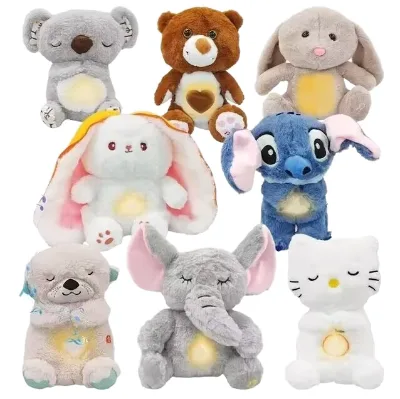
$2.0493 - $5.0213
MOQ: 100 Minimum
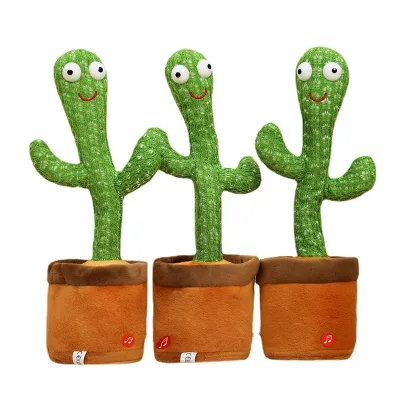
$3.4739 - $4.5015
MOQ: 100 pieces
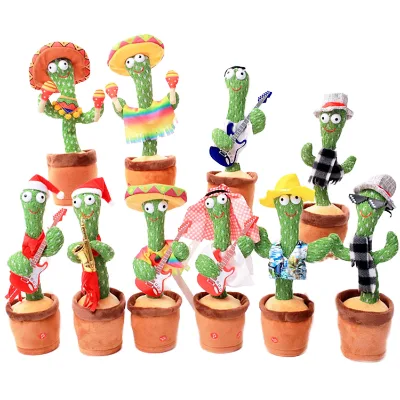
- Verified by SGS Group
- Manufacturer, Trading Company
- Lead time30 days
- Avg. response≤ 2h
Main productsPlush Toy, Plush Pillow, Plush Keychain, Soft Pet Toy, Soft Baby Toy
Main marketsNorth America(40%), Western Europe(20%), Eastern Europe(5%)
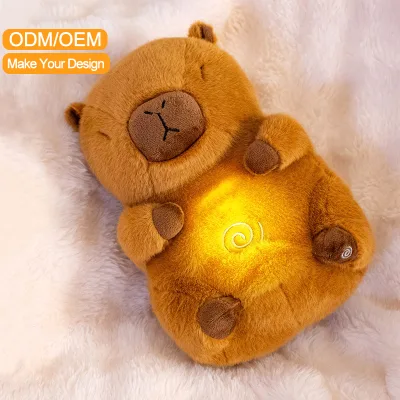
$4.2363 - $5.4767
MOQ: 100 pieces
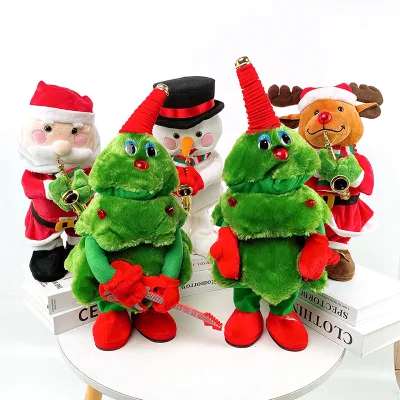
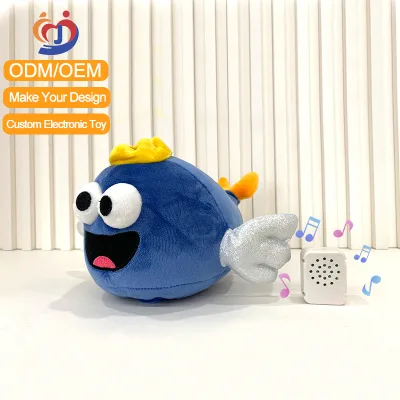
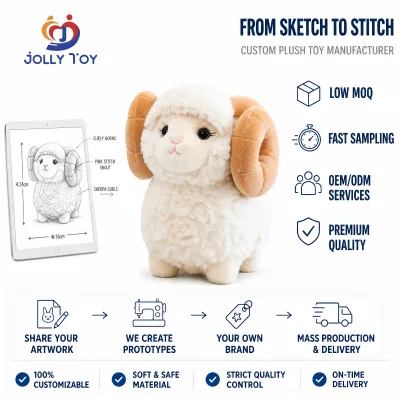

- Combined
- China Guangdong
- Lead time45 days
- Avg. response≤ 1h
Main productsResin Craft, Baby Doll, Christmas Tree, Christmas Wreath, Christmas Garland, Christmas Decoration, Artificial Flower, Artificial Plant, Artificial Tree, Christmas Ornaments
Main marketsSouth America,Europe,North America
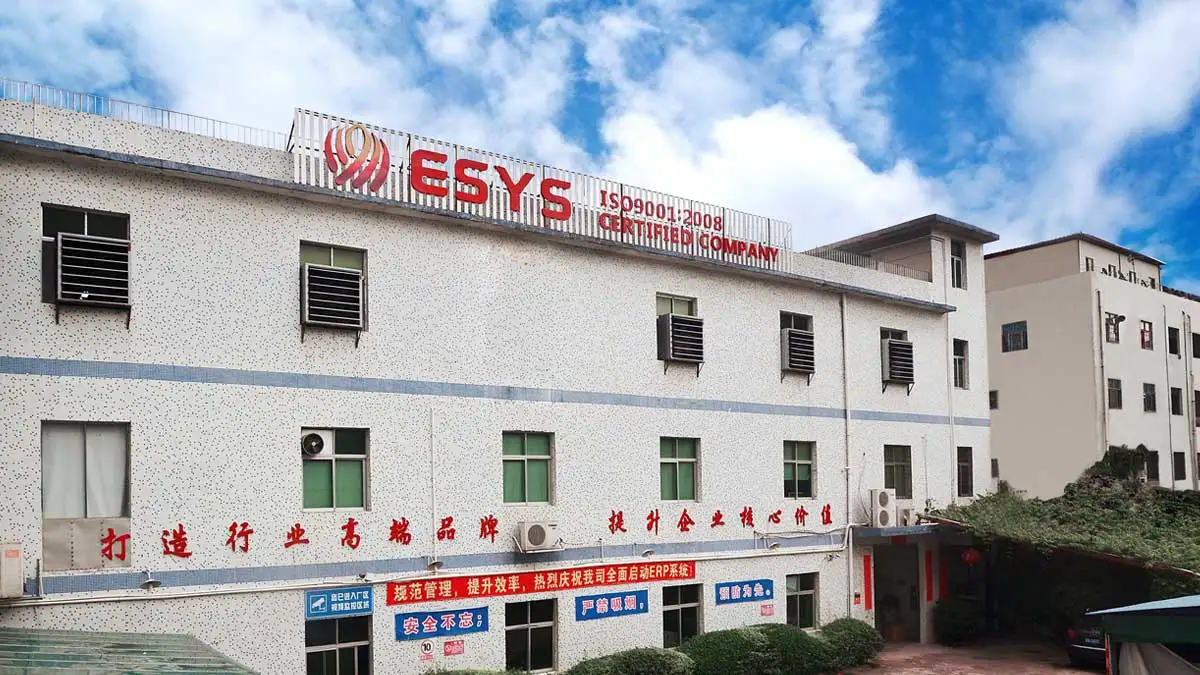
Shenzhen ESYS Electronics Co., Ltd.
- Manufacturer
- Guangdong, China
- Lead time15 days
- Avg. response≤ 4h
Main productsWhite noise sleep sound machine for baby and adult,Ces sleep aid device,Custom sound button and buzzer,Ultrasonic bear repeller,Talking voice keychain
Main marketsEastern Asia(70.00%), North America(15.00%), Western Europe(5.00%), Oceania(5.00%), Mid East(5.00%)
Shenzhen Brin Technology Co., Ltd.
- Verified by TüVRheinland
- Trading Company
- Lead time0 days
- Avg. response≤ 1h
Main productsPlush Toys, Educational Toys, Sensory Toys, Pet Products, Custom Products
Main marketsNorth America(40%), South America(20%), Western Europe(10%)

- Verified by TUVRHEINLAND
- Trading Company
- China Jiangsu
- Lead time30 days
- Avg. response≤ 3h
Main productsPet Products, Pet Food, Pet House, Pet Plush Toy, Pet Clothes, Pet Collar, Cat Litter, Pet Leash, Pet Harness
Main marketsNorth America
- Trading Company
- Shanghai, China
- Lead time40 days
- Avg. response≤ 7h
Main productsPlush Toys,Plush Backpack,Bibs,blanket,puppets
Main marketsNorth America(32.00%), South America(20.00%), Western Europe(15.00%), Southern Europe(10.00%), Eastern Europe(10.00%), Southeast Asia(5.00%), Mid East(3.00%), Eastern Asia(3.00%), Africa(2.00%)
Guangzhou Gdp Toys Module Company Limited
- Manufacturer, Trading Company
- Guangdong, China
- Lead time25 days
- Avg. response≤ 6h
Main productsSound Box,sound module,light module,movement module,IC chip
Main marketsNorth America(15.00%), Southern Europe(10.00%), Northern Europe(10.00%), Eastern Europe(10.00%), Western Europe(10.00%), South America(10.00%), Domestic Market(5.00%), South Asia(5.00%), Mid East(5.00%), Central America(5.00%), Oceania(5.00%), Southeast Asia(5.00%), Eastern Asia(5.00%)
Shenzhen Kingstar Mould Co., Ltd.
- Verified by SGS Group
- Manufacturer, Trading Company
- Lead time15 days
- Avg. response≤ 9h
Main productsPlastic Product, Wireless Speaker, Massage Gun, Wireless Earbuds, Smart Watch
Main marketsNorth America(35%), Southern Europe(30%), Domestic Market(20%)






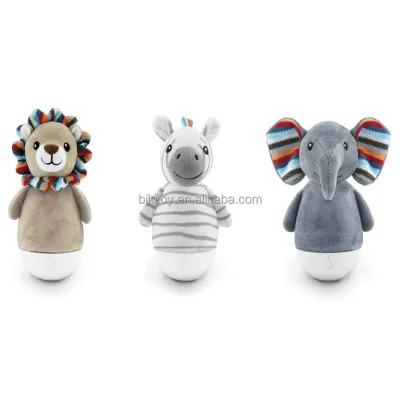
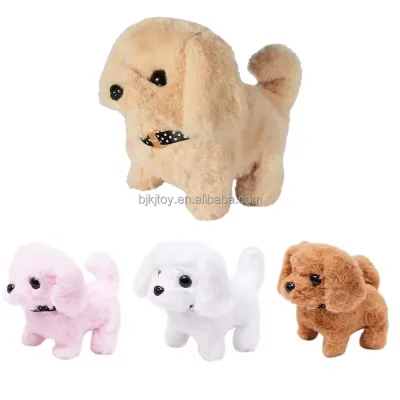


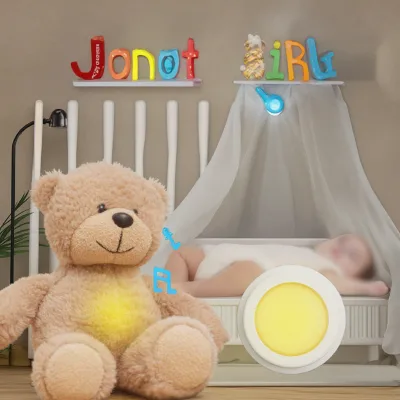
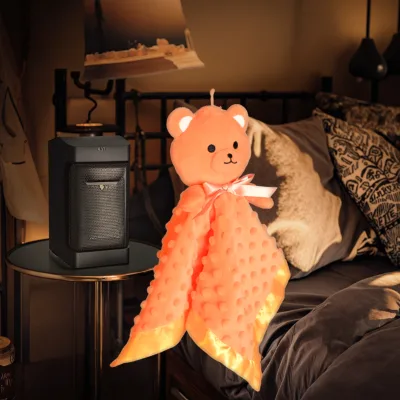
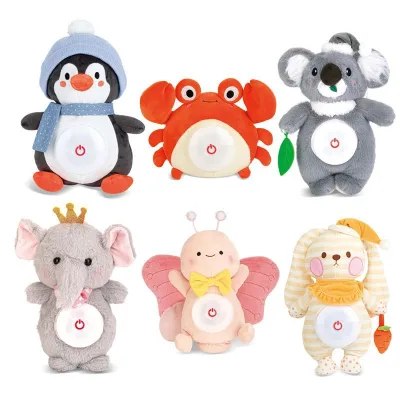
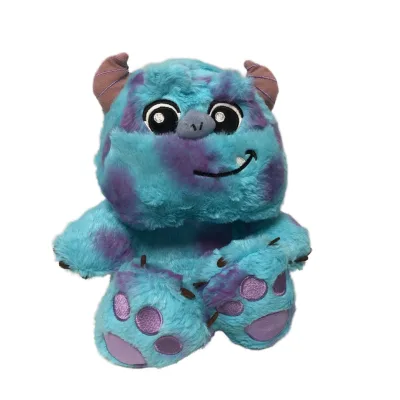
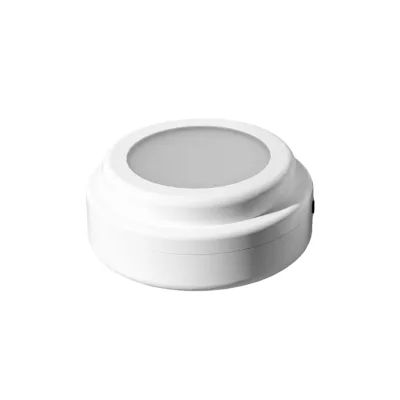
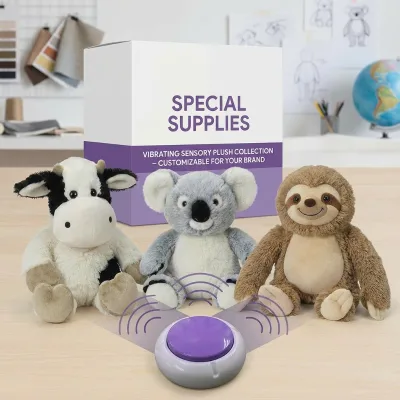


Comprehensive Sourcing Guide
Sound and Light Plush Toy Supplier Concentration and Factory Types
The current supplier landscape for sound and light plush toys reveals a distinct concentration of manufacturing and trading entities within China, specifically highlighting Guangdong as a key operational hub. This geographic clustering suggests that buyers seeking these specialized electronic-soft goods will find a dense network of potential partners in this region, which is historically known for its robust electronics supply chain integration. The presence of suppliers in Guangdong indicates that the infrastructure for sourcing components like sound modules, flashing LEDs, and battery compartments is likely mature and accessible, facilitating efficient production workflows for items that require both textile craftsmanship and electronic assembly. Buyers should recognize that this concentration is not merely a random distribution but a result of specialized industrial ecosystems that support the dual nature of these products.
Beyond the specific location data, the supplier types observed in the results indicate a mix of pure trading companies and hybrid entities that operate as both manufacturers and traders. This duality is significant because it affects how a buyer approaches negotiation and quality control. Trading companies may offer a broader catalog of designs, such as greeting cards or keychains alongside plush toys, providing convenience for buyers looking for bundled promotional gifts. In contrast, suppliers identifying as manufacturers may offer more direct control over the customization of the sound module or the plush material, such as ABS plastic components or specific fabric types. Understanding this distinction helps buyers determine whether they need a partner for volume production with strict quality oversight or a flexible partner for diverse product assortments.
How to Verify Sound and Light Plush Toy Suppliers
Verification of suppliers in this category requires a multi-layered approach that goes beyond basic company registration checks, focusing heavily on product safety and electronic compliance. Since sound and light plush toys often target children, verifying that the supplier holds relevant safety certifications is paramount. The observed data indicates that some suppliers list certifications such as ASTM F963, EN71, CE, RoHS, and CPSIA for their products. Buyers must actively request and validate these certificates, ensuring they are current and issued by accredited bodies. The presence of system certifications like ISO 9001 or ISO 14001 at the company level further signals a structured approach to quality management and environmental responsibility, which are critical for maintaining consistent production standards in a competitive market.
In addition to documentation, buyers should leverage third-party verification services to assess the supplier’s operational reality. The results show that some suppliers have undergone verification by recognized groups such as SGS Group, which provides an additional layer of trust regarding their business legitimacy and manufacturing capabilities. Buyers should look for these verification badges and understand what they entail, whether it is a factory audit or a trade capacity check. Furthermore, examining the supplier’s response time can serve as an indirect indicator of their operational efficiency and customer service quality. A rapid response time, such as the three-hour average observed in some results, suggests a responsive team that is likely to handle inquiries and potential issues with greater agility, which is crucial during the sampling and production phases of sourcing.
What to Compare Across Sound and Light Plush Toy Suppliers
When evaluating multiple suppliers, buyers must compare key operational metrics such as lead times, minimum order quantities (MOQs), and response speeds to determine the best fit for their specific business needs. The data shows a wide variance in these metrics, with lead times ranging from as low as fifteen days to as high as forty-five days. This disparity can significantly impact inventory planning and time-to-market strategies. Similarly, MOQs vary considerably, with some suppliers accepting orders as low as one unit, which is ideal for testing the market or fulfilling small boutique orders, while others require MOQs of three thousand units, catering to large-scale retail distributors. Understanding these thresholds helps buyers align their supplier choice with their sales volume and cash flow capabilities.
Price and product specifications are also critical comparison points that require careful analysis. The observed price ranges for sound and light plush toys span from approximately $1.50 to over $5.00 per unit, depending on the complexity of the sound module, the quality of the plush material, and the inclusion of additional features like breathing lights or heartbeat vibrations. Buyers should not solely focus on the lowest price but should evaluate the value proposition, including the quality of the electronic components and the durability of the plush fabric. Additionally, comparing the main products offered by each supplier can reveal their specialization. Some suppliers focus on educational toys with hard covers and offset printing, while others specialize in soothing sleep aids with complex electronic functions. Aligning the supplier’s core competencies with the buyer’s product vision ensures a more successful partnership.
Common Sound and Light Plush Toy Sourcing Risks
One of the primary risks in sourcing sound and light plush toys is the potential for electronic failure or safety non-compliance, which can lead to product recalls and reputational damage. The integration of sound modules, batteries, and flashing lights introduces complexity that is not present in standard plush toys. Buyers must be vigilant about the quality of these electronic components, ensuring they are securely embedded and do not pose a choking hazard or overheating risk. The reliance on batteries, such as AAA batteries, also raises concerns about longevity and leakage, which can damage the plush interior. To mitigate this risk, buyers should insist on rigorous pre-shipment inspections that specifically test the electronic functions and check for any sharp edges or loose parts that could detach during use.
Another significant risk is the inconsistency in product quality and customization accuracy, particularly when dealing with suppliers who offer extensive OEM/ODM services. The observed data shows that many suppliers support customization, allowing buyers to tailor the size, color, and sound content of the plush toys. However, this flexibility can lead to discrepancies between the approved sample and the bulk production if the supplier lacks robust quality control processes. Buyers must ensure that the supplier has clear communication channels and a detailed specification sheet that covers all aspects of the product, from the material composition to the packaging requirements. Additionally, the risk of intellectual property infringement exists if the buyer uses proprietary designs or sound recordings without proper legal agreements in place. Establishing clear contracts and non-disclosure agreements is essential to protect the buyer’s brand and design assets.
Sound and Light Plush Toy Regional Sourcing and Logistics
Sourcing from regions like Guangdong, China, offers logistical advantages due to the area’s well-developed infrastructure for international shipping and electronics manufacturing. The concentration of suppliers in this region means that buyers can potentially consolidate orders from multiple product lines, such as sound modules and plush toys, from a single geographic area, reducing shipping complexity and costs. However, buyers must also consider the implications of shipping electronic goods, which may be subject to specific regulations regarding lithium or alkaline batteries. Understanding the shipping requirements for these items is crucial to avoid delays at customs or additional fees. Buyers should work with suppliers who have experience in exporting these specific types of goods and can provide accurate documentation for customs clearance.
The logistics of sourcing from Zhejiang, China, as indicated by some product origins, also presents distinct considerations. While Guangdong is a major hub, Zhejiang is known for its textile and light industry clusters, which may offer competitive advantages in terms of fabric sourcing and cost efficiency for the plush aspect of the toy. Buyers should evaluate the supplier’s location relative to major ports to estimate transit times and freight costs. Additionally, the choice of supplier location can impact the ability to conduct factory audits and quality inspections. Proximity to the buyer’s location or a third-party inspection agency can facilitate more frequent and thorough oversight of the production process. Buyers should factor in these logistical elements when selecting a supplier, ensuring that the total landed cost and delivery reliability align with their business requirements.
Sound and Light Plush Toy Commercial Terms and Order Planning
Commercial terms and order planning are critical components of a successful sourcing strategy for sound and light plush toys, requiring careful attention to payment structures and production schedules. Buyers should negotiate clear payment terms that protect their interests, such as using escrow services or letter of credit arrangements, especially for large orders. The observed data indicates that some suppliers have established response times and lead times that can be integrated into the buyer’s production calendar. Understanding these timelines is essential for planning inventory replenishment and avoiding stockouts. Buyers should also clarify the terms for sample production, including costs and lead times, to ensure that the sampling process does not delay the overall project timeline.
Furthermore, buyers must plan for the scalability of their orders, considering the supplier’s capacity to handle increased volumes without compromising quality. The observed data shows that some suppliers have customized on-demand capabilities, which can be beneficial for buyers looking to adjust their orders based on market feedback. However, buyers should also be aware of the potential for price fluctuations based on order volume and material costs. Establishing a long-term partnership with a supplier can provide stability in pricing and production priority. Buyers should also consider the supplier’s ability to handle after-sales support, including warranty claims for electronic failures or quality issues. A comprehensive understanding of these commercial terms and logistical considerations will help buyers mitigate risks and ensure a smooth sourcing experience.
FAQs
What price range should I expect for sound and light plush toys?
Listed sound and light plush toys on this page range from about 1.50 to 4.00 USD for sound-module educational toys and roughly 4.00 to 5.15 USD for breathing koala plush models. Final pricing depends on order quantity, customization depth and battery configuration, so request quotations based on your exact specifications and target volumes.
What minimum order quantities apply to these plush toys?
MOQs vary significantly by model. One square sound module plush toy lists a 3,000-piece minimum, while a koala breathing plush shows a 500-piece minimum and another listing shows as low as a single piece. Confirm the exact MOQ for your chosen model and any custom sound recording before committing to a supplier.
How long does production usually take for plush toys with sound modules?
Lead times on this page range from 15 days to 45 days depending on the supplier. A manufacturer with verified certifications quotes 15 days, while a trading company lists 45 days. Ask whether the quoted lead time includes custom sound chip programming, printing and packaging, since these steps can extend the schedule.
Which certifications should a Sound and Light Plush Toy have?
Product listings reference ASTM F963, EN71, CE, RoHS, CPSIA, CPC, FCC and PAHs compliance, and one manufacturer holds ISO 9001 and ISO 14001 system certifications. Because toy regulations differ by destination market, always verify that certificates are current, cover the exact model you order, and request test reports before shipment.
Can suppliers customize the sound and lights in a plush toy?
Yes, customization appears supported. Listings describe functions including music, flashing light, heartbeat vibration, sound recording and remote control, and one manufacturer explicitly offers OEM and ODM support with light customization, sample processing and graphic processing. Provide your audio file, light behavior and packaging requirements early so suppliers can quote accurately.
How fast do these suppliers respond to buyer inquiries?
Response times on this page range from about 3 hours to roughly 22 hours. A verified manufacturer with ISO 9001 certification responds in around 3 hours, which helps when iterating on samples. Factor response speed into shortlisting, especially if your project requires multiple rounds of sound and design adjustments.
Where are these Sound and Light Plush Toy suppliers located?
The suppliers on this page are based in China, with locations including Guangdong and Zhejiang provinces. One plush toy product lists its place of origin as Zhejiang, while another lists Shenzhen as the production origin. Regional proximity to electronic component suppliers often supports faster sound-module sourcing and assembly.
Are trading companies or manufacturers better for these plush toys?
Both appear on this page. One listing is a trading company offering a broad gift and module range, while another operates as a manufacturer and trading company with SGS verification, ISO certifications and a 15-day lead time. Manufacturers may offer better customization control, so confirm each supplier's actual production role for your model.