Source Recyclable Folding Child Resistant Box for Food, Electronics, and Cosmetics
Find 30 listings for the Recyclable Folding Child Resistant Box, featuring customized designs and gravure printing options. Compare specifications for paper, EVA, and tinplate materials suitable for food, electronic, and cosmetic packaging applications; compare the available evidence and request quotations based on your requirements.
Key considerations
Products List




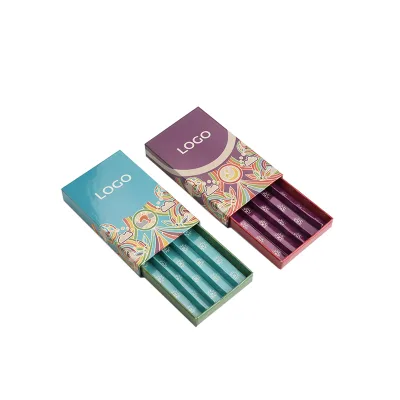


Cardboard Popular Folded Wholesale Child Resistant Paper Box with Your Own Logo
$0.46 - $0.50
MOQ: 5000 Pieces


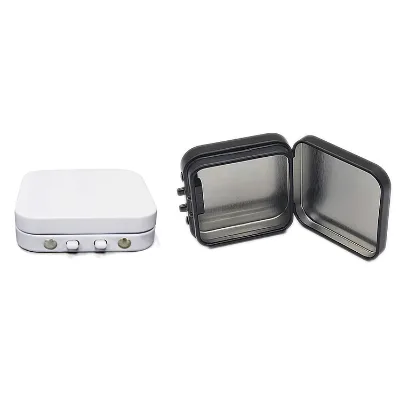
Portable Child Resistant Tin Box with Secure Closure for Pre Roll Storage
$0.14 - $0.16
MOQ: 3000 Pieces




Comprehensive Sourcing Guide
Recyclable Folding Child Resistant Box Sourcing Guide
Buyers seeking recyclable folding child resistant boxes must first align their product requirements with observed market capabilities, noting that current listings frequently feature laminated materials and paper-based structures suitable for food, electronics, and cosmetics. While the core keyword implies a specific safety mechanism, the available data highlights a broader range of packaging solutions including metal tins and custom-sized paper boxes, requiring careful filtering to isolate true child-resistant folding designs.
Procurement teams should verify that the "recyclable" attribute is supported by the specific material composition, such as the observed paper or tinplate options, rather than assuming all laminated or plastic-topped products meet this criterion. The presence of custom design and logo acceptance suggests flexibility, yet the buyer must explicitly confirm that the folding mechanism itself does not compromise the recyclability of the composite materials used in the final assembly.
Product Scope and Observed Listing Signals
The observed product landscape includes diverse items ranging from paper and EVA laminates to tinplate metal boxes, with applications spanning food packaging, electronic components, and cosmetic storage. Buyers must distinguish between general folding cartons and those specifically engineered with child-resistant features, as the current data lists standard folding options alongside specialized uses like cartridge or battery packaging without explicitly confirming the safety locking mechanism for every item.
Listing signals indicate a strong preference for customization, with many suppliers offering tailored sizes, gravure printing, and offset printing capabilities to meet specific branding needs. However, the variation in material structures, from simple paper to complex laminated layers, means that the "folding" aspect may not always equate to a standard carton, necessitating a review of the physical sample to ensure the box folds correctly while maintaining its intended protective and safety functions.
Technical Specifications to Verify
Technical verification must begin with the material structure, as the observed data lists both paper and tinplate options, each presenting different challenges for achieving a reliable child-resistant fold. Buyers should request detailed specifications on the thickness and lamination process, ensuring that the added layers required for safety do not prevent the box from folding flat or returning to its rigid shape after opening, which is critical for user experience and storage efficiency.
The printing and finishing processes, such as gravure or embossing, can significantly impact the structural integrity of the fold lines and the durability of the child-resistant closure. Procurement teams need to confirm that the chosen printing method does not interfere with the mechanical locking features, and that the single package size and gross weight align with logistics requirements, particularly when dealing with heavier metal options versus lighter paper-based alternatives.
Compliance and Safety Documentation
While the observed listings mention recyclable features and custom standards, buyers must demand explicit documentation proving that the folding mechanism meets recognized child-resistant safety standards, as general packaging certifications do not automatically validate safety performance. The absence of specific safety test results in the provided data means that suppliers must be asked to provide third-party test reports demonstrating that the box passes the required resistance protocols for the target demographic.
Compliance verification should also extend to the materials used, ensuring that any inks, adhesives, or laminates comply with food contact regulations if the box is intended for edible products. Buyers should not rely on general "customized standard" claims but must secure written confirmation that the specific design and material combination have been validated against the relevant safety regulations for the intended market, such as the US CPSC or EU equivalents.
Cost Drivers and Commercial Terms
Cost structures for these specialized boxes are heavily influenced by the material choice, with tinplate options likely commanding higher prices than paper or EVA laminates, and the complexity of the child-resistant mechanism adding significant manufacturing overhead. The observed MOQ ranges from 1,000 to 50,000 pieces, indicating that smaller orders may incur higher unit costs, and buyers should negotiate based on their volume to balance the premium for safety features against the economic benefits of larger production runs.
Commercial terms must clearly define the scope of customization, including logo acceptance, design fees, and the cost of tooling for unique folding mechanisms. Buyers should clarify whether the quoted price includes the cost of the child-resistant closure components and if the standard carton packing is sufficient for the weight and fragility of the final product, as additional protective packaging could impact the total landed cost.
Supplier Qualification and Quality Control
Supplier qualification requires a rigorous assessment of their manufacturing capabilities, specifically their experience with folding mechanisms that integrate safety features without compromising the recyclability of the materials. Buyers should verify the supplier's location and origin, noting that while many products originate from China, specific regions like Shenzhen or Anhui may offer different levels of expertise in metal versus paper packaging solutions.
Quality control protocols must include a pre-production sample review to test the folding action and the resistance of the closure to child manipulation. It is essential to establish a clear acceptance criteria for the final product, ensuring that the printed graphics, structural integrity, and safety features remain consistent across the entire production batch, especially given the high variability in observed material structures and customization levels.
Long-Term Procurement Checks
Long-term procurement success depends on maintaining a consistent supply of boxes that meet both safety and sustainability goals, requiring regular audits of the supplier's material sourcing and production processes. Buyers should monitor the stability of the recyclable material supply chain to ensure that the "recyclable" claim remains valid as raw material sources or manufacturing techniques evolve over time.
Continuous performance monitoring should include periodic re-testing of the child-resistant features to ensure they have not degraded due to material aging or changes in the folding mechanism. Establishing a feedback loop with the supplier to address any quality drift or design improvements is crucial for maintaining the integrity of the packaging solution and ensuring it continues to meet the evolving regulatory and market expectations for safety and sustainability.
FAQs
Can I get a customized logo on the Recyclable Folding Child Resistant Box?
Yes, you can get a customized logo on the Recyclable Folding Child Resistant Box. The product accepts customized logos and offers customized design options. This allows you to brand the packaging effectively for your specific food, electronic, or cosmetic products while maintaining the required child-resistant features.
What materials are used for the Recyclable Folding Child Resistant Box?
The Recyclable Folding Child Resistant Box is made from laminated materials, paper, or tinplate depending on the specific model. Some variants use paper and EVA combinations. These materials ensure the box is recyclable and suitable for various industrial uses including food packaging and general item packing.
What is the minimum order quantity for the Recyclable Folding Child Resistant Box?
The minimum order quantity varies by product model, ranging from 1000 pieces to 10000 pieces. Some listings show a range of 200 to 50000 pieces. You should verify the specific MOQ for your chosen model, such as B-0224 or P1, before placing your order to ensure it meets your procurement needs.
How can I customize the size of the Recyclable Folding Child Resistant Box?
You can customize the size of the Recyclable Folding Child Resistant Box to fit your specific requirements. The product offers customized sizes and dimensions like 50*50*15mm or 88*58*20mm. This flexibility allows you to tailor the packaging for cartridges, pens, batteries, or other items while maintaining structural integrity.
Which printing methods are available for the Recyclable Folding Child Resistant Box?
Available printing methods include gravure printing and customized 4-color offset printing. The product supports two-sided printing and embossing for enhanced visual appeal. These options allow for detailed branding and clear information display on the packaging surface while ensuring high-quality results for your specific product line.
Where are the recyclable folding child resistant boxes manufactured?
The recyclable folding child resistant boxes are manufactured in China, with specific origins in Anhui and Shenzhen. These locations provide access to established manufacturing capabilities for various packaging needs. Buyers can source these products directly from these regions to ensure quality and timely delivery for their business requirements.
What is the standard packaging for the Recyclable Folding Child Resistant Box?
The standard packaging for the Recyclable Folding Child Resistant Box is carton packing. Some models may use craft packing depending on the specific product type. This ensures safe transport and protection of the boxes during shipping. The packaging is designed to be sturdy and suitable for bulk orders of varying sizes.