Source Recyclable Embossed Chocolate Paper Box for Food Gifts and Crafts
Find 30 listings for the Recyclable Embossed Chocolate Paper Box suitable for food, gifts, and arts and crafts. Buyers can compare features like hot stamping, eco-friendly materials, and custom shapes from suppliers in China.
Key considerations
Products List


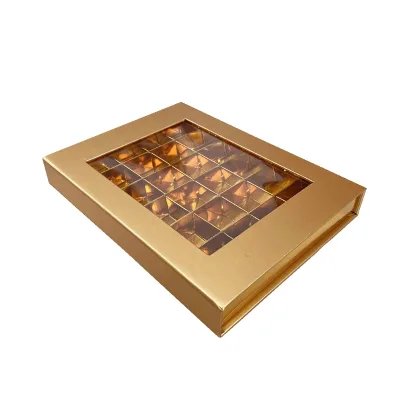


New Design Chocolate Packaging Empty Box Christmas Gift Packaging Paper Box
$0.29 - $0.69
MOQ: 500 Pieces


Custom Color-Printed Chocolate Paper Packaging Boxes & Candy Paper Boxes
$0.15 - $0.30
MOQ: 3000 Pieces


Chocolate Gift Boxes Paper Packaging with Customizable Colorful Logos Boxes
$0.15 - $0.30
MOQ: 3000 Pieces


Chocolate Boxes Packaging Rectangle Chocolate Covered Strawberry Paper Gift Box
$0.30 - $0.90
MOQ: 1000 Pieces


Custom Luxury Chocolate Box with Cover Gift Box Paper Chocolate Packaging Box
$0.30 - $0.90
MOQ: 1000 Pieces


Printed Paper Chocolate Box for Custom Branded Chocolate Packaging Solutions
$2.00 - $10.00
MOQ: 500 Pieces
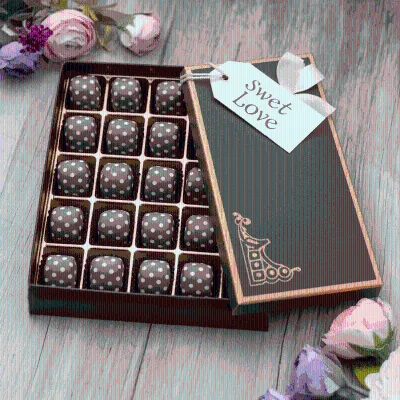


Recycled Cardboard Paper Chocolate Kraft Paper Food Packaging Box Gift Box
$0.15 - $0.52
MOQ: 1000 Pieces
Comprehensive Sourcing Guide
Strategic Sourcing Guide for Recyclable Embossed Chocolate Paper Boxes
Understanding Technical Specifications and Material Composition
When sourcing recyclable embossed chocolate paper boxes, buyers must first establish a clear understanding of the technical specifications that define product quality and functionality. The core material for these packaging solutions is typically paper-based, with observed variations including ivory board, gray paper, and coated paper. These materials are selected for their ability to provide structural integrity while maintaining the aesthetic appeal required for premium food products. The shape of the box is a critical variable, with market observations indicating a prevalence of square boxes, heart-shaped designs, and irregular shapes to accommodate different chocolate formats.
The surface finishing processes are equally vital to the product's value proposition. Embossing is a primary feature, often combined with hot stamping to create tactile and visual depth. This process enhances the perceived luxury of the chocolate inside. Additional surface treatments may include UV coating to provide a glossy finish and protect the printed design. The printing handling capabilities observed in the market include stamping and logo customization, allowing brands to apply their identity directly onto the packaging. The color palette available for these boxes is diverse, ranging from standard options like yellow, red, blue, green, and black to fully custom color requests.
Material composition extends beyond the paper type to include the lid construction. Suppliers offer lids made from paper, tin, PVC, PET, and OPP materials. For a strictly recyclable focus, paper and cardboard lids are the most aligned with sustainability goals, whereas plastic-based lids like PVC or PET may complicate the recycling stream depending on local infrastructure. The weight of the finished product is generally observed to be under 0.5 kg, ensuring the packaging remains portable and easy to handle during distribution. The standard packaging for these items often involves brown boxes or OEM packing, with export cartons used for bulk shipping to ensure protection during transit.
Compliance Verification and Certification Landscape
In the realm of food packaging, compliance is not merely a suggestion but a fundamental requirement. While specific certification data such as FSC, REACH, RoHS, ISO 9001, or ISO14000 are not explicitly confirmed in the provided product listings, buyers must treat these as critical verification points rather than assumed attributes. The supply chain for chocolate packaging is highly regulated, particularly regarding contact with food. Buyers should explicitly request documentation proving that the paper, inks, and adhesives used in the embossing and printing processes meet local food safety standards.
The term "recyclable" carries significant weight in procurement. To validate this claim, buyers must verify the specific paper grade used. Ivory board, gray paper, and coated paper are generally recyclable, but the presence of plastic coatings, laminations, or mixed-material lids (such as PVC or tin) can render the entire unit non-recyclable in standard municipal systems. Therefore, the verification process must involve a detailed review of the material composition sheet. Buyers should ask suppliers to provide test reports or declarations of conformity that confirm the absence of prohibited substances and the recyclability of the primary components.
Furthermore, the origin of the product plays a role in compliance. The observed production locations include Shandong and Guangzhou in China. While these are major manufacturing hubs, the regulatory environment and enforcement of environmental standards can vary. Buyers should ensure that the supplier adheres to international standards relevant to their target market. For instance, if exporting to the European Union, compliance with REACH regulations regarding chemical substances is essential. Similarly, for markets with strict forestry management requirements, FSC certification for the paper source is a common expectation. Without explicit confirmation from the supplier, these certifications should be treated as requirements to be met rather than existing facts.
Cost Drivers and Economic Factors in Procurement
The pricing structure for recyclable embossed chocolate paper boxes is influenced by a complex interplay of factors, with observed market prices ranging from $0.03 to $10.00 per unit. This wide range indicates that cost is not solely determined by the base material but heavily by the level of customization and the complexity of the finishing processes. The Minimum Order Quantity (MOQ) is another significant economic driver, with observed ranges spanning from 5 units to 5,000 units. This flexibility allows buyers to test the market with small batches or secure bulk rates for large-scale distribution.
Customization is a primary cost multiplier. The ability to accept custom orders, including specific sizes, shapes, and logo printing, adds value but also increases production complexity. The use of specialized processes like hot stamping and embossing requires additional tooling and machine time, which directly impacts the unit cost. The choice of lid material also affects the price; a paper lid is generally more cost-effective than a tin or PVC lid. Additionally, the paper type influences cost, with coated paper or high-quality ivory board potentially commanding a premium over standard gray paper.
Lead times are another economic consideration. The observed sample lead time is approximately 3 days, which is relatively fast. However, bulk production lead times are not explicitly stated in the provided data and should be verified with the supplier. Delays in production can disrupt supply chains, particularly for seasonal chocolate products. Buyers should negotiate clear terms regarding lead times and potential penalties for delays. The packaging method, whether standard export cartons or custom OEM packing, also adds to the overall cost. Bulk orders often benefit from economies of scale, reducing the per-unit cost significantly compared to small, single-item orders.
Typical Applications and Usage Scenarios
The versatility of recyclable embossed chocolate paper boxes makes them suitable for a wide array of applications beyond just confectionery. The observed usage categories include Arts and Crafts, Electronic Products, Jewelry, Food, Greeting Cards, Letters, Gifts, Cosmetic, Health Care Products, and Garment & Shoes. This broad applicability suggests that the design and structural integrity of these boxes can be adapted for various retail and gifting needs. For chocolate specifically, the box serves as a critical marketing tool, protecting the product while enhancing its presentation.
The shape of the box is often tailored to the specific product. Square boxes are ideal for standard chocolate bars or blocks, while heart-shaped boxes are frequently used for romantic gifts or Valentine's Day promotions. Irregular shapes can be designed to fit unique chocolate assortments or novelty items. The "Portable" and "Eco-Friendly" features highlighted in the product attributes make these boxes particularly suitable for gift-giving scenarios where the packaging is part of the experience. The ability to include a customized logo allows brands to create a cohesive identity across their product line.
In the context of food safety, the "Industrial Use" classification as "Food" confirms that these boxes are designed to handle edible products. However, the specific type of chocolate or food item must be compatible with the internal coating or treatment of the box. For non-food applications, such as jewelry or electronics, the box serves as a premium presentation case. The "Recyclable Materials" and "Recyclable" features are increasingly important for brands aiming to reduce their environmental footprint. By selecting boxes that align with these sustainability goals, companies can appeal to environmentally conscious consumers and meet corporate social responsibility targets.
Supplier Evaluation and Selection Criteria
Selecting the right supplier is a critical step in the procurement process. The observed supplier locations are primarily in China, with specific mentions of Shandong and Guangzhou. When evaluating potential partners, buyers should look for suppliers who demonstrate flexibility in customization. The ability to accept custom orders, including specific model numbers like CB001, MC411, and MC391, indicates a manufacturer capable of adapting to unique requirements. The acceptance of artwork formats such as PDF, AI, and Corel Draw is a standard expectation, but buyers should verify the supplier's capacity to handle these files efficiently.
Quality control is paramount. Buyers should inquire about the supplier's internal quality assurance processes. While specific test results are not provided in the source data, a reputable supplier should be able to demonstrate their commitment to consistency. The observation of "Customized" as a standard for product specifications suggests that suppliers are accustomed to producing tailored solutions. However, this also means that quality can vary between batches if not properly managed. Buyers should request samples to evaluate the embossing depth, color accuracy, and structural strength before committing to a large order.
Communication and responsiveness are also key indicators of a reliable supplier. The fast sample lead time of 3 days suggests a responsive production environment. Buyers should assess the supplier's ability to provide timely updates and resolve issues quickly. The variety of paper types and lid materials offered by suppliers indicates a broad capability, but buyers should ensure the supplier has experience with the specific materials they intend to use. Finally, the supplier's willingness to provide detailed information about their compliance status and sustainability practices is a strong indicator of professionalism and reliability.
Quality Control and Long-Term Procurement Considerations
Maintaining consistent quality over the long term requires a robust quality control strategy. Buyers should implement a sampling plan that includes checking the embossing quality, the adhesion of the logo, and the structural integrity of the box. The "Hot Stamping" and "Embossing" processes must be consistent across all units to ensure a premium feel. Any defects in these areas can significantly impact the brand's reputation. Regular audits of the production line and random sampling of finished goods can help identify and rectify issues early.
Long-term procurement considerations also involve building a sustainable supply chain. As environmental regulations tighten, the demand for truly recyclable packaging will likely increase. Buyers should prioritize suppliers who are proactive in adopting sustainable practices and materials. The "Recyclable" and "Eco-Friendly" attributes observed in the product listings are positive indicators, but continuous verification is necessary to ensure these claims remain valid as materials and processes evolve. Building a long-term relationship with a supplier can lead to better pricing, priority production slots, and collaborative innovation in packaging design.
Furthermore, buyers should consider the scalability of their packaging solution. As the business grows, the ability to increase order volumes without compromising quality or lead times is essential. The observed MOQ range of 5 to 5,000 units suggests that suppliers can accommodate growth, but buyers should confirm the upper limits of production capacity. Flexibility in design changes is also important, as market trends and brand identities evolve. A supplier who can quickly adapt to new shapes, colors, or materials will be a valuable partner in the long run. Finally, maintaining open communication regarding market trends and regulatory changes will help buyers stay ahead of the curve and ensure their packaging remains competitive and compliant.
FAQs
What paper types are used for recyclable embossed chocolate paper boxes?
These boxes typically use ivory board, gray paper, or coated paper to ensure structural integrity. The specific material choice depends on the desired finish and customization requirements, with options ranging from standard gray paper to premium coated varieties.
Can I request a custom shape for my chocolate packaging needs?
Yes, custom shapes including square, heart-shaped, and irregular designs are available for these boxes. Suppliers accept custom orders to accommodate different chocolate formats, allowing buyers to select specific shapes that match their product presentation goals.
How long does it take to receive a sample of the box?
Sample lead times are typically around 3 days for production. This quick turnaround allows buyers to evaluate the embossing quality and surface finishing before committing to larger bulk orders with specific customization requirements.
Which surface finishing processes are applied to these chocolate boxes?
Common finishing processes include hot stamping, embossing, and UV coating to enhance visual appeal. These treatments create tactile depth and protect the printed design, often combined with logo printing for brand identity on the packaging.
What is the typical price range for these recyclable packaging solutions?
Market prices for these boxes generally range from 0.03 to 10 USD per unit. The final cost depends heavily on the level of customization, the chosen paper type, and the complexity of the surface finishing processes applied.
Are these boxes suitable for food contact and safe for chocolate?
Yes, the industrial use classification confirms these boxes are designed for food applications like chocolate. However, buyers must verify specific material compliance and ensure that any coatings or adhesives meet local food safety standards before use.
What is the minimum order quantity for custom chocolate paper boxes?
Minimum order quantities typically range from 5 to 5000 units depending on the supplier and customization level. This flexibility allows buyers to test the market with small batches or secure bulk rates for large-scale distribution needs.