Source Recyclable Food Aluminum Foil Bag for Kitchen, Hotel, and Restaurant
Find 30 options for Recyclable Food Aluminum Foil Bag solutions tailored for household, hotel, and restaurant needs. Compare specifications such as PET/AL/PE structures, zipper closures, and custom printing to identify the right packaging for your business requirements; compare the available evidence and request quotations based on your requirements.
Key considerations
Products List


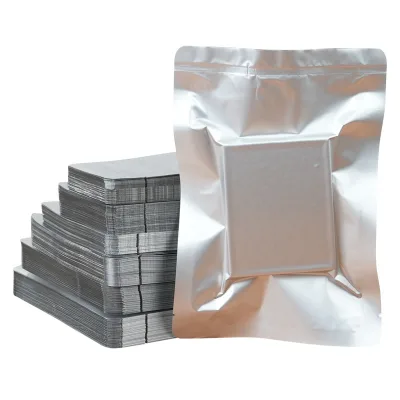

Recyclable Aluminum Foil Back Sealed Bag For Sustainable Food Packaging
$0.02 - $0.90
MOQ: 10000 Pieces


Aluminum Foil Resealable Ziplock Food Packaging Bag Stand up Pouch for Food Storage
$0.00 - $0.03
MOQ: 10000 Pieces
Comprehensive Sourcing Guide
Recyclable Food Aluminum Foil Bag Sourcing Guide
Buyers evaluating recyclable food aluminum foil bags must first distinguish between rigid foil rolls and flexible composite packaging structures. The observed market data indicates a clear split between single-zero foil rolls used for direct food wrapping and multi-layer composite bags designed for sealed storage. Understanding this distinction is critical, as the former relies on specific rolling characteristics like roughing and single-light surface states, while the latter utilizes complex material structures such as PET/AL/PE to ensure barrier properties.
Procurement decisions should also account for the diverse application spectrum ranging from kitchen use and refrigerator storage to industrial food packing and medicine containment. While some listings highlight eco-friendly features and recyclability, others focus on specific customization capabilities like zipper tops or heat-sealing closures. Buyers must align their specific usage requirements, such as household versus hotel service, with the correct product type to ensure the selected packaging meets both functional and sustainability goals without compromising food safety.
Product Scope and Observed Listing Signals
The current market listings reveal a wide variance in product dimensions, with widths typically ranging from 25cm to 60cm and lengths extending up to 300 meters for roll formats. For composite bag solutions, the scope often includes customized sizes and specific industrial uses like food packaging, where the material structure is engineered to provide a robust seal. Buyers should verify if the listed product is a continuous roll intended for in-house conversion or a pre-formed bag with features like zipper tops and heat-sealing handles.
Observations of listing signals show that customization is a dominant feature, with many suppliers accepting OEM requests and customized logo designs. The product origin is frequently cited as China, with specific manufacturing hubs like Dongguan City and Hebei emerging as key sources. When scanning listings, buyers should note that while some products are described as having a soft temper, others are defined by their composite material structure, requiring careful attention to the specific grade and intended use to avoid mismatches in performance.
Technical Specifications to Verify
Technical verification must begin with the material composition, specifically checking for the presence of aluminum layers within composite structures like PET/AL/PE to ensure adequate barrier protection against moisture and light. Buyers should confirm the thickness specifications, which range from 10 microns to 20 microns for flexible films, or verify if the product is a single-zero foil roll. The surface state, whether single light aluminum foil or coated, directly impacts the printability and sealability of the final package, making this a critical parameter for quality assurance.
Sealing mechanisms and closure types are equally vital, with heat-sealing and zipper tops being the most common features observed in the current supply base. Buyers need to ensure that the selected product supports the required sealing method, whether it is a simple heat seal for standard bags or a more complex zipper top for resealable applications. Additionally, the printing process, often gravure printing, must be compatible with the material surface to guarantee that branding and nutritional information remain legible and durable throughout the product's shelf life.
Compliance and Safety Documentation
Food-grade certification is a non-negotiable requirement for any aluminum foil bag intended for direct food contact or medicine containment. Buyers must request documentation confirming that the material meets food-grade standards, as the observed listings explicitly mention food-grade grades and industrial uses for food. Without this verification, there is a significant risk of chemical migration or contamination, which could lead to regulatory violations and potential health hazards for end consumers.
While some background information references ISO standards, buyers should not assume certification status without explicit proof from the supplier. Instead, the focus should be on obtaining specific test results or compliance certificates that validate the material's safety for its intended application, such as kitchen use or refrigerator storage. The standard for production should ideally align with customer requirements, ensuring that the packaging meets the specific regulatory frameworks of the destination market rather than relying on generic or unverified claims.
Cost Drivers and Commercial Terms
Pricing in this sector is heavily influenced by the complexity of the material structure and the extent of customization required. Products featuring multi-layer composites like PET/AL/PE or those with specialized printing and logo customization often command higher prices than standard single-layer foil rolls. Buyers should anticipate that the observed price range of 0 to 1.98 USD likely reflects basic unit costs for standard items, while complex, custom-engineered solutions will incur additional charges based on the specific design and material thickness.
Commercial terms such as FOB and CIF are standard, but the payment structure typically relies on TT (Telegraphic Transfer) agreements. Lead times are a significant cost driver, with production periods ranging from 15 to 25 working days, which can impact inventory planning and overall project timelines. Buyers must also consider shipping terms, which vary from sea freight to air express, as these choices will directly affect the final landed cost and the speed at which the packaging becomes available for use in their supply chain.
Supplier Qualification and Quality Control
Supplier qualification should prioritize manufacturers who demonstrate a clear capacity for customization, including the ability to accept OEM orders and produce customized logos. The observed data indicates that many suppliers offer free samples, which is a valuable tool for buyers to physically assess the material quality, sealing integrity, and print clarity before committing to a larger order. This hands-on verification is essential to ensure that the supplier's capabilities align with the buyer's specific technical and aesthetic requirements.
Quality control processes must be rigorously defined, with a focus on the consistency of the material structure and the reliability of the sealing mechanisms. Buyers should verify that the supplier adheres to their stated production standards, which are often based on customer requirements rather than a single universal standard. Establishing a clear communication channel for quality feedback is crucial, especially given the variance in product origins and the potential for differences in manufacturing practices across different regions within China.
Long-Term Procurement Checks
Sustainability and recyclability are becoming central to long-term procurement strategies, requiring buyers to continuously verify that the packaging remains compliant with evolving environmental regulations. The observed feature of recyclability suggests a market trend toward eco-friendly solutions, but buyers must ensure that the specific material structure, such as the PET/AL/PE composite, can be effectively processed in the recycling streams available in their target markets. This ongoing verification helps mitigate the risk of future regulatory non-compliance and supports corporate sustainability goals.
Supply chain resilience is another critical factor, necessitating regular audits of the supplier's production capacity and ability to meet fluctuating demand. With production times ranging from 15 to 25 working days, buyers should develop contingency plans to handle potential delays or supply disruptions. Regularly reviewing the supplier's performance against key metrics, such as on-time delivery and defect rates, ensures that the partnership remains robust and capable of supporting the buyer's long-term operational needs without interruption.
FAQs
Can I get free samples of recyclable food aluminum foil bags?
Free samples are available for this product upon request. Buyers can request a sample to verify the material structure and sealing quality before placing a bulk order for kitchen or food packaging needs.
What customization options exist for the aluminum foil bag model?
Customization is available for logos, dimensions, and packaging requirements. Buyers can specify the length between 3 to 300 meters and width from 25 to 60 centimeters to match their specific food packing applications.
How long does production take for custom aluminum foil bags?
Production time typically ranges from 15 to 25 working days. This duration applies to orders requiring specific customization such as gravure printing or unique sealing types like heat-sealing for household or hotel use.
Which materials are used for the Recyclable Food Aluminum Foil Bag?
The product uses a composite material structure consisting of PET, aluminum, and PE layers. This construction ensures the bag is food grade, eco-friendly, and suitable for refrigerator storage or kitchen use applications.
What are the standard thickness and width specifications for the roll?
The thickness ranges from 10 to 20 microns with a single zero foil structure. Width options span from 25 centimeters to 60 centimeters, allowing flexibility for various food packing and cosmetic packaging container sizes.
Can suppliers accept OEM orders with customized logos for this product?
Yes, OEM orders are accepted with customized logo designs available. Buyers can request specific graphic designs on the bag surface, which is coated and treated for durability in food and medicine packaging scenarios.
What payment and shipping terms are offered for these aluminum bags?
Payment terms include TT, while shipping can be arranged by sea, air, or express delivery. Buyers can choose FOB or CIF price terms based on their location and specific logistics requirements for the product origin.