Source Recyclable PET Urine Sample Cup for Vet Clinics
Source Recyclable PET Urine Sample Cup options from 30 verified listings. Compare specifications including CE and ISO certifications, material types, and customization features for veterinary diagnostic needs. Evaluate delivery times, payment terms, and packaging details to ensure the selected product meets your specific laboratory or hospital requirements efficiently.
Key considerations
Products List
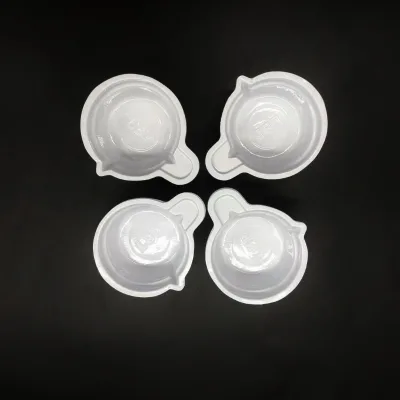

Urine Collection Cup Disposable Transparent PP Specimen Sample Urine Cup
$0.01 - $0.02
MOQ: 10000 Pieces


Disposable Plastic 100ml 120ml Urine Sample Cup Container Urine Specimen Cups
$0.04 - $0.50
MOQ: 100000 Pieces


Disposable Plastic Sterile Urine Specimen Collection Container Urine Cup
$0.10 - $0.20
MOQ: 100000 Pieces


Disposable Sterile 60ml Sample Urine Specimen Collection Container Cup
$0.03 - $0.06
MOQ: 10000 Pieces


Disposable Plastic Medical Sample Cup Container Urine Specimen Test Cup
$0.08 - $0.09
MOQ: 5000 Pieces


urine sample collection container plastic sterile Disposable urine sample cups
$0.05 - $0.08
MOQ: 20000 Pieces


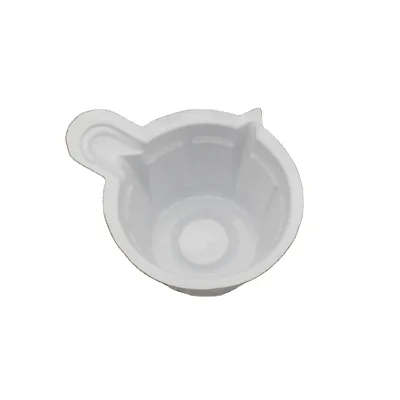

Comprehensive Sourcing Guide
Recyclable PET Urine Sample Cup Sourcing Guide
Procurement teams must first distinguish between standard medical-grade containers and those specifically engineered for veterinary or pet care applications. While the observed listings frequently cite "Patient" as the user group and "Laboratory or Hospital" as the place of use, buyers seeking recyclable options for pet urine collection must verify if the plastic material composition supports specific recycling streams. The available data confirms the use of plastic materials with customizable sizes, yet the term "recyclable" requires explicit confirmation from the supplier regarding the resin type and local disposal infrastructure compatibility.
Buyers should also scrutinize the distinction between disposable and reusable designs within the observed product range. The provided facts indicate a strong prevalence of disposable items, such as "Disposable Plastic Urine Cup" and "vacuum urine container," which are typically single-use. If the core requirement is a recyclable solution, the procurement strategy must focus on suppliers who can demonstrate that their plastic formulation allows for post-consumer recycling, rather than assuming standard medical disposables meet this environmental criterion without further verification.
Product Scope and Observed Listing Signals
The market signals indicate a wide variance in capacity, with observed standards ranging from 10ml to 150ml, suggesting that volume requirements for pet samples differ significantly from human clinical needs. Listings show models like "TJDUC01" and "TJMUC02" offering specific milliliter capacities, which allows buyers to match the cup size to the specific animal species or sample volume required. However, the "Customized" size attribute implies that standard off-the-shelf options may not perfectly align with unique pet care protocols, necessitating a clear definition of volume needs before engaging with manufacturers.
Pricing and minimum order quantities present another critical signal for budget planning, with observed prices ranging from $0.01 to $0.50 and MOQs spanning from 1 to 1,000,000 pieces. This broad range suggests that unit costs are highly sensitive to order volume and customization levels, such as logo printing or specific packaging. Buyers must determine if they require the "With Logo Printing" option or the "Without Logo Printing" variant, as these attributes directly influence the final commercial terms and the feasibility of meeting specific budget constraints for large-scale pet care facilities.
Technical Specifications to Verify
Verification of the physical dimensions and material integrity is paramount, as the observed product standards list various capacities including 30ml, 40ml, 50ml, and up to 150ml. Buyers must confirm that the plastic material used is chemically inert and suitable for urine storage without leaching, especially since the "Place of Use" includes laboratories where sample integrity is critical. The "Size: Customized" attribute offers flexibility, but it requires precise technical drawings to ensure the final product meets the specific ergonomic and volume requirements for pet urine collection.
Packaging and sterilization methods are equally vital technical considerations for maintaining sample sterility and preventing contamination. The data confirms that products undergo "Ethylene Oxide Sterilization" and are packed in options ranging from individual bags to boxes containing 50 or 100 pouches. Procurement teams must verify that the chosen packaging method, whether "Box or Customize" or "Packed in Bag," provides adequate protection during transit and storage, ensuring the sterile barrier remains intact until the moment of use in a veterinary or home setting.
Compliance and Safety Documentation
Regulatory compliance is a non-negotiable aspect of sourcing, with observed certifications including CE, ISO, and ISO13485, which are essential for medical device classification. The listings explicitly mention "CE/ ISO" and "FDA, ISOCE" certifications, indicating that many suppliers adhere to international safety standards. However, buyers must ensure that the specific regulatory type, noted as "Test Strips & Test Tube" in some contexts, aligns with the classification of urine specimen cups intended for pet use, as regulatory pathways can vary significantly between human and veterinary medical devices.
Safety standards such as "En 149 -2001+A1-2009" are cited in the product data, though this standard is typically associated with respiratory protection rather than fluid collection containers. This discrepancy highlights the need for buyers to rigorously verify that the cited standards are actually applicable to the specific product category of urine cups. Procurement teams should request updated test reports and specific compliance documentation to confirm that the product meets the relevant safety requirements for fluid containment and material safety in a veterinary context.
Cost Drivers and Commercial Terms
The total cost of ownership is heavily influenced by the chosen payment terms and delivery logistics, with "Tt" (Telegraphic Transfer) listed as a common payment method. Buyers must factor in the "Loading Port: Shanghai" and the "prod_origin: China" location when calculating landed costs, as shipping expenses and import duties will vary based on the destination country. The observed "Delivery Time" ranges from "Fast" to specific windows like "20-30 Days," which impacts inventory planning and the ability to respond to sudden demand spikes in pet care clinics.
Customization services, including "OEM, ODM: Acceptable" and "Logo Printing," represent significant cost drivers that can alter the unit price and minimum order requirements. While the "MOQ" can be as low as 1 piece in some listings, other entries specify an MOQ of 10,000 pieces, creating a stark contrast in entry barriers for different buyers. Procurement strategies must balance the desire for branded, customized packaging against the higher unit costs and larger volume commitments required to access these value-added services from the supplier.
Supplier Qualification and Quality Control
Quality assurance is supported by a "Quality Guarantee Period" of two years and claims of "Excellent" quality, yet these are general attributes that require validation through on-site audits or third-party inspections. The "Quality Certification: CE/ ISO" and "Certificate: CE, ISO13485" suggest a baseline of quality management systems, but buyers should verify the scope of these certificates to ensure they cover the specific manufacturing processes for urine collection devices. Relying solely on the listed "Quality" attribute without independent verification poses a risk to product consistency and patient safety.
Supplier reliability is further indicated by the "Delivery Time" consistency and the ability to handle large order volumes, with some listings showing an MOQ of 1,000,000 pieces. Buyers should assess the supplier's capacity to maintain consistent quality across different production batches, especially given the "Customized" nature of many orders. Establishing a robust quality control protocol that includes pre-shipment inspections and regular audits is essential to ensure that the "Excellent" quality claims translate into reliable performance for end-users in veterinary and laboratory environments.
Long-Term Procurement Checks
Sustainability and environmental impact are critical for long-term procurement strategies, particularly when the core keyword involves "recyclable" materials. Buyers must continuously monitor the supplier's ability to provide materials that meet evolving recycling standards and local waste management regulations. The current data does not explicitly confirm the recyclability of the plastic resin, so ongoing dialogue with the supplier regarding material composition and end-of-life disposal options is necessary to align with corporate sustainability goals.
Supply chain resilience should be evaluated by tracking the supplier's adherence to lead times and their ability to scale production during demand fluctuations. With observed delivery times ranging from "Fast" to "20-25 Days," buyers need to establish contingency plans for potential delays. Regular performance reviews against the "Quality Guarantee Period" and "Two Years" warranty terms will help identify any degradation in product quality or service reliability, ensuring a stable and secure supply of urine sample cups for long-term operations.
FAQs
What certifications do these urine sample cups have?
These urine sample cups hold CE and ISO certifications, including ISO 13485 for medical device quality management. Some models also feature FDA compliance. This ensures the products meet international safety and quality standards for laboratory and hospital use, providing reliable performance for patient testing procedures.
Can I customize the logo on the urine cups?
Yes, logo printing is available for many of these plastic urine specimen cups. You can choose between options with or without logo printing depending on your branding needs. Customization is generally acceptable, allowing you to tailor the packaging or product appearance to your specific business requirements effectively.
What is the typical delivery time for these cups?
The delivery time typically ranges from 20 to 30 days, though some suppliers offer faster shipping options. This lead time allows for proper manufacturing and quality checks. Fast delivery is often highlighted as a key service feature, ensuring that your laboratory or hospital supply chain remains uninterrupted.
What sizes are available for these plastic urine containers?
Available sizes include 10ml, 20ml, 30ml, 40ml, 50ml, 60ml, 80ml, 90ml, 100ml, 120ml, and 150ml. The standard sizes vary by model, with some offering universal options. These capacities cater to different laboratory testing requirements, ensuring you can select the precise volume needed for your specific diagnostic procedures.
What is the minimum order quantity for these cups?
The minimum order quantity can start as low as one piece, though some suppliers require a minimum of 10,000 pieces. This wide range allows flexibility for both small trial orders and large-scale procurement. You can negotiate MOQs based on your specific volume needs and the supplier's production capacity.
Where are these urine sample cups manufactured?
These urine sample cups are manufactured in China, specifically in regions like Yangzhou, Jiangsu. The products are shipped from major ports such as Shanghai. This location ensures access to robust manufacturing infrastructure and efficient logistics networks for global distribution to laboratories and hospitals worldwide.