Source Recycle Paper Soap Box with Hot Stamping for Beauty, Gifts, and Cosmetics
Compare 30 options for Recycle Paper Soap Box with Hot Stamping from verified Chinese manufacturers. Buyers can evaluate custom sizes, materials like corrugated paper, and surface finishes including spot UV and embossing for beauty and gift packaging needs.
Key considerations
Products List


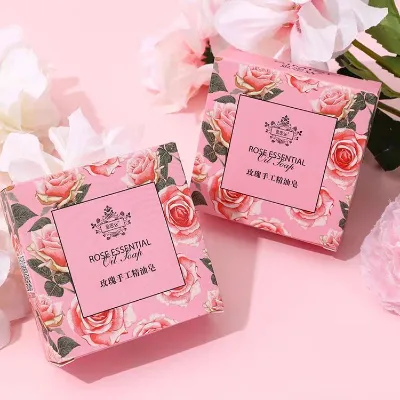


Personalized Custom Soap Paper Box Folding Soap Boxes with Logo Packaging
$0.01 - $0.12
MOQ: 1000 Pieces


Custom Soap Packaging Boxes Soap Paper Christmas Gift Box Boxes for Handmade Soaps
$0.01 - $0.12
MOQ: 1000 Pieces


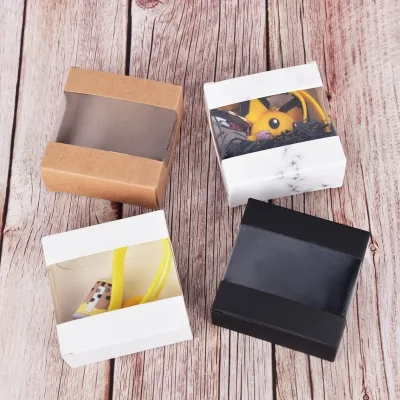


Different Sized Cardboard Display Paper Soap Box with Custom Printing Logo
$0.06 - $0.30
MOQ: 1000 Pieces


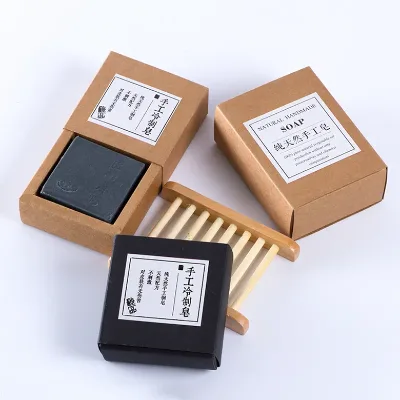
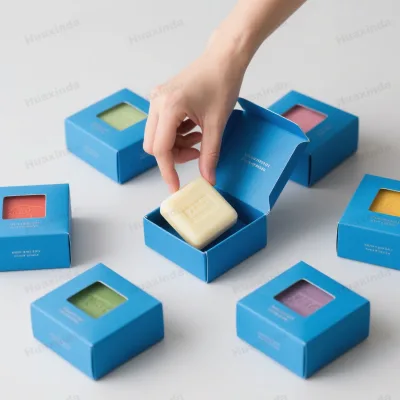
Biodegradable Custom Soap Paper Box Folding Soap Packaging Boxes with Logo
$0.01 - $0.27
MOQ: 500 Pieces




Comprehensive Sourcing Guide
Recycle Paper Soap Box with Hot Stamping Sourcing Guide
Sourcing recycled paper soap boxes with hot stamping requires a careful balance between aesthetic appeal, structural integrity, and environmental compliance. Buyers must navigate a market where "recycled" claims are often paired with premium finishing techniques like hot stamping, which can complicate recycling streams if not managed correctly. This guide provides evidence-based procurement strategies for sourcing these specific packaging solutions, focusing on verified attributes, technical verification, and commercial due diligence.
The following sections detail the critical decision points for procurement teams. We examine observed listing signals to establish a baseline for product variety, define the technical specifications that ensure fit and function, and outline the compliance documentation necessary for global trade. Additionally, we analyze cost drivers, supplier qualification methods, and long-term procurement checks to mitigate risk and ensure supply chain resilience.
Product Scope and Observed Listing Signals
The observed product landscape for soap packaging reveals a diverse range of customization options, with models such as "Taki Soap Box" and various numbered variants indicating a high degree of modular design. Listings frequently highlight the availability of OEM and ODM services, allowing buyers to tailor the packaging to specific brand identities. The core keyword suggests a focus on recycled materials, yet observed attributes also include virgin materials like C1S, C2S, and corrugated paper, indicating that buyers must explicitly verify the recycled content percentage rather than assuming all "paper" boxes meet sustainability criteria.
Visual and functional attributes observed in the market include a wide spectrum of colors, ranging from standard white and black to metallic options like gold and silvery, as well as mixed color profiles. Surface finishing plays a significant role in perceived value, with spot UV, embossing, matt or glossy lamination, and hot stamping being common techniques. These finishes enhance the premium feel of soap packaging but require careful coordination with the base material to ensure that the final product remains recyclable or compostable if that is a primary brand objective.
Technical Specifications to Verify
Thickness and dimensional accuracy are critical for protecting soap bars during transit and storage. Observed specifications indicate a typical board thickness of 0.3mm, with standard sizes such as 7x8x3cm and 6.7x7x2.7cm. However, the market also supports custom-made sizes, meaning buyers must provide precise internal dimensions to ensure a snug fit. It is essential to verify whether the quoted thickness refers to the single-wall board or includes additional structural layers, as this directly impacts the box's crush resistance and overall weight.
Material structure and paper type significantly influence the box's performance and sustainability profile. While some listings specify corrugated paper with E or F flute for enhanced cushioning, others rely on solid cardboard or cardstock for a sleeker appearance. Buyers should confirm the specific paper grade, such as C1S (Coated One Side) or C2S (Coated Two Sides), as this affects print quality and ink adhesion. Additionally, the shape is predominantly rectangular, but buyers should verify if the design includes unique structural elements like tuck-in flaps or magnetic closures, which may affect assembly time and material usage.
Compliance and Safety Documentation
Certification status is a primary concern for buyers targeting regulated markets or eco-conscious consumers. Observed listings frequently cite certifications such as CE, SGS, FDA, ISO, Reach, and FSC. While these certifications suggest a level of quality and safety, buyers must verify the scope of each certificate. For instance, FSC certification specifically addresses the responsible sourcing of wood fiber, which is crucial for validating "recycled" or sustainable claims. Buyers should request valid, up-to-date certificates and confirm that they cover the specific manufacturing facility and product line being sourced.
Food and cosmetic safety standards are equally important, especially since soap packaging may come into direct contact with the product. FDA and Reach compliance indicate that the materials used are safe for indirect food contact or cosmetic application, minimizing the risk of chemical migration. Buyers should also inquire about the ink and adhesive formulations used in the hot stamping and printing processes. Ensuring that these materials are non-toxic and compliant with local regulations is essential for maintaining brand integrity and avoiding regulatory penalties in export markets.
Cost Drivers and Commercial Terms
Pricing for recycled paper soap boxes with hot stamping is influenced by several key factors, including material costs, finishing complexity, and order volume. Observed price ranges vary significantly, reflecting differences in paper quality, print resolution, and the intricacy of the hot stamping design. Buyers should note that custom sizes and unique structural designs often incur additional tooling or setup fees. Understanding the breakdown of these costs helps in negotiating better terms and avoiding hidden charges that can erode profit margins.
Minimum Order Quantities (MOQ) and sample policies are critical commercial terms that impact cash flow and risk management. Observed MOQs typically range from 500 to 1000 pieces, with some suppliers offering lower quantities at a premium price. Sample times are generally short, ranging from 3 to 7 days, and some suppliers offer free samples to facilitate quick decision-making. Buyers should clarify whether sample costs are refundable upon placing a bulk order and confirm the shipping method for samples, as express shipping can add significant upfront costs.
Supplier Qualification and Quality Control
Supplier qualification begins with verifying their manufacturing capabilities and quality control processes. Buyers should assess whether the supplier offers comprehensive OEM services, including design support, material sourcing, and production management. The presence of advanced surface handling techniques, such as hot stamping and embossing, indicates a level of technical proficiency. However, buyers must also evaluate the supplier's ability to maintain consistency across large production runs, particularly when dealing with custom colors and finishes.
Quality control measures should be explicitly defined in the purchase agreement. Buyers should request a detailed quality inspection plan that includes checks for material thickness, print alignment, color accuracy, and structural integrity. Observing the supplier's packaging methods, such as carton packing or stand carton packing, is also important to prevent damage during transit. Establishing clear acceptance criteria and defect tolerance levels before production begins helps in managing expectations and resolving disputes efficiently.
Long-Term Procurement Checks
Long-term procurement success depends on building a resilient supply chain that can adapt to changing market demands and regulatory landscapes. Buyers should regularly review supplier performance metrics, including on-time delivery rates, defect rates, and responsiveness to issues. Maintaining open communication channels and conducting periodic audits can help identify potential risks early and foster a collaborative relationship with the supplier. This proactive approach ensures that the supply chain remains robust and reliable over time.
Sustainability trends are evolving rapidly, and buyers must stay informed about new regulations and consumer preferences regarding recycled materials. Regularly updating the product specifications to align with the latest environmental standards can enhance brand reputation and market competitiveness. Buyers should also explore opportunities for continuous improvement, such as optimizing packaging design to reduce material usage or exploring alternative finishing techniques that are more eco-friendly. By staying ahead of these trends, buyers can secure a competitive advantage in the growing market for sustainable soap packaging.
FAQs
Can I get a custom logo printed on the soap box?
Yes, you can get a custom logo printed on the soap box. The product accepts customized logos and offers logo printing services. You may provide your own design for printing in CMYK or Pantone colors.
What materials are used to make the soap packaging?
The soap packaging is made from corrugated paper, E flute, F flute, and cardboard paper. These materials ensure durability while maintaining a lightweight structure suitable for beauty and cosmetic product packaging needs.
How long does it take to receive a sample?
It takes 3 to 7 days to receive a sample depending on the specific order requirements. Some listings indicate a sample time of 3-5 days, while others suggest 5-7 days for preparation and delivery.
What certifications do the soap boxes hold?
The soap boxes hold certifications including CE, SGS, FDA, ISO, Reach, and FSC. These certifications ensure the packaging meets international safety and quality standards for food, cosmetic, and general gift applications.
What is the minimum order quantity for these boxes?
The minimum order quantity is typically 500 to 1000 pieces. Some specific listings state an MOQ of 1000 pieces, while others allow orders starting from 500 units for custom soap packaging solutions.
Can the box size be customized for my product?
Yes, the box size can be customized to fit your specific product dimensions. The product standard allows for custom-made sizes, with observed dimensions ranging from 6.7x7x2.7cm to 7x8x3cm for standard models.
What surface finishing options are available for the boxes?
Available surface finishing options include spot UV, embossing, and matt or glossy lamination. Hot stamping is also offered as a surface handling technique to enhance the visual appeal of the packaging.