Source Refillable Hair Dye Bottle with Applicators for Salon, Travel, Home
Explore 30 options for the Refillable Hair Dye Bottle with Applicators designed for salon, travel, and home use. Buyers can compare capacities, materials, and customization features to find suitable suppliers for cosmetic packaging needs.
Key considerations
Products List





Comprehensive Sourcing Guide
Strategic Sourcing Guide for Refillable Hair Dye Bottles with Applicators
The global demand for professional and at-home hair coloring solutions continues to drive the need for reliable, high-performance packaging. For procurement specialists and business owners, sourcing refillable hair dye bottles with applicators requires a nuanced understanding of material science, supply chain logistics, and regulatory compliance. The market offers a diverse array of options, ranging from standard salon-grade containers to specialized travel kits. This guide provides a comprehensive framework for evaluating suppliers and products, ensuring that the selected packaging meets both functional requirements and commercial viability.
Technical Specifications and Material Composition
The foundation of a successful sourcing strategy lies in the precise technical specifications of the product. When evaluating refillable hair dye bottles, the material composition is the primary determinant of chemical resistance and durability. The supplied data indicates that High-Density Polyethylene (HDPE) is a prevalent material choice for these containers. HDPE is favored for its excellent chemical resistance against the oxidizing agents found in hair dyes, ensuring that the bottle does not degrade or leach harmful substances into the product. In some instances, Polypropylene (PP) is also utilized, offering a different balance of rigidity and flexibility.
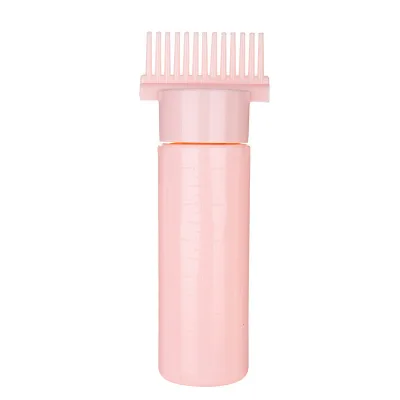
Capacity is another critical specification that varies significantly across product lines. Market observations reveal bottles available in 60ml and 120ml volumes, catering to different usage scenarios. The 60ml variant is often preferred for salon applications where precise, single-use or small-batch coloring is required, while the 120ml option serves larger professional needs or home users requiring a longer supply. The physical dimensions of the bottle are equally important; a typical thickness of 1 mm is observed in high-quality units, providing structural integrity without excessive material cost.
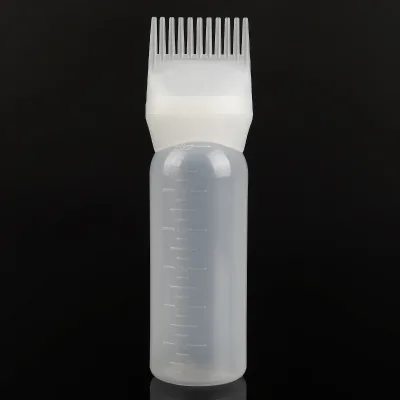
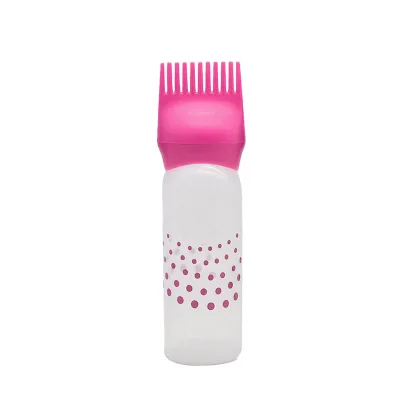
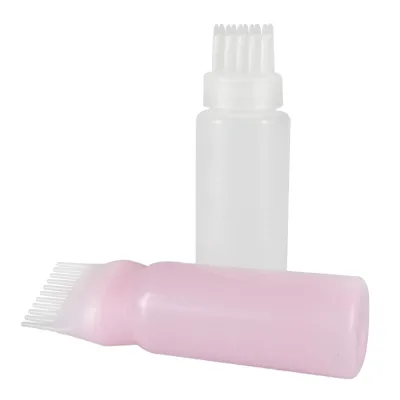
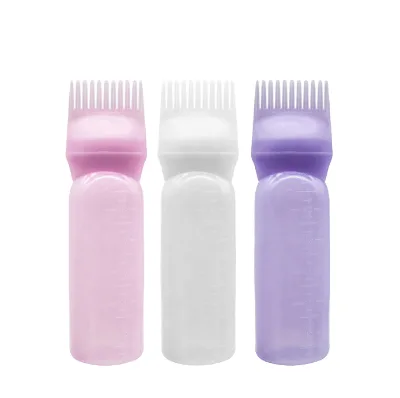
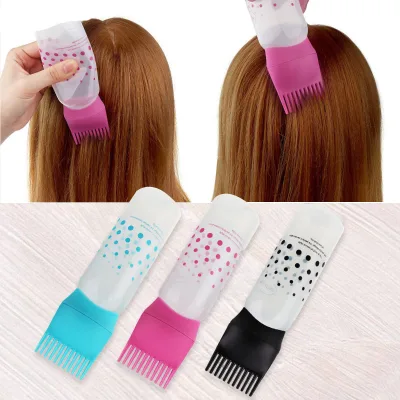
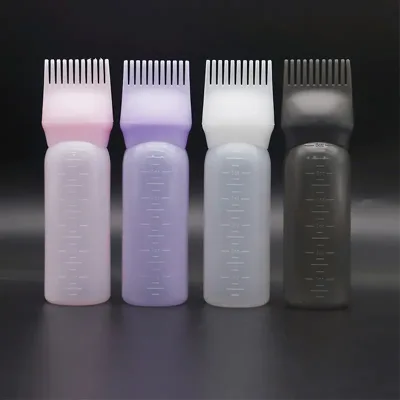
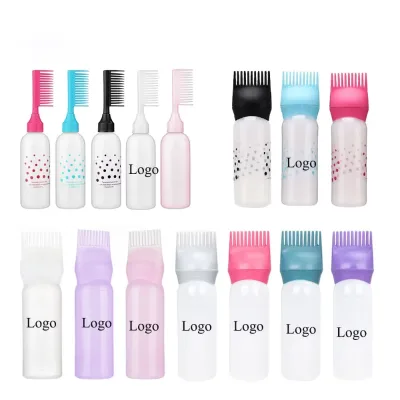
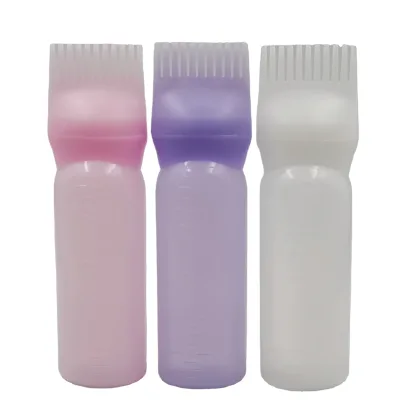
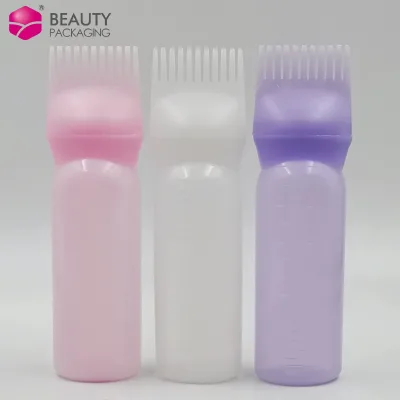
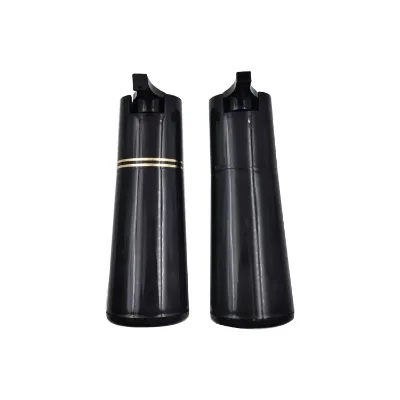
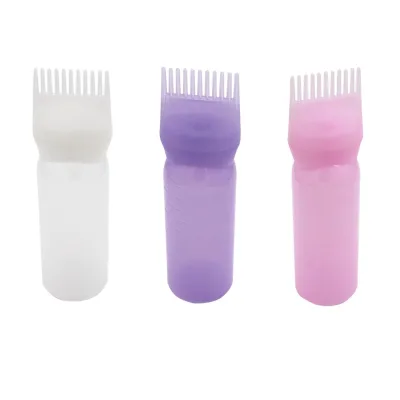
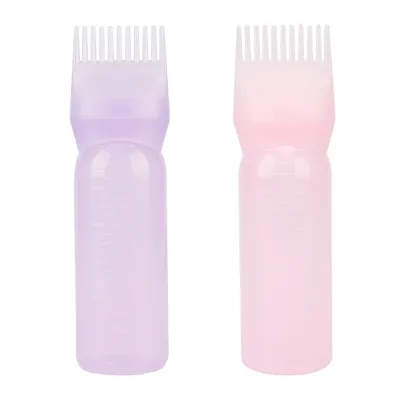
The design of the bottle often includes a round shape, which is ergonomic and efficient for manufacturing. The sealing mechanism typically involves screw-on lids, ensuring an airtight environment that prevents the dye from drying out or leaking during transit. Surface handling is a key differentiator; suppliers may offer options for label application or screen printing. This allows brands to customize the visual identity of the product, with color options ranging from standard white to vibrant shades like purple and pink, or fully customized color schemes to match brand aesthetics.
Compliance, Certification, and Safety Standards
While the specific certification status of individual suppliers is not universally standardized in the provided data, buyers must rigorously verify compliance with international safety standards. Hair dye products are classified as cosmetics, and the packaging must be inert and safe for human contact. The primary concern is the interaction between the plastic material and the chemical components of the dye, such as ammonia and hydrogen peroxide.
Buyers should request documentation confirming that the HDPE or PP materials used meet relevant food-grade or cosmetic-grade standards, depending on the jurisdiction. Although specific certification names are not listed in the general product attributes, the presence of a "Standard Shipping Carton" and "Standard Shipping" protocols suggests adherence to general logistics safety. Furthermore, the "Non-Disposable" nature of these bottles implies a requirement for durability that exceeds single-use standards, necessitating rigorous stress testing.
Regulatory compliance also extends to the labeling and printing processes. If the supplier offers screen printing or custom logos, the inks used must be non-toxic and resistant to fading or smudging when exposed to moisture or chemical splashes. The "Customized Logo" and "Custom Logo" attributes indicate that branding is a standard service, but the safety of the printing materials must be validated to ensure they do not contaminate the product or pose a risk to the end-user.
Cost Drivers and Economic Factors
Understanding the cost structure of refillable hair dye bottles is essential for budgeting and pricing strategies. The observed price range in the market spans from $0.10 to $1.45 USD per unit, a significant variance that reflects differences in material quality, volume, and customization levels. Several factors drive these costs.
First, the Minimum Order Quantity (MOQ) plays a substantial role. The data shows an MOQ range from 3 units to 10,000 units. Suppliers with an MOQ of 10,000 pieces often offer lower per-unit costs due to economies of scale, whereas smaller MOQs, such as 500 units, cater to startups or those testing new markets but at a higher price point. The "Selling Units" being a multiple of 1 suggests flexibility in ordering, but bulk purchasing is generally required to access the lower end of the price spectrum.
Second, customization is a major cost driver. Options for "Customized Logo," "Custom Color," and "OEM/ODM" services add value but increase the unit price. The inclusion of applicators, which are often integrated into the lid system, also impacts the final cost. Additionally, the gross weight per batch varies from 0.365 kg to 30.000 kg, influencing shipping costs. Heavier batches with larger packaging dimensions, such as 40x40x40 cm, will incur higher freight charges compared to compact shipments like 12x15x5 cm.
Typical Applications and Market Segmentation
Refillable hair dye bottles with applicators serve a broad spectrum of applications, from professional salons to home use and travel. The "Industrial Use" category is listed as "Cosmetic," confirming their primary function in the beauty industry. The "Usage" attribute specifies "Salon Hair Coloring 60ML Styling Tools," highlighting their role in professional settings where efficiency and hygiene are paramount.
For the travel market, the "Suitable for: Travel, Salon, Home" attribute indicates versatility. The compact 60ml bottles are ideal for travel kits, allowing users to carry small amounts of dye without the bulk of full-sized containers. The "Disposable: Non-Disposable" attribute is crucial here; these bottles are designed for multiple uses, reducing waste and offering a sustainable alternative to single-use packaging.
The "Age Group: All Ages" and "Gender: Unisex" attributes suggest that these products are universally applicable, making them suitable for a wide demographic. Whether for a professional stylist mixing custom colors or a consumer coloring their hair at home, the functionality remains consistent. The "Function: Cut, Wash" attribute, while seemingly broad, implies that the packaging system is part of a larger hair care ecosystem, designed to withstand the rigors of a salon environment.
Supplier Evaluation and Sourcing Strategy
When evaluating potential suppliers, buyers should focus on a holistic assessment of capabilities rather than isolated attributes. The "Place of Origin" is a critical factor, with data indicating production in China, specifically in regions like Hebei and Yuyao, Zhejiang. These regions are known for their manufacturing clusters in plastics and packaging, offering a mature supply chain.
Key evaluation criteria include the supplier's ability to handle customization. The availability of "Customized Logo" and "OEM ODM: Acceptable" services suggests that many suppliers are flexible in adapting to brand requirements. Buyers should verify the supplier's capacity to handle different "Plastic Types" and "Sealing Types" to ensure the final product meets specific chemical resistance needs.
The "Sample: Freely" and "Sample: Free" attributes indicate that most suppliers are willing to provide prototypes for testing. This is a vital step in the sourcing process, allowing buyers to assess the quality of the "Round Shape," the fit of the "Lids," and the durability of the "Screen Printing." Additionally, the "Gross weight per batch" and "Package size per batch" data points are essential for logistics planning. Buyers must calculate the total landed cost, including freight, by considering the varying batch sizes, which range from 12x15x25 cm to 40x40x40 cm.
Quality Control and Long-Term Procurement Considerations
Ensuring consistent quality is paramount in the cosmetic packaging industry. The "Thickness: 1 mm" specification serves as a baseline for structural integrity, but buyers must verify that this thickness is maintained across all production batches. Quality control should focus on the sealing mechanism to prevent leaks, especially given the liquid nature of hair dye. The "Surface Handling" methods, such as "Label" or "Screen Printing," must be durable and resistant to chemical exposure.
Long-term procurement considerations involve building a sustainable relationship with suppliers who can scale production as demand grows. The wide range of MOQs, from 3 to 10,000 units, offers flexibility for businesses at different stages of growth. However, for large-scale operations, negotiating a lower MOQ or securing a consistent supply chain for high-volume orders is advisable.
Buyers should also consider the environmental impact of their packaging choices. The "Refillable" nature of these bottles aligns with sustainability goals, reducing plastic waste. Verifying the recyclability of the HDPE or PP materials used is an important step in meeting corporate social responsibility (CSR) objectives. Finally, maintaining clear communication regarding "Customization" requirements and ensuring that all "Standard Shipping Carton" protocols are followed will help mitigate risks associated with damage during transit.
Comparative Analysis of Product Attributes
To facilitate decision-making, the following table summarizes key attributes observed in the market for refillable hair dye bottles with applicators. This comparison highlights the variability in specifications that buyers must navigate.
| Attribute | Observation 1 | Observation 2 | Observation 3 |
|---|---|---|---|
| Capacity | 60ML | 120ML | 80ML (Standard) |
| Material | HDPE | PP | Plastic (General) |
| Shape | Round Shape | Round Shape | Round Shape |
| Sealing Type | Lids | Lids | Lids |
| MOQ | 500 | 10,000 PCS | 3 (Low volume) |
| Price Range | $0.10 - $1.45 | $0.10 - $1.45 | $0.10 - $1.45 |
| Customization | Custom Logo | Custom Logo | Customized Logo |
| Origin | China | Hebei, China | Yuyao, Zhejiang, China |
| Gross Weight | 5.000 kg | 30.000 kg | 0.365 kg |
| Package Size | 12X15X25 cm | 40X40X40 cm | 12X15X5 cm |
This table illustrates that while the core function remains consistent, the specific implementation varies widely. Buyers must align their specific needs—such as required volume, budget constraints, and branding requirements—with the specific attributes offered by potential suppliers. By carefully analyzing these factors, procurement professionals can secure a reliable supply of high-quality refillable hair dye bottles that meet both operational and commercial objectives.
FAQs
What materials are used for refillable hair dye bottles?
The bottles are primarily made from HDPE or PP plastic to ensure chemical resistance against hair dye ingredients. Some variants also feature PE collars and are designed for salon or home use with a thickness of 1 mm for durability.
Which capacities are available for these refillable bottles?
Available capacities include 60ml and 120ml options to suit different professional and personal needs. The 60ml size is ideal for salon coloring tools, while the 120ml version supports larger styling applications or extended home use.
Can I get custom logos on these hair dye containers?
Yes, customized logos and colors are available to match your brand identity. Suppliers offer screen printing or label application services, allowing for white, purple, pink, or fully customized color schemes on the round-shaped bottles.
How does the MOQ vary for these packaging products?
Minimum Order Quantities range from as low as 3 units up to 10,000 pieces depending on the supplier. Lower MOQs like 500 units cater to startups, while higher volumes often provide better pricing for established businesses.
Where are these refillable bottles manufactured?
These products originate from China, with specific manufacturing hubs in Hebei and Yuyao, Zhejiang. The region offers a mature supply chain for plastic packaging, ensuring reliable production for cosmetic and salon applications.
What is the price range for these hair dye bottles?
The observed price range spans from 0.10 to 1.45 USD per unit based on volume and customization. Costs vary significantly due to factors like material type, packaging size, and whether the order meets high-volume thresholds.