Source Refractor Astronomical Telescope for Astronomy, Gifts, Travel
Compare 30 Refractor Astronomical Telescope models from Chongqing, China. Options include 400mm to 1200mm focal lengths with glass lenses, adjustable aluminum tripods, and OEM customization for astronomy, gifts, and travel applications; compare the available evidence and request quotations based on your requirements.
Updated
Key considerations
Products List


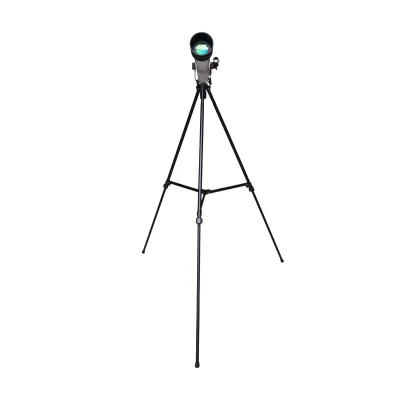
New 5" Refractor Monocular Terrestrial Astronomical Telescope with Tripod
$269.00 - $299.00
MOQ: 10 Pieces
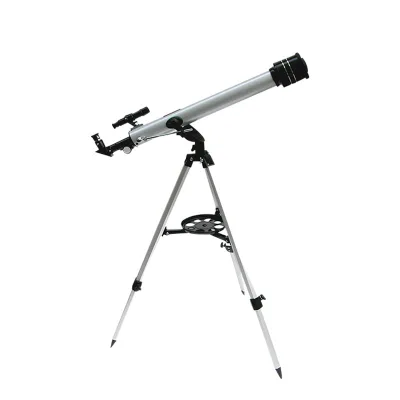
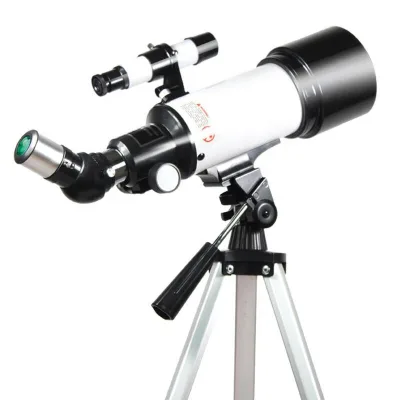
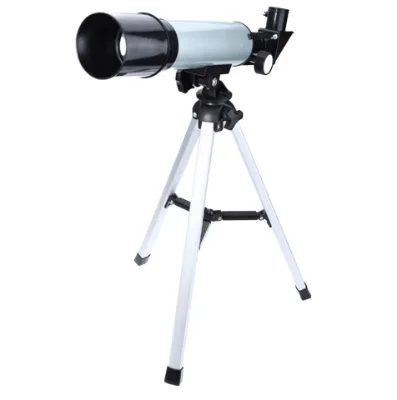
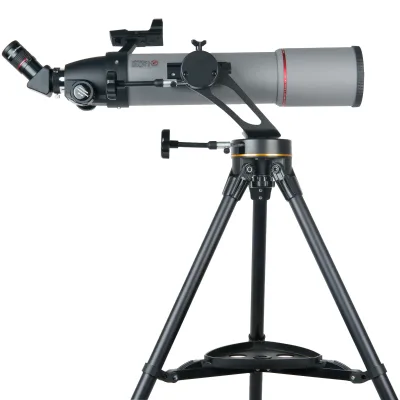
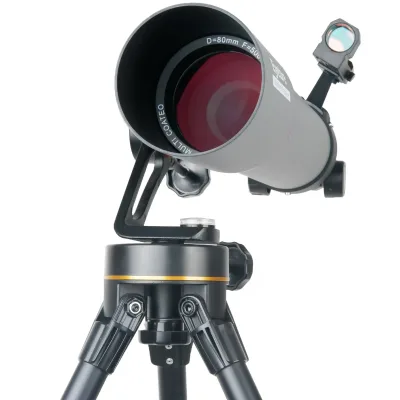
High Quality Professional Refractor Telescope with Equatorial Mount
$102.8155 - $153.1955
MOQ: 1 pieces

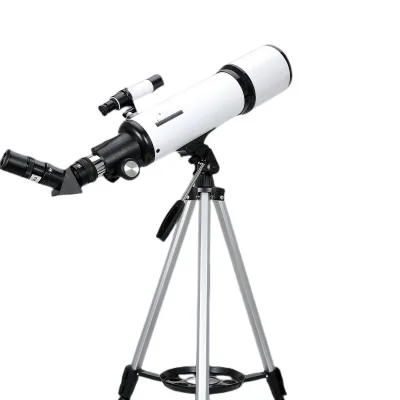
Refractor Astronomical Telescope with Erect Image Diagonal (BM-40070BG)
$25.00 - $30.00
MOQ: 200 Pieces


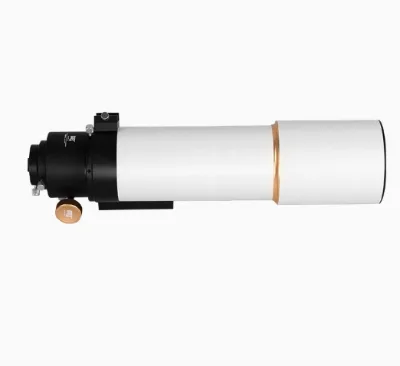
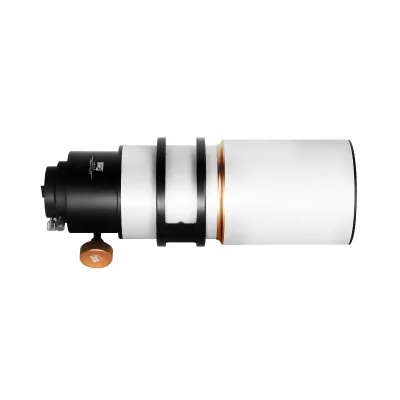
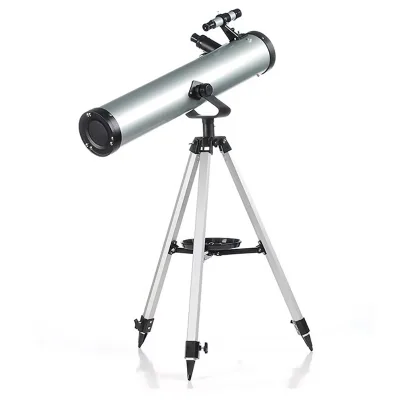
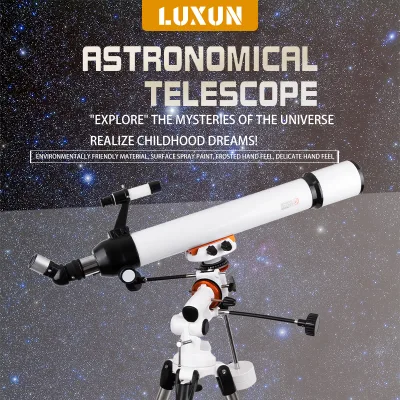


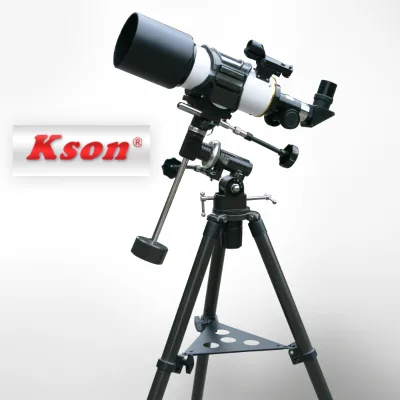
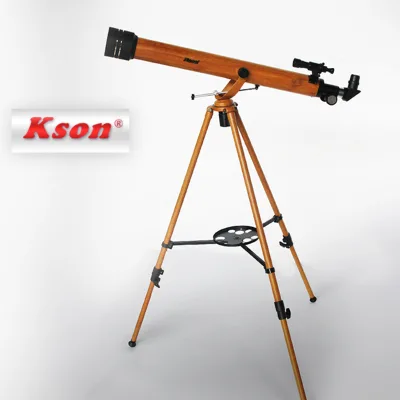
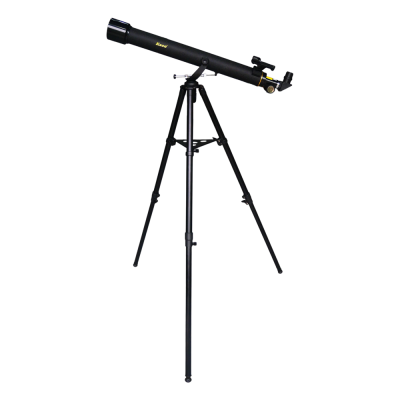
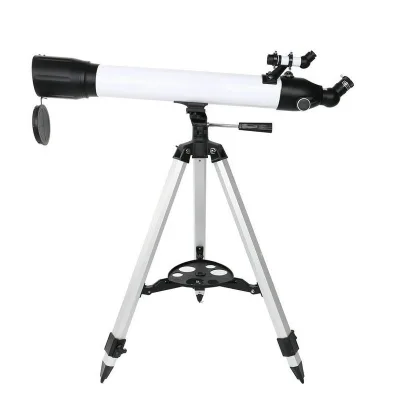
KTA70060U 700mm 3x Barlow Student Telescopes 60mm Astronomical Refraction Telescope
$50.6585 - $102.3514
MOQ: 1 pieces
Comprehensive Sourcing Guide
Refractor Astronomical Telescope Sourcing Guide
Buyers evaluating refractor astronomical telescopes must first distinguish between entry-level sports models and high-performance astronomical instruments based on observed listing signals. The market presents a wide spectrum of configurations, ranging from compact 400mm focal length units with 5x18 finders to robust 1200mm systems featuring 9x50 finders and internal focusing mechanisms. Understanding these distinct product tiers is essential before initiating any procurement dialogue, as the intended application dictates the necessary optical precision and structural stability.
Procurement teams should verify whether the listed aperture and focal length align with specific observational goals, noting that some listings specify apertures between 30mm and 50mm while others extend to 127mm. The presence of adjustable aluminum tripods and varying erecting eye specifications, such as 1.5x magnification, further differentiates the utility of each unit for travel or stationary astronomical use. Buyers must carefully cross-reference these physical attributes against their operational requirements to avoid acquiring equipment that lacks the necessary reach or stability for deep-sky observation.
Product Scope and Observed Listing Signals
The observed product range includes diverse models like the A4/400X40M and A4/1200X127EQ4, indicating a broad scope from portable spotting scopes to heavy-duty equatorial mounts. Listings frequently highlight customization availability, with OEM and ODM support allowing buyers to tailor branding and specific optical coatings to their distribution needs. This flexibility suggests that suppliers are prepared to accommodate private label requirements, provided the buyer can clearly define the target market segment and required performance thresholds.
Buyers must scrutinize the packaging and weight specifications, as gross weights can reach 34kg per piece for larger aperture models, significantly impacting logistics costs. The variation in packing materials, from standard cartons to aluminum cases and color boxes, reflects different protection levels for transit and retail presentation. It is critical to confirm that the selected packaging solution matches the fragility of the glass lenses and the precision of the internal focusing mechanisms to prevent damage during international shipping.
Technical Specifications to Verify
Optical performance verification requires a close examination of focal length ratios and aperture sizes, which directly influence light gathering and magnification capabilities. Specifications such as 400mm (F/10) or 1200mm (F/9.4) indicate distinct optical paths that must be matched to the intended eyepiece configurations, such as the 1.25-inch Pl6.5mm and Pl25mm sets observed in the data. Buyers should request detailed optical charts to ensure the multi-coating on glass lenses meets the transmission standards required for clear astronomical viewing.
Structural integrity and focusing mechanisms are equally critical, with internal focusing and center focusing types offering different operational advantages for field use. The diagonal prism angle, typically 90 degrees, and the finder scope magnification, ranging from 5x18 to 9x50, must be compatible with the main tube's optical axis to ensure accurate target acquisition. Procurement teams should verify that the most height specifications, which can reach 145cm, align with the ergonomic needs of the end-user to prevent fatigue during extended observation sessions.
Compliance and Safety Documentation
Regulatory compliance is a primary concern when sourcing optical instruments, particularly given the varied standards observed across different product listings. Some models explicitly reference CE and FCC certifications, which are essential for market access in North America and Europe, while others list generic model numbers as their standard. Buyers must insist on valid certification documents for every batch to ensure the electrical components, if any, and the optical materials meet the safety regulations of the destination country.
Safety documentation should also cover the mechanical stability of the tripod and mounting systems, especially for heavier units with 127mm apertures that require significant support. The origin of the product, consistently noted as Chongqing, China, implies a specific supply chain that may have unique export compliance requirements. Procurement teams should verify that the supplier can provide a Declaration of Conformity for the specific model being purchased, ensuring that the product does not violate any local import restrictions regarding optical devices.
Cost Drivers and Commercial Terms
Pricing in this sector is heavily influenced by aperture size, focal length, and the complexity of the mounting system, with observed ranges spanning from $6 to $390. Larger aperture models with equatorial mounts and internal focusing mechanisms command higher prices due to the precision engineering and materials required for the glass lenses and aluminum tripods. Buyers should analyze the cost per unit against the observed minimum order quantities, which range from 1 to 300 pieces, to determine the most economical procurement strategy for their volume needs.
Commercial terms must account for the significant weight and volume of these telescopes, which can result in high freight costs and complex customs clearance procedures. The gross weight of 34kg per piece for certain models necessitates careful calculation of shipping expenses, potentially favoring sea freight over air transport for large orders. Negotiating clear Incoterms is essential to define liability for damage during transit, especially given the fragile nature of the glass optics and the precision of the internal focusing mechanisms.
Supplier Qualification and Quality Control
Supplier qualification should focus on their ability to maintain consistent optical quality across different production batches, particularly for models with multi-coated glass lenses. The presence of OEM and ODM capabilities suggests that suppliers have the infrastructure to handle custom branding, but buyers must verify their quality control protocols for lens alignment and coating uniformity. Requesting pre-shipment samples is a prudent step to validate that the actual product matches the technical specifications provided in the listing.
Quality control processes must also address the mechanical durability of the adjustable aluminum tripods and the stability of the 90-degree diagonal prisms. Buyers should inquire about the supplier's testing procedures for the internal focusing mechanisms to ensure smooth operation without image shift or backlash. Establishing a clear acceptance criteria for resolution, such as the 1.1-inch or 4-inch values observed, will help ensure that the delivered telescopes meet the performance expectations of the end-user.
Long-Term Procurement Checks
Long-term procurement success depends on establishing a reliable supply chain that can consistently deliver products meeting the specified standards and performance metrics. Buyers should monitor the supplier's ability to maintain the 400x40 or 1200X127 standards over time, ensuring that any changes in materials or manufacturing processes do not degrade the optical quality. Regular audits of the production facility in Chongqing can help verify that the quality control measures remain effective and that the supplier adheres to the agreed-upon specifications.
Sustainability and after-sales support are also critical factors for long-term partnerships, particularly for high-value astronomical telescopes that may require maintenance or replacement parts. Buyers should confirm the availability of spare eyepieces, finderscopes, and tripod components to minimize downtime for their customers. Developing a clear communication channel for technical support and warranty claims will ensure that any issues with the refractor telescopes are resolved promptly, maintaining the reputation of the buyer in the market.
FAQs
What customization options are available for refractor astronomical telescopes?
Customization is available for these telescopes, supporting both OEM and ODM services. Buyers can request specific branding, such as Dontop or Eleroyal, and choose packaging options like cartons or color boxes. This flexibility allows businesses to tailor products to their market needs while maintaining the core optical performance of the refractor design.
What are the key specifications for the A4/400X40M model?
The A4/400X40M model features a 400mm focal length with an F/10 ratio. It includes a 90-degree diagonal prism and a 5X18 finder scope. The objective aperture ranges from 30 to 50mm, and it uses glass lenses with multi-coating. This model is designed for astronomical usage and originates from Chongqing, China.
Which certifications apply to the refractor telescope products?
Certifications include CE and FCC standards for specific models like the A4/600X50II. These certifications ensure compliance with international safety and electromagnetic compatibility regulations. Buyers should verify the specific standard associated with each model number, as standards vary across the product line, including specific model-based standards like 1200X127.
How does the focusing mechanism work in these telescopes?
Focusing mechanisms vary by model, including center focusing and internal focusing types. The A4/400X40M utilizes center focusing, while the A4/1200X127EQ4 employs internal focusing for smoother adjustments. These systems are integrated into the refractor structure to ensure precise image alignment for astronomical observation and other specialized uses.
What is the typical packaging for these astronomical telescopes?
Packaging options include cartons, color boxes, and aluminum cases depending on the model. For instance, the A4/400X40M uses carton packing, while the A4/1200X127EQ4 comes in a color box. The A4/700X127EQ4 is packaged in an aluminum case. These methods protect the optical components during transit from China.
Can buyers source refractor telescopes with adjustable aluminum tripods?
Yes, adjustable aluminum tripods are available for certain models, such as the A4/600X50II. These tripods support a maximum height of 125cm, providing stable mounting for the telescope. This feature enhances usability for astronomical observations by allowing users to adjust the viewing angle and height comfortably.