Source Refractories Fused Silica Powder for Casting Ceramic Construction
Compare 30 listings of refractories fused silica powder from verified Chinese suppliers. Buyers can evaluate specifications like purity, particle size, and packing options for casting, ceramic, and construction applications; compare the available evidence and request quotations based on your requirements.
Key considerations
Products List




Comprehensive Sourcing Guide
Refractories Fused Silica Powder Sourcing Guide
Sourcing high-purity fused silica powder for refractory applications requires a disciplined approach to material verification and supplier qualification. Buyers must navigate a market where product attributes vary significantly based on the intended end-use, whether for casting, ceramic manufacturing, or specialized chemical applications. The core challenge lies in distinguishing between generic silica products and those specifically engineered for high-temperature stability and chemical resistance. Procurement teams need to establish clear technical baselines before engaging with suppliers to ensure that the material meets the rigorous demands of refractory production processes.
This guide provides a structured framework for evaluating fused silica powder listings, focusing on critical technical specifications, compliance documentation, and commercial terms. By adhering to evidence-based verification steps, buyers can mitigate risks associated with inconsistent material quality and supply chain disruptions. The following sections detail the essential parameters to check, from silicon dioxide content to particle size distribution, ensuring that procurement decisions are grounded in observable data and industry-standard best practices rather than unverified marketing claims.
Product Scope and Observed Listing Signals
The observed market for fused silica powder reveals a diverse range of product models, including specific designations like GESEESIL-200 and generic classifications such as Silicon Dioxide or Silica. Listings frequently highlight applications in casting, ceramics, construction, and chemical industries, indicating the material’s versatility across multiple manufacturing sectors. Buyers should note that while some products are marketed for use in appliance paint or building coatings, others are explicitly positioned for refractory and high-temperature structural applications. Understanding this distinction is crucial for selecting the correct grade, as the purity and physical properties required for a refractory brick differ significantly from those needed for a coating additive.
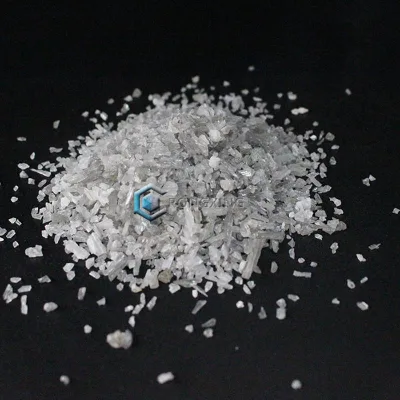
Observed listing signals also indicate variations in physical form and packaging, with products available as powder or sand, packed in bags ranging from 10kg to 1000kg. Some suppliers offer customization options, which can be vital for meeting specific particle size requirements, such as the 3.5um or 5-3mm models noted in the data. The presence of attributes like "White or Transparent" color and "Acidic Oxide" classification helps buyers quickly identify materials suitable for specific chemical environments. However, buyers must verify that the listed application aligns with their specific refractory needs, as general-purpose silica may not possess the necessary thermal shock resistance or purity levels for high-performance refractory solutions.
Technical Specifications to Verify
Silicon dioxide (SiO2) content is the primary technical metric for evaluating fused silica powder, with observed standards ranging from 99% to 99.9% minimum purity. Buyers must verify the exact SiO2 percentage required for their refractory formulation, as higher purity levels generally correlate with improved thermal stability and reduced impurity-related defects. In addition to chemical composition, physical properties such as density, hardness, and softening point are critical for assessing performance under stress. For instance, a softening point of 1700°C suggests suitability for high-temperature environments, while a hardness of 7 indicates resistance to abrasion and wear during handling and application.
Particle size distribution and morphology also play a significant role in the performance of fused silica powder in refractory applications. Listings mention models like 3.5um and 200f, which likely refer to specific mesh sizes or particle diameters. Buyers should request detailed particle size analysis to ensure the powder integrates correctly with other refractory materials, affecting both the packing density and the final mechanical strength of the product. Furthermore, the coefficient of thermal expansion, observed at 0.1 in some listings, is a key factor in determining the material’s resistance to thermal shock. Verifying these physical parameters against industry standards ensures that the selected powder will perform reliably in demanding refractory conditions.
Compliance and Safety Documentation
Certification status is a fundamental requirement for sourcing refractory materials, with ISO certification being a common indicator of a supplier’s commitment to quality management systems. Buyers should request valid ISO certificates to verify that the supplier adheres to internationally recognized standards for production and quality control. This documentation provides assurance that the manufacturing processes are consistent and that the product specifications, such as SiO2 content and particle size, are maintained within acceptable tolerances. Without proper certification, there is a higher risk of receiving materials that do not meet the specified technical requirements, leading to potential failures in the final refractory product.
Safety data sheets (SDS) and material safety information are equally important, particularly given the chemical nature of silica products. Buyers must ensure that suppliers provide up-to-date SDS documents that detail handling, storage, and emergency procedures. The classification of the product as an acidic oxide and its potential use as a desiccant or sorbent necessitates careful handling to prevent health risks associated with silica dust inhalation. Additionally, verifying the drying method, such as static drying, can provide insights into the moisture content and stability of the powder, which is crucial for maintaining the integrity of refractory mixes during storage and application.
Cost Drivers and Commercial Terms
The price range for fused silica powder is broad, observed between $0.5 and $8000, reflecting variations in purity, particle size, and packaging. Buyers should analyze cost drivers such as the SiO2 content, with higher purity grades typically commanding a premium. The minimum order quantity (MOQ) also influences pricing, with ranges from 1 to 2000 units affecting the per-unit cost due to economies of scale. Understanding these factors helps buyers negotiate better terms and align their purchasing volume with their production needs, avoiding excessive inventory costs or supply shortages.
Packaging and logistics are significant components of the total cost of ownership. Listings show diverse packaging options, from 10kg bags to 1000kg bags, and even bulk shipments like 2mt in 20’ GP containers. Buyers should evaluate the cost implications of different packaging methods, considering factors such as handling efficiency, storage space, and potential material loss during transfer. Additionally, the origin of the product, often listed as China or specific provinces like Jiangxi and Henan, can impact shipping costs and lead times. Establishing clear commercial terms regarding delivery schedules and payment methods is essential for managing cash flow and ensuring timely receipt of materials.
Supplier Qualification and Quality Control
Supplier qualification involves a thorough assessment of the manufacturer’s capabilities and quality control processes. Buyers should verify the supplier’s production capacity, testing facilities, and ability to provide consistent product quality. The presence of attributes like "First Class" quality and specific brand names, such as Rongxing, can serve as initial indicators of supplier reputation, but direct verification is necessary. Requesting samples for independent testing is a critical step to confirm that the material meets the specified technical requirements, including SiO2 content, particle size, and physical properties.
Quality control protocols should be established to monitor incoming materials and ensure they meet the required standards. Buyers should implement a robust inspection process that includes visual checks for color and consistency, as well as laboratory tests for chemical composition and particle size distribution. Regular audits of the supplier’s quality management system can help identify potential issues before they impact production. By maintaining open communication with suppliers and establishing clear quality expectations, buyers can build a reliable supply chain that supports the consistent production of high-quality refractory products.
Long-Term Procurement Checks
Long-term procurement success depends on continuous monitoring of supplier performance and market trends. Buyers should regularly review supplier delivery times, product consistency, and responsiveness to issues. Establishing key performance indicators (KPIs) for quality and service can help track supplier performance over time and identify areas for improvement. Additionally, staying informed about changes in industry standards and technological advancements in refractory materials can help buyers adapt their sourcing strategies to meet evolving customer demands.
Building a diversified supplier base is a prudent strategy to mitigate supply chain risks. Relying on a single supplier can expose buyers to disruptions caused by production issues, logistical challenges, or geopolitical factors. By qualifying multiple suppliers, buyers can ensure continuity of supply and maintain competitive pricing. Regularly re-evaluating the supplier portfolio and conducting periodic performance reviews will help maintain a resilient and efficient procurement process, ensuring that the organization can meet its production goals and deliver high-quality refractory products to its customers.
FAQs
What is the purity level of refractories fused silica powder?
The product typically contains 99% to 99.9% minimum silicon dioxide. This high purity ensures excellent thermal stability and chemical resistance. Industrial grade standards are commonly applied to meet rigorous manufacturing requirements for advanced ceramic and casting applications.
Can this powder be customized for specific industrial needs?
Yes, customization is available to suit distinct operational requirements. Buyers can request specific particle sizes or packaging formats. This flexibility allows manufacturers to integrate the material seamlessly into existing production lines for coatings, ceramics, or chemical processes.
What packaging options are provided for bulk orders?
Standard packaging includes 1000kg bags or 10kg bags with pallets. Some variants use kraft bags with cartons for added protection. These options ensure safe transport and storage, maintaining product integrity during shipping and handling across global supply chains.
Which certifications verify the quality of this silica powder?
ISO certification is a key quality indicator for this material. It confirms adherence to international management standards for production and quality control. This certification helps buyers ensure consistent product performance and reliability in critical industrial applications and supply chain audits.
What are the primary applications for fused silica powder?
It is widely used in casting, ceramics, construction, and chemical industries. The material also serves as a glidant, emulsion stabilizer, and anticaking agent. Its versatility supports diverse applications ranging from appliance paints to plastic coatings and specialized industrial formulations.