Source Refrigerator Child Safety Lock for Cabinet, Drawer, and Door
Source Refrigerator Child Safety Lock options for cabinets, drawers, and doors. Compare 30 models from Zhejiang suppliers featuring ABS materials, quick install designs, and various colors to ensure baby safety and prevent injuries; compare the available evidence and request quotations based on your requirements.
Updated
Key considerations
Products List


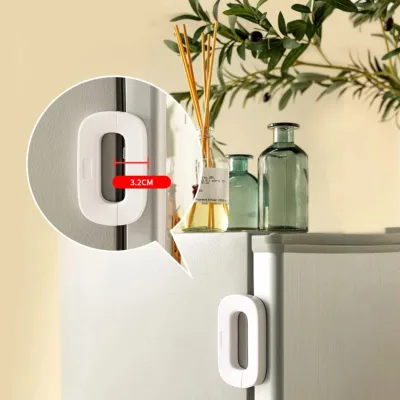
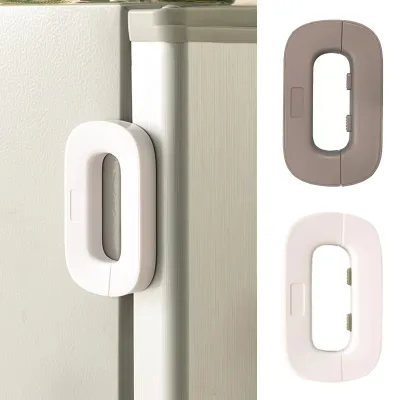
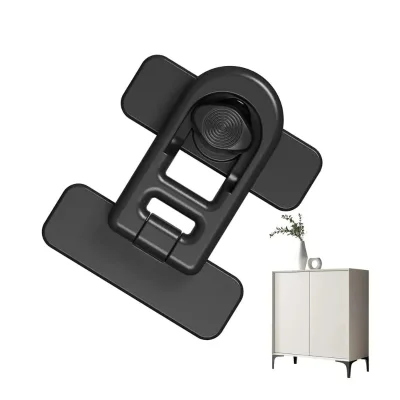
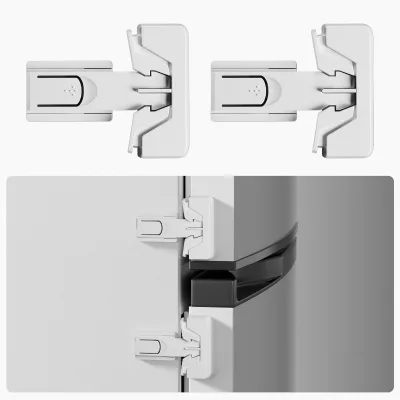
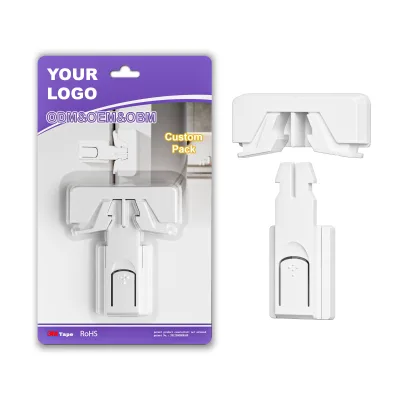


White Child Safety Drawer Lock Refrigerator Cabinet Water Dispenser Baby Safety Lock
$0.29 - $0.35
MOQ: 2000 pieces

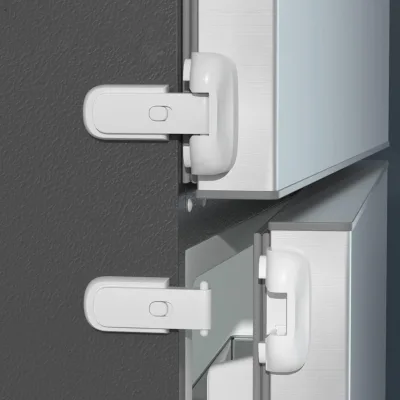
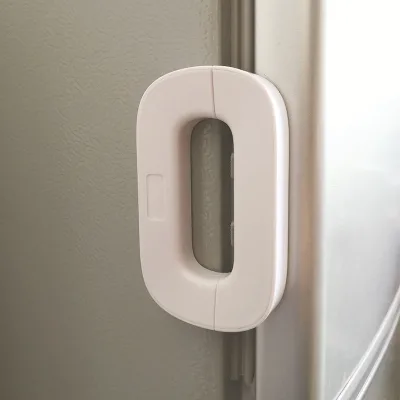


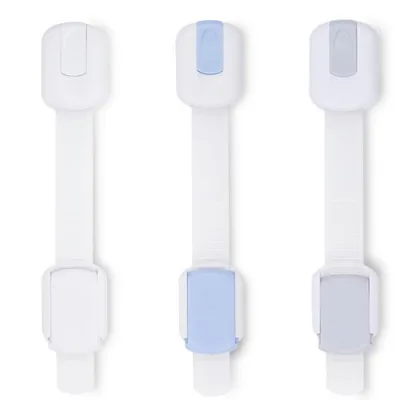
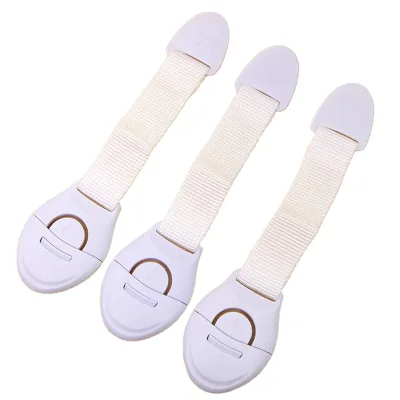
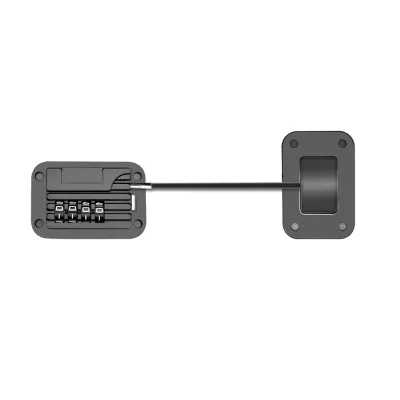
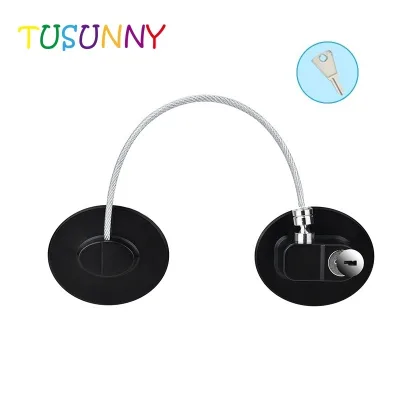
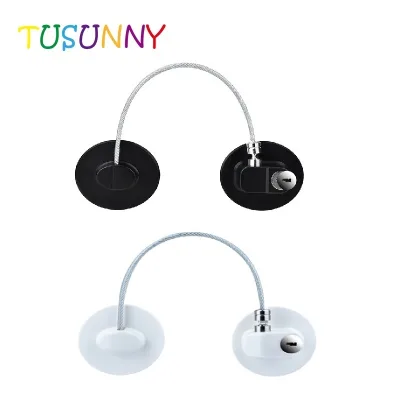
Comprehensive Sourcing Guide
Refrigerator Child Safety Lock Sourcing Guide
Procuring refrigerator child safety locks requires a strategic approach that balances immediate safety needs with long-term supply chain reliability. These devices are critical for preventing accidental access to hazardous contents or temperatures, making them a staple in baby-proofing kits and household safety product lines. Buyers must navigate a market characterized by diverse material compositions and installation methods, ensuring that the selected locks meet specific functional requirements for different cabinet and drawer types. The core challenge lies in identifying suppliers who can consistently deliver products that adhere to strict safety standards while maintaining competitive pricing structures.
This guide outlines the essential steps for sourcing these locks effectively, focusing on technical verification, compliance documentation, and commercial terms. By understanding the nuances of product specifications and supplier qualifications, procurement professionals can mitigate risks associated with product failure or regulatory non-compliance. The following sections provide a structured framework for evaluating potential suppliers, assessing product quality, and establishing robust quality control measures. This disciplined approach ensures that the final procurement decision is grounded in verified data and aligns with the organization’s broader safety and operational goals.
Product Scope and Observed Listing Signals
The observed market for refrigerator child safety locks reveals a diverse range of product types, primarily categorized by their application and material composition. Listings indicate that these locks are commonly used for cabinets, drawers, and specifically refrigerators, with some models designed for indoor use in general. The materials observed include ABS and combinations of ABS with POM, suggesting a focus on durability and resistance to wear. Product models such as rll03, CSD1029, JY-A2870, JY-A3236, and D701 highlight the variety of designs available, each potentially suited for different installation scenarios and user preferences.
Pricing signals in the market range from $0.11 to $4.19 USD, reflecting significant variation based on features, packaging, and brand positioning. Minimum order quantities (MOQs) vary widely, from as low as one unit to 2000 units, catering to both small-scale retailers and large distributors. Packaging options include OPP bags, boxes, and cardboard boxes, with single package sizes ranging from compact dimensions like 1x1x1 cm to larger shipping boxes measuring 50x50x50 cm. These signals suggest that buyers should carefully evaluate the total landed cost, including packaging and logistics, rather than focusing solely on the unit price.
Technical Specifications to Verify
When verifying technical specifications, buyers must pay close attention to the physical dimensions and weight of the locks to ensure compatibility with their target products. Observed specifications include sizes such as 10x7.6 cm, L217xW38xH20 mm, and 111x66x23 mm, with weights ranging from 19g to 47.8g. These variations impact the ease of installation and the aesthetic integration into different furniture types. Additionally, the lock types observed include box locks and furniture locks, with features such as quick installation and easy handling being key selling points. Buyers should verify that the selected model meets the specific mechanical requirements of their application, such as the holding strength and durability of the adhesive or mounting mechanism.
Color options observed include grey, white, and black, allowing for customization to match various interior designs. The style is often described as modern simplicity, which appeals to contemporary consumer preferences. It is crucial to verify the single gross weight and package dimensions for accurate shipping calculations, as these factors directly influence logistics costs. Buyers should also confirm the availability of customization options, as some suppliers offer tailored solutions for specific branding or functional needs. Ensuring that the technical specifications align with the end-user’s requirements is essential for minimizing returns and enhancing customer satisfaction.
Compliance and Safety Documentation
Compliance and safety documentation are paramount when sourcing refrigerator child safety locks, as these products directly impact child welfare. Buyers must ensure that suppliers provide evidence of adherence to relevant safety standards, although specific certification names are not detailed in the observed listings. It is essential to verify that the materials used, such as ABS and POM, are free from harmful substances and meet international safety regulations. Buyers should request material safety data sheets (MSDS) and test reports from accredited laboratories to confirm the non-toxic nature of the products. This due diligence helps mitigate legal risks and ensures that the products are safe for use in households with young children.
Additionally, buyers should inquire about the testing procedures employed by the supplier to validate the effectiveness of the locks in preventing baby injuries. Documentation should include results from durability tests, adhesive strength tests, and child-resistance tests. It is also important to verify that the supplier follows good manufacturing practices (GMP) to maintain consistent quality across production batches. Buyers should establish clear communication channels with suppliers to address any compliance concerns promptly. By prioritizing comprehensive safety documentation, buyers can build trust with their customers and uphold their brand’s reputation for safety and reliability.
Cost Drivers and Commercial Terms
Cost drivers for refrigerator child safety locks include material costs, manufacturing complexity, packaging, and logistics. The observed price range of $0.11 to $4.19 USD reflects these variations, with higher prices often associated with premium materials, advanced features, or branded products. Buyers should analyze the cost structure to identify opportunities for negotiation and cost optimization. Packaging costs can be significant, especially for products shipped in individual boxes or custom-branded OPP bags. Logistics costs are influenced by the weight and dimensions of the packages, with larger boxes incurring higher shipping fees.
Commercial terms such as MOQs, payment terms, and lead times also impact the overall cost of procurement. MOQs ranging from one to 2000 units offer flexibility but may affect pricing tiers. Buyers should negotiate favorable payment terms to manage cash flow effectively. Lead times should be clearly defined to ensure timely delivery and avoid stockouts. It is advisable to establish long-term partnerships with suppliers to secure better pricing and priority production slots. By carefully managing these commercial terms, buyers can optimize their procurement strategy and enhance their competitive position in the market.
Supplier Qualification and Quality Control
Supplier qualification is a critical step in ensuring the reliability and quality of refrigerator child safety locks. Buyers should conduct thorough due diligence to assess the supplier’s manufacturing capabilities, quality management systems, and track record. This includes verifying the supplier’s location, with many observed suppliers originating from Zhejiang, China, a hub for plastic and hardware manufacturing. Buyers should request factory audits or third-party inspection reports to confirm compliance with quality standards. It is also important to evaluate the supplier’s ability to provide customization services, as this can add value to the final product.
Quality control measures should be established to monitor production consistency and product performance. Buyers should implement incoming quality control (IQC) checks to verify that received goods meet the specified standards. Regular audits and performance reviews can help identify areas for improvement and ensure continuous quality enhancement. Buyers should also establish clear communication protocols with suppliers to address any quality issues promptly. By prioritizing supplier qualification and robust quality control, buyers can minimize risks and ensure that their products meet the highest safety and quality standards.
Long-Term Procurement Checks
Long-term procurement checks are essential for maintaining the integrity and reliability of the supply chain for refrigerator child safety locks. Buyers should regularly review supplier performance metrics, including on-time delivery rates, product quality, and responsiveness to issues. This ongoing evaluation helps identify potential risks and opportunities for improvement. Buyers should also stay informed about changes in safety regulations and market trends to ensure that their products remain compliant and competitive. Regular communication with suppliers can foster stronger relationships and facilitate collaborative problem-solving.
Additionally, buyers should periodically reassess their sourcing strategy to identify alternative suppliers or new product opportunities. This proactive approach helps mitigate supply chain disruptions and ensures access to the best available products. Buyers should also monitor customer feedback to identify any emerging safety concerns or feature requests. By implementing these long-term procurement checks, buyers can sustain a high level of product quality and customer satisfaction. This disciplined approach to procurement management ensures that the organization remains agile and responsive to changing market conditions.
FAQs
What materials are used for refrigerator child safety locks?
These locks are primarily constructed from durable ABS plastic or a combination of ABS and POM materials. This composition ensures high strength and resistance to wear during frequent use. The materials are selected to provide a secure hold on cabinet doors and drawers while remaining safe for baby environments. Some models feature a modern simplicity style with grey or white color options to blend with kitchen decor.
How do I install a child safety lock on a drawer?
Installation is designed to be quick and easy without requiring complex tools. Most models feature a self-adhesive or screw-mount design that attaches directly to the cabinet surface. You simply clean the surface, align the lock mechanism, and press or screw it into place. The compact size, such as 111*66*23mm, allows for precise placement on standard drawer fronts or refrigerator doors to prevent accidental opening.
Can these locks be customized for specific cabinet sizes?
Yes, customization is available for many of these child safety locks to fit specific cabinet dimensions. Manufacturers offer various standard sizes, such as 10*7.6CM or L217*W38*H20mm, to accommodate different drawer and door thicknesses. Buyers can request tailored specifications to ensure a perfect fit for their unique furniture. This flexibility helps in securing irregularly shaped or non-standard kitchen cabinets effectively.
What is the typical packaging for these safety locks?
Packaging varies by model but typically includes OPP bags, individual boxes, or cardboard boxes for bulk shipping. For instance, some items are packed in single OPP bags for retail, while others use sturdy cardboard boxes measuring 50x50x50cm for wholesale. The single package size is often compact, such as 10X12X3 cm, to minimize shipping volume. This ensures products arrive in good condition and are easy to store or display.
Where are these refrigerator locks manufactured?
These locks are predominantly manufactured in Zhejiang, China, a major hub for hardware and plastic product production. The origin ensures access to high-quality ABS materials and efficient manufacturing processes. Many suppliers in this region specialize in baby safety products, offering competitive pricing and reliable quality control. Buyers can source directly from these factories to benefit from established supply chains and consistent product standards.
What is the minimum order quantity for these locks?
The minimum order quantity (MOQ) typically ranges from 1 to 2000 pieces, depending on the supplier and customization needs. Small buyers can often order single items or small batches for testing, while larger orders benefit from volume discounts. This flexible MOQ structure allows businesses of all sizes to procure these safety locks. It supports both retail resale and large-scale institutional procurement for nurseries or childcare centers.