Source Renault Fuel Injector Nozzle for Engines, Cars, Trucks
Find 30 listings for the Renault Fuel Injector Nozzle, including steel components for diesel and gasoline engines. Compare OEM and custom-made parts from Chinese suppliers with ISO9001 certification. Evaluate specifications like multi-cylinder compatibility and CNC machining processes to find suitable replacements for various vehicle applications.
Key considerations
Products List


Good Quality Auto Parts Nozzle Fuel Injector Iwp042 Fits for Renault Clio
$2.00 - $8.00
MOQ: 10 Pieces

Fuel Injection Nozzle 85003950 Fuel Injector in Engine Parts
$165.00 - $205.00
MOQ: 10 Pieces
Di Sai Long Electronic Fuel Injection System (Dongguan) Co.,Ltd.

Diesel Fuel Injector 3087560 for N14 Fuel Injector Nozzle
$230.00 - $270.00
MOQ: 10 Pieces
Di Sai Long Electronic Fuel Injection System (Dongguan) Co.,Ltd.

Engine Parts 4902924 Fuel Injector Nozzle OEM Quality
$165.00 - $205.00
MOQ: 10 Pieces
Di Sai Long Electronic Fuel Injection System (Dongguan) Co.,Ltd.

Fuel Injection Nozzle 4954888 Fuel Injector for Engine Parts
$345.00 - $385.00
MOQ: 10 Pieces
Di Sai Long Electronic Fuel Injection System (Dongguan) Co.,Ltd.

Fuel Inejction 21340612 Fuel Injector Nozzle OEM Standard
$165.00 - $205.00
MOQ: 10 Pieces
Di Sai Long Electronic Fuel Injection System (Dongguan) Co.,Ltd.


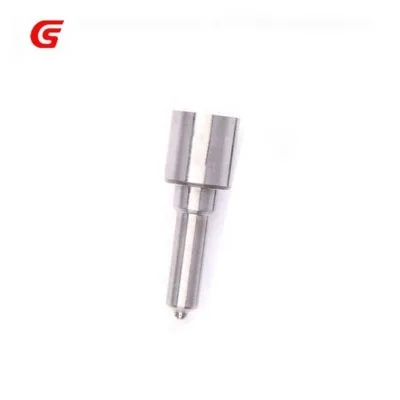


Fuel Injector Nozzle DN0pd31 for Injector Diesel Engine Parts 093400-5310
$2.20 - $2.42
MOQ: 12 Pieces


Comprehensive Sourcing Guide
Renault Fuel Injector Nozzle Sourcing Guide
Procuring fuel injector nozzles for Renault diesel and gasoline engines requires precise alignment with original equipment specifications to ensure optimal combustion efficiency. The market offers components ranging from standard steel nozzles to custom-machined variants designed for specific cylinder configurations. Buyers must distinguish between multi-cylinder diesel applications and single-cylinder gasoline systems, as the internal geometry and spray patterns differ significantly between these fuel types.
Verification of the component's stroke type is critical, as the supply chain lists both two-stroke and four-stroke variants. While some listings highlight solid-fuel catalysts or water-based fuel savers, these are specific aftermarket modifications rather than standard OEM replacements. Sourcing teams should prioritize nozzles that match the exact carburettor draught type, such as horizontal or downdraft, to prevent fuel delivery mismatches that could damage the engine block or reduce power output.
Product Scope and Observed Listing Signals
The available inventory spans a wide price spectrum, with observed listings ranging from $0.50 to $385 USD, reflecting differences in material quality and manufacturing complexity. Most suppliers indicate a minimum order quantity of one piece, allowing for sample acquisition, though bulk orders may trigger different commercial terms. The product models vary from generic codes like 85003950 to specific identifiers such as HKAA10215, necessitating careful cross-referencing with the vehicle's service manual before placing an order.
Shipping methods are diverse, including DHL, UPS, and air freight for urgent samples, while sea freight is typically reserved for larger batch goods. Packaging standards vary from simple polybags to robust export cartons with inner PP bubble protection, ensuring the delicate nozzle tips remain undamaged during transit. Buyers should note that some listings specify "Nonstandard" or "Original" standards, which requires immediate clarification to ensure the part fits the specific Renault engine architecture without modification.
Technical Specifications to Verify
Engine compatibility is the primary technical constraint, with listings explicitly mentioning BMW and Benz brands alongside Renault applications. This indicates a need for rigorous verification of the car make and fuel type, as a nozzle designed for a diesel Benz engine will not function correctly in a gasoline Renault system. The cylinder count must also be confirmed, as the supply data includes multi-cylinder specifications that may not align with smaller engine blocks found in certain Renault models.
Material composition is another vital specification, with steel being the dominant body material for these injection devices. The manufacturing process often involves CNC machining with swing or screw clamps, which influences the precision of the nozzle orifice. Buyers must verify if the product is a micro-machined component, as this affects the spray atomization quality. Additionally, the stroke type, whether two or four, dictates the timing and pressure requirements that the nozzle must withstand during operation.
Compliance and Safety Documentation
Certification status is a key indicator of manufacturing reliability, with ISO9001 appearing frequently across multiple product listings. Some suppliers also provide CE certification, which is essential for compliance with European safety and environmental regulations. However, buyers should be cautious of inconsistent data, such as listings that mention "ISOCylinder" or "ISOTS" without clear context, and should request formal documentation to confirm the validity of these standards for the specific batch of goods.
Quality standards vary from "Original" and "Standard" to "ISO9001-2008 SGS IAF," requiring buyers to understand the specific implications of each designation. The "Nonstandard" classification found in some listings suggests custom-made parts that may not adhere to universal industry norms. Procurement teams must ensure that the supplier provides a certificate of conformity that matches the specific product model, such as IWP042 or 3087560, to guarantee that the component meets the necessary safety and performance criteria for automotive use.
Cost Drivers and Commercial Terms
Lead times are a significant factor in the total cost of ownership, with sample delivery ranging from 10 to 25 days and batch goods taking 20 to 35 days. These timelines can fluctuate based on the complexity of the customization, as many suppliers offer OEM and ODM services for tailored specifications. Buyers should account for these delays in their production planning, especially when sourcing custom-made models that require additional CNC machining time.
The commercial terms often include options for OEM, ODM, and sample services, which can influence the final unit price. While the minimum order quantity is low, the cost per unit may increase for highly customized parts or those requiring specific packaging like neutral or cowtotal packages. Shipping costs via air or sea freight add to the overall expense, and buyers should negotiate these terms based on the total volume and the urgency of the delivery requirement to optimize the procurement budget.
Supplier Qualification and Quality Control
Supplier location is predominantly in China, with specific origins noted in Guangdong, which is a major hub for automotive component manufacturing. This concentration allows for efficient logistics but requires buyers to verify the specific factory's capability to handle Renault-specific parts. The presence of services like OEM and ODM suggests that suppliers have the flexibility to adapt their production lines, but this flexibility must be balanced with strict quality control measures to maintain consistency.
Quality control processes often involve CNC machining and specific clamping techniques, which are critical for maintaining the precision of the fuel injection device. Buyers should request evidence of the manufacturing process, such as the use of swing clamps or screw clamps, to ensure the nozzles are produced with the necessary accuracy. Additionally, the availability of samples allows for physical inspection before committing to a larger order, ensuring that the product meets the required specifications for stroke, fuel type, and material strength.
Long-Term Procurement Checks
Sustaining a reliable supply chain requires regular audits of the supplier's adherence to ISO9001 and other relevant standards. Buyers should monitor the consistency of the product models, such as 4902924 or 4954888, to ensure that the parts received match the initial samples and specifications. Long-term contracts should include clauses that mandate continuous compliance with safety certifications and allow for periodic quality checks to prevent drift in manufacturing standards.
Performance monitoring is essential to validate the long-term reliability of the fuel injector nozzles in actual Renault vehicles. Buyers should track metrics such as fuel efficiency, emission levels, and engine performance after installation to confirm that the components deliver the expected results. Establishing a feedback loop with the supplier allows for rapid resolution of any issues related to the carburettor type, fuel saver mechanisms, or material durability, ensuring that the procurement strategy remains effective over time.
FAQs
What certifications are available for steel fuel injector nozzles?
Steel fuel injector nozzles are available with ISO9001 and CE certifications. These standards ensure quality management and compliance with safety requirements. Buyers can verify these credentials to confirm supplier reliability and product consistency for industrial applications.
Can I customize the specifications for fuel injector nozzles?
Customization is available for fuel injector nozzles to meet specific engine requirements. Suppliers offer OEM and ODM services to tailor components like model numbers and packaging. This flexibility allows buyers to source parts that fit unique mechanical designs.
What is the typical lead time for bulk orders?
The typical lead time for batch goods is 20 to 35 days. Sample orders usually take 10 to 25 days for delivery. These timelines help buyers plan inventory and production schedules effectively while managing supply chain expectations.
Which shipping methods are used for international delivery?
International delivery uses DHL, UPS, and sea freight options. Air shipping is also available for urgent sample requests. These methods ensure secure and timely transport of fuel injector nozzles to global destinations, supporting various logistical needs.
What is the minimum order quantity for these parts?
The minimum order quantity starts at 1 piece for many suppliers. Some manufacturers may require up to 1000 pieces for specific batches. This range allows both small trial orders and large-scale procurement to accommodate different buyer volumes.
How are fuel injector nozzles packaged for shipment?
Packaging typically includes polybags, cartons, and standard export boxes. Inner protection often uses PP bubble bags to prevent damage. Neutral or OEM packaging options are available to suit branding requirements and ensure product safety during transit.