Source Residential Globe Led Bulb for Landscape, Accent, and Spot Lighting
Compare 30 Residential Globe Led Bulb options with varying wattages from 3W to 18W and input voltages ranging from 12V to 240V. Buyers can evaluate features like dimming capabilities, color temperatures, and beam angles for landscape accent and spot lighting applications.
Updated
Key considerations
Products List


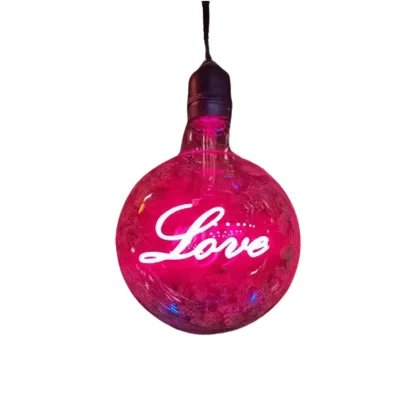
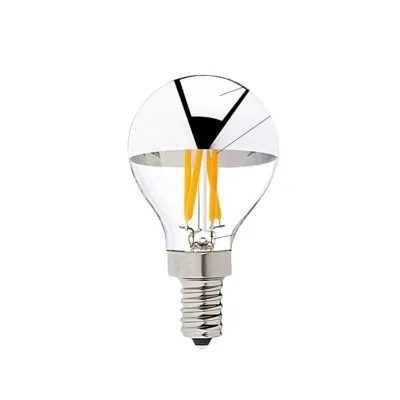
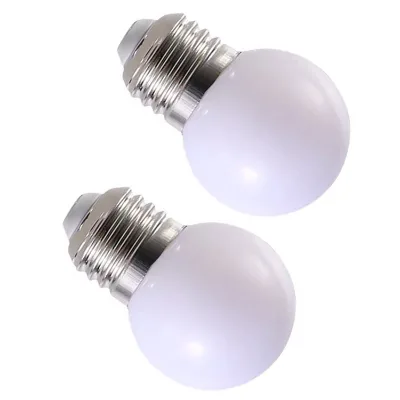
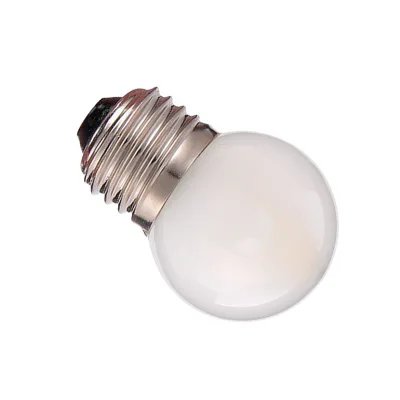
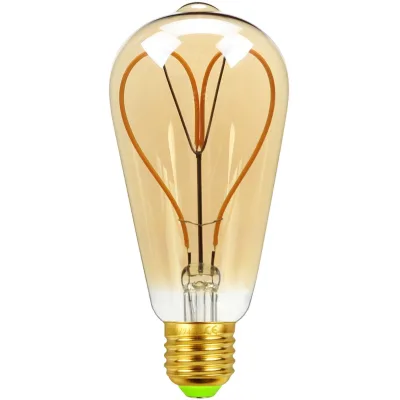
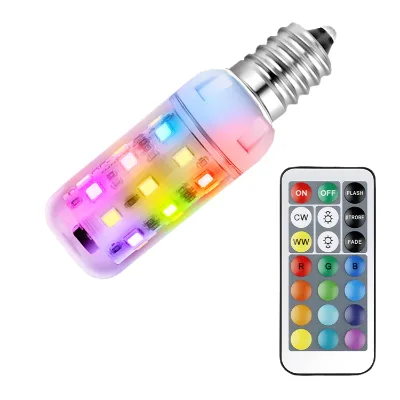


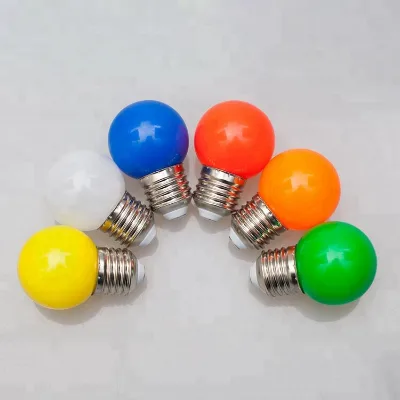


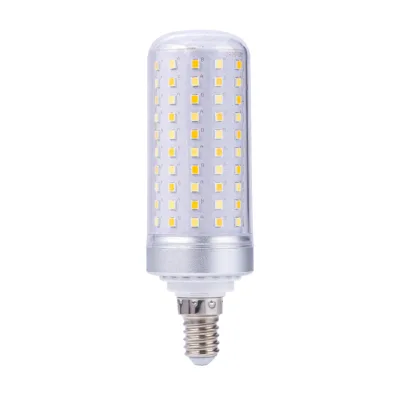
High Lumen Flux 12watt 1800lm Brightness E14 12w Globe Led Corn Bulb
$2.3218 - $2.6734
MOQ: 10 parcels
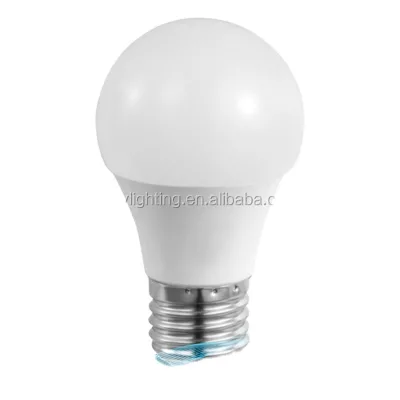
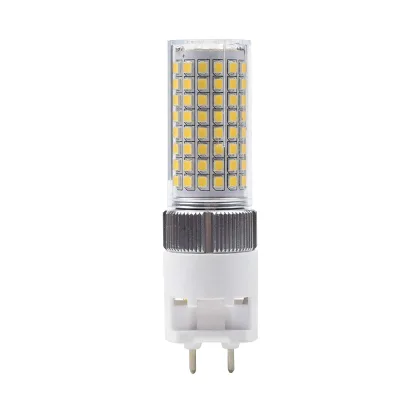
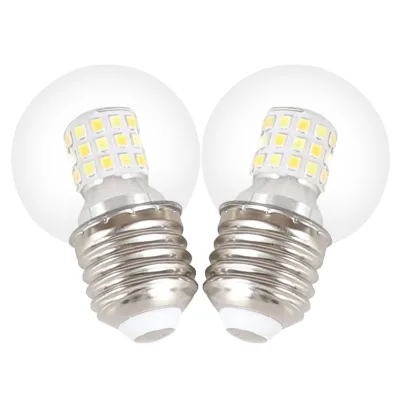

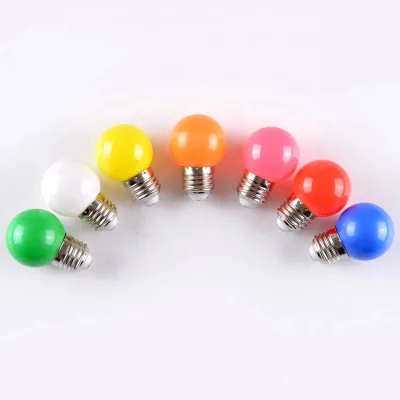
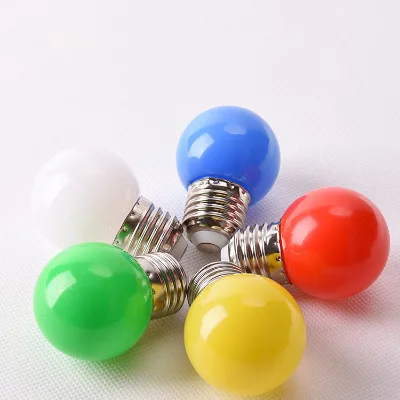
Comprehensive Sourcing Guide
Residential Globe Led Bulb Sourcing Guide
Sourcing residential globe LED bulbs requires careful attention to electrical compatibility and aesthetic integration within home environments. Buyers must first verify that the bulb’s base type matches existing fixtures, with E27 screw bases being a common standard for general household use. The observed market includes options ranging from 3W to 15W, allowing for tailored brightness levels depending on the specific room’s lighting needs. It is crucial to confirm the input voltage, as products may support 12V, 24V, or standard 100-240V AC inputs, ensuring seamless integration with local power grids or low-voltage transformer systems.
Beyond basic electrical specs, the visual quality of the light is paramount for residential applications. Buyers should evaluate color temperature options, such as pure white or warm white, to match the desired ambiance of living spaces. High CRI (Ra >80) values are essential for accurate color rendering in homes, enhancing the appearance of furniture and decor. Additionally, considering dimmable features can add versatility, allowing users to adjust lighting intensity for different activities, from bright task lighting to soft evening relaxation.
Product Scope and Observed Listing Signals
The current market for residential globe LEDs presents a diverse array of models, with observed prices ranging from $0.15 to $6.39 USD. This wide variance often reflects differences in power output, build quality, and included features like dimming capabilities. Minimum order quantities (MOQs) typically start at 10 units, scaling up to 10,000 for bulk industrial purchases, providing flexibility for both small retailers and large distributors. Buyers should note that customization options are available, allowing for tailored packaging or specific technical adjustments to meet unique market demands.
Listing signals indicate a strong presence of Chinese manufacturers, with products originating from Cn and adhering to various standards such as LED Bulb and Rechargeable Bulb classifications. Some listings highlight specific models like SN-A65 or SN-111, which may denote specific form factors or internal component configurations. The presence of rechargeable night light styles suggests a niche segment within the broader globe bulb category, offering backup lighting solutions. Buyers must carefully distinguish between standard AC-powered bulbs and specialized low-voltage or battery-operated variants to avoid procurement errors.
Technical Specifications to Verify
Electrical parameters are the primary technical focus for globe LED bulbs. Buyers must verify the input voltage range, as some products support 85-265V AC, ensuring compatibility with fluctuating grid conditions, while others are fixed at 220V or 12V. Power consumption varies significantly, with options including 3W, 5W, 7W, 9W, 12W, 15W, and 18W. Higher wattage options like 15W or 18W provide greater lumen output, typically ranging from 1250 to 1450lm, which is suitable for larger rooms or areas requiring bright illumination.
Thermal management and power factor are also critical technical aspects. Aluminum lamp bodies, including die-cast aluminum, are commonly used to dissipate heat effectively, prolonging the lifespan of the LED components. The power factor (PF) ranges from 0.5 to 0.9, indicating the efficiency of power usage; higher PF values are generally preferred for reducing electrical waste. Additionally, beam angles, such as the observed 270-degree spread, determine the light distribution pattern, which is vital for achieving uniform illumination in residential settings without creating harsh shadows.
Compliance and Safety Documentation
Safety certifications are non-negotiable for residential lighting products to ensure user protection against electrical hazards. Buyers must request documentation verifying compliance with regional safety standards, such as CE for Europe or UL for the United States, although specific certification statuses are not universally listed in all product data. It is essential to confirm that the LED light sources, often SMD types, meet international safety guidelines for low-voltage operation, especially for bulbs designed for 12V or 24V systems.
Warranty terms provide an additional layer of security for buyers. A standard two-year warranty is observed in the market, indicating manufacturer confidence in product durability. Buyers should verify the scope of this warranty, including coverage for premature failure or light degradation. Furthermore, packaging standards, such as color boxes or custom cartons (CTN), should be reviewed to ensure they protect the bulbs during transit, preventing damage to the delicate glass or plastic globes and internal components.
Cost Drivers and Commercial Terms
Price variations in the globe LED market are driven by power output, material quality, and feature sets. Higher wattage bulbs with aluminum bodies and dimming capabilities command higher prices compared to basic 3W plastic alternatives. The observed MOQ range of 10 to 10,000 units allows buyers to negotiate better unit costs for larger volumes. Customization services, such as branded packaging or specific voltage configurations, may incur additional fees, impacting the final landed cost.
Commercial terms also include lead times and shipping logistics, which are not explicitly detailed but are critical for inventory planning. Buyers should clarify whether prices are EXW, FOB, or CIF, as this affects total cost. The availability of customized packing options suggests flexibility in logistics, allowing for optimized container loading. Understanding these commercial nuances helps buyers forecast total procurement costs accurately and avoid unexpected expenses related to shipping or customization.
Supplier Qualification and Quality Control
Supplier verification is crucial to ensure consistent product quality and reliable supply chains. Buyers should assess manufacturers based on their production capacity, quality control processes, and after-sales support. The presence of specific model numbers like SN-G45-C indicates a structured product line, suggesting a mature manufacturing operation. It is advisable to request samples to evaluate build quality, light output consistency, and thermal performance before committing to large orders.
Quality control checks should include visual inspections for defects in the globe and base, as well as functional tests for brightness and color temperature accuracy. Suppliers offering high-power LEDs and aluminum bodies are likely to have more robust manufacturing processes. Buyers should also inquire about the supplier’s ability to handle custom orders, as this reflects their flexibility and responsiveness to market changes. Establishing a clear communication channel with the supplier ensures that any quality issues are addressed promptly.
Long-Term Procurement Checks
Long-term success in sourcing globe LED bulbs depends on monitoring product performance and market trends. Buyers should track customer feedback regarding bulb lifespan, dimming compatibility, and color consistency to identify potential quality issues early. The availability of various wattages and color temperatures allows for product line expansion, but buyers must ensure that new additions meet the same quality standards as initial purchases. Regular audits of supplier performance help maintain a reliable supply chain.
Additionally, staying informed about evolving energy efficiency standards and consumer preferences is essential. As residential lighting trends shift towards smart home integration, buyers may need to consider bulbs with additional connectivity features. However, based on current data, the focus remains on traditional globe bulbs with high efficiency and durability. Continuous evaluation of cost drivers and supplier capabilities ensures that procurement strategies remain competitive and aligned with market demands.
FAQs
What input voltages are available for these LED bulbs?
These LED bulbs support multiple input voltage options to suit different electrical systems. You can choose between 12V, 24V, or standard 100-240V AC inputs. This flexibility ensures compatibility with various residential and industrial power supplies. Select the voltage that matches your existing infrastructure to ensure safe and efficient operation without requiring additional transformers or converters.
Can I customize the packaging for bulk orders?
Yes, customized packaging is available for bulk orders to meet specific branding or logistical needs. Suppliers offer options such as color boxes or standard cartons (CTN). This flexibility allows you to protect the products during transit while aligning with your retail presentation. Contact manufacturers directly to discuss your specific packaging requirements and minimum order quantities for custom solutions.
What is the typical warranty period for these lights?
The typical warranty period for these LED lights is two years. This coverage provides assurance regarding product durability and performance reliability. It reflects the manufacturer's confidence in the quality of the aluminum body and high-power LED components. Buyers should verify specific warranty terms with individual suppliers, as conditions may vary based on the model and intended application.
Which color temperatures are offered for these bulbs?
These bulbs are available in both pure white and warm white color temperatures. Pure white offers a bright, crisp illumination suitable for task lighting, while warm white provides a softer, cozier ambiance. The choice depends on your specific lighting design goals. Both options utilize high-power LEDs to ensure consistent brightness and energy efficiency across different residential settings.
What is the minimum order quantity for these products?
The minimum order quantity (MOQ) ranges from 10 to 10,000 pieces depending on the supplier and product model. Some items may have an MOQ of 1,000 pieces, while others allow smaller trial orders. Buyers should check specific product listings for exact MOQ requirements. Flexible MOQs are often available for customized packaging or specific voltage configurations to accommodate different business scales.
Are these bulbs suitable for landscape accent lighting?
Yes, these bulbs are suitable for landscape accent and spot lighting applications. They feature a beam angle of 270 degrees and high lumen output ranging from 1250 to 1450 lumens. The durable aluminum body ensures longevity in outdoor environments. Their versatile voltage options and dimming capabilities make them ideal for creating dynamic lighting effects in residential gardens and pathways.