Source Retorted Roasted Duck for Catering, Retail, and Export
Compare 29 Retorted Roasted Duck options from verified Chinese suppliers. Buyers can evaluate specifications like weight, packaging, shelf life, and certifications such as HACCP, ISO, BRC, and HALAL for catering, retail, and export needs across various regions; compare the available evidence and request quotations based on your requirements.
Updated
Key considerations
Products List
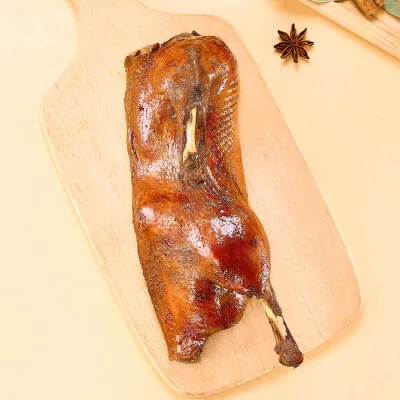
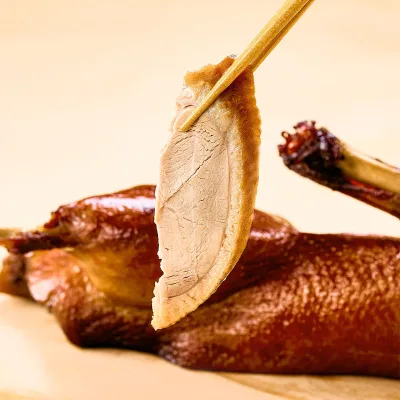
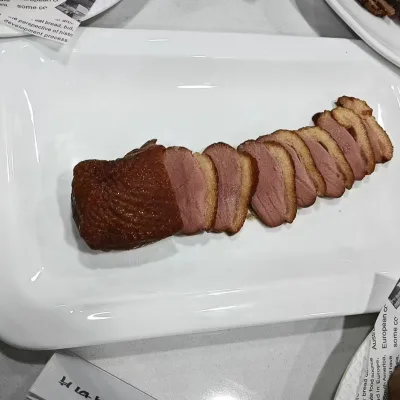
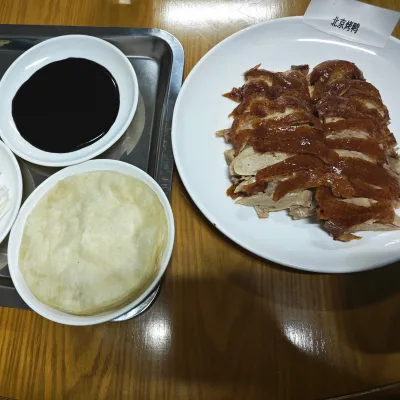
Best Price Roast Peking Duck EU Market Certified Beijing Roast Duck
$3588.5535 - $4306.2642
MOQ: 10 Minimum
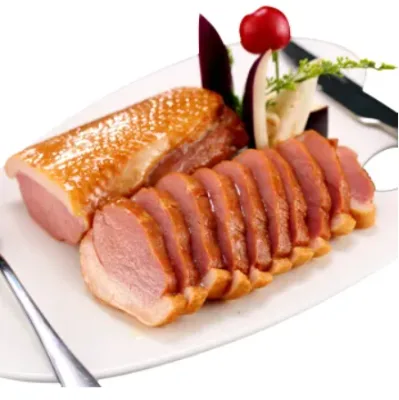
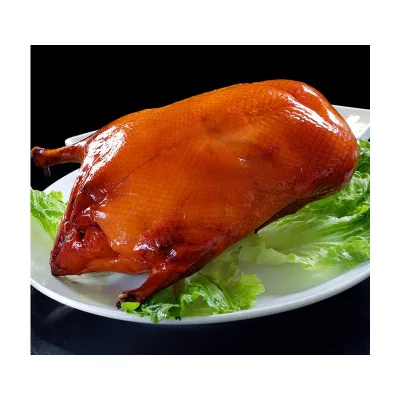
Chinese Traditional Cuisine Exported Fresh Duck Meat Chinese Retorted Roast Duck
$72.5996 - $75.6665
MOQ: 50 cartons
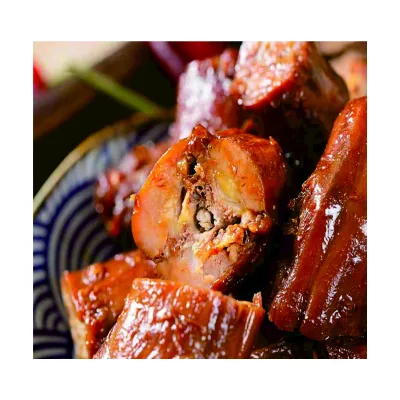
Exported Duck Meat Snack Retorted Roast Duck Neck with Spicy Roasted Flavor
$57.4567 - $61.5609
MOQ: 50 cartons
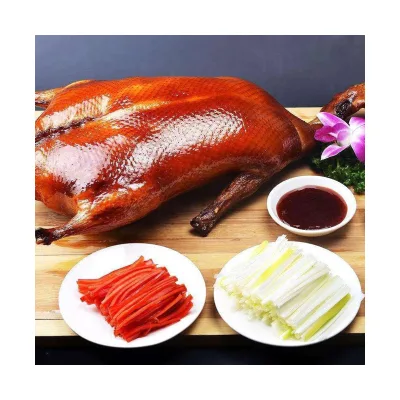
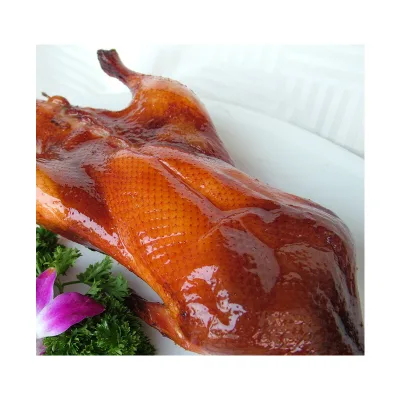
KWS China Hot Sell Snack Food Pot-stewed Marinated Retorted Roasted Whole Duck
$73.6534 - $76.7653
MOQ: 50 cartons




Comprehensive Sourcing Guide
Retorted Roasted Duck Sourcing Guide
Procuring Retorted Roasted Duck requires a nuanced understanding of both the product’s culinary versatility and the stringent supply chain controls necessary for safe international trade. This guide synthesizes observed market data and technical specifications to help procurement professionals navigate the complexities of sourcing this specific poultry category. By focusing on verified attributes such as origin, packaging, and shelf-life stability, buyers can mitigate risks associated with frozen and cooked meat products. The following sections provide a structured approach to evaluating suppliers, ensuring that every decision aligns with quality standards and commercial viability.
The market for roasted duck products in China is diverse, with significant production hubs in Shandong and Fujian provinces. Buyers must distinguish between whole bird offerings, specific cuts like legs and necks, and boneless variants tailored for different culinary applications. Understanding these distinctions is critical for aligning supplier capabilities with internal demand. This guide emphasizes the importance of verifying product content, style, and part specifications to ensure that the sourced items meet precise operational needs, whether for retail packaging, food service, or further processing.
Product Scope and Observed Listing Signals
The observed product landscape includes a wide variety of roasted duck formats, ranging from whole birds to specific anatomical parts such as legs, necks, and body cuts. Listings indicate a strong presence of boneless roast duck options, including instant EU-compliant variants, which suggest a focus on convenience and regulatory alignment for export markets. The product type is consistently identified as poultry, with styles varying from cooked and golden-colored items to those described as crispy and aromatic. Buyers should note that content descriptions often specify boneless preparations, which may command different pricing and handling protocols compared to whole or partially deboned products.
Packaging and storage attributes reveal a heavy reliance on frozen supply chains, with most products requiring storage below -18°C to maintain a shelf life of twelve months. Common packaging formats include vacuum bags, cartons, and trays, with specific dimensions such as 40x25x15 cm noted for batch packaging. Gross weights vary significantly, with some listings indicating 0.8 kg units while others show heavier batches around 5.86 kg. These variations highlight the need for precise specification matching, as the physical form factor directly impacts logistics, storage capacity, and end-user preparation methods.
Technical Specifications to Verify
Verification of physical specifications is paramount when sourcing roasted duck, as inconsistencies in weight and part definition can lead to significant operational disruptions. Buyers must confirm the exact part of the duck being supplied, whether it is the leg, neck, body, or a whole bird, as this determines the yield and culinary utility. Specifications such as model numbers and product names often provide clues, but direct confirmation of the content—such as boneless roast duck versus whole roasted duck—is essential. Additionally, the style of preparation, whether cooked, sugar-free, or low-fat, must be validated against internal quality requirements to ensure product consistency.
Packaging details and unit specifications also require rigorous verification to ensure compatibility with downstream processes. The selling units, often listed as multiples of ten or single items, influence inventory management and order fulfillment strategies. Buyers should request detailed packaging diagrams to understand the layering of vacuum bags within cartons and the use of trays for protection. Furthermore, the gross weight per batch and individual unit weight must be cross-referenced to calculate accurate landed costs. Discrepancies in these metrics can affect freight calculations and storage efficiency, making precise data collection a critical step in the sourcing process.
Compliance and Safety Documentation
Compliance with international food safety standards is a non-negotiable aspect of sourcing roasted duck, particularly for export-oriented markets. The observed product listings frequently reference certifications such as HACCP, ISO, BRC, and HALAL, which serve as indicators of a supplier’s commitment to quality management systems. Buyers must verify the current validity of these certifications and ensure they cover the specific production lines and facilities supplying the ordered goods. These certifications are not merely decorative; they represent structured protocols for hazard analysis, critical control points, and religious dietary compliance, which are essential for maintaining brand integrity and regulatory adherence.
Beyond certifications, buyers must scrutinize the ingredient lists and allergen declarations to ensure full transparency. Some products list sauce as a key ingredient, which may introduce allergens or specific flavor profiles that need to be communicated to end consumers. The storage type, consistently noted as frozen with a requirement to keep products below -18°C, must be supported by robust cold chain documentation. Buyers should request temperature logs and shelf-life validation data to confirm that the product maintains its quality and safety throughout the supply chain. This documentation is crucial for mitigating liability and ensuring that the product arrives in a condition suitable for consumption after reheating.
Cost Drivers and Commercial Terms
The cost structure for roasted duck is influenced by several key factors, including the part of the bird, the level of processing, and the packaging complexity. Boneless variants, such as the instant EU boneless roast duck, typically involve higher labor costs due to the deboning process, which may result in a higher unit price compared to whole or partially processed items. The observed price range of $57.46 to $5,130.03 USD reflects this variability, with bulk orders and specific customization options playing a significant role in final pricing. Buyers must analyze the cost per kilogram or per unit to compare offerings accurately, rather than relying solely on total order values.
Commercial terms, including minimum order quantities (MOQ) and supply ability, also impact the overall cost and feasibility of the procurement. MOQs range from 1 to 10,000 units, offering flexibility for both small-scale trials and large-volume contracts. Suppliers with high supply abilities, such as those capable of producing 50,000 cartons per month, may offer more competitive pricing for large orders. Buyers should negotiate terms that align with their inventory turnover rates and cash flow constraints. Additionally, the port of dispatch, such as Xiamen or Qingdao, can affect freight costs and lead times, so these logistical details must be factored into the total landed cost calculation.
Supplier Qualification and Quality Control
Qualifying suppliers for roasted duck products requires a thorough assessment of their manufacturing capabilities and quality control systems. Buyers should prioritize suppliers with established brands, such as Shiweiku, or those offering OEM services, as these entities often have more robust infrastructure and traceability systems. The place of origin, whether Shandong or Fujian, can provide insights into the local supply chain and raw material quality. However, buyers must conduct on-site audits or request third-party audit reports to verify that the manufacturing facilities adhere to the claimed standards and maintain consistent hygiene practices.
Quality control measures should extend beyond the factory floor to include pre-shipment inspections and sample testing. Buyers must establish clear acceptance criteria for attributes such as color, flavor, and texture, ensuring that the golden, original flavor profile meets expectations. The feature set, including nutritional claims like sugar-free and low-fat, must be substantiated by laboratory analysis. Additionally, buyers should implement a sampling protocol to test the product’s performance after reheating, as this is the primary instruction for use. This proactive approach to quality control helps prevent costly recalls and ensures that the final product delivers on its promised value.
Long-Term Procurement Checks
Long-term procurement success depends on continuous monitoring of supplier performance and market dynamics. Buyers should establish key performance indicators (KPIs) related to delivery reliability, product quality consistency, and responsiveness to issues. Regular reviews of supplier certifications and audit results are essential to ensure ongoing compliance with safety and quality standards. The market for roasted duck is dynamic, with new products and variations emerging frequently, so buyers must stay informed about industry trends and regulatory changes that may impact sourcing strategies.
Building a resilient supply chain also involves diversifying suppliers and maintaining strategic relationships with key partners. Buyers should consider the customization options available, such as private labeling or specific packaging requirements, to enhance brand differentiation. The ability to source from multiple origins, such as Shandong and Fujian, can provide flexibility in the event of supply disruptions. By maintaining a proactive stance on supplier management and quality assurance, buyers can secure a stable supply of high-quality roasted duck products that meet their operational and commercial objectives over the long term.
FAQs
What certifications do the roasted duck products hold?
The products hold HACCP, ISO, BRC, and HALAL certifications. These credentials ensure that the manufacturing processes meet international food safety and quality standards. Buyers can rely on these documented certifications for compliance in regulated markets, ensuring the poultry products are safe for consumption and suitable for export to regions requiring strict regulatory adherence.
How should the frozen roast duck be stored?
Store the product in a frozen state below -18°C to maintain quality. The shelf life is 12 months when kept at this temperature. Proper storage prevents spoilage and preserves the nutritional value and texture of the duck. Buyers must ensure their cold chain logistics maintain this temperature throughout transit and warehousing to avoid quality degradation.
What is the packaging format for the roasted duck?
The products are packaged in vacuum bags and cartons. Some items use trays, while others are in bags. The package size per batch is 40x25x15 cm. This packaging protects the product during shipping and storage. The vacuum sealing helps preserve freshness and extends the shelf life, making it suitable for long-distance international trade and distribution.
Can the products be customized for specific orders?
Yes, customization is available for these frozen meat products. Buyers can request specific modifications to meet their market needs. This flexibility allows for tailored solutions regarding branding or packaging requirements. The manufacturer supports OEM requests, enabling businesses to align the product with their specific brand identity and customer expectations in the global retail or food service sectors.
What is the supply capacity for these duck products?
The supply ability is 50,000 cartons per month. This capacity supports large-scale orders and consistent supply for international buyers. The manufacturer can handle significant volumes, ensuring reliability for bulk procurement. Buyers planning large distributions or long-term contracts can depend on this steady output to meet their inventory requirements without frequent shortages or delays in delivery schedules.
Where are the roasted duck products manufactured?
The products originate from Shandong and Fujian in China. Specific addresses include Qingdao, China. These locations are known for poultry processing. Buyers can verify the place of origin for compliance with import regulations. The geographical sourcing provides transparency regarding the product's journey, allowing buyers to assess logistics costs and regulatory requirements associated with importing from these specific Chinese regions.