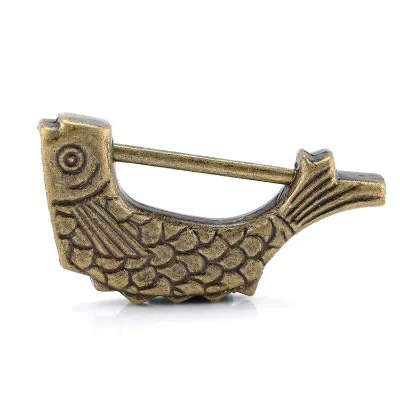
Source Retro Cartoon Brass Lock for Household, Industrial, Commercial
Compare 30 listings for Retro Cartoon Brass Lock options suitable for household, industrial, and commercial applications. Buyers can review specifications like material, model numbers, and customization availability to find the right fit; compare the available evidence and request quotations based on your requirements.
Updated
Key considerations
Products List


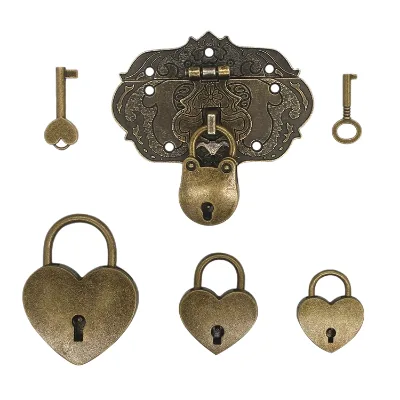
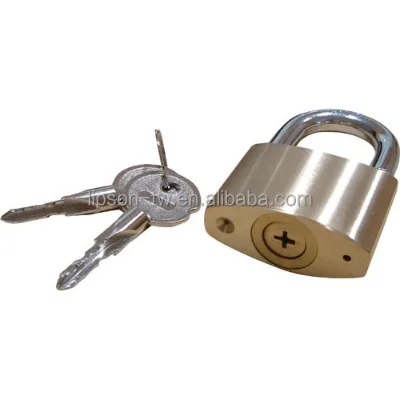
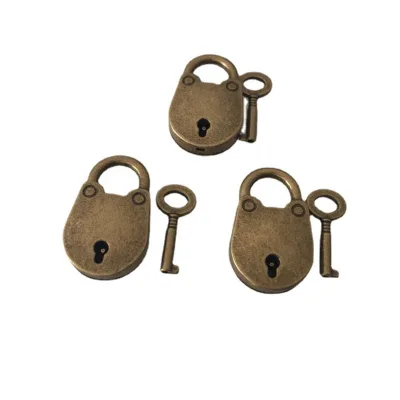


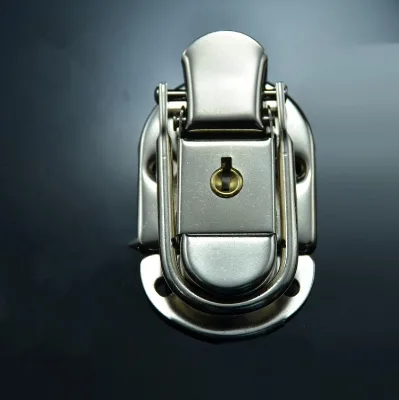
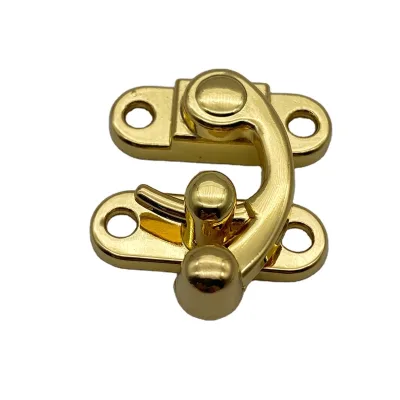
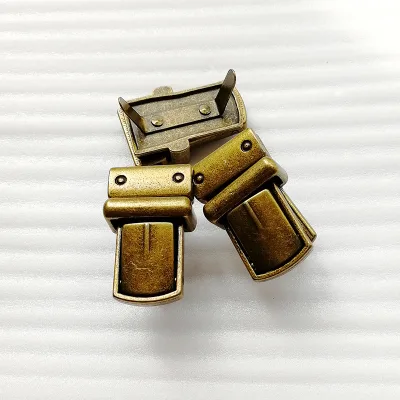
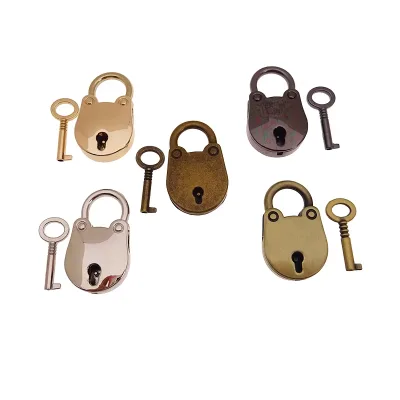
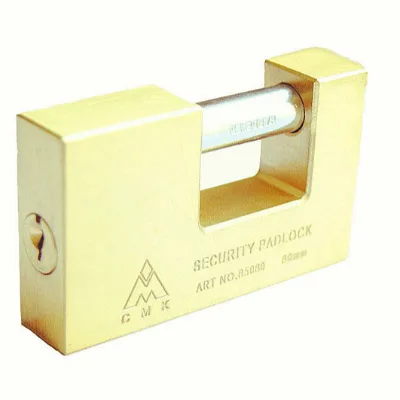


Comprehensive Sourcing Guide
Retro Cartoon Brass Lock Sourcing Guide
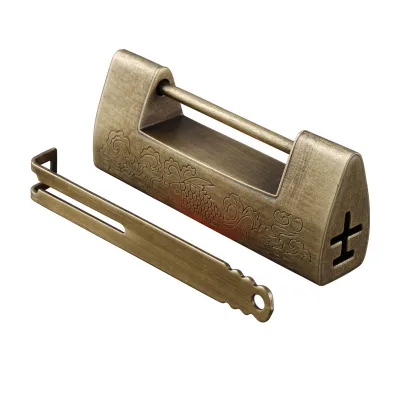
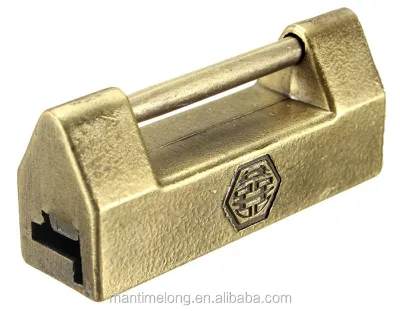
Sourcing decorative hardware with a vintage aesthetic requires balancing visual appeal with functional reliability. Buyers often seek brass locks for residential or commercial applications where style is as critical as security. The observed market includes products ranging from simple padlocks to complex door locking mechanisms, all sharing a common emphasis on retro design elements. Understanding the specific use case, whether for household doors, industrial gates, or commercial entryways, is the first step in defining procurement requirements.
The term "retro cartoon" suggests a playful or nostalgic design language, which may conflict with standard industrial specifications. Procurement teams must clarify if the aesthetic is purely cosmetic or if it influences the mechanical structure. Observed listings indicate a variety of materials, including brass and zinc alloy, which affect both the look and the durability of the lock. Defining the exact visual style early prevents mismatches between supplier samples and final production expectations, ensuring the hardware meets both design and functional goals.
Product Scope and Observed Listing Signals
The current market landscape for brass locks includes a diverse range of models, such as the WSP006 and TC403B-2, which cater to different structural needs. Some products are designed for household use, while others support industrial and commercial environments. The observed price range of 0.1 to 25 USD indicates significant variation in quality and complexity. Buyers should note that lower prices may correspond to simpler mechanisms or thinner materials, while higher price points often reflect more robust construction or specialized finishes.
Minimum Order Quantities (MOQ) vary widely, from as low as one unit to 3,000 pieces, allowing for flexible procurement strategies. This flexibility is crucial for small businesses testing new designs or large enterprises scaling up operations. The observed MOQ of 1,000 PCS for certain models suggests that bulk pricing benefits are available for larger orders. Understanding these volume thresholds helps buyers negotiate better terms and plan inventory levels effectively, ensuring they do not overstock or face production delays due to insufficient order sizes.
Technical Specifications to Verify
Verifying material composition is critical, as observed listings specify both brass and zinc alloy constructions. Brass offers superior corrosion resistance and a classic aesthetic, while zinc alloy provides cost-effective durability. Buyers must confirm the exact alloy grade and thickness to ensure the lock meets structural requirements. Additionally, specifications such as the 21*36.5 mm size for certain models highlight the importance of dimensional accuracy. Mismatches in size can lead to installation failures, so precise measurements must be cross-referenced with door or cabinet specifications.
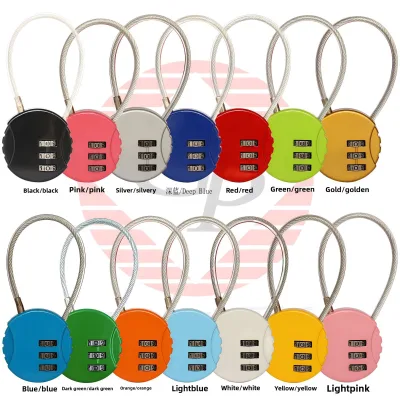
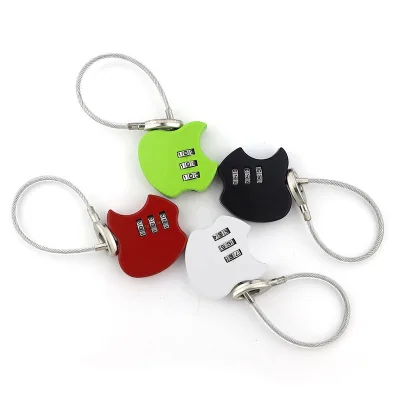
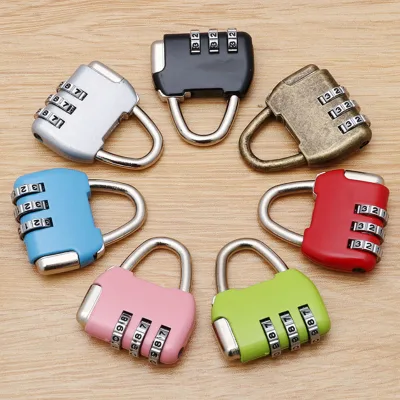
Locking mechanisms also vary, with options including password locking, single lever locking, and key-based systems. The observed "Password Locking" structure for the WSP006 model suggests a focus on convenience, while the "Single Lever Locking" for other models emphasizes mechanical simplicity. Buyers should verify the number of digits for digital models, which can be three or four, affecting security levels. Furthermore, the "Rectangular" lock body shape and "Modern" style indicate specific design preferences that must align with the overall aesthetic of the installation site.
Compliance and Safety Documentation
Safety standards are paramount when selecting locks for public or high-traffic areas. The observed "Anti-theft Standard: A" provides a baseline for security performance, but buyers should verify if this meets local regulatory requirements. Compliance with international safety norms ensures that the locks can withstand forced entry attempts and environmental stressors. Documentation such as test reports from accredited laboratories should be requested to validate these claims, providing assurance that the product performs as advertised under real-world conditions.
Certification status for materials, particularly regarding lead content in brass, is another critical consideration. Buyers must ensure that the brass used complies with environmental regulations, such as RoHS or REACH, depending on the target market. This is especially important for products intended for household use, where exposure to children or frequent handling is likely. Requesting material safety data sheets (MSDS) and certification documents from suppliers helps mitigate legal risks and ensures that the procurement process adheres to global safety standards.
Cost Drivers and Commercial Terms
Several factors influence the final cost of brass locks, including material prices, manufacturing complexity, and customization options. The observed "Customization: Available" attribute suggests that buyers can tailor designs, logos, or packaging, which may incur additional costs. OEM acceptance is confirmed, allowing for brand-specific products, but this requires clear communication of design files and approval processes. Buyers should budget for these customization fees and factor them into the total cost of ownership, ensuring that the final product aligns with brand identity without exceeding budget constraints.
Packaging and logistics also play a significant role in overall costs. Observed packing methods include carton, white box, and blister card options, with specific quantities per carton, such as 20 PCS/CTN or 35 pcs/CTN. These details affect shipping efficiency and storage requirements. Buyers should calculate the total landed cost, including freight, insurance, and duties, to determine the true expense of each unit. Negotiating favorable shipping terms and optimizing packaging dimensions can reduce logistics costs, improving the overall profitability of the procurement project.
Supplier Qualification and Quality Control
Evaluating supplier capabilities is essential to ensure consistent quality and reliable delivery. Buyers should verify the supplier's production capacity, quality management systems, and past performance with similar products. The observed "Place of Origin: ZHE" and "Cixi, China" indicates a concentration of manufacturing in specific regions, which may offer supply chain advantages. However, buyers must conduct due diligence to ensure that suppliers adhere to ethical labor practices and environmental standards, protecting their brand reputation.
Quality control measures should be established before production begins, including sample approval and in-process inspections. Buyers should define clear acceptance criteria for cosmetic defects, mechanical functionality, and material integrity. Regular audits and third-party inspections can help identify potential issues early, reducing the risk of receiving non-conforming goods. Establishing a robust quality control framework ensures that the final products meet the specified standards and perform reliably in their intended applications, minimizing returns and customer complaints.
Long-Term Procurement Checks
Building a sustainable supply chain requires ongoing monitoring and relationship management. Buyers should establish regular communication channels with suppliers to discuss performance, feedback, and potential improvements. This collaborative approach fosters trust and encourages suppliers to prioritize your orders, leading to better service and flexibility. Long-term partnerships can also result in volume discounts and priority production scheduling, providing a competitive advantage in the market.
Continuous improvement initiatives should be integrated into the procurement process, focusing on cost reduction, quality enhancement, and innovation. Buyers should regularly review supplier performance metrics, such as on-time delivery rates and defect percentages, to identify areas for improvement. By staying informed about market trends and technological advancements, buyers can make informed decisions that align with their strategic goals. This proactive approach ensures that the procurement function remains agile and responsive to changing business needs, supporting long-term success.
FAQs
What materials are used for retro cartoon brass locks?
These locks are primarily constructed from brass and zinc alloy to ensure durability and aesthetic appeal. The brass component provides resistance to corrosion and wear, while zinc alloy offers structural strength for the lock body. This combination supports reliable performance in both household and industrial applications, ensuring longevity for various security needs.
Can I customize the logo on these brass locks?
Yes, customization is available for these locks, including logo printing. Buyers can request specific branding to align with their product lines. This service is supported by manufacturers who accept OEM orders, allowing for tailored solutions that meet specific commercial requirements while maintaining the standard quality and functionality of the locking mechanism.
What is the typical MOQ for ordering these locks?
The minimum order quantity varies by supplier but typically starts at 1,000 pieces. Some vendors may accept lower quantities, while others require up to 3,000 units. Buyers should verify specific MOQ requirements with manufacturers to ensure alignment with their procurement volume, as this threshold directly impacts pricing tiers and production scheduling for bulk orders.
What standards do these locks meet for security?
These locks adhere to specific anti-theft standards, such as Standard A, ensuring a baseline level of security. They are designed for household, industrial, and commercial use, with models like WSP006 and TC403B-2 offering rectangular lock bodies. Compliance with these standards guarantees reliable performance and safety for protecting doors, luggage, and other assets.
How are these locks packaged for shipping?
Products are typically packed in cartons, with inner packaging including OPP bags, white boxes, or blister cards. Standard carton quantities range from 20 to 35 pieces per box, depending on the model. This packaging ensures protection during transit and facilitates efficient handling for both small and large wholesale orders, maintaining product integrity upon arrival.
Where are these brass locks manufactured?
These locks are manufactured in China, with specific origins noted in regions like Cixi and Zhejiang. This location supports a robust supply chain for hardware components, ensuring consistent quality and competitive pricing. Buyers can rely on established manufacturing hubs that specialize in producing durable brass and zinc alloy locks for global distribution and diverse application needs.