Source Fiddle Lock Violin Case Latch for flight cases, tool boxes, and furniture
Compare 24 Fiddle Lock Violin Case Latch options from verified suppliers. Explore models like FS-1044 and FS-1105 with cold plate or metal construction for flight cases, tool boxes, and furniture applications; compare the available evidence and request quotations based on your requirements.
Updated
Key considerations
Products List
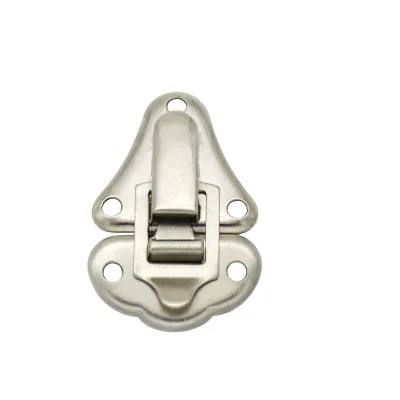
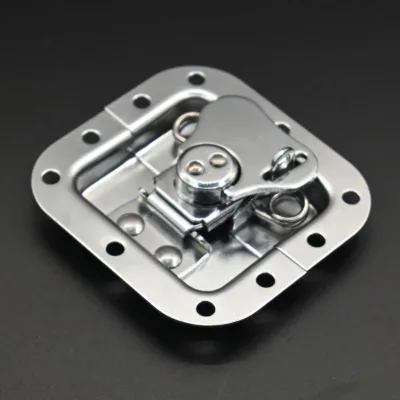
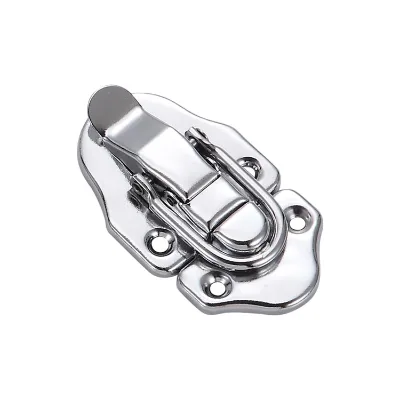
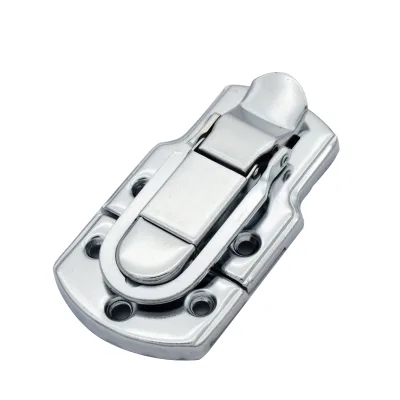
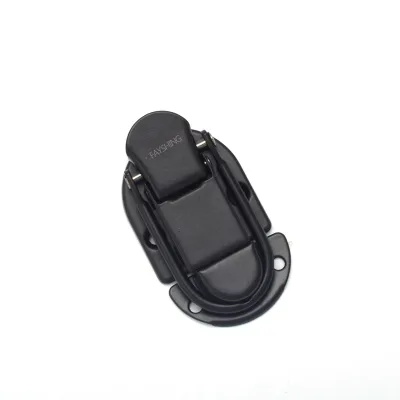
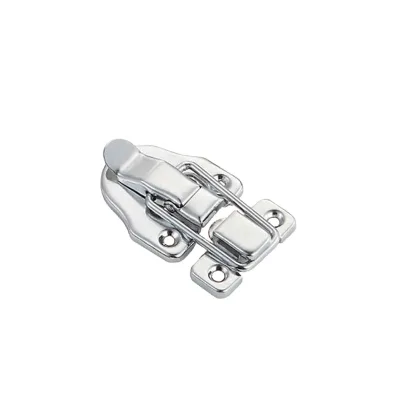
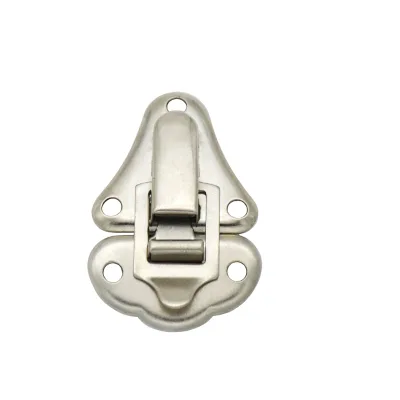
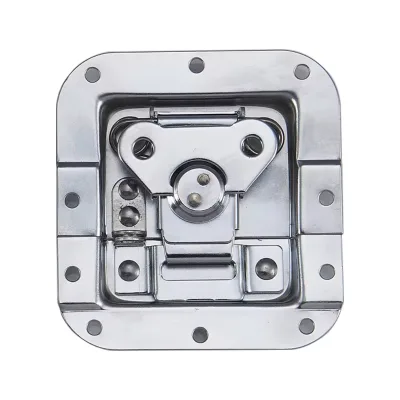
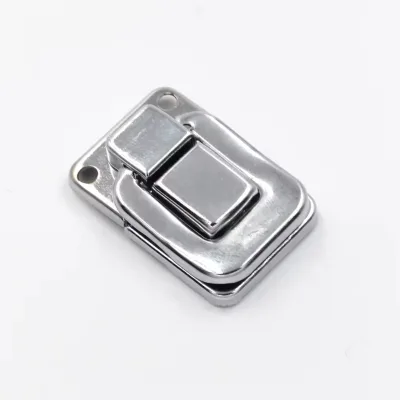
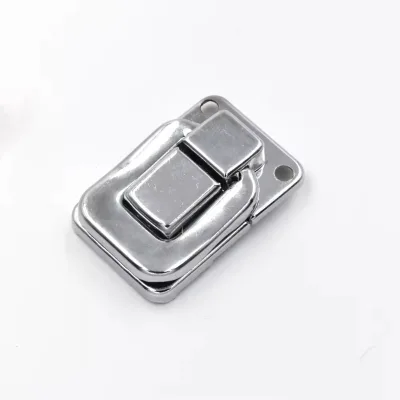
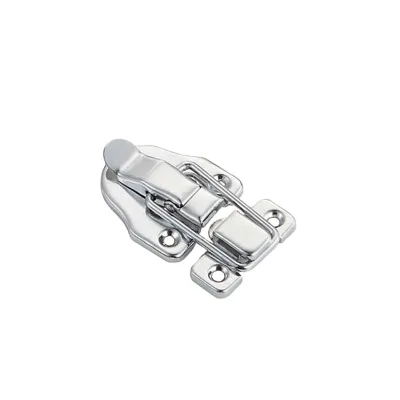


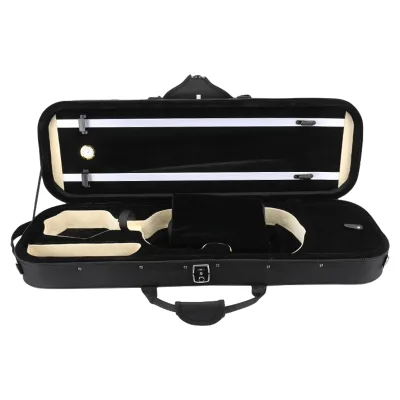


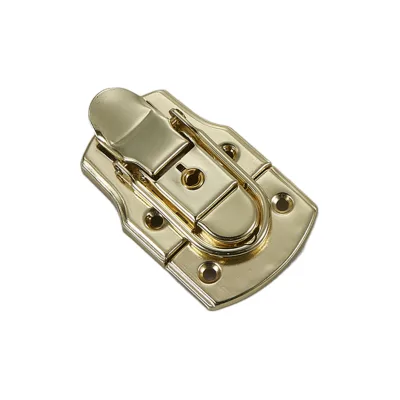
FAYSHING Drawbolt Closure Latch for Guitar Case or Luggage with Lock,Brass FS1003
$0.39 - $0.59
MOQ: 100 pieces
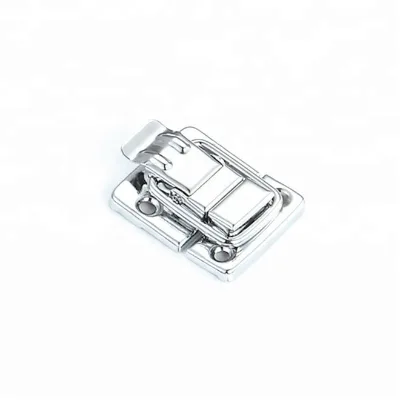
FS-1068 Square Shape Small Draw Bolt Closure Latch for Guitar Case or Luggage
$0.1364 - $0.3673
MOQ: 100 pieces
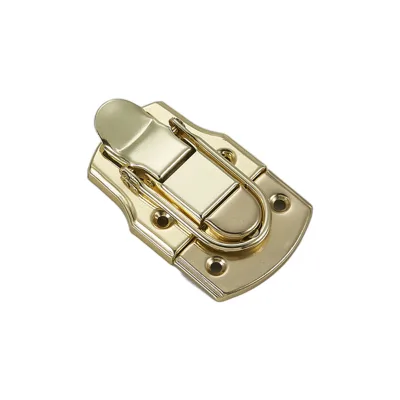
Comprehensive Sourcing Guide
Fiddle Lock Violin Case Latch Sourcing Guide
Procuring specialized hardware for musical instrument protection requires precise alignment between mechanical durability and aesthetic finish. Buyers seeking fiddle lock violin case latches must navigate a market defined by specific material constraints and regional manufacturing hubs. The available data indicates a strong concentration of supply from Guangdong, China, where manufacturers leverage established metalworking infrastructure to produce these components. This geographic clustering offers logistical advantages for bulk orders but necessitates rigorous verification of individual supplier capabilities.
The core product category encompasses small box latches, drawbolt closures, and mini catches designed for flight cases, toolboxes, and wooden instruments. These components serve as critical security and structural elements, ensuring that valuable assets remain secure during transit. Understanding the distinction between general flight case hardware and specialized violin case latches is essential for accurate sourcing. Buyers must evaluate whether the observed product attributes, such as specific model numbers or finish options, align with the mechanical demands of their specific case designs.
Product Scope and Observed Listing Signals
The observed market signals reveal a diverse range of latch types, including small box latches and mini catch mechanisms, with model numbers such as FS-1044, FS1105, and FS-1043. These products are frequently described as user-friendly and durable, catering to applications in flight cases, luggage accessories, and furniture. The presence of specific branding, such as FAYSHING, and logo options like FS suggests that many suppliers offer white-label or custom branding services. This flexibility is crucial for brands looking to maintain a cohesive aesthetic across their protective gear lines.
Material composition is a primary differentiator, with cold plate metal and various metal alloys being the standard construction materials. Finish options extend beyond basic chrome to include nickel, black, and blue zinc treatments, allowing for customization to match case exteriors. The observed color palette ranges from silver and chrome to black, providing versatility for different design requirements. Buyers should note that while some listings mention eco-friendly features, the primary focus remains on mechanical robustness and surface treatment quality, which directly impacts corrosion resistance and visual appeal.
Technical Specifications to Verify
Dimensional accuracy is paramount when integrating latches into violin cases, as even minor deviations can compromise fit and function. Observed specifications include sizes such as 45.5*31MM and 88x50mm, with single package sizes varying from 7X4X1.2 cm to 13X5X5 cm. These variations indicate that suppliers offer a range of latch profiles to suit different case thicknesses and internal layouts. Buyers must verify that the selected latch dimensions align precisely with their case’s mounting holes and structural reinforcements to ensure a secure fit.
Weight and packaging details provide insight into the material density and handling requirements. Individual unit weights range from 6g for mini catches to 1.0 kg for larger packaged sets, reflecting the diversity in product scale. The single gross weight of 0.125 kg for certain items suggests lightweight construction suitable for portable instruments. Additionally, surface treatments like chrome plating and iron wire integration are critical for durability. Buyers should confirm the thickness of plating and the quality of the underlying metal to prevent premature wear or failure under stress.
Compliance and Safety Documentation
Certification status is a key indicator of manufacturing quality, with ISO9001:2015 being a documented standard for some suppliers in this sector. This certification implies a structured quality management system, which is beneficial for ensuring consistent product quality across large production runs. Buyers should request valid certification documents to verify that the supplier maintains these standards throughout the manufacturing process. Compliance with international quality standards helps mitigate risks associated with defective hardware and ensures that production processes are monitored and controlled.
Safety and environmental claims, such as eco-friendly features, require substantiation through appropriate documentation. While some listings highlight eco-friendly attributes, buyers must verify the specific materials and processes used to ensure they meet relevant environmental regulations. This is particularly important for brands targeting markets with strict environmental standards. Additionally, buyers should inquire about the safety of surface treatments, ensuring that finishes like chrome or nickel do not contain harmful substances that could pose risks during handling or use.
Cost Drivers and Commercial Terms
Minimum Order Quantities (MOQs) vary significantly, ranging from 100pcs to 500PCS, reflecting the flexibility of different suppliers. Lower MOQs may be suitable for prototyping or small batch production, while higher volumes often unlock better pricing tiers. Buyers should assess their production needs against these thresholds to optimize inventory costs and cash flow. Understanding the MOQ structure is essential for negotiating favorable terms and ensuring that the supplier can meet delivery schedules without excessive stockpiling.
Pricing and sample availability are critical components of the commercial negotiation process. The observed price range of 0.02-100 USD indicates a wide spectrum of options, from basic components to premium finished goods. Suppliers often provide samples to allow buyers to evaluate quality before committing to large orders. Sample times of 1-2 days suggest efficient turnaround for evaluation purposes. Buyers should factor in sample costs and shipping fees when calculating the total cost of acquisition, ensuring that the final product meets their quality expectations within budget constraints.
Supplier Qualification and Quality Control
Supplier qualification involves verifying the authenticity of certifications and the reliability of production capabilities. Buyers should conduct due diligence to confirm that suppliers adhere to the stated quality management systems and have the capacity to meet order volumes. This includes assessing their facility conditions, production lines, and quality control procedures. Engaging with suppliers who provide transparent information about their manufacturing processes helps build trust and ensures that the final products meet specified standards.
Quality control measures should be established to monitor product consistency and performance. Buyers should implement incoming inspection protocols to verify dimensions, finishes, and mechanical functionality of received latches. Regular audits and feedback loops with suppliers can help identify and address quality issues early in the production cycle. Additionally, buyers should consider third-party inspection services for large orders to ensure that the products conform to agreed-upon specifications and quality benchmarks before shipment.
Long-Term Procurement Checks
Long-term procurement success depends on establishing strong relationships with reliable suppliers who can scale with business growth. Buyers should prioritize suppliers who demonstrate consistent quality, responsive communication, and flexibility in meeting changing order requirements. Regular performance reviews and feedback sessions can help maintain high standards and foster continuous improvement. Building a diversified supplier base can also mitigate risks associated with supply chain disruptions and ensure continuity of production.
Continuous monitoring of market trends and technological advancements in latch design is essential for staying competitive. Buyers should stay informed about new materials, finishes, and mechanical innovations that could enhance product performance and aesthetic appeal. Engaging with suppliers who invest in research and development can provide access to cutting-edge solutions that meet evolving customer demands. By maintaining a proactive approach to supplier management and market analysis, buyers can secure a sustainable competitive advantage in the protective gear market.
FAQs
What materials are used for these box latches?
The latches are manufactured from cold plate metal, ensuring durability for flight cases and luggage. The material choice supports a robust finish, available in chrome, nickel, or black options. This construction provides a reliable locking mechanism for wooden boxes, tool cases, and musical instrument accessories while maintaining a professional appearance.
Which certifications do the manufacturers hold?
The production facilities hold ISO9001:2015 certification, indicating adherence to international quality management standards. This certification ensures consistent manufacturing processes for the small box latches and locks. Buyers can rely on this quality assurance for bulk orders of flight case accessories, tool cabinet hardware, and furniture fittings sourced from Guangdong, China.
What is the minimum order quantity for these locks?
The minimum order quantity varies by specific model, ranging from 100 to 500 pieces. Some models require a MOQ of 100pcs, while others like the mini box lock latch require 500PCS. Buyers should check the specific model number, such as FS-1044 or FS1105, to determine the exact procurement threshold for their project.
Can I request samples before placing a bulk order?
Yes, suppliers provide samples to allow buyers to verify quality and specifications before committing to large purchases. The sample time is typically 1-2 days, enabling quick evaluation of the latch functionality. This service helps ensure the product meets requirements for flight cases, musical instruments, or tool boxes before finalizing the transaction.
What surface finish options are available for the latches?
The latches offer finish options including nickel, chrome, and black plating. These surface treatments enhance corrosion resistance and aesthetic appeal for various applications. The chrome finish is particularly popular for guitar cases and tool cabinets, providing a sleek, professional look while protecting the underlying metal structure from environmental wear and tear.
Where are these flight case latches manufactured?
These latches originate from Guangdong, China, a major hub for hardware manufacturing. The region is known for producing high-quality metal accessories for flight cases, luggage, and furniture. Sourcing from this location allows buyers to access competitive pricing and efficient logistics for bulk orders of small box locks and drawbolt closures.