Source Retro Game Console for Arcade, Home, and Travel
Compare 30 Retro Game Console options featuring Wi-Fi connectivity, custom logos, and varied screen sizes from 3.0 to 4.3 inches. Buyers can evaluate models like G5, M17, and 400in1 with built-in games ranging from 400 to 26800 titles for arcade, home, or travel use.
Key considerations
Products List


Hot Selling Portable X12 5.1 Inch Handheld Game Console with Classic Retro Games
$16.10 - $19.60
MOQ: 10 Pieces





Comprehensive Sourcing Guide
Strategic Sourcing Guide for Retro Game Console Procurement
The global market for retro game consoles has evolved from a niche collector's hobby into a robust B2B sector driven by nostalgia, affordable entertainment, and the demand for compact gaming hardware. For procurement professionals, sourcing these devices requires a nuanced understanding of diverse product specifications, supply chain logistics, and quality assurance protocols. The current landscape presents a wide array of options, from handheld units to arcade-style boxes, each serving different market segments. This guide provides a disciplined framework for evaluating suppliers and products, ensuring that procurement decisions are grounded in verified data and industry best practices rather than marketing claims.
Technical Specifications and Product Differentiation
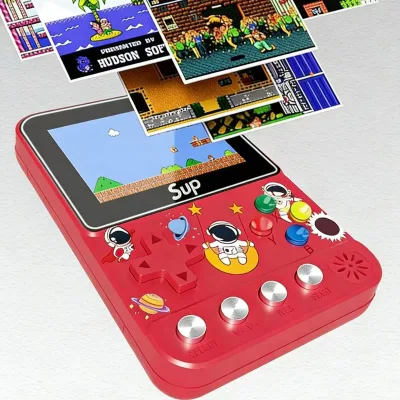
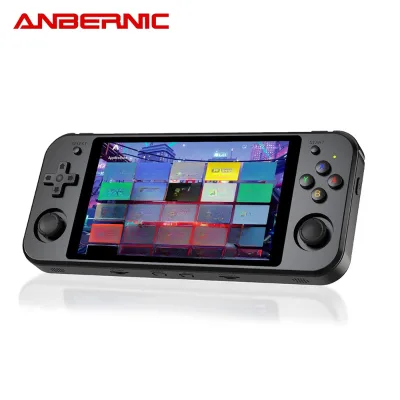
When evaluating retro game consoles, the primary differentiator lies in the technical architecture and form factor. The product data indicates a significant variation in screen sizes, ranging from compact 3.0-inch displays to larger 4.3-inch panels. For instance, specific models such as the M17 feature a 3.0-inch screen, while others like the G5 series offer a 4.3-inch display. Buyers must verify the screen resolution and aspect ratio against the intended use case, as a 3.0-inch screen is ideal for ultra-portable, pocket-sized devices, whereas a 4.3-inch screen offers a more immersive experience for handheld arcade emulation.
The internal architecture also varies significantly. Some units are marketed as "3D Arcade Game Boxes" with models like the G5, while others are strictly "Handheld Game Consoles" like the M17 or the 400-in-1 variant. A critical technical specification to verify is the operating system and software compatibility. The data highlights a "Dual System" capability in certain models, which suggests the ability to run multiple emulation cores or operating environments. Furthermore, storage capacity is a key metric; some units offer substantial internal storage, such as 64GB or 128GB, allowing for extensive game libraries without the need for external memory cards. The presence of additional functionality, such as MP4 video playback, adds value but requires verification of codec support and battery life under dual-use conditions.
Material Construction and Physical Durability
The physical build of a Retro Game Console directly impacts its longevity and user experience. The predominant material observed in this category is a combination of ABS and PC (Polycarbonate) plastics. This material choice is standard for consumer electronics as it offers a balance of durability, lightweight properties, and cost-effectiveness. The data confirms that these materials are selected specifically for being "durable and lightweight," which is essential for handheld devices that are frequently transported.
Packaging standards also play a role in the perceived value and protection of the product during transit. While some units are shipped in simple OPP (Oriented Polypropylene) bags, others come in retail-ready "Colour Boxes." The dimensions of the product and its packaging vary widely, with standard product sizes ranging from approximately 16x11x6 cm to larger arcade-style boxes measuring 71x30x15 cm. Procurement teams must ensure that the packaging dimensions align with their logistics requirements, particularly if shipping large volumes where cubic weight calculations apply. The "Colour Box" packaging often implies a higher tier of product presentation suitable for retail distribution, whereas OPP bags may be intended for bulk wholesale or promotional giveaways.
Compliance, Certification, and Regulatory Verification
In the B2B procurement of electronic toys and gaming devices, compliance with international safety and environmental standards is non-negotiable. While specific certification statuses for individual models in the provided data are not explicitly listed, buyers must rigorously verify that suppliers can provide valid documentation for the target markets. Common requirements include CE marking for the European Economic Area, FCC certification for the United States, and RoHS compliance regarding the restriction of hazardous substances.
Buyers should request test reports from accredited laboratories to verify that the electronic components, particularly the lithium-ion batteries often used in handheld consoles, meet safety standards for transport and operation. The absence of a "Touch Screen" in the observed models simplifies the user interface but does not exempt the device from electromagnetic compatibility (EMC) regulations. Additionally, since many of these devices are marketed as "Retro Handheld Game Consoles" with built-in game libraries, intellectual property rights regarding the pre-loaded software must be clarified. Suppliers should provide proof of licensing or authorization for the game titles included in the "26800 in 1" or "400 in 1" configurations to mitigate legal risks for the buyer.
Cost Drivers and Pricing Dynamics
The pricing of retro game consoles is influenced by a complex interplay of factors, including screen size, storage capacity, material quality, and packaging. The observed price range in the market spans from $0.70 to $167.74 USD, reflecting the vast disparity between basic, single-function units and premium, feature-rich consoles. Several key drivers contribute to this variance. First, the quantity of pre-installed games is a significant cost factor; units boasting "26800 in 1" games typically command a higher price point than those with 400 games, assuming the quality of the emulation software is comparable.
Second, storage capacity acts as a major cost driver. Models offering 64GB or 128GB of internal storage will inherently cost more than those with minimal or no expandable storage. Third, the inclusion of additional features, such as MP4 video playback or a dual operating system, adds to the bill of materials and manufacturing complexity. Finally, the Minimum Order Quantity (MOQ) affects the unit price. The data shows an MOQ range of 2 to 1200 units, with a specific instance of 10 PCS noted. Buyers should negotiate based on volume tiers, understanding that higher order volumes generally yield lower per-unit costs but require greater capital outlay and storage capacity.
Supplier Evaluation and Operational Capabilities
Selecting the right supplier requires a thorough assessment of their operational capabilities, customization options, and logistical reliability. The data indicates that customization is "Available," with options for "Customized Logo" and OEM/ODM acceptance. This flexibility is crucial for buyers looking to brand the devices for their own retail channels or corporate gifting programs. However, buyers must verify the supplier's capacity to handle custom orders without compromising quality or extending lead times excessively.
Lead times are another critical operational metric. The observed delivery time ranges from 3 to 15 working days, which suggests a relatively agile supply chain. However, this timeframe may vary based on order volume, customization requirements, and current production capacity. Buyers should confirm whether the stated lead time applies to stock items or customized orders, as the latter often requires additional time for tooling and branding setup. Furthermore, the origin of the products is listed as "China," a major manufacturing hub for consumer electronics. While this offers cost advantages, buyers must ensure the supplier has robust quality control processes in place to maintain consistency across batches.
Quality Control and Long-Term Procurement Strategy
Implementing a robust quality control (QC) strategy is essential to ensure that the retro game consoles meet performance expectations. Given the diverse range of models, from the G5 to the M17, a standardized QC checklist should be developed. This checklist must include functional tests for the screen, button responsiveness, battery life, and software stability. For units with "Dual System" capabilities, testing should verify that both operating environments function correctly without system crashes.
Long-term procurement considerations involve building a sustainable relationship with suppliers who can scale with demand. Buyers should assess the supplier's ability to maintain consistent quality over time, especially when dealing with high-volume orders. The availability of spare parts or the potential for firmware updates should also be discussed, as these factors influence the product's lifecycle. Additionally, the "Product Type" being listed as "All-New" suggests that the market is moving away from refurbished units, which simplifies the warranty and return policy discussions.
Comparative Analysis of Key Product Attributes
To facilitate decision-making, the following table summarizes the key attributes of the observed product categories, highlighting the trade-offs between portability, features, and capacity.
| Attribute | Model G5 / 26800-in-1 | Model M17 | Model 400-in-1 |
|---|---|---|---|
| Type | 3D Arcade Game Box | Handheld Game Console | Handheld Game Player |
| Screen Size | 4.3" | 3.0" | Not Specified |
| Games Count | 26,800 | Not Specified | 400 |
| Storage | Not Specified | Not Specified | 64G / 128G |
| OS | Not Specified | Not Specified | Dual System |
| Material | ABS + PC | ABS + PC | ABS Plastic |
| Packaging | Colour Box | Retail Package | OPP Bag |
| Dimensions | 71x30x15 cm | 25x15x5 cm | 16x11x6 cm |
| Customization | Available | Available | Available |
This comparison illustrates that the choice of product depends heavily on the target market segment. The G5 series, with its larger screen and massive game library, suits arcade enthusiasts or retail displays. The M17 offers a compact, nostalgic experience for individual users, while the 400-in-1 model provides a balance of portability and storage, ideal for mass-market distribution.
Final Procurement Considerations
In conclusion, sourcing retro game consoles requires a balanced approach that weighs technical specifications against cost and compliance requirements. Buyers must navigate a market characterized by significant variation in product features, from screen sizes and storage capacities to the number of pre-loaded games. By focusing on verified data, conducting rigorous supplier evaluations, and implementing strict quality control measures, procurement professionals can secure a reliable supply chain for these nostalgic devices. The availability of customization and OEM/ODM services further enhances the potential for creating unique value propositions in the market. Ultimately, success in this sector depends on aligning product selection with specific customer needs while maintaining adherence to safety and regulatory standards.
FAQs
What screen sizes are available for these retro game consoles?
Available screen sizes range from 3.0 inches to 4.3 inches depending on the model. The M17 features a 3.0-inch display for portability, while the G5 series offers a larger 4.3-inch panel for an immersive arcade experience.
Can I customize the logo and packaging for these devices?
Yes, customization is available including customized logos and OEM or ODM services. Buyers can select from retail color boxes or OPP bags, ensuring the product packaging aligns with their specific branding and distribution requirements.
Which models offer the highest game library capacity?
The G5 series offers a massive library of 26,800 games, while the 400-in-1 model contains 400 pre-installed titles. Some units also support dual systems and up to 128GB storage for additional media or game expansion.
What is the typical delivery time for these orders?
The standard delivery time ranges from 3 to 15 working days for most orders. This timeframe may vary based on order volume and whether customization services like logo printing are included in the production schedule.
How does the minimum order quantity affect pricing?
The minimum order quantity ranges from 2 to 1200 units, with specific models requiring 10 pieces. Higher order volumes generally yield lower per-unit costs, allowing buyers to negotiate better pricing tiers based on their total volume needs.
What materials are used to construct these handheld consoles?
These devices are primarily constructed from ABS and PC plastics to ensure durability and lightweight portability. This material choice provides a robust build suitable for frequent handling while maintaining a cost-effective manufacturing process.