Source Retrofit Shock Absorber Mounting Cushion for vehicles, industrial, and agricultural use
Compare 30 listings for Retrofit Shock Absorber Mounting Cushion options made from silicone rubber, natural rubber, or polyurethane foam. Buyers can evaluate customization, lead times, and OEM capabilities across multiple applications including vehicles and industrial machinery.
Key considerations
Products List


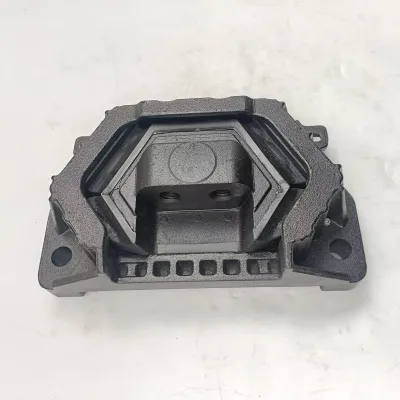


Comprehensive Sourcing Guide
Strategic Sourcing Guide for Retrofit Shock Absorber Mounting Cushions
Understanding Material Composition and Performance Requirements
The foundation of a successful procurement strategy for retrofit shock absorber mounting cushions begins with a rigorous analysis of material composition. In the current market, suppliers frequently offer products constructed from diverse elastomeric materials, each presenting distinct performance characteristics. Buyers must distinguish between Silicone Rubber, Natural Rubber, Polyurethane Foam, and Polyethylene (PE) based on the specific operational demands of the vehicle or machinery. Silicone rubber is often cited for its thermal stability and resistance to aging, making it suitable for high-temperature environments. Conversely, natural rubber provides excellent elasticity and damping properties, which are critical for absorbing road shocks in automotive applications. Polyurethane foam and PE materials are also observed in listings, often selected for their specific hardness ratings and resistance to oil or chemical degradation.
The performance profile of the cushion is equally critical. The primary function of these components is to act as an insulating slab or buffer, isolating the shock absorber from the vehicle chassis to reduce vibration transmission. Observations indicate that products are frequently described as "Insulating Rubber Slabs" or "Pure Gum Rubber Sheets," emphasizing their role in electrical and mechanical isolation. For retrofit applications, the material must maintain its structural integrity under dynamic loading conditions. The damping force direction is a key technical specification; single-effect hydraulic systems require cushions that can handle compression forces effectively without bottoming out. Buyers should verify that the selected material matches the required hardness and resilience for the specific vehicle make, such as Audi, or general agricultural and industrial machinery. The color, typically black, is often a standard observation, though customization for color is available upon request.
Technical Specifications and Customization Capabilities
When evaluating retrofit shock absorber mounting cushions, technical specifications must align precisely with the existing mounting geometry and the dynamic requirements of the suspension system. The product structure is a vital consideration, with single-cylinder designs being a common configuration for hydraulic dampers. The position of the cushion, whether at the rear or front of the assembly, dictates the load distribution and must be matched to the specific vehicle architecture. Suppliers often provide customization services that allow for modifications in shape, size, and logo, ensuring a perfect fit for legacy vehicles or specialized equipment.
The customization landscape for these components is extensive. Buyers can request tailored shapes to accommodate unique chassis designs, moving beyond standard off-the-shelf dimensions. The processing service is predominantly molding, which allows for complex geometries and consistent quality control. Drawing formats such as STP, Step, Igs, and CAD files are standard industry practices for communicating these custom requirements to manufacturers. This digital exchange ensures that the final product matches the engineering specifications exactly. Furthermore, the delivery timeline for custom molds is a significant factor in project planning. While standard production runs may be faster, the creation of a new mold typically requires approximately five days, followed by an eight-day production cycle. For other custom orders, lead times can extend to 15-30 days, with sample times ranging from 3 to 7 days.
Compliance, Certification, and Regulatory Standards
Navigating the compliance landscape is essential for B2B procurement, particularly when sourcing components for vehicles that must meet international safety and environmental standards. The market for retrofit cushions includes products that carry certifications such as ISO, SGS, and specific environmental test reports. Buyers should verify that the supplier can provide documentation confirming adherence to standards like RoHS, Reach, Pops, PAHs, and TSCA. These certifications are not merely administrative; they indicate that the materials used do not contain hazardous substances that could compromise vehicle safety or environmental compliance.
The standard for these products is often listed as "Custom," reflecting the bespoke nature of many retrofit applications. However, this does not imply a lack of quality control. Instead, it suggests that the product is manufactured to meet specific client-defined standards, which should ideally align with broader industry norms. The presence of a "Test Report" in the product attributes is a strong indicator of a supplier's commitment to quality assurance. Buyers must ensure that the supplier can generate these reports for every batch, particularly for automotive applications where traceability is paramount. The origin of the products is frequently noted as China, which is a major manufacturing hub, but the specific factory certifications and audit results should be reviewed to ensure they meet the buyer's corporate compliance policies.
Cost Drivers and Pricing Dynamics
The pricing structure for retrofit shock absorber mounting cushions is influenced by several variables, including material selection, customization complexity, and order volume. The observed price range in the market spans from $0.01 to $51, a wide spectrum that reflects the diversity of product types, from simple rubber pads to complex, multi-material assemblies. The minimum order quantity (MOQ) is another significant cost driver, ranging from 1 unit to 1,000 units. Smaller orders may incur higher per-unit costs due to the setup time for molds and the inefficiency of small-batch production. Conversely, larger orders often benefit from economies of scale, though the MOQ for many specialized suppliers is set at 500 pieces.
Negotiation is a standard part of the procurement process for these components. The "Price: Negotiation" attribute suggests that the final cost is highly dependent on the specific requirements of the buyer, including the volume, material grade, and delivery urgency. Payment terms such as TT, LC, Western Union, and Paypal offer flexibility but also introduce different levels of financial risk and transaction costs. Buyers should consider the total cost of ownership, which includes not just the unit price but also logistics, customs duties, and the cost of potential quality failures. The weight of the product, often cited as 1.6kg per piece or customizable, also impacts shipping costs, particularly for international orders.
Typical Applications and Market Segmentation
Retrofit shock absorber mounting cushions serve a broad array of applications across multiple industries. While the automotive sector is a primary market, with specific mentions of vehicles like Audi and general "Various Vehicles," these components are equally vital in agricultural, industrial, and electronic sectors. In agricultural machinery, the cushions help absorb the shock of uneven terrain, protecting sensitive equipment and improving operator comfort. In industrial settings, they are used to isolate heavy machinery from the floor, reducing noise and vibration. The "Usage" attribute lists Medical, Household, Electronic, Vehicle, Agricultural, and Industrial, indicating the versatility of these rubber components.
The market for these products is described as worldwide, suggesting a global supply chain capable of meeting diverse regional demands. The "Car Make" and "Position" attributes highlight the specificity required in automotive applications, where a cushion designed for a rear damper on one model may not fit another. This specificity drives the need for high levels of customization. The "Product Name" often includes terms like "Car Shock Absorber Rubber PU Cushion Buffer," which helps buyers identify the exact function of the component. Understanding the specific application is crucial for selecting the right material and hardness rating, as a cushion designed for a light passenger vehicle will differ significantly from one intended for heavy-duty industrial equipment.
Supplier Evaluation and Quality Control Protocols
Selecting the right supplier requires a thorough evaluation of their capabilities, particularly regarding their processing services and quality control measures. The "Processing Service" of molding is a critical capability, as it allows for the production of complex shapes and consistent material properties. Buyers should assess the supplier's ability to handle custom requests, including logo printing, color changes, and packing variations. The "Product Packing" is often customized, which can be a significant advantage for buyers looking to streamline their logistics or enhance their brand presentation.
Quality control is paramount, especially for safety-critical components like shock absorber cushions. Buyers should verify the supplier's adherence to ISO and SGS standards, as well as their ability to provide test reports for chemical and physical properties. The "Certification" attribute, listing ISO and SGS, is a strong starting point, but buyers should request evidence of these certifications and inquire about the frequency of audits. The "Lead Time" of 7-15 days for production and 5 days for mold making indicates a relatively agile supply chain, but buyers must confirm these timelines against their own project schedules. The "Loading Port" being a China Main Port is a standard logistical detail that affects shipping times and costs.
Long-Term Procurement Considerations and Strategic Sourcing
Long-term procurement of retrofit shock absorber mounting cushions requires a strategic approach that balances cost, quality, and supply chain resilience. The "Customization" attribute, which includes logo, color, packing, shape, and size, suggests that these components can be a key differentiator for buyers in competitive markets. Establishing a long-term relationship with a supplier who can consistently deliver high-quality, customized products is essential. The "OEM" (Original Equipment Manufacturer) acceptability is a key factor, as many buyers require components that are indistinguishable from the original parts or that meet specific brand standards.
The "Drawing Format" of STP, Step, Igs, and CAD files facilitates a seamless transition from design to production, reducing the risk of errors and rework. Buyers should ensure that their engineering teams are prepared to provide these files in the required formats to avoid delays. The "Payment" terms, including TT, LC, Western Union, and Paypal, offer various options for managing cash flow and risk. For large-scale procurement, letters of credit (LC) may provide the necessary security for both parties. Finally, the "Market" being worldwide implies that buyers should be prepared to navigate international trade regulations and logistics challenges. By focusing on these strategic elements, buyers can build a robust supply chain that ensures the continuous availability of high-quality retrofit shock absorber mounting cushions.
Comparative Analysis of Product Attributes
To assist buyers in making informed decisions, the following table summarizes key product attributes observed in the market, highlighting the variations available for different procurement needs.
| Attribute Category | Common Observation | Customization Option | Typical Range/Value |
|---|---|---|---|
| Material | Silicone Rubber, Natural Rubber, Polyurethane Foam, PE | Available | Varies by application |
| Usage | Vehicle, Agricultural, Industrial, Medical | Available | Specific to vehicle make |
| Color | Black | Customized | Black or Client Choice |
| Shape | Standard | Tailored | Custom CAD/STP |
| MOQ | 500 PCS | Available | 1 - 1000 PCS |
| Lead Time | 15-30 Days | Available | 5 Days (Mold) + 8 Days (Prod) |
| Certification | ISO, SGS | Available | RoHS, Reach, TSCA |
| Packing | Cartons | Customized | Custom Request |
| Origin | China | N/A | China Main Port |
This comparison underscores the flexibility available in the market, allowing buyers to tailor their procurement strategy to specific project requirements. By leveraging these customization options and adhering to the technical and compliance standards outlined, buyers can secure high-quality retrofit shock absorber mounting cushions that meet their operational and strategic goals.
FAQs
What materials are used for retrofit shock absorber mounting cushions?
Suppliers use Silicone Rubber, Natural Rubber, Polyurethane Foam, and PE. These materials offer distinct properties like thermal stability or elasticity to match specific vehicle or industrial damping requirements.
Can I customize the shape and size of these rubber cushions?
Yes, customization is available for shape, size, color, and logo. Buyers can provide CAD or STP files to ensure the tailored product fits specific mounting geometries or brand requirements.
What certifications do these shock absorber cushions typically hold?
Products often carry ISO and SGS certifications. Suppliers also provide test reports confirming compliance with RoHS, Reach, Pops, PAHs, and TSCA standards for environmental and safety safety.
How long does production take for custom orders?
Production lead times vary by order type. Making a new mold takes about 5 days followed by 8 days for production, while other custom orders may require 15 to 30 days total.
What is the minimum order quantity for these rubber buffers?
The minimum order quantity ranges from 1 to 1000 units depending on the supplier. Some specialized listings specify an MOQ of 500 pieces for standard production runs.
Which vehicle makes are compatible with these mounting cushions?
Products are designed for various vehicles including Audi and general automotive applications. They also serve agricultural, industrial, and electronic machinery requiring vibration isolation.
What payment methods are accepted for sourcing these parts?
Accepted payment terms include TT, LC, Western Union, and Paypal. These flexible options allow buyers to manage cash flow and risk according to their procurement policies.