Source Retrofit Car Bumpers for sedans, SUVs, and trucks
Compare 30 available options for Retrofit Car Bumpers suitable for various vehicle models. Buyers can review specifications, materials, and delivery times to find the right auto parts for their needs; compare the available evidence and request quotations based on your requirements.
Key considerations
Products List


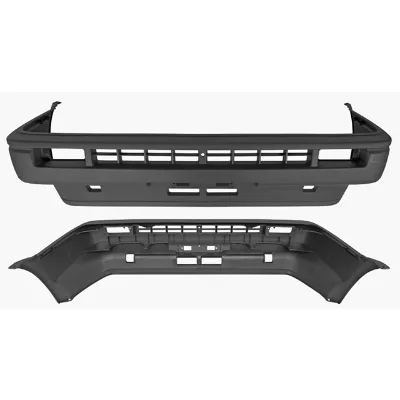
Ultra Durable Scratch Resistant Front Replacement off Road Bumpers
$170000.00 - $200000.00
MOQ: 1 Sets




Comprehensive Sourcing Guide
Retrofit Car Bumpers Sourcing Guide
Sourcing replacement bumpers requires careful attention to fitment accuracy and material integrity, as these components are critical for both vehicle aesthetics and structural safety. Buyers must distinguish between original equipment manufacturer (OEM) parts and aftermarket alternatives, ensuring that the selected bumper aligns with the specific make and model of the target vehicle. The market offers a wide variety of options, ranging from plastic injection-molded units to steel reinforcements, each serving different repair and customization needs. Understanding the distinction between front and rear bumper applications is essential, as their design functions and mounting requirements vary significantly.
Procurement teams should also consider the customization options available, such as color matching and surface finishing, to ensure seamless integration with the existing vehicle body. Many suppliers offer customized solutions, including specific paint finishes like black, red, or silver, which can reduce post-purchase labor costs. However, verifying the compatibility of these customized parts with the vehicle’s original design is crucial to avoid installation issues. Buyers must balance the desire for aesthetic personalization with the need for functional reliability, ensuring that any modifications do not compromise the bumper’s protective capabilities or the vehicle’s overall safety standards.
Product Scope and Observed Listing Signals
The current market for Retrofit Car Bumpers displays a diverse range of product attributes, reflecting the varied needs of automotive repair and customization sectors. Listings frequently highlight key specifications such as material composition, with options including plastic and steel, and position-specific designs for front or rear bumper applications. Buyers will observe variations in weight, ranging from lightweight plastic units to heavier steel components, which can impact shipping costs and installation procedures. Additionally, color options often include standard finishes like black, silver, and red, allowing for greater flexibility in matching vehicle aesthetics without extensive repainting.
Observed listing signals also reveal important logistical details, such as packaging methods and origin locations, which influence supply chain planning. Products are commonly packed in cartons, wooden cases, or naked packaging, depending on the supplier’s standard practices and the fragility of the item. Origins are frequently noted as China, with specific manufacturing hubs like Shanxi and Dongguan, Guangdong, indicating regional specialization in automotive part production. These signals help buyers assess the reliability and scale of potential suppliers, providing insights into the production capacity and logistical capabilities that may affect delivery times and overall procurement efficiency.
Technical Specifications to Verify
Verifying technical specifications is paramount to ensuring that the purchased bumper fits correctly and performs as expected. Buyers must confirm the exact model numbers and OEM codes, such as X03-28030046 or L7, to guarantee compatibility with the target vehicle. The orientation of the bumper, whether left or right, and its specific position, front or rear, are critical details that must be cross-referenced with the vehicle’s service manual. Additionally, the shaping mode, typically injection molding for plastic parts, and surface finish processes like polishing, should be verified to ensure the part meets quality expectations and aesthetic requirements.
Dimensional accuracy is another vital aspect of technical verification, as even minor deviations can lead to installation failures. Buyers should check the standard dimensions provided by suppliers, such as 303030cm or 30013070mm, and compare them against the vehicle’s mounting points. The number of mold cavities, often single cavity for specific parts, can also indicate production efficiency and consistency. Furthermore, the weight of the bumper, ranging from 0.1kg to 3-4kg, should be considered for shipping calculations and structural integrity assessments. Ensuring these technical details are accurate prevents costly returns and installation delays.
Compliance and Safety Documentation
Compliance with international standards is essential for automotive parts, particularly those that affect vehicle safety and structural integrity. Buyers should verify that suppliers hold relevant certifications, such as ISO and CE, which indicate adherence to quality management and safety regulations. These certifications provide assurance that the manufacturing processes meet established industry benchmarks, reducing the risk of defects and ensuring consistent product quality. However, buyers must also consider local regulatory requirements, which may impose additional standards for vehicle components in specific markets.
Documentation should include detailed test results and performance claims, although these are not always explicitly listed in initial product pages. Buyers should request evidence of crashworthiness tests, material durability assessments, and environmental resistance evaluations to ensure the bumper can withstand real-world conditions. Additionally, understanding the customization options available, such as specific paint finishes or structural modifications, requires clear documentation to ensure that any alterations do not void warranties or violate safety regulations. Proper compliance documentation is crucial for maintaining liability protection and ensuring that the installed parts meet all legal and safety requirements.
Cost Drivers and Commercial Terms
Several factors influence the cost of Retrofit Car Bumpers, including material type, manufacturing complexity, and customization requirements. Plastic bumpers, often produced via injection molding, may offer cost advantages due to streamlined production processes, while steel components might incur higher material and processing costs. Customization options, such as specific colors or finishes, can also impact pricing, as they require additional labor and materials. Buyers should evaluate the total cost of ownership, including shipping, handling, and potential installation expenses, to make informed procurement decisions.
Commercial terms, such as minimum order quantities (MOQ) and delivery times, play a significant role in budgeting and supply chain planning. MOQs can range from single units to larger batches, depending on the supplier’s production capacity and business model. Delivery times vary, with some suppliers offering expedited shipping within a week, while others may require 10-20 days for production and dispatch. Buyers should negotiate clear terms regarding payment schedules, return policies, and warranty coverage to mitigate financial risks. Understanding these commercial dynamics helps in selecting suppliers that align with the buyer’s operational needs and budget constraints.
Supplier Qualification and Quality Control
Qualifying suppliers is a critical step in ensuring the reliability and consistency of retrofit car bumper purchases. Buyers should assess suppliers based on their production capabilities, quality control processes, and track record in the automotive parts industry. Verifying certifications, such as ISO and CE, provides insight into the supplier’s commitment to quality and safety standards. Additionally, examining the supplier’s manufacturing facilities, including equipment and workforce expertise, can help determine their ability to produce high-quality parts consistently.
Quality control measures should be rigorously evaluated, including inspection protocols, testing procedures, and defect management systems. Buyers should request samples for initial evaluation to assess fitment, finish, and material quality before committing to larger orders. Establishing clear communication channels with suppliers is essential for addressing any issues that arise during production or delivery. Regular audits and performance reviews can help maintain high standards and ensure that suppliers continue to meet the buyer’s expectations. A robust supplier qualification process minimizes risks and enhances the overall procurement experience.
Long-Term Procurement Checks
Long-term procurement success depends on continuous monitoring and evaluation of supplier performance and product quality. Buyers should establish key performance indicators (KPIs) to track metrics such as delivery times, defect rates, and customer satisfaction. Regular feedback loops with suppliers can help identify areas for improvement and foster collaborative relationships. Additionally, staying informed about industry trends and technological advancements can help buyers anticipate changes in product offerings and market dynamics.
Maintaining a diverse supplier base can mitigate risks associated with supply chain disruptions and ensure continuity of operations. Buyers should periodically review their supplier portfolio to identify opportunities for cost savings and quality improvements. Building strong relationships with trusted suppliers can lead to better pricing, priority service, and access to new products. By implementing a structured approach to long-term procurement checks, buyers can ensure that their sourcing strategies remain effective and aligned with their business objectives.
FAQs
Can I get customized Retrofit Car Bumpers?
Yes, customized options are available for most car models. Buyers can request specific colors like black, red, or silver. The supplier supports OEM services with model numbers such as X03-28030046. This ensures the bumper fits the intended vehicle orientation and position accurately.
What materials are used for these bumpers?
Retrofit Car Bumpers are primarily made from plastic or steel. Plastic versions offer lightweight durability, while steel options provide robust protection. The material choice depends on the specific application and desired finish. Both materials undergo polishing for a high-quality surface appearance suitable for automotive use.
What certifications do these bumpers have?
These bumpers hold ISO and CE certifications. These standards ensure the products meet international quality and safety requirements. The certifications apply to the manufacturing process and final product quality. Buyers can rely on these credentials for compliance in various global markets when sourcing automotive parts.
How long is the delivery time?
Delivery times typically range from one week to fifteen days. Some orders may take up to twenty days depending on customization needs. The standard lead time is efficient for most procurement cycles. Buyers should confirm specific timelines with suppliers to align with their project schedules and inventory requirements.
What is the minimum order quantity?
The minimum order quantity ranges from one to three hundred units. This flexibility allows buyers to test samples or place larger bulk orders. The MOQ varies based on the specific model and customization level. Buyers can negotiate terms directly with manufacturers to find the most suitable quantity for their business needs.
Where are these bumpers manufactured?
These bumpers are manufactured in China, specifically in regions like Shanxi and Dongguan. The origin ensures access to established automotive supply chains. Buyers can verify the production location to assess logistics and shipping costs. The domestic manufacturing base supports consistent quality and competitive pricing for global export.