Source Rotational Moulding Outdoor Playground Equipment for Schools
Find and compare 30 Rotational Moulding Outdoor Playground Equipment options designed for schools, amusement parks, and shops. These durable plastic structures feature galvanized steel frames and customizable colors to meet diverse facility needs.
Key considerations
Products List

Playground Equipment Outdoor Children Commercial Plastic Playground Equipment
$3000.00 - $3600.00
MOQ: 1 Pieces


Plastic Slide Outdoor Playground Outdoor Kids Outdoor Playground Equipment for Children
$1290.00 - $1500.00
MOQ: 1 Pieces

Customized Outdoor Playground Equipment Park Plastic Outdoor Playground Equipment
$1290.00 - $1500.00
MOQ: 1 Pieces


Nature Close Kids Amusement Park Entertainment Equipment Outdoor Playground
$5600.00 - $25600.00
MOQ: 1 Sets


Manufacturer Design School Outdoor Slide Equipment Outdoor Playground
$9800.00 - $13500.00
MOQ: 1 Sets


Cheap Playground Amusement Parks Commercial Outdoor Playground Equipment
$3403.00 - $4375.00
MOQ: 1 Sets


Wood-Plastic Children Outdoor Amusement Playground Equipment (NL-01401)
$6400.00 - $16200.00
MOQ: 1 Sets

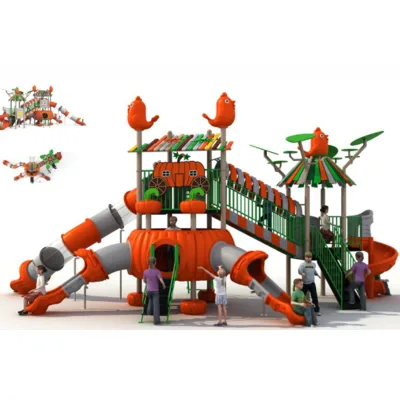

Customized Children Outdoor Playground Equipment for Residential Community
$850.00 - $890.00
MOQ: 1 Pieces


Comprehensive Sourcing Guide
Rotational Moulding Outdoor Playground Equipment Sourcing Guide
Sourcing Rotational Moulding Outdoor Playground Equipment requires a strategic approach that balances aesthetic customization with rigorous safety standards. This guide provides evidence-based procurement advice for buyers evaluating suppliers in this niche, focusing on verified product attributes, technical verification steps, and commercial due diligence. The following sections outline the critical factors that influence quality, compliance, and total cost of ownership for these durable play structures.
Product Scope and Observed Listing Signals
The market for rotational moulding playground equipment is characterized by a wide range of entertainment projects, including swings, ocean ball pits, trampolines, and slides. Listings frequently highlight these units as suitable for diverse environments such as schools, amusement parks, and even commercial spaces like shops or supermarkets. Buyers should note that while the core technology is rotational moulding, the final product often integrates multiple components, such as galvanized steel pipes for structural integrity and 304 stainless steel fasteners to prevent corrosion. This hybrid construction is common in outdoor settings where weather resistance is paramount.
Observed listing signals indicate a strong emphasis on customization and branding. Many suppliers offer OEM services, allowing buyers to tailor colors, sizes, and specific design elements to match their brand identity or site requirements. The material composition is predominantly plastic, often paired with EVA mats for safety surfacing, which can be selected in various sizes and colors. This flexibility is a key selling point, but it also necessitates careful review of the specific configuration to ensure it aligns with the intended user demographic, which typically ranges from 3 to 14 years of age.
Technical Specifications to Verify
When evaluating technical specifications, buyers must verify the structural integrity of the plastic components and the supporting framework. Rotational moulding produces seamless, hollow plastic parts that are generally more durable and impact-resistant than blow-moulded alternatives. However, the longevity of the entire structure depends heavily on the quality of the iron parts, which are often specified as galvanized steel pipes. Buyers should request detailed drawings or material certificates to confirm the thickness and galvanization quality of these steel components, as this directly affects the equipment's lifespan in outdoor conditions.
Fasteners and assembly methods are another critical area for verification. The use of 304 stainless steel fasteners is a positive indicator for corrosion resistance, but buyers should confirm that all hardware is included and compatible with the specific model. Installation instructions vary; some suppliers provide professional CAD instructions and assembly procedures, while others may only offer basic manuals. It is essential to assess whether the supplier offers on-site installation support or if the buyer’s team will be responsible for assembly, as this impacts labor costs and project timelines.
Compliance and Safety Documentation
Safety compliance is non-negotiable for playground equipment, and buyers must verify that products meet recognized international standards. Listings often cite certifications such as TUV, ISO GS, and CE, which indicate adherence to specific safety and quality benchmarks. However, these certifications should be treated as claims that require validation. Buyers should request copies of the actual test reports and certification documents for the specific model numbers being purchased, ensuring that the scope of the certification covers the exact configuration and materials used.
In addition to formal certifications, buyers should look for evidence of design patents and proprietary engineering. Some suppliers list patent numbers, which can indicate a unique design or innovative structural solution. While patents do not guarantee safety, they often reflect a level of engineering rigor and intellectual property protection. Buyers should also verify that the supplier provides complete documentation, including user manuals and maintenance guides, which are essential for long-term safety management and liability mitigation.
Cost Drivers and Commercial Terms
The price range for rotational moulding playground equipment is broad, reflecting variations in size, complexity, and customization levels. Buyers should expect prices to vary significantly based on the number of entertainment projects included, such as the integration of slides, swings, or ball pits. The observed minimum order quantity (MOQ) is often low, sometimes as low as one set, which allows for smaller pilot projects or single-site installations. However, buyers should be aware that unit prices may decrease with larger orders, so evaluating the total cost per play unit is more insightful than focusing solely on the list price.
Commercial terms also include packaging and shipping considerations. Products are typically packed with bubble bags and PP film to protect the plastic components during transit. Buyers should clarify who is responsible for freight costs and insurance, especially for large items that may require special handling. Additionally, warranty terms, such as a one-year warranty on parts or structure, should be explicitly defined in the contract. Understanding the scope of the warranty and the process for claiming replacements is crucial for managing long-term maintenance costs.
Supplier Qualification and Quality Control
Supplier qualification involves assessing the manufacturer’s production capabilities and quality control processes. Since rotational moulding is a specialized process, buyers should verify that the supplier has dedicated equipment and expertise in this area. The origin of the products, often listed as China or specific regions like Wenzhou, can provide context for the supply chain, but buyers should not rely solely on geographic indicators. Instead, they should request evidence of the supplier’s production capacity, including the number of units produced monthly and the consistency of their output.
Quality control measures should be transparent and verifiable. Buyers should inquire about the supplier’s internal testing protocols, including UV resistance and anti-static property tests, which are critical for outdoor equipment. Some suppliers highlight advantages such as anti-UV properties, which prevent fading and material degradation over time. Buyers should ask for test data or third-party verification of these claims to ensure that the equipment will withstand prolonged exposure to sunlight and weather elements without compromising safety or aesthetics.
Long-Term Procurement Checks
Long-term procurement success depends on the supplier’s after-sales service and support infrastructure. Buyers should evaluate the supplier’s responsiveness to inquiries and their ability to provide ongoing technical support. A professional sales team and good after-sale service are often cited as advantages, but buyers should seek references or case studies to validate these claims. Understanding the supplier’s policy for handling defective parts or providing replacement components is essential for minimizing downtime in case of damage or wear.
Finally, buyers should consider the scalability and future-proofing of their procurement strategy. As playground trends evolve, the ability to customize and upgrade equipment is valuable. Suppliers that offer a wide range of models, such as the TS-HW and HD-HKG series, provide flexibility for future expansions or replacements. Buyers should maintain a relationship with suppliers who can accommodate changes in design or specification, ensuring that their playground investments remain relevant and safe for years to come. Regular reviews of equipment condition and adherence to maintenance schedules will further extend the lifecycle of the playground assets.
FAQs
What materials are used for outdoor playground equipment?
The equipment is primarily made of plastic using rotational moulding technology. Additional components include galvanized steel pipes for iron parts and 304 stainless steel fasteners to ensure durability and safety for children aged 3 to 14 years.
Which certifications does the playground equipment hold?
The products hold TUV, ISO, GS, and CE certifications to meet European standards. These certifications ensure the equipment is safe for use in schools, amusement parks, and shops while providing complete documentation for buyers.
Can the outdoor slide be customized for specific needs?
Yes, customization is available for color, size, and specific design requirements. Buyers can select from different sizes and colors, and the manufacturer offers OEM services to tailor the equipment to specific project needs.
What is the minimum order quantity for this equipment?
The minimum order quantity is one set for most items. This low MOQ allows buyers to test the market or purchase smaller quantities while still benefiting from factory direct-selling market mode pricing.
How is the equipment installed and what support is provided?
Installation is supported by professional CAD instructions and assembly procedures. Buyers receive a detailed installation manual, and the service includes a professional salesman and good after-sale support to ensure proper setup.
What are the key advantages of this playground equipment?
Key advantages include anti-UV and anti-static properties for long-term outdoor use. The equipment is designed to withstand various conditions and meets high safety standards suitable for schools and amusement parks.
Where is the manufacturing origin of this playground equipment?
The products originate from China, specifically from the Wenzhou region. This location supports efficient production and shipping while maintaining competitive pricing through direct factory sales.