Source Ripple Bowl options for catering, home use, and events
Compare 30 Ripple Bowl listings from verified Chinese suppliers. Buyers can evaluate materials like plastic and melamine, check certifications such as CE and FDA, and review customization options for bulk orders.
Key considerations
Products List


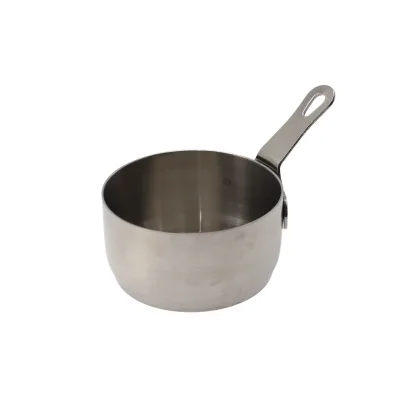
Proper Price Durable Using Various Custom Contemporary Reusable Bowl Dip Cup
$0.91 - $1.29
MOQ: 200 Minimum


Comprehensive Sourcing Guide
Strategic Sourcing Guide for Ripple Bowl Procurement
Navigating the global market for ripple bowls requires a disciplined approach that distinguishes between generic product descriptions and verified supplier capabilities. The term "Ripple Bowl" often refers to specific textured designs or functional shapes intended for serving, storage, or specialized culinary applications. For procurement professionals, the primary challenge lies in filtering through a fragmented supply chain where product attributes, materials, and compliance standards vary significantly. This guide synthesizes available market data to provide a framework for evaluating potential suppliers, ensuring that the final procurement decision aligns with technical requirements, regulatory mandates, and cost-efficiency goals.
Technical Specifications and Material Composition
The foundation of any successful procurement strategy begins with a precise definition of technical specifications. In the current market, ripple bowls are manufactured from a diverse range of materials, each offering distinct performance characteristics. Data indicates that Plastic is a prevalent material choice, often associated with lightweight durability and cost-effectiveness. However, the market also presents options in Melamine, a resin known for its high impact resistance and aesthetic versatility, and 304 Stainless Steel, which offers superior hygiene and longevity for commercial environments.
When evaluating product listings, buyers must scrutinize the specific model numbers and size ranges provided. Observed specifications reveal a wide variance in capacity, with models ranging from 240ml to 400ml for general serving purposes, while other specialized units, such as dip cups, may have diameters listed as 60ml, 80ml, or 100ml. The physical dimensions are equally critical; some listings specify exact package sizes, such as 5.5 cm x 15.5 cm x 23 cm, which directly impacts logistics planning and storage density.
Furthermore, the structural design of the bowl dictates its utility. While some products are explicitly categorized as Disposable, others are marketed as Non-Disposable, indicating a focus on reusability and long-term value. The shape is consistently identified as Bowl, but the surface finish varies, with options including Multicolor finishes, Gold, Silvery, and Rose gold plating, or Printed designs. Buyers should verify if the product includes accessories, as some listings note the presence of a Cover or Lid Type as "Without Lid," which affects the product's suitability for specific storage or transport scenarios.
Compliance and Certification Verification
In the food contact industry, regulatory compliance is non-negotiable. Sourcing ripple bowls without verified certifications exposes the buyer to significant legal and reputational risks. The market data confirms that reputable suppliers often hold a suite of international certifications, including CE/EU, FDA, CIQ, LFGB, and EEC. These certifications indicate that the product has undergone testing for safety, chemical migration, and material integrity suitable for food contact in various jurisdictions.
Buyers must treat certification claims as observations requiring validation rather than absolute guarantees. The presence of LFGB (German Food and Feed Code) and FDA (US Food and Drug Administration) approval is particularly critical for products intended for export to Europe and North America. Additionally, CIQ (China Inspection and Quarantine) suggests that the product has met specific Chinese export standards.
It is important to note that while some background information references standards like EN13432 (for compostability) or FSC (Forest Stewardship Council), these should not be assumed to apply to all ripple bowls unless explicitly stated in the supplier's documentation. For plastic and melamine products, the focus should remain on food safety certifications rather than biodegradability standards, unless the product is specifically marketed as Eco-Friendly. In such cases, the buyer must request specific test reports to substantiate any environmental claims, ensuring that the "Eco-Friendly" label is backed by verifiable data rather than marketing rhetoric.
Cost Drivers and Pricing Dynamics
Understanding the cost structure of ripple bowls is essential for budgeting and negotiation. The observed price range in the market spans from $0.01 to $8.00 USD, a variance that reflects differences in material quality, production complexity, and order volume. The lowest price points typically correspond to basic plastic disposable models with minimal customization, while higher prices are associated with premium materials like stainless steel, complex finishes (e.g., Color Changing or Enamel Storage), and intricate designs.
The Minimum Order Quantity (MOQ) is a primary driver of unit cost. Market data shows a broad MOQ range, from as low as 108 pieces for small-batch or sample orders to 100,000 pieces for large-scale industrial contracts. A specific listing indicates an MOQ of 3000 pieces, which serves as a common threshold for standard production runs. Buyers should be aware that ordering below the standard MOQ often incurs a premium per unit or requires the purchase of stocked inventory, which may limit customization options.
Other cost factors include Customization capabilities. Suppliers offering Custom Logo printing, Customized shapes, or Customized standards often charge additional setup fees. The packaging method also influences cost; products shipped in Carton packaging with a density of 500PCS/Ctns may have different logistics costs compared to those in Color Box packaging. Additionally, the Delivery Time, observed to be 15-30 days, impacts the total cost of ownership when factoring in inventory holding costs and potential rush fees for expedited shipping.
Typical Applications and Usage Scenarios
Ripple bowls serve a multitude of functions across different sectors, and identifying the correct application is vital for selecting the right product. The market data highlights several distinct usage categories. For Home use, the focus is often on aesthetic appeal and durability, with products featuring Classic or Simple styles and colors like Gold or Rose gold. These are frequently used for serving desserts, snacks, or as part of a complete table setting.
In commercial and hospitality settings, the Disposable nature of certain ripple bowls makes them ideal for high-volume events, catering services, or quick-service restaurants where sanitation and speed are paramount. Conversely, Non-Disposable options, such as those made from Melamine or 304 Stainless Steel, are better suited for permanent installations in hotels, cafeterias, or institutional kitchens. The Enamel Storage Bowl category suggests a specific application for dry goods or condiments, while Dip cup models are designed for specific serving scenarios involving sauces or dips.
The Feature of being Stocked is particularly relevant for buyers with immediate needs, as it allows for faster deployment without waiting for production lead times. Furthermore, the Eco-Friendly attribute appeals to businesses aiming to reduce their environmental footprint, provided the claims are substantiated by the aforementioned certifications. The Single item selling unit indicates that these products are often sold individually or in small sets, which is common for retail distribution or promotional gifting.
Supplier Evaluation and Geographic Considerations
Selecting the right supplier requires a thorough assessment of their operational capabilities and geographic location. The supply chain for ripple bowls is concentrated in specific manufacturing hubs in China, with Liling, Hunan, Suzhou, Jiangsu, and Guangdong emerging as key production centers. Each region may have a specialization; for instance, Liling is historically known for ceramics and disposable tableware, while other regions may focus on plastic or metal fabrication.
When evaluating suppliers, buyers should verify the prod_model and model number consistency. Discrepancies in model numbers, such as 2123, FL, 1375, or 10-12-14-16-18CM, can indicate a lack of standardization or a supplier managing multiple product lines with varying quality controls. A reliable supplier will maintain clear documentation linking specific models to their material composition, dimensions, and certification status.
The Customization capability is another critical evaluation metric. Suppliers that offer Custom Logo services and Customized standards demonstrate flexibility and a commitment to meeting specific buyer requirements. However, buyers must ensure that the customization process does not compromise the product's structural integrity or compliance status. The Sample availability, noted as Free in some listings, provides an excellent opportunity to physically inspect the product before committing to a large order. This step allows for a direct assessment of the Color, Shape, and overall finish.
Quality Control and Long-Term Procurement Strategy
Implementing a robust quality control (QC) protocol is essential to mitigate risks associated with mass production. Given the variance in materials from Plastic to Melamine and 304 Stainless Steel, QC checks must be tailored to the specific material properties. For plastic and melamine products, testing for thermal stability and chemical resistance is crucial. For metal products, checks for corrosion resistance and plating adhesion are necessary.
Buyers should establish clear acceptance criteria based on the observed specifications. For example, verifying that the diameter matches the ordered 60ml, 80ml, 100ml sizes and that the Single package size aligns with the provided XX cm dimensions is a basic but necessary step. Additionally, the prod_packing method, whether Carton or Color Box, must be inspected to ensure that the packaging protects the product during transit, especially for fragile items like Enamel Storage Bowls.
Long-term procurement considerations involve building a sustainable relationship with suppliers who can consistently meet the 15-30 days delivery timeline and maintain the MOQ requirements. The ability to scale production from 108PCS to 100000PCS without significant quality degradation is a key indicator of a supplier's maturity. Buyers should also consider the Lead Time implications of custom orders, as Customized products may require longer production cycles than Stocked items.
To ensure continuity, buyers should diversify their supplier base across different regions, such as Hunan and Jiangsu, to mitigate supply chain disruptions. Regular audits and the requirement for updated Certification documents (e.g., FDA, LFGB) should be part of the ongoing supplier management process. By maintaining a disciplined approach to specification verification and compliance checks, buyers can secure a reliable supply of ripple bowls that meet both functional and regulatory standards.
Comparative Analysis of Product Attributes
To facilitate decision-making, the following table summarizes key attributes observed in the market, helping buyers compare different product categories at a glance.
| Attribute Category | Option A (Plastic/Disposable) | Option B (Melamine/Non-Disposable) | Option C (Stainless Steel) |
|---|---|---|---|
| Material | Plastic | Melamine | 304 Stainless Steel |
| MOQ Range | 3000 PCS | 108 PCS | Variable |
| Certifications | CE/EU, FDA, LFGB | CE/EU, FDA, LFGB | CE/EU, FDA |
| Typical Size | 240ml - 400ml | Various (e.g., 60-100ml) | 60ml, 80ml, 100ml |
| Customization | Custom Logo, Color | Customized Standard | Custom Logo |
| Origin | Liling, Hunan | Suzhou, Jiangsu | Guangdong |
| Feature | Eco-Friendly, Stocked | Classic, Simple | Eco-Friendly, Color Changing |
| Packaging | Carton (500PCS/Ctns) | Color Box | Carton |
This comparison highlights that while all options may share similar certifications, the material and intended use (disposable vs. reusable) are the primary differentiators. Buyers must align their selection with their specific operational needs, whether prioritizing cost and disposability or durability and aesthetic customization. By adhering to these structured evaluation criteria, procurement professionals can navigate the complex Ripple Bowl market with confidence and precision.
FAQs
What materials are used for ripple bowls?
Ripple bowls are commonly made from plastic, melamine, or 304 stainless steel. These materials offer varying levels of durability and heat resistance suitable for different usage scenarios ranging from home use to commercial catering.
Which certifications ensure food safety for these bowls?
Reputable ripple bowls often carry CE/EU, FDA, CIQ, LFGB, and EEC certifications. These credentials verify that the product meets international safety standards for chemical migration and material integrity when in contact with food.
Can I order ripple bowls with a custom logo?
Yes, many suppliers offer custom logo printing services for ripple bowls. This customization option allows buyers to brand the products, though it may require meeting specific minimum order quantities and lead times.
How long does delivery take for custom orders?
The typical delivery time for ripple bowls ranges from 15 to 30 days. This timeline applies to standard production runs and may vary depending on the complexity of customization and the specific supplier location.
What is the minimum order quantity for ripple bowls?
Minimum order quantities vary significantly, ranging from 108 pieces for small batches to 100,000 pieces for large industrial contracts. A common threshold for standard production runs is often around 3,000 pieces.
Are ripple bowls available in eco-friendly options?
Some ripple bowls are marketed as eco-friendly, but buyers must verify specific test reports for these claims. Not all products labeled eco-friendly meet compostability standards like EN13432 without explicit documentation.
What sizes are available for ripple bowls?
Available sizes include capacities from 240ml to 400ml for serving bowls and diameters of 60ml, 80ml, or 100ml for dip cups. Package dimensions can also vary, with some units measuring 5.5 cm by 15.5 cm by 23 cm.