Source Ripped Kids Balaclava for Skiing Cycling Travel
Compare 30 verified listings for Ripped Kids Balaclava for Skiing designed for winter sports and outdoor activities. Buyers can evaluate features like breathability, customization options, and fabric types from suppliers in Jiangsu, China; compare the available evidence and request quotations based on your requirements.
Key considerations
Products List


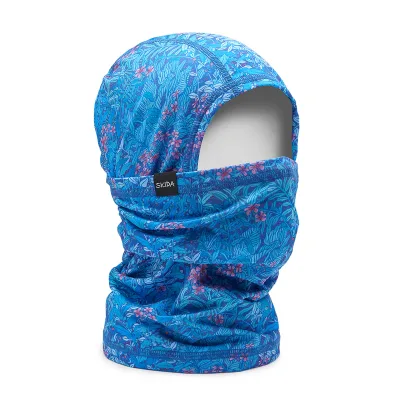
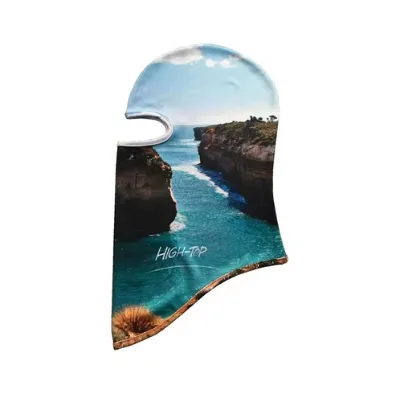
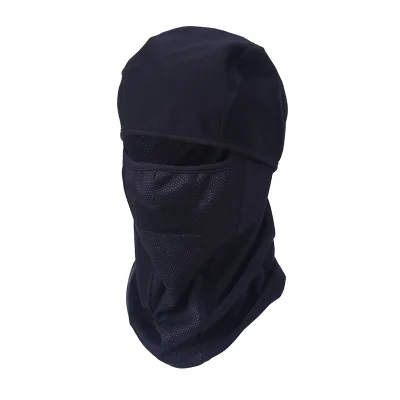
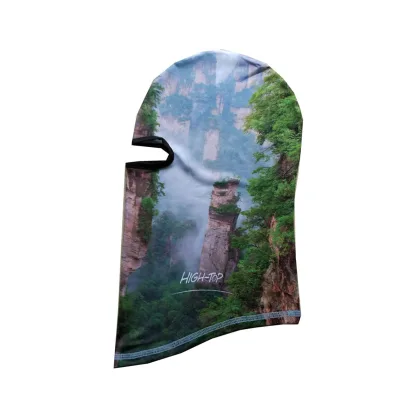
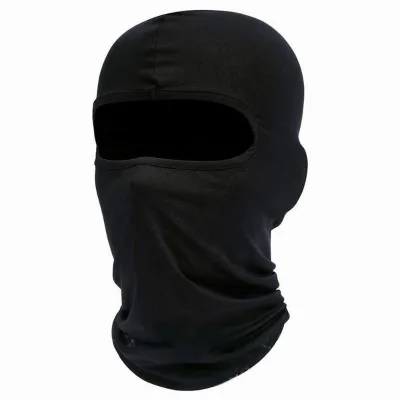


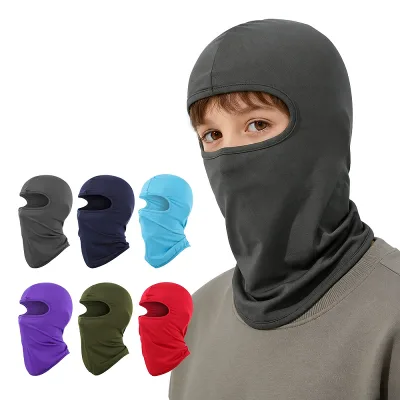
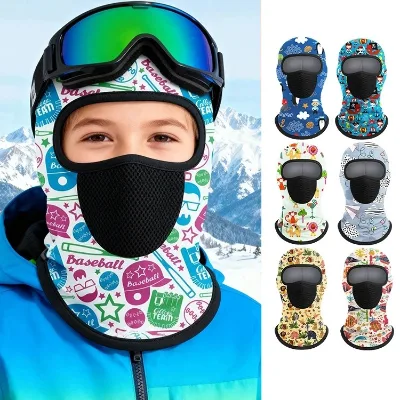
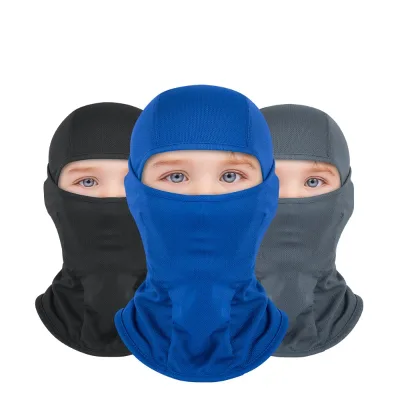

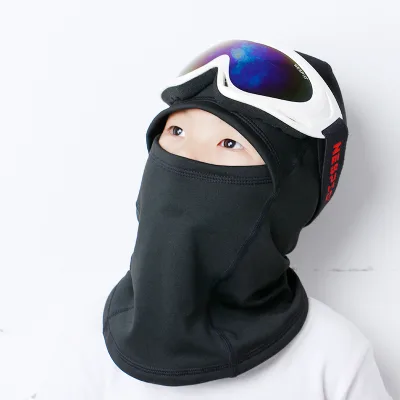
Balaclava Ski Mask-Face Mask for Skiing, Snowboarding, Motorcycle Riding
$2.99 - $3.20
MOQ: 500 Pieces
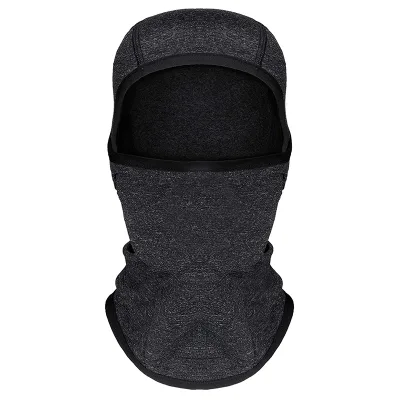
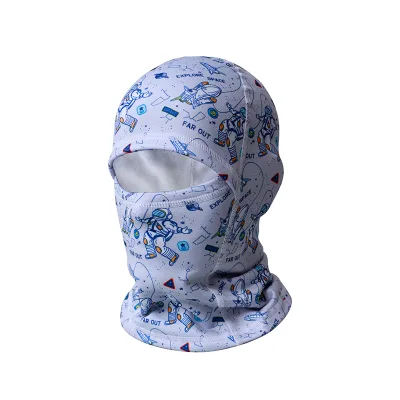
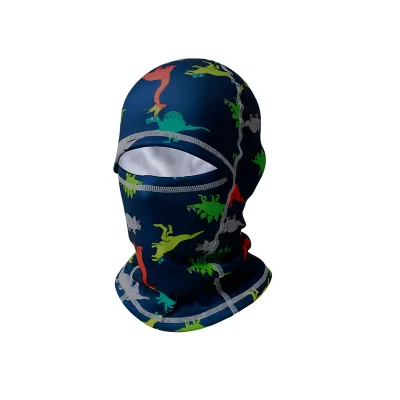
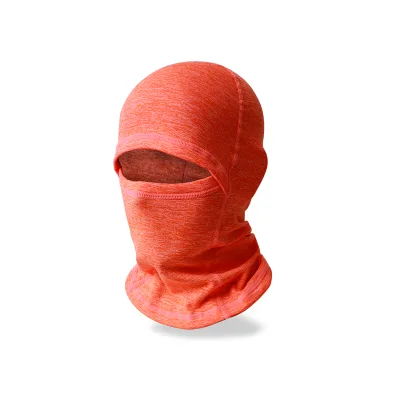


Comprehensive Sourcing Guide
Ripped Kids Balaclava for Skiing Sourcing Guide
Sourcing headgear for young athletes requires balancing aesthetic appeal with rigorous performance standards, particularly when targeting the winter sports market. Buyers must navigate a landscape where "ripped" or distressed styles coexist with functional requirements like breathability and thermal retention. The observed product data indicates a strong emphasis on customization, with suppliers offering OEM and ODM support for logos and designs. This flexibility allows brands to create unique visual identities while maintaining the structural integrity needed for high-intensity activities. Understanding these dual demands is the first step in building a reliable supply chain for seasonal apparel.
The market signals suggest a diverse range of materials and construction techniques, from heat-transfer printing to sublimation methods that ensure vibrant, durable graphics. Suppliers frequently highlight features such as waterproof fabrics and breathable meshes, which are critical for comfort during skiing and cycling. However, the term "ripped" in the context of kids' wear often refers to a stylistic choice rather than a structural flaw, requiring careful verification of fabric durability. Procurement teams must distinguish between fashion-forward distressed looks and actual product defects, ensuring that the final goods meet both safety regulations and customer expectations for longevity.
Product Scope and Observed Listing Signals
The current catalog of headgear reveals a wide spectrum of styles, including shade-type masks, bandanas, and long neck gaiters suitable for various outdoor activities. Key attributes observed include medium to thin thickness levels, catering to different seasonal needs from autumn to winter sports. Many listings emphasize unisex designs and specific age groups, though buyers must verify if "adults" listed in some specs actually applies to the kids' segment they intend to source. The presence of "without brim" and "without crown" attributes suggests a focus on seamless, form-fitting designs that integrate well with helmets, a crucial feature for skiing enthusiasts.
Customization is a dominant theme, with suppliers explicitly stating support for custom logos, patterns, and even imitation animal styles. This indicates a mature manufacturing ecosystem capable of handling complex design requests, such as printed stripes or specific color palettes including black, yellow, and camel. The observed price range of $0.15 to $5.00 USD reflects the variability in material quality and order volume, with MOQs starting as low as 300 pieces for certain fabric blends. Buyers should interpret these signals as indicators of a flexible market where small-batch testing is feasible, but volume discounts will significantly impact the final landed cost.
Technical Specifications to Verify
When evaluating technical specifications, the head circumference and thickness are primary determinants of fit and thermal performance. For kids' balaclavas, verifying the exact head circumference range is essential to ensure a secure fit that does not slip during vigorous movement. The observed data mentions sizes like 58-60CM, which typically align with adult or older teen measurements, necessitating a strict check for smaller, child-specific sizing options. Additionally, the distinction between thin and medium thickness must be aligned with the intended use case, as skiing requires adequate insulation without causing overheating or sweat accumulation.
Material composition and printing techniques also play a pivotal role in product longevity and aesthetic retention. Suppliers often cite 100% polyester fabrics with features like waterproofing and breathability, which are standard for performance wear. Buyers must verify the specific fabric blend, such as nylon-spandex mixes, to assess elasticity and recovery rates after repeated washing. Furthermore, the choice between sublimation transfer and digital printing affects color fastness and detail resolution. Confirming these technical details ensures that the "ripped" aesthetic does not compromise the structural integrity of the fabric under stress.
Compliance and Safety Documentation
Safety compliance is non-negotiable for children's apparel, particularly items that cover the face and head. Buyers must ensure that all suppliers provide documentation confirming adherence to relevant safety standards for flammability, chemical content, and physical hazards. While some listings mention needle detection services, this is a basic quality control measure and does not replace comprehensive third-party testing. It is crucial to verify that the materials used, including dyes and prints, are free from harmful substances that could irritate a child's sensitive skin or respiratory system.
Documentation should also cover the origin of materials and the manufacturing processes to ensure ethical and environmental compliance. Although OEKO-TEX is mentioned in background knowledge, buyers must request specific certificates for the actual products being ordered, as general claims do not guarantee batch-specific compliance. Additionally, verifying the "export standard" packaging mentioned in some listings helps ensure that products arrive in pristine condition, free from moisture damage or contamination. Clear safety documentation protects the brand from liability and builds trust with parents who prioritize their children's well-being.
Cost Drivers and Commercial Terms
The cost structure for kids' balaclavas is influenced by material selection, customization complexity, and order volume. The observed MOQ of 300 pieces for specific fabric types suggests that lower volumes may incur higher per-unit costs due to setup fees for printing and cutting. Buyers should analyze the trade-off between custom design costs and standard inventory, as OEM/ODM services often carry premiums. Understanding the breakdown of costs, including fabric, labor, and printing, allows for more accurate margin calculations and competitive pricing strategies in the final retail market.
Payment terms and shipping logistics also significantly impact the total cost of ownership. Suppliers offering 100% polyester fabrics with heat-transfer printing may have different payment structures compared to those using more complex digital printing methods. Buyers should negotiate clear terms regarding sample costs, bulk discounts, and penalties for delays. Additionally, considering the single gross weight of 0.056 kg per unit helps in calculating accurate freight costs, especially for air shipments where weight is a primary cost driver. Transparent commercial terms prevent unexpected expenses and ensure predictable budgeting for the procurement cycle.
Supplier Qualification and Quality Control
Qualifying suppliers requires a thorough assessment of their manufacturing capabilities and quality control processes. Buyers should prioritize suppliers who demonstrate consistent production quality, as evidenced by their ability to handle complex designs like imitation animals or specific color combinations. The mention of "fashion, comfortable, durable" features indicates a focus on product performance, but buyers must verify these claims through sample testing. Requesting detailed information about the production line, including equipment for sublimation and digital printing, helps assess the supplier's technical proficiency and capacity to meet high-volume orders.
Quality control measures, such as needle detection and export-standard packaging, are essential indicators of a supplier's commitment to product safety and presentation. Buyers should implement a robust inspection regime, including pre-shipment inspections to verify color accuracy, stitching quality, and overall fit. Establishing clear communication channels with suppliers ensures that any issues are addressed promptly, minimizing the risk of defective goods reaching the market. Building a relationship with suppliers who value transparency and continuous improvement fosters long-term reliability and reduces the likelihood of supply chain disruptions.
Long-Term Procurement Checks
Long-term procurement success depends on continuous monitoring of supplier performance and market trends. Buyers should regularly review supplier metrics, such as on-time delivery rates, defect rates, and responsiveness to design changes. Maintaining a diversified supplier base mitigates the risk of single-source dependency and provides flexibility in responding to sudden shifts in demand. Additionally, staying informed about emerging materials and printing technologies allows buyers to innovate and offer unique products that stand out in the competitive kids' winter sports market.
Regular audits and feedback loops with suppliers help maintain high standards of quality and compliance over time. Buyers should conduct periodic reviews of safety documentation and material certifications to ensure ongoing adherence to regulatory requirements. Engaging with end-users to gather feedback on product performance and comfort provides valuable insights for future design iterations. By fostering a collaborative relationship with suppliers and prioritizing continuous improvement, buyers can build a resilient supply chain that delivers value and satisfaction to their customers year after year.
FAQs
Can I customize the logo on these masks?
Yes, you can customize the logo on these masks as customization is available for this product line. The design supports OEM and ODM options, allowing you to add your specific branding. This feature is suitable for bulk orders where unique identification is required for your brand identity.
What is the minimum order quantity for these items?
The minimum order quantity is 300 pieces for the fabric nylon and spandex variants. This MOQ applies specifically to the fabric types listed in the product specifications. Buyers should plan their initial procurement volume to meet this threshold before placing an order with the supplier.
Which materials are used to make these headgear items?
These headgear items are made from 100% polyester material. The fabric features include waterproof properties and breathable characteristics suitable for outdoor activities. This material choice ensures durability and comfort during use in various weather conditions including winter and autumn seasons.
How thick are the masks available for purchase?
The masks are available in medium and thin thickness options depending on the specific model. Some variants are described as having a medium thickness while others are thin. This variation allows buyers to select the appropriate warmth level for different seasonal requirements like winter or spring and autumn.
What printing methods are used for the patterns?
The patterns are created using sublimation transfer print and digital printing methods. These techniques ensure high-quality printed designs on the polyester fabric. The product also supports heat-transfer printing for specific customization needs, allowing for detailed and durable graphics on the final headgear items.
Where are these products manufactured and shipped from?
These products are manufactured and shipped from Jiangsu, China. The place of origin is clearly stated as Jiangsu for all listed items. This location information helps buyers understand the supply chain logistics and potential shipping times associated with sourcing these specific headgear products from the region.
What are the applicable scenes for using these masks?
These masks are applicable for sports, skiing, travel, outdoor activities, and daily casual use. They are also suitable for beach, business, fishing, cycling, and home use scenarios. The versatile design supports multiple activities ranging from intense physical exercise to relaxed leisure time in various environments.