Source River Fishing Line for Agriculture, Outdoor Gear, and Sea
Find 30 River Fishing Line options with varying materials like PE and Nylon, available in floating or sinking types. Buyers can compare specifications including strand counts, lengths, and customization services from Chinese manufacturers.
Key considerations
Products List


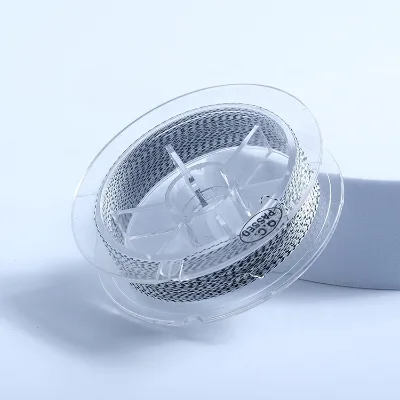
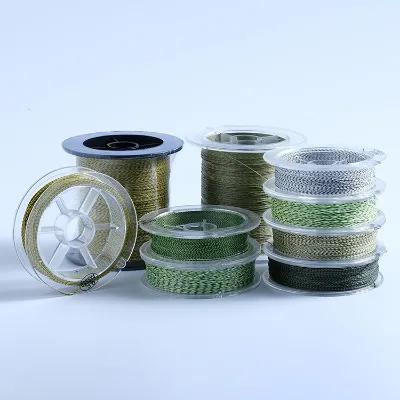
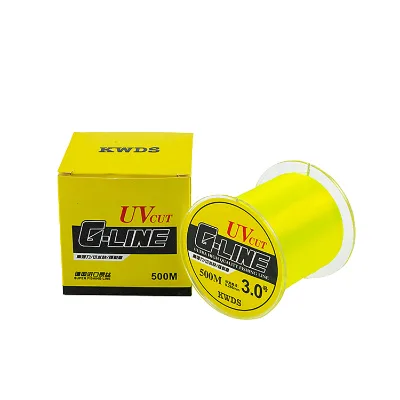


Comprehensive Sourcing Guide
Strategic Sourcing Guide for River Fishing Line Procurement
The global market for river fishing lines presents a complex landscape where technical specifications, material composition, and operational environments intersect. For procurement professionals seeking to source "River Fishing Line," the primary challenge lies in distinguishing between products designed for specific riverine conditions versus those intended for general marine or stream use. The available product data indicates a diverse range of offerings, including floating lines, sinking lines, and braided wire variants, each serving distinct tactical purposes. This guide provides a structured approach to evaluating suppliers and products, ensuring that procurement decisions are grounded in verified attributes rather than unverified marketing claims.
Technical Specifications and Material Composition
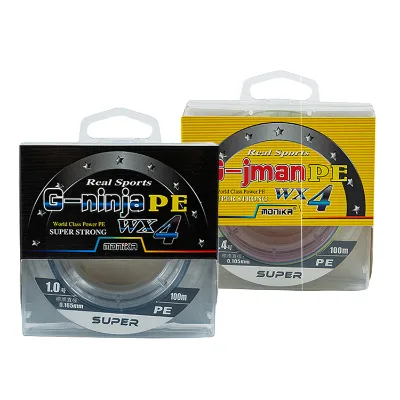
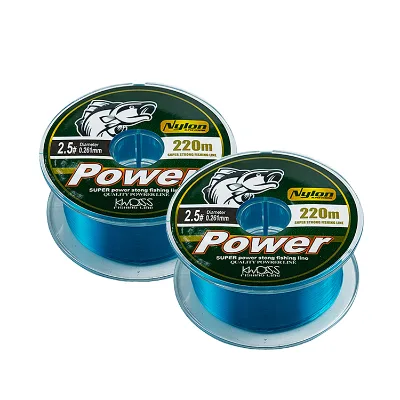
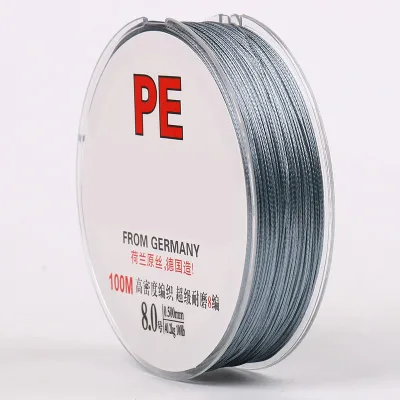
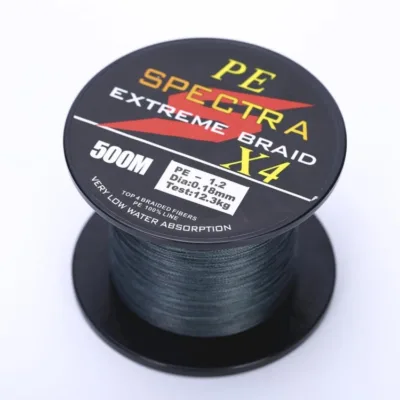
Understanding the technical architecture of fishing lines is the first step in effective sourcing. The core material composition varies significantly across the observed product range. Polyethylene (PE) is a prominent material, often associated with high-strength braided lines. Specific product models identified in the market data include "PE 4X" and "PE 8X," which denote different strand counts and likely varying tensile strengths. The "PE 8X" variant, for instance, features eight strands, suggesting a construction designed for enhanced durability and reduced visibility in water. Conversely, other entries list Nylon as a primary material, which is traditionally used for its elasticity and knot strength, particularly in tippet applications.
The physical configuration of the line is equally critical. The data highlights a "Level" shape, which implies a uniform diameter throughout the line's length, a characteristic often preferred for specific casting techniques in river environments. Strand count is a recurring specification, with options ranging from 4 strands to 8 strands, and even specialized "4 Strands Super" or "8 Strands Super" models. These variations directly influence the line's handling characteristics, abrasion resistance, and sinking or floating behavior. Buyers must verify the exact strand count and material blend for their specific application, as a 4-strand PE line may behave differently than an 8-strand Nylon line in turbulent river currents.
Buoyancy Characteristics and Operational Environment
The buoyancy characteristic of a fishing line dictates its behavior in the water column, a factor that is paramount when targeting river fishing scenarios. The product data explicitly categorizes lines into "Floating Line" and "Sink Line" types. Floating lines are essential for surface presentations, allowing anglers to detect strikes on the water's surface, while sink lines are designed to reach deeper currents and bottom-feeding fish. Some listings also reference "No fade line" and "Sinking line" models, indicating specialized treatments or densities.
The operational environment is further defined by location-specific attributes. While the core keyword is "River Fishing Line," the data includes entries for "Location: River," "Location: Sea," and "Location: Stream." Procurement teams must exercise caution when sourcing products labeled for "Sea" or "Stream" if the primary requirement is "River." Although the physical properties may be similar, the specific engineering tolerances for saltwater corrosion or fast-moving stream currents may differ from standard river conditions. The data also notes "Line No.:2.Location:River" and "Line No.:1.Location:River," suggesting that specific line numbers are calibrated for riverine use. Buyers should prioritize products with explicit "River" location tags to ensure the line's density and buoyancy are optimized for the intended water flow and depth.
Compliance, Certification, and Quality Standards
In the B2B procurement of fishing gear, compliance with international standards is a non-negotiable requirement for risk management. The observed product data includes references to "CE" and "ISO9001" certifications, specifically linked to Nylon materials. These certifications indicate that the manufacturing process adheres to specific quality management systems and safety standards, which is crucial for ensuring product consistency. Additionally, "SGS" is listed as a standard, suggesting that third-party testing and verification are available for certain product lines.
However, the data also presents a "prod_standard" of "Negotiable" for some items, which requires immediate attention from the buyer. A negotiable standard implies that the product may not come with a pre-defined certification or that the certification is subject to the terms of the purchase agreement. In such cases, procurement teams must request proof of certification before finalizing orders. The presence of "50m, 100m, etc." as a standard length specification and "1/4 lb, etc." as a strength specification indicates that standardization exists but may vary by manufacturer. Buyers should verify that the specific lot they are purchasing meets the required SGS or ISO9001 criteria, especially if the end-user market demands strict regulatory compliance.
Cost Drivers and Economic Factors
The economic landscape for river fishing lines is influenced by several variables, including material costs, customization options, and packaging requirements. The observed price range in the market spans from $0.01 to $13.16 USD, a wide disparity that reflects differences in material quality, strand count, and branding. The "PE 8X" and "4 Strands Super" models likely command higher prices due to the increased material usage and complex braiding processes involved.
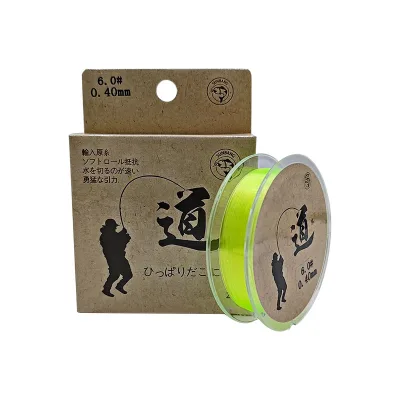
Customization is a significant cost driver. The data confirms that "Customization: Available" and "OEM: Accept" are standard offerings. This means buyers can request specific colors, such as "Black," "Yellow," or "Multi Color," and tailored packaging, such as "Carton" or "in Poly Bag." While OEM services add value, they often come with Minimum Order Quantity (MOQ) requirements. The observed MOQ range is extensive, from 2 to 30,000 units. High-volume buyers may leverage the lower end of the price spectrum by ordering in bulk, whereas small buyers may face higher per-unit costs or be limited to the "Negotiable" packaging options. Additionally, the "Sample: Avaliable" attribute allows buyers to test product quality before committing to large orders, mitigating the risk of sourcing substandard materials.
Supplier Evaluation and Production Capabilities
When evaluating potential suppliers, procurement professionals must look beyond the product listing and assess the supplier's ability to meet specific production demands. The data indicates that the "prod_origin" is "China," which is a major hub for fishing line manufacturing. However, the origin alone does not guarantee quality. Buyers should verify the supplier's capacity to handle the "Package: Negotiable" requirement, ensuring they can provide the desired packaging format, whether it be individual poly bags or bulk cartons.
The "Type" of the product is another critical evaluation metric. The market offers "Main Line," "subline," and "fly line tippet" variants. A supplier specializing in "Main Line" may not have the expertise to produce high-quality "tippet" lines, which require different tensile properties and knot strength. The "Tippet: 0X -7 X" specification suggests a range of diameters and strengths that must be matched to the supplier's production capabilities. Furthermore, the "Usage" category includes "Agriculture,Outdoor Gear," indicating that some suppliers may diversify their product lines. Buyers should ensure that the supplier's primary focus aligns with fishing gear to avoid quality compromises in non-core areas.
Quality Control and Long-Term Procurement Strategy
Quality control is essential for maintaining the integrity of the supply chain. The "prod_standard" of "6 pieces a box" provides a baseline for packaging consistency, but buyers must establish their own quality control protocols. This includes verifying the "Line No." and "Location" specifications against the physical product to ensure that the line intended for river use is not mistakenly supplied as a sea line. The "Color" variations, such as "Black" or "Yellow," must also be checked for consistency, as color fading can indicate poor dyeing processes or low-quality materials.
For long-term procurement, establishing a relationship with suppliers who offer "Sample: Avaliable" is advisable. This allows for iterative testing and validation of the product's performance in actual river conditions. The "OEM: Accept" feature enables buyers to build a private label, which can be a strategic advantage in competitive markets. However, buyers must ensure that the customization process does not compromise the "CE" or "ISO9001" certifications. Finally, the "Lead time" and "MOQ" should be factored into inventory planning. With an MOQ range up to 30,000, buyers must balance inventory costs with the need to maintain stock levels for fluctuating demand.
Comparative Analysis of Product Attributes
To facilitate decision-making, the following table summarizes the key attributes observed in the River Fishing Line market, highlighting the variations that buyers must consider during the sourcing process.
| Attribute Category | Observed Variations | Procurement Consideration |
|---|---|---|
| Material | PE, Nylon, Braided Wire | Verify material suitability for river currents and abrasion resistance. |
| Strand Count | 4 Strands, 8 Strands, 4X, 8X | Higher strand counts generally offer better strength but may affect flexibility. |
| Buoyancy | Floating Line, Sink Line | Select based on target fish depth and river flow dynamics. |
| Location | River, Sea, Stream | Ensure the product is explicitly rated for "River" use to avoid performance issues. |
| Certification | CE, ISO9001, SGS | Prioritize suppliers with verified certifications for quality assurance. |
| Packaging | Carton, Poly Bag, Negotiable | Confirm packaging meets logistics and retail requirements. |
| Customization | OEM Available, Color Options | Leverage OEM for branding but verify impact on lead times and MOQs. |
Conclusion
Sourcing river fishing lines requires a meticulous approach that balances technical specifications with commercial realities. The market offers a wide array of options, from PE braided lines to Nylon tippets, each with unique buoyancy and strand characteristics. Buyers must carefully verify the "Location" and "Buoyancy" attributes to ensure the product matches the intended river environment. Compliance with certifications like CE and ISO9001 is critical for maintaining product integrity, while the wide range of MOQs and customization options necessitates a strategic approach to inventory management. By focusing on verified data and avoiding unverified claims, procurement professionals can build a resilient supply chain that delivers high-quality fishing lines tailored to the demands of river fishing.
FAQs
What materials are used for river fishing lines?
River fishing lines are commonly made from PE, Nylon, or Braided Wire. PE variants like PE 4X and PE 8X offer high strength, while Nylon is often used for tippets requiring elasticity and knot strength.
Which buoyancy characteristics are available for river use?
Products are available as Floating Line or Sink Line types. Floating lines suit surface presentations, whereas sink lines are designed to reach deeper currents and bottom-feeding fish in river environments.
Can I customize the color and packaging of the line?
Yes, customization is available for colors like Black, Yellow, or Multi Color. Buyers can also select packaging options such as Carton or Poly Bag, with OEM services accepted for private labeling.
What certifications do River Fishing Line manufacturers hold?
Some products carry CE and ISO9001 certifications, particularly Nylon materials. Other listings may reference SGS standards, though some items have negotiable standards requiring verification before purchase.
How does the strand count affect the line performance?
Strand counts vary from 4 to 8 strands, with models like 4X and 8X available. Higher strand counts generally enhance durability and reduce visibility, influencing handling and abrasion resistance in currents.
What is the minimum order quantity for these lines?
The minimum order quantity ranges from 2 to 30,000 units depending on the supplier and customization level. High-volume buyers can access lower prices, while small orders may face higher per-unit costs.
Where are these fishing lines manufactured?
The products originate from China, which is a major hub for fishing line manufacturing. Buyers should verify specific supplier capabilities and quality control measures regardless of the general origin location.