Source Riveted Carbon Fiber Hood for Defender, MX5, and Model 3
Compare 30 listings for Riveted Carbon Fiber Hood options tailored for Land Rover Defender, Mazda MX5, and Tesla Model 3. Buyers can evaluate specifications, pricing, and fitment details to find the right upgrade for their vehicle.
Key considerations
Products List
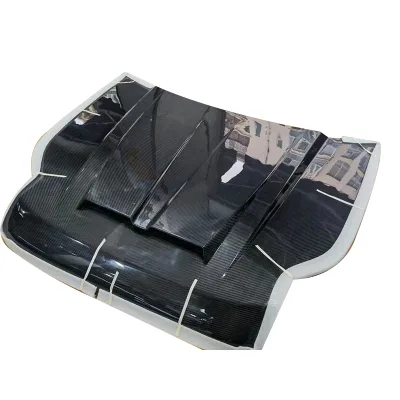
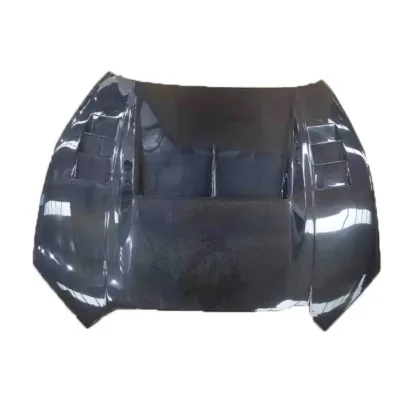
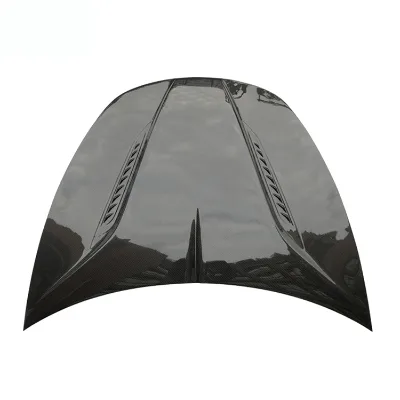
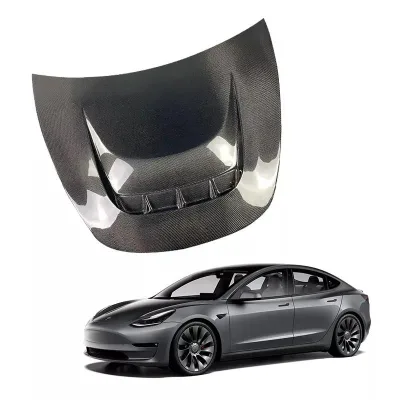
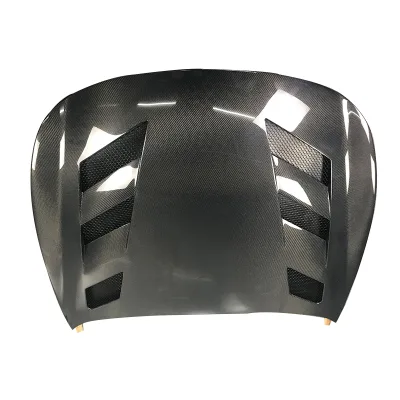


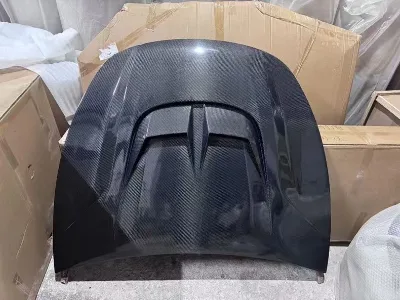
Car Engine Hoods for Dongfeng Carbon Fiber Engine Bonnet Cover Auto Parts
$77.62 - $84.67
MOQ: 1 Pieces
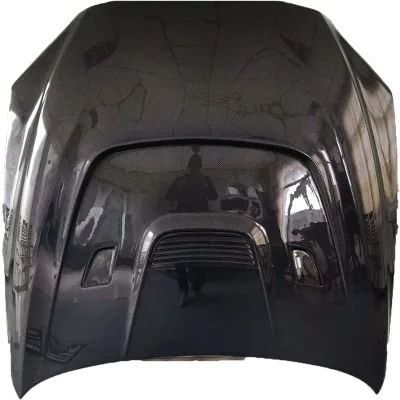
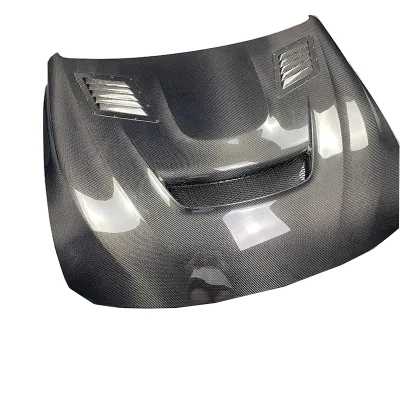
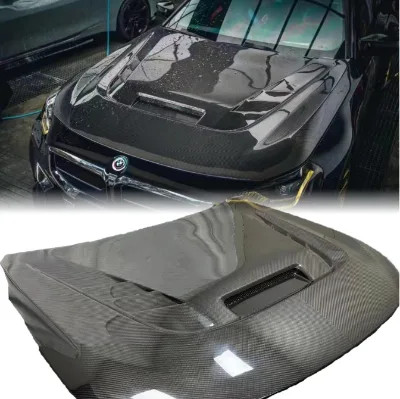


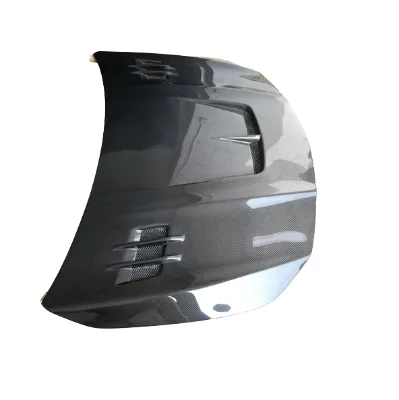


Comprehensive Sourcing Guide
Strategic Sourcing Guide for Riveted Carbon Fiber Hoods
The automotive aftermarket sector has witnessed a significant shift toward lightweight performance components, with carbon fiber hoods representing a pinnacle of material engineering and aesthetic customization. For procurement professionals and B2B buyers, the search term "Riveted Carbon Fiber Hood" necessitates a granular understanding of manufacturing processes, fitment tolerances, and supply chain logistics. Unlike stamped steel or fiberglass alternatives, carbon fiber components require precise layup techniques and specific attachment methodologies to ensure structural integrity and safety. This guide synthesizes available product attributes and industry standards to provide a comprehensive framework for sourcing these high-value components.
Technical Specifications and Material Composition
The core of any carbon fiber hood procurement lies in verifying the material composition and the specific weave pattern. High-performance hoods typically utilize 3K twill weave carbon fiber, a configuration that offers an optimal balance of tensile strength and visual appeal. The surface finish is equally critical; a high-glossy clear coat finish is standard for protecting the underlying fibers from UV degradation and environmental contaminants. Buyers must distinguish between "hand-made" finishes and automated layups, as the former often implies a higher degree of craftsmanship but may introduce variability in lead times.
The attachment method is a defining characteristic of the "riveted" specification. While some modern hoods utilize bolt-on systems that mimic the look of rivets for aesthetic purposes, true riveted hoods often require specific mounting points on the vehicle's chassis. The product attributes indicate that "Attachment Type" is frequently listed as "Bolt-on," which suggests a direct replacement strategy that does not require welding or permanent modification of the vehicle body. However, the presence of "Screws" in the installation attributes suggests that the mounting hardware may vary between screw-based and rivet-based systems depending on the specific vehicle model.
| Attribute Category | Observed Specification | Procurement Verification Point |
|---|---|---|
| Material | Carbon Fiber / Carbon Fiber Material | Verify resin type and fiber orientation (3K Twill Weave). |
| Finish | High Glossy Clear Coat Finish | Inspect for UV resistance and scratch resistance claims. |
| Attachment | Bolt-on / Screws | Confirm compatibility with existing chassis mounting points. |
| Condition | 100% Brand-New / New | Ensure no prior use or damage during shipping. |
| Fitment | Excellent Fitment | Validate against specific vehicle model year and trim. |
Compliance, Certification, and Fitment Standards
When sourcing automotive body panels, compliance is not merely a regulatory checkbox but a functional necessity. The "Fitment" attribute is often described as "Excellent," yet this is a qualitative observation rather than a guaranteed standard. Buyers must verify that the product aligns with the specific "Car Model" listed, such as the Land Rover New Defender, Mazda MX5, Tesla Model 3, or Nissan G37. The "OE NO." (Original Equipment Number) is listed as "original," which implies the part is designed to match factory specifications, but this does not automatically guarantee legal roadworthiness in all jurisdictions.
Certification status is a critical area where buyers must exercise caution. The provided data does not list specific certifications such as DOT, ECE, or SAE. Therefore, procurement teams must explicitly request documentation regarding the structural integrity of the hood and its compliance with local vehicle safety regulations. The "Warranty" terms, such as a "full refund if not perfect fit," serve as a commercial safeguard but do not replace the need for technical verification. Buyers should demand test results or engineering drawings that prove the hood meets the load-bearing requirements for the specific vehicle application, especially if the hood is intended for high-speed or track use.
Cost Drivers and Pricing Dynamics
The pricing of carbon fiber hoods is influenced by a complex matrix of factors, including material costs, labor intensity, and logistics. The observed price range in the market spans from $2 to $1,150 USD, a variance that reflects differences in vehicle compatibility, brand reputation, and the complexity of the molding process. A hood for a common model like the Mazda MX5 may fall on the lower end of this spectrum, while a custom-fitted unit for a Land Rover Defender or a BMW G87 M240 could command a premium due to lower production volumes and higher material waste.
The "Single Gross Weight" varies significantly, ranging from 2.000 kg to 12.000 kg. Heavier units, such as those weighing 12 kg for the Model 3, may indicate a thicker layup or the inclusion of additional structural reinforcements, which directly impacts the raw material cost. Furthermore, the "Single Package Size" and the requirement for "Plywood Case Packing" or "wooden cases" for large items add substantial logistical costs. These protective measures are essential to prevent crushing during transit, as noted in the packaging details, but they increase the volumetric weight and shipping fees. Buyers should calculate the total landed cost, including freight and insurance, rather than focusing solely on the unit price.
Typical Applications and Vehicle Compatibility
The versatility of carbon fiber hoods makes them suitable for a wide array of applications, from daily driving to high-performance racing. The product attributes highlight specific "Car Models" including the Land Rover New Defender, MX5, Model 3, G37, and the G42 M240 G87 series. This indicates that the supply chain is capable of serving both luxury SUV segments and sports car enthusiasts. The "Purpose" is often listed as "for replace/repair" or "for Retrofit/Upgrade," suggesting that these parts are designed to either restore a vehicle to its original condition or enhance its performance and aesthetic profile.
For the "2 Series M2 G87" and similar high-performance models, the hood serves a dual purpose: weight reduction and aerodynamic improvement. The "Vented hood" specification suggests that some units are designed to facilitate engine cooling, which is critical for track applications. Buyers must ensure that the "Customization" option is available if they require specific vent placements or color matching. The "Other Parts" listed, such as carbon fiber fenders, trunks, and rear diffusers, indicate that many suppliers offer a complete body kit approach, which can streamline the procurement process for comprehensive vehicle upgrades.
Supplier Evaluation and Logistics Management
Evaluating a supplier for carbon fiber components requires a deep dive into their operational capabilities and logistical reliability. The "Place of Origin" is consistently identified as Guangdong, China, a region known for its robust manufacturing ecosystem but also for varying levels of quality control. Buyers should verify the supplier's production capacity and their ability to maintain consistent quality across batches. The "Delivery time" of 7 days is a standard lead time for ready-to-ship items, but this may not apply to custom orders or large-scale procurement.
Payment terms are another critical evaluation metric. The observed "Western-union TT" (Telegraphic Transfer) indicates a reliance on traditional banking methods, which may lack the protection offered by escrow services or letters of credit for high-value transactions. Buyers should negotiate terms that balance risk, such as a deposit upon order confirmation and the balance upon proof of shipment or inspection. The "Service" attribute of "24 Hours Online" suggests a commitment to customer support, which is vital for resolving fitment issues or shipping discrepancies. However, buyers should verify the actual response time and the technical expertise of the support team.
Quality Control and Long-Term Procurement Considerations
Quality control in carbon fiber manufacturing is paramount. The "Hand Made Good Finish" attribute implies a reliance on artisanal skill, which can lead to inconsistencies. Buyers must establish clear acceptance criteria for surface defects, such as bubbles, wrinkles, or uneven resin distribution. The "Single package size" and "Standard Carton Box" or "Plywood Case Packing" are essential for protecting the product during transit, but the buyer should inspect the packaging upon receipt to ensure the wooden frames and cases were intact.
Long-term procurement considerations include the availability of replacement parts and the scalability of the supply chain. The "Customization" availability suggests that suppliers can adapt to specific needs, but buyers should confirm the minimum order quantity (MOQ) for custom runs. The observed MOQ range of 1 to 500 sets indicates flexibility, with some suppliers offering single-item purchases while others require bulk commitments. For ongoing projects, establishing a long-term partnership with a supplier who can guarantee consistent lead times and quality is more valuable than securing the lowest initial price.
Conclusion
Sourcing riveted carbon fiber hoods requires a meticulous approach that balances technical specifications, cost efficiency, and supply chain reliability. Buyers must navigate a market where product attributes like "3K Twill Weave," "High Glossy Clear Coat Finish," and "Excellent Fitment" are common but require rigorous verification. By focusing on the specific vehicle model, understanding the logistics of heavy and fragile packaging, and establishing clear quality control protocols, procurement professionals can secure high-performance components that meet both functional and aesthetic requirements. The journey from the Guangdong manufacturing hub to the final installation site involves careful coordination of payment terms, delivery schedules, and technical validation, ensuring that the final product delivers the promised performance and durability.
FAQs
How is the Riveted Carbon Fiber Hood installed on the vehicle?
The hood is installed using screws as the primary attachment method. This bolt-on system allows for direct replacement without welding, ensuring excellent fitment for models like the Land Rover New Defender and Mazda MX5.
What material composition is used for the carbon fiber hood?
The product utilizes 3K twill weave carbon fiber material with a high glossy clear coat finish. This construction provides tensile strength and UV protection while maintaining a premium aesthetic appearance for automotive upgrades.
Which car models are compatible with this carbon fiber hood?
Compatible models include the Land Rover New Defender, Mazda MX5, Tesla Model 3, Nissan G37, and BMW G42 M240 G87. The fitment is designed to be excellent for these specific vehicle types and years.
Can I request customization for the carbon fiber hood design?
Yes, customization is available for specific requirements such as vent placement or color matching. Buyers should verify the minimum order quantity and lead time before requesting custom modifications for their vehicle.
What is the typical delivery time for a carbon fiber hood order?
The standard delivery time is 7 days for ready-to-ship items. This timeline applies to standard orders, though custom requests or large bulk purchases may require additional processing time from the manufacturer.
How are the carbon fiber hoods packaged for safe transportation?
Products are packed in standard carton boxes or wooden cases with wooden frames for large items. This packaging prevents crushing during transit and ensures the high-gloss finish remains undamaged upon arrival.
What warranty terms apply if the hood does not fit perfectly?
A full refund is offered if the product does not achieve a perfect fitment. This warranty serves as a commercial safeguard, though buyers should still verify vehicle compatibility before purchase to avoid returns.