Source Rotational Moulding Obstacle Indoor Playground for Gyms, Schools, Malls
Find 30 Rotational Moulding Obstacle Indoor Playground options for gyms, schools, and malls. Compare features like structure, materials, and customization to select the right equipment for your facility.
Key considerations
Products List


Professional Grade Colorful Indoor Playground for Amusement Parks
$98.00 - $299.00
MOQ: 1 Square Meters


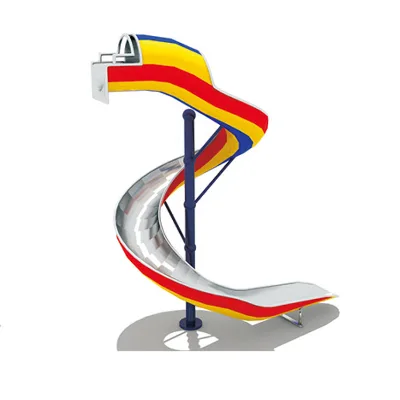

Custom Indoor Playground Featuring Obstacle Course for Active Play
$80.00 - $150.00
MOQ: 10 Square Meters


Exciting Naughty Port Indoor Playground for Kids' Fun Adventures
$80.00 - $200.00
MOQ: 10 Square Meters


Child Playground Indoor Playground Equipment Soft Play Area Kids Indoor Customized
$90.00 - $180.00
MOQ: 10 Square Meters


Indoor Children Play Exercise Playground Equipment Slide Playground for Kids
$1000.00 - $40000.00
MOQ: 1 Sets


Comprehensive Sourcing Guide
Strategic Sourcing Guide for Rotational Moulding Obstacle Indoor Playgrounds
Procuring a Rotational Moulding Obstacle Indoor Playground represents a significant capital investment for commercial operators, educational institutions, and entertainment centers. The decision to utilize rotational moulding as the primary manufacturing process involves specific technical, economic, and operational considerations that differ markedly from traditional injection molding or metal fabrication methods. This guide provides a structured approach for buyers to evaluate suppliers, verify product specifications, and ensure long-term value without relying on unverified market claims. The focus remains strictly on observable attributes, verified production capabilities, and the practical implications of the technology for indoor environments.
Understanding Rotational Moulding Technology in Playground Construction
The core of this sourcing category lies in the manufacturing process itself. Rotational moulding, also known as rotomolding, is a specialized technique where plastic powder is placed inside a hollow mold, which is then heated and rotated on multiple axes. This process allows for the creation of seamless, hollow, and highly durable plastic components. In the context of obstacle courses, this technology is particularly advantageous for producing large, complex shapes that would be difficult or impossible to achieve with other methods.
Unlike injection molding, which often requires parting lines and can result in stress points, rotational moulding produces uniform wall thickness and high impact resistance. This is critical for obstacle courses where children may climb, jump, or collide with structures. The observed product attributes indicate that while some playgrounds utilize injection molding for specific components, the rotational moulding process is explicitly cited for certain product lines, offering a distinct alternative for large-scale structural elements. Buyers must verify that the supplier possesses genuine rotational moulding capabilities rather than simply assembling pre-molded parts. The process allows for the integration of custom colors and textures directly into the material, reducing the need for post-production painting, which can peel or chip over time.
Technical Specifications and Structural Integrity
When evaluating a rotational moulding obstacle course, buyers must scrutinize specific technical parameters that define the product's longevity and safety. The structural design often includes multi-floor configurations, with observed specifications indicating "3 Floors" as a common layout for large-scale units. The material composition is a primary determinant of durability; the supply data lists materials such as metal, plastic, stainless steel, and steel. A robust product typically combines a metal frame for structural rigidity with rotational moulded plastic components for the obstacle elements themselves.
The allowable passenger capacity is a critical metric for operational planning. Data indicates that some units support over 50 passengers simultaneously, while others are designed for capacities exceeding 500, depending on the scale of the installation. For indoor applications, the density of usage is high, making the distinction between personal and group play essential. The "Player" attribute is noted as "Group," suggesting designs intended for simultaneous interaction rather than isolated use.
Furthermore, the service life of these units is a key performance indicator. Observed data suggests a service life ranging from 8 to 10 years, which is a standard benchmark for high-quality commercial playground equipment. This longevity is contingent upon the quality of the raw materials and the precision of the moulding process. The "Condition" is consistently listed as "New," implying that buyers should expect factory-fresh units with no prior wear, but they must verify the warranty terms to protect this investment. The warranty period observed is typically 1 year, which serves as a baseline for manufacturer confidence in their product.
Compliance, Certification, and Safety Standards
Safety compliance is non-negotiable in the playground industry. Buyers must verify that the equipment meets rigorous international and regional safety standards. The supply data explicitly mentions certifications such as CE, ISO, GS, and TÜV. These certifications indicate that the product has undergone testing for mechanical safety, chemical composition, and structural integrity. Specifically, the CE mark is a mandatory requirement for products sold within the European Economic Area, while ISO certification suggests adherence to international quality management systems.
It is important to note that while specific standards like ASTM F1918 are mentioned in background contexts, buyers should not assume automatic compliance without verification. The presence of a certification mark on a product listing is an observation, but the actual validity of that certification must be confirmed through official documentation from the manufacturer. The "Allowable Passenger" attribute is often linked to these certifications, ensuring that the design load limits are scientifically validated.
For indoor environments, fire safety and material toxicity are paramount. The "Standard" attributes listed include Galvanized pipe, PVC foam, PE net, and EV (Ethylene Vinyl) materials. These materials must be non-toxic and flame-retardant. Buyers should request specific test reports regarding flammability and chemical emissions, particularly for PVC and foam components used in obstacle courses. The "Style" attribute often includes "with Protective Net," which must be made of high-strength, UV-resistant, and tear-resistant materials to prevent falls and entrapment.
Cost Drivers and Pricing Dynamics
The pricing of rotational moulding obstacle courses is influenced by several variables, including size, complexity, material quality, and customization. The observed price range in the market spans from $50 to $40,000 USD, reflecting the vast difference between small, modular units and large, custom-built installations. This wide range underscores the importance of defining clear project requirements before engaging with suppliers.
The "Customization" attribute is marked as "Available," indicating that many suppliers offer tailored solutions. Customization drives costs up significantly, as it involves unique mold creation, additional engineering time, and specialized material sourcing. The "Single package size" of 500x500x500 cm suggests that large components may require specialized shipping logistics, which adds to the total cost of ownership. Additionally, the "Single gross weight" of 10,000 kg for certain units highlights the heavy nature of these installations, necessitating robust freight handling and potentially specialized installation crews.
Buyers should also consider the "Delivery Time," which is observed to be between 20 and 25 days. This lead time can vary based on the complexity of the order and the supplier's current production schedule. The "MOQ" (Minimum Order Quantity) ranges from 1 to 10, offering flexibility for smaller projects but potentially limiting economies of scale for very small orders. Understanding these cost drivers helps buyers budget accurately and avoid hidden expenses related to shipping, installation, and customs duties.
Supplier Evaluation and Operational Capabilities
Selecting the right supplier requires a deep dive into their operational capabilities and track record. The "Place of Origin" and "Prod Origin" data point to manufacturers in China, specifically in regions like Guangdong and Zhejiang. These regions are known for their manufacturing clusters, but buyers must verify the specific factory's capacity and quality control processes. The "Brand Name" "Happy" is observed, but buyers should not rely on brand recognition alone; instead, they should assess the supplier's ability to deliver consistent quality across different product lines.
The "Productive Technology" is a key differentiator. While some listings mention "Injection Molding," the focus here is on "Rotational Moulding." Buyers must ensure the supplier has dedicated rotomolding equipment and expertise. The "Structure" of 3 floors implies complex engineering, requiring a supplier with strong design and assembly capabilities. The "Packaging" methods, ranging from "Cotton Cloth and Bubble Film" to "Corrugated Box" and "Standard Export Carton," indicate varying levels of protection during transit. High-quality packaging is essential to prevent damage to the delicate rotational moulded surfaces.
Furthermore, the "Usage" is specified as "for Kids," and the "Occasion" is "Outdoor," though the keyword focuses on indoor playgrounds. Buyers must clarify if the equipment is suitable for indoor environments, as outdoor-rated materials may differ in UV resistance and weatherproofing. The "Function" attributes, such as "Multi-Slides" and "Climbing," suggest a versatile design, but the supplier must demonstrate that these functions are safe and age-appropriate. The "Age" range of 3-12 years is a standard demographic, but buyers should verify that the obstacle difficulty aligns with the specific age group of their target audience.
Quality Control and Long-Term Procurement Considerations
Ensuring long-term value requires a proactive approach to quality control and maintenance planning. The "Service Life" of 8-10 years is a target, but achieving this depends on regular maintenance and proper installation. The "Warranty Period" of 1 year is a standard starting point, but buyers should negotiate extended warranties or service contracts if available. The "Management Features" such as "Flexible Session Scheduling" and "Modular Combination Setting" suggest that the equipment is designed for adaptability, allowing operators to reconfigure the course as needed.
The "Design Features" include "Multi-Scene Integration" and "Level Design Features" with "Progressive Difficulty," which are crucial for engaging children of varying skill levels. However, these features must be physically robust. The "Core Ability Development" aspects, such as "Logical Thinking Training" and "Physical Coordination Training," highlight the educational value of the equipment, but these claims must be supported by the physical design of the obstacles.
Buyers should implement a rigorous inspection protocol upon delivery. This includes checking for structural integrity, verifying all certifications, and ensuring that all packaging materials are removed without damaging the product. The "Competitive Experience" features, such as "Timed Checkpoint Mode," may require additional electronic components or software integration, which should be tested thoroughly before the playground opens to the public. Finally, maintaining a relationship with the supplier for spare parts and future upgrades is essential for maximizing the lifespan of the investment.
Conclusion
Sourcing a Rotational Moulding Obstacle Indoor Playground requires a meticulous approach that balances technical specifications, safety compliance, and cost considerations. By focusing on verified attributes such as the rotational moulding process, specific certifications like CE and ISO, and realistic service life expectations, buyers can make informed decisions. The wide range of customization options and the diverse material compositions offer flexibility, but they also demand careful evaluation of supplier capabilities. Ultimately, the success of the procurement depends on selecting a partner who can deliver high-quality, safe, and durable equipment that meets the specific needs of the indoor playground environment.
FAQs
What manufacturing process is used for these obstacle courses?
Rotational moulding is the primary process used for creating large, seamless plastic components in these units. Some products also utilize injection molding for specific parts, ensuring uniform wall thickness and high impact resistance suitable for children's play.
How long is the typical service life of this equipment?
The observed service life for these playground units ranges from 8 to 10 years. This longevity depends on the quality of materials like galvanized pipe and PVC foam, as well as proper installation and maintenance over time.
Which certifications should I verify for safety compliance?
You should verify certifications such as CE, ISO, GS, and TÜV to ensure safety compliance. These marks indicate the product has undergone testing for mechanical safety and structural integrity, which is mandatory for commercial use in many regions.
Can the product be customized for specific project needs?
Yes, customization is available for these obstacle courses, including options for customized sizes. Buyers can request tailored solutions, though this may impact the delivery time and overall cost of the project significantly.
What is the standard delivery time for these units?
The standard delivery time observed for these products is between 20 and 25 days. This lead time can vary based on the complexity of the order and the specific customization requirements requested by the buyer.
How many passengers can the playground accommodate simultaneously?
Allowable passenger capacity varies, with some units supporting over 50 passengers and others designed for more than 500. The specific capacity depends on the model number and the structural design of the multi-floor configuration.
What warranty period is typically provided for this equipment?
A warranty period of 1 year is typically provided for these new playground units. This baseline warranty covers manufacturer defects, but buyers should verify specific terms to ensure protection for their investment over the expected service life.