Source Sakura Design Matcha Bowl for Cafes, Homes, and Lounges
Explore 30 listings for the Sakura Design Matcha Bowl, featuring ceramic and stoneware options with eco-friendly attributes. Buyers can compare styles, sizes, and customization options from suppliers in Guangdong and Fujian to find the ideal set for cafes, homes, or lounges.
Key considerations
Products List
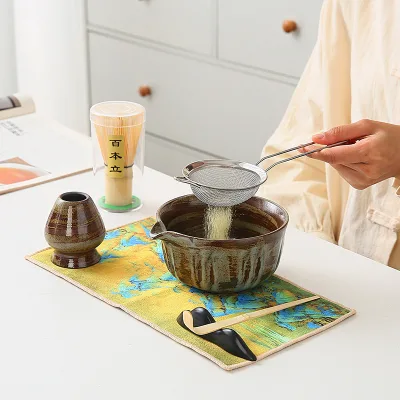
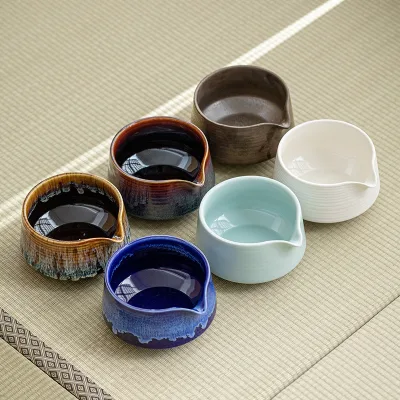
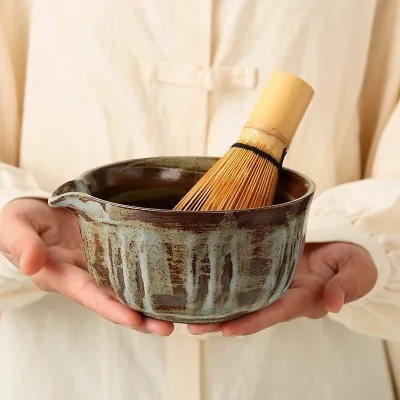
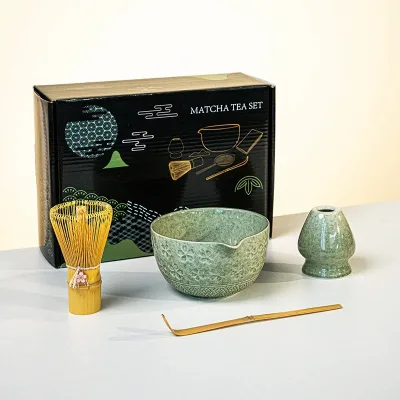
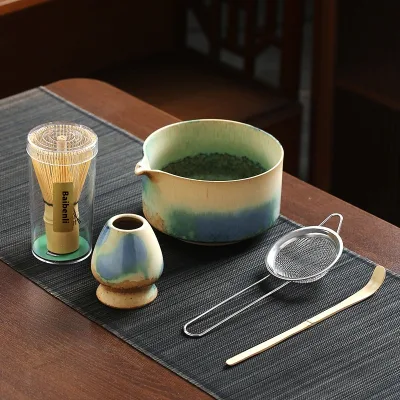


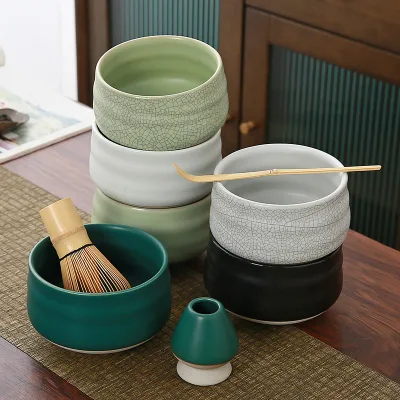


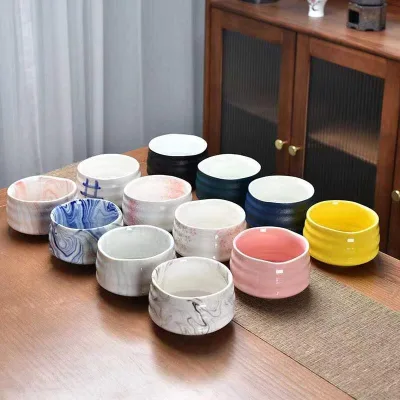
Custom Serving Tea Mixing Colourful Large Ceramic Bowl Matcha Bowl with Design
$2.99 - $3.09
MOQ: 500 Pieces

Clear Glass Matcha Bowl with Whisk Holder Custom Design Box Matcha Tea Set
$12.19 - $12.85
MOQ: 2 Sets

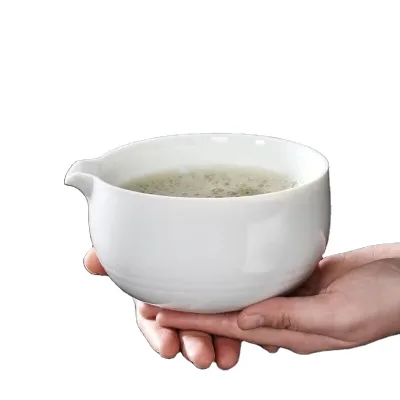
Custom Color Matcha Accessories Tools Matcha Bowl with Spout Bamboo Whisk Matcha Set
$8.78 - $8.98
MOQ: 200 Pieces




Comprehensive Sourcing Guide
Sakura Design Matcha Bowl Sourcing Guide
Sourcing sakura design matcha bowls requires a nuanced understanding of ceramic aesthetics and functional utility. Buyers must distinguish between mass-produced decorative items and artisanal pieces that meet the rigorous demands of traditional tea ceremonies. The visual appeal of cherry blossom motifs often masks underlying variations in clay body density and glaze application, which directly impact heat retention and whisking performance. Procurement teams should prioritize suppliers who demonstrate consistency in their decorative processes, ensuring that the aesthetic does not compromise the structural integrity of the bowl.
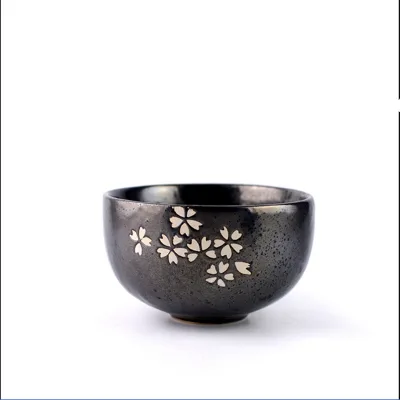
The market offers a diverse range of styles, from modern Japandi interpretations to classic retro designs. Observations indicate that many listings feature irregular shapes or specific color palettes such as gradient greens and white glazes, which cater to contemporary café aesthetics. Buyers should verify whether the "sakura" designation refers to a literal floral print or a broader stylistic theme. Understanding this distinction is critical for aligning product selection with target market expectations, whether for high-end hospitality venues or retail distribution channels.
Product Scope and Observed Listing Signals
Current market listings reveal a wide spectrum of product attributes, including materials ranging from traditional ceramics to melamine and aluminum components. Observed data shows model numbers such as WB-14 and MS 023, indicating a fragmented supply chain with multiple manufacturers offering similar designs. The presence of "Eco-Friendly" and "Durable" features suggests a growing consumer preference for sustainable materials, though buyers must verify these claims through independent testing. The variety in single package sizes, from 15.5x14x8 cm to larger sets, highlights the importance of logistics planning in cost estimation.
Branding strategies vary significantly, with some suppliers offering custom logo acceptance and others providing stock items with established brand names like WG or Bokar. The availability of OEM and ODM services indicates a flexible manufacturing landscape capable of supporting private label growth. Buyers should note the presence of "Colorful" and "Customized" options, which allow for tailored product lines. However, the diversity in product names, such as "matcha whisk bowl" versus "matcha set," necessitates clear communication of specifications to avoid fulfillment errors and ensure accurate inventory management.
Technical Specifications to Verify
Dimensional accuracy is paramount for both aesthetic alignment and functional performance. Buyers must confirm exact measurements, as observed sizes vary from approximately 14x12.5x6.7 cm for individual bowls to larger dimensions for complete sets. The weight of products, ranging from 534g to 0.650 kg per unit, significantly influences shipping costs and handling requirements. Verifying the single gross weight and package dimensions is essential for calculating landed costs accurately and ensuring that packaging protects the ceramic integrity during transit.
Material composition requires careful scrutiny, particularly when distinguishing between stoneware, coarse pottery, and melamine alternatives. While ceramics are the standard for authentic matcha preparation, some listings include metal or plastic components, which may serve as accessories rather than the bowl itself. Buyers should request detailed material certificates to ensure that glazes are food-safe and free from harmful heavy metals. Additionally, verifying the model number and production batch consistency helps maintain quality control across large orders, preventing discrepancies in color and shape that can arise from different manufacturing runs.
Compliance and Safety Documentation
Food contact safety is the primary regulatory concern for matcha bowls, requiring compliance with international standards such as FDA or EU regulations. Buyers must request migration test results to ensure that glazes and pigments do not leach harmful substances into acidic or hot beverages. The presence of "Eco-Friendly" claims should be substantiated by relevant certifications, such as LFGB or specific lead-free declarations, to mitigate liability risks. Without documented proof, aesthetic claims cannot override safety requirements, potentially leading to product recalls or legal penalties in regulated markets.
Packaging compliance is equally critical, especially for international shipments involving multiple countries. Buyers should verify that packaging materials meet local recycling and waste management regulations, particularly in regions with strict plastic restrictions. The use of box packaging, as observed in many listings, must be durable enough to withstand handling while minimizing environmental impact. Additionally, labeling requirements for origin, material composition, and care instructions must be accurately reflected on the product or packaging to ensure smooth customs clearance and consumer transparency.
Cost Drivers and Commercial Terms
Pricing structures are influenced by material quality, decorative complexity, and order volume. Observed price ranges from 0.6 to 18.36 USD reflect significant variation based on customization levels and brand positioning. Buyers should analyze the cost breakdown to understand the premium associated with hand-painted sakura designs versus printed alternatives. Minimum order quantities (MOQs) ranging from 1 to 1000 units offer flexibility for small businesses but may limit economies of scale for larger purchasers. Negotiating tiered pricing based on volume can significantly improve margin potential.
Payment terms and lead times are key commercial factors that impact cash flow and inventory planning. Suppliers offering sample availability allow buyers to validate quality before committing to large orders, reducing the risk of mismatched expectations. Customization options, such as logo printing or unique packaging, often incur additional setup fees and extended production times. Buyers should clarify these costs upfront and negotiate favorable payment terms, such as partial deposits, to balance risk and maintain healthy working capital throughout the procurement cycle.
Supplier Qualification and Quality Control
Supplier verification should focus on manufacturing capabilities and quality assurance processes. Buyers must assess whether suppliers have in-house design teams capable of executing OEM and ODM requests effectively. Factories with established production lines for ceramic and melamine products demonstrate greater reliability in meeting consistent quality standards. Requesting references from existing clients, particularly in the hospitality or retail sectors, provides insight into the supplier’s ability to deliver on time and maintain product consistency over multiple orders.
Quality control protocols must be clearly defined and enforced throughout the production process. Buyers should implement pre-shipment inspections to check for defects such as cracks, glaze imperfections, or color mismatches. Establishing clear acceptance criteria for aesthetic variations is crucial, as handcrafted items may naturally exhibit minor differences. Collaborating with third-party inspection agencies can provide an objective assessment of product quality and compliance, ensuring that the final shipment meets the buyer’s specifications and reduces the likelihood of returns or disputes.
Long-Term Procurement Checks
Sustainable sourcing practices are becoming increasingly important for brand reputation and regulatory compliance. Buyers should evaluate suppliers’ environmental policies, including waste management, energy usage, and material sourcing ethics. Suppliers who prioritize eco-friendly materials and processes are better positioned to meet the growing demand for sustainable products. Regular audits of supplier practices can ensure ongoing compliance with environmental standards and support the buyer’s corporate social responsibility goals.
Market trend analysis is essential for maintaining product relevance and competitiveness. Buyers should monitor shifts in consumer preferences, such as the growing popularity of Japandi styles or specific color palettes like gradient greens. Adapting product offerings to align with these trends can drive sales and customer loyalty. Additionally, fostering strong relationships with suppliers allows for better collaboration on innovation and problem-solving, ensuring a resilient supply chain capable of responding to market changes and maintaining long-term business success.
FAQs
What materials are commonly used for sakura design matcha bowls?
Most sakura design matcha bowls on this page are made of ceramic or stoneware, which handles traditional matcha whisking well. Some listed sets also use melamine or aluminum components for accessories. Ceramic remains preferred for tea ceremonies because it retains heat and provides a stable, wide base for whisking matcha smoothly with a bamboo chasen.
Can I customize the sakura design or add my own logo to the bowls?
Yes, customization is widely offered among the listed suppliers. Logo customization is explicitly acceptable on several products, and custom colors or packing are also supported. Typically you confirm your sakura artwork or logo file with the supplier first, then they arrange a sample so you can verify the printed design before mass production begins.
How do I order a sample before committing to a bulk purchase?
Samples are available from these listings, with one product explicitly marked as available for sampling. Contact the supplier with the model number and preferred color variant, confirm sample cost and shipping separately, and evaluate the ceramic quality and sakura detailing. Once approved, the sample details serve as the production reference for your bulk order.
What is the typical size and weight of these matcha whisk bowls?
A representative listed bowl measures about 14 by 12.5 by 6.7 centimeters and weighs roughly 534 grams, with a single gross weight around 0.650 kilograms including packaging. Sizes vary across models and five-piece sets, so confirm exact dimensions with each supplier, especially if the bowls must fit existing café shelving or gift boxes.
Which packaging options are available for wholesale matcha bowl orders?
Standard packing is a box package, with a single package size around 15.5 by 14 by 8 centimeters on one listing. Custom packing is explicitly acceptable on other products, which suits retail-ready or gift packaging. Discuss box material, insert protection, and label placement early, since ceramic items need secure inner packing to reduce breakage during transit.
Can these matcha sets be used in cafes, restaurants, and lounge bars?
Yes, the listed products list restaurants, family use, lounge bars, and cafes as suitable occasions. Ceramic matcha bowls with sakura styling work well for front-of-house presentation, while durable glazes help withstand daily commercial washing. For high-volume venues, confirm chip resistance and dishwasher suitability with the supplier before placing a large order.
How many pieces do the matcha sets include and what colors are offered?
Listed set configurations include four-piece and five-piece matcha sets in variants such as retro green, white glaze, gradient green, and gradient powder, combining coarse pottery and stoneware finishes. Single bowls are offered in multiple color options labeled Matcha Bowl A through D, and custom colors can typically be arranged when ordering in commercial quantities.
What should I check regarding shipping weight and cost for ceramic bowls?
Ceramic matcha bowls are heavy, so gross weight drives freight cost significantly. A listed single item weighs about 0.650 kilograms packed, meaning a 500-piece order adds roughly 325 kilograms before pallets. Compare sea freight for large volumes against express for samples, and ask suppliers for carton dimensions and per-carton quantities to estimate landed cost accurately.