Source Salon CO2 Fractional Laser Machine for pigment removal, acne treatment, and skin resurfacing
Explore 30 verified listings for the Salon CO2 Fractional Laser Machine designed for pigment removal, acne treatment, and skin resurfacing. Buyers can compare models like FG900 and Co2-Vertical, review output power options, and check warranty terms from suppliers in China.
Key considerations
Products List


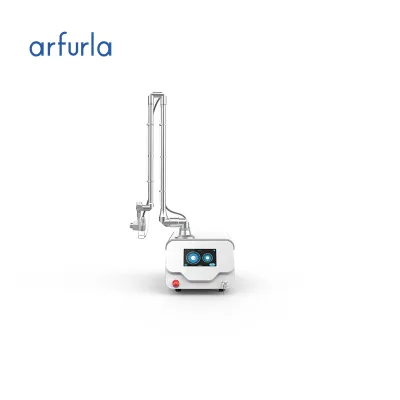


Comprehensive Sourcing Guide
Strategic Sourcing Guide for Salon CO2 Fractional Laser Machines
The procurement of a CO2 fractional laser machine represents a significant capital investment for beauty salons and aesthetic clinics. These devices are engineered to deliver precise skin resurfacing, scar removal, and wrinkle reduction through the application of high-energy laser pulses. The market offers a diverse array of configurations, ranging from portable units to heavy-duty floor-standing systems. Buyers must navigate a complex landscape of technical specifications, regulatory compliance, and operational requirements to ensure the selected equipment aligns with clinical needs and business objectives. This guide provides a structured approach to evaluating potential suppliers and products based on verified market data and industry standards.
Technical Specifications and Operational Capabilities
Understanding the core technical parameters of a CO2 fractional laser is the first step in the sourcing process. The primary mechanism involves the emission of a 10600nm wavelength, which is the standard for CO2 lasers used in dermatological and aesthetic applications. This specific wavelength is highly absorbed by water in the skin, allowing for precise ablation of tissue with minimal thermal damage to surrounding areas. The output power is a critical determinant of the machine's efficacy and treatment speed. Market observations indicate that units typically offer variable power settings, such as 30W, 40W, or 60W configurations. Higher wattage generally correlates with faster treatment times and the ability to penetrate deeper tissue layers, which is essential for treating severe scarring or deep wrinkles.
The physical dimensions and weight of the unit are equally important for salon integration. Data from current listings reveals a wide variance in product standards. Some units are designed with compact dimensions, such as 4444112.5cm or 5858125.5cm, making them suitable for smaller treatment rooms. Conversely, other models feature larger footprints, with dimensions reaching up to 1229360cm or 62cm68cm130cm, often accompanied by significant weight, such as 77kg. These larger units are typically floor-standing and may require dedicated electrical circuits. Buyers must assess whether the equipment is portable or non-portable. While some models are explicitly marketed as portable with full foam and aluminum box packaging, others are heavy, non-portable systems requiring permanent installation. The choice between these forms depends on the salon's mobility needs and available floor space.
Compliance, Certification, and Regulatory Standards
Regulatory compliance is non-negotiable when importing medical or aesthetic devices. The safety and efficacy of CO2 lasers are strictly regulated in most jurisdictions. Buyers should verify that the supplier possesses valid certifications that align with the destination market's requirements. In the context of Chinese manufacturing, common certifications observed include the CFDA (China Food and Drug Administration) approval and the PRC Import & Export License. These documents indicate that the manufacturer is authorized to produce and export medical-grade equipment. Additionally, international standards such as CE marking are frequently referenced, though buyers must confirm the specific scope and validity of these certifications for their target region.
It is crucial to distinguish between general product certifications and specific medical device approvals. While some listings mention ISO 13485:2016 or ISO 13485, these are quality management system standards rather than product-specific safety approvals. Buyers should not assume that a manufacturer's adherence to ISO standards automatically guarantees that a specific laser model is approved for sale in their country. The primary verification step involves requesting the specific regulatory clearance documents for the exact model number, such as the FG900 or Co2-Vertical series, and cross-referencing them with local health authority databases. Without these documents, the risk of customs seizure or legal liability for operating unapproved medical equipment is substantial.
Cost Drivers and Pricing Structures
The pricing of CO2 fractional laser machines is influenced by a complex interplay of factors, including output power, build quality, and included features. Market data indicates a broad price range, typically spanning from $2,300 to $30,000 USD. This variance reflects differences in technology, such as the inclusion of RF (Radio Frequency) tubes or glass tubes, and the complexity of the fractional handpiece. Higher-priced units often come with advanced cooling systems, more durable laser tubes, and comprehensive software for treatment planning. Conversely, lower-cost options may offer basic functionality with limited power settings or shorter warranty periods.
The Minimum Order Quantity (MOQ) is another critical cost factor. In the current market, many suppliers offer an MOQ of 1 unit, which is advantageous for individual salons or small clinics looking to test the market without committing to bulk inventory. However, buyers should be aware that pricing may fluctuate based on the specific configuration selected. For instance, a 60W model with a glass tube and advanced fractional capabilities will command a premium over a 30W unit with a standard RF tube. Additionally, the packaging method, whether it be a wooden package, aluminum alloy case, or standard carton, can impact shipping costs and the overall landed cost of the equipment. Buyers must calculate the total cost of ownership, including shipping, insurance, and potential import duties, rather than focusing solely on the listed unit price.
Typical Applications and Clinical Versatility
CO2 fractional laser machines are versatile tools designed for a wide range of aesthetic applications. The primary function of these devices is skin resurfacing, which addresses issues such as acne scars, surgical scars, and fine lines. The fractional technology creates microscopic columns of thermal injury, stimulating the body's natural healing process and promoting collagen regeneration. Beyond resurfacing, these machines are frequently utilized for the removal of pigmented lesions, including age spots and sun damage. Some advanced models also feature capabilities for blood vessel removal and pore reduction, offering a comprehensive solution for skin rejuvenation.
The application scope extends to both professional salon environments and home use, depending on the specific model and power settings. Professional-grade units, such as the FG900 series, are designed for high-volume clinical use, offering features like vaginal tightening and deep wrinkle removal. These machines often include specialized handpieces for different treatment areas. In contrast, some portable units may be marketed for home use, though their lower power output limits their efficacy for deep tissue treatments. Buyers should carefully review the listed functions, such as "Acne Removal," "Whitening," and "Scar Removal," to ensure the machine aligns with the specific services they intend to offer. It is also important to note that the effectiveness of the treatment is heavily dependent on the operator's skill and the specific parameters set during the procedure.
Supplier Evaluation and After-Sales Support
Selecting a reliable supplier is as critical as selecting the right machine. The longevity and performance of a CO2 laser depend heavily on the manufacturer's ability to provide ongoing support. Key indicators of a reputable supplier include the availability of free spare parts, online technical support, and video technical assistance. A standard warranty period of 1 to 2 years is common in the market, but buyers should scrutinize the terms of this warranty. Does it cover the laser tube, which is often the most expensive component to replace? Some suppliers offer "Technology Supports Forever," which implies a commitment to long-term software updates and technical guidance, a valuable asset for clinics planning to operate the machine for many years.
The origin of the product is another factor to consider. Most of the observed listings originate from Guangdong, China, with specific hubs in Guangzhou and Beijing. While these regions are known for their manufacturing capabilities, buyers should verify the specific factory location and its reputation. The packaging details, such as "Full Foam with Aluminum Box" or "Wooden Package," also provide insight into the supplier's attention to detail and commitment to protecting the equipment during transit. A supplier that invests in robust packaging is more likely to prioritize the safety and integrity of their products. Furthermore, the ability to offer OEM and ODM services indicates a level of flexibility and customization that can be beneficial for salons looking to brand the equipment or modify it for specific needs.
Quality Control and Long-Term Procurement Considerations
Implementing a rigorous quality control (QC) protocol is essential before finalizing a purchase. Buyers should request detailed test reports and performance data for the specific model they intend to buy. While specific test results are not universally provided in public listings, the expectation of high-quality manufacturing should be a baseline requirement. This includes verifying the stability of the laser output, the accuracy of the fractional pattern, and the durability of the cooling system. The presence of certifications like CE or CFDA is a good starting point, but physical inspection or third-party testing may be necessary for high-value transactions.
Long-term procurement considerations extend beyond the initial purchase. The availability of replacement parts is a major concern for CO2 lasers, as laser tubes have a finite lifespan. Buyers should inquire about the expected lifespan of the laser tube and the cost and lead time for replacements. A supplier that stocks spare parts locally or has a reliable shipping channel for international orders is preferable. Additionally, the training provided to salon staff is crucial. Effective operation of a CO2 fractional laser requires specialized knowledge to ensure patient safety and optimal results. Buyers should confirm that the supplier offers comprehensive training materials, including video tutorials and user manuals, to ensure their team is fully prepared to operate the equipment safely and efficiently.
Comparative Analysis of Key Product Attributes
To assist in the decision-making process, the following table summarizes the key attributes observed across different models in the market. This comparison highlights the diversity in specifications, packaging, and certifications available to buyers.
| Attribute | Model A (Example) | Model B (Example) | Model C (Example) |
|---|---|---|---|
| Product Model | FA01 | FG900 | Co2-Vertical |
| Output Power | Variable (30W/40W/60W) | 60W | Variable |
| Wavelength | 10600nm | 10600nm | 10600nm |
| Dimensions | 5161126cm | 4444112.5cm | 62cm68cm130cm |
| Weight | 77kg | Not specified | Not specified |
| Portability | Portable | Non Portable | Non Portable |
| Packaging | Full Foam + Aluminum Box | Aluminum Case | Wooden Package |
| Certifications | CFDA, PRC License | CE, CFDA | PRC Import License |
| Warranty | 2 Years | 1 Year | 1 Year |
| Key Functions | Pigment Removal, Pore Remover | Skin Resurfacing, Acne Removal | Wrinkle Remover, Vaginal Tightening |
This table illustrates that while the core technology (10600nm wavelength) remains consistent, the physical form factor, power output, and specific applications vary significantly. Buyers must align these attributes with their specific business needs, such as the size of their treatment room, the types of procedures they offer, and their budget constraints.
In conclusion, sourcing a CO2 fractional laser machine requires a meticulous approach that balances technical requirements, regulatory compliance, and supplier reliability. By carefully evaluating the specifications, verifying certifications, and understanding the long-term support offered by manufacturers, salon owners can make informed decisions that ensure the safety and success of their aesthetic services. The market offers a wide range of options, but the key to success lies in thorough due diligence and a clear understanding of the specific needs of the clinic.
FAQs
What warranty is typically provided for these machines?
Most units come with a warranty of 1 to 2 years. Some suppliers also offer technology support forever and provide free spare parts along with online and video technical assistance for long-term reliability.
Can the machine be used for home applications?
Yes, certain models are designed for both salon and home use. However, professional-grade units like the FG900 series are primarily built for high-volume clinical environments with advanced features for deep tissue treatment.
What is the standard output power for these lasers?
Output power typically ranges from 30W to 60W depending on the model configuration. Higher wattage settings allow for faster treatment times and deeper penetration, which is essential for effective scar and wrinkle removal.
Which certifications should I verify before importing?
Buyers should verify CFDA approval and the PRC Import and Export License for Chinese manufacturing. While CE marking is common, it is crucial to confirm specific regulatory clearance documents for the exact model in your target region.
How does the packaging affect shipping safety?
Packaging varies from full foam with aluminum boxes to wooden packages or standard cartons. Robust packaging like aluminum alloy cases or wooden crates indicates a supplier's commitment to protecting the equipment during transit and reducing damage risks.
What is the minimum order quantity for these devices?
The market generally offers a minimum order quantity of 1 unit. This allows individual salons or small clinics to test the equipment without committing to bulk inventory, though pricing may vary based on specific configurations.
Which dimensions are common for these laser systems?
Dimensions vary significantly, ranging from compact sizes like 44x44x112.5cm to larger floor-standing units up to 122x93x60cm. Some heavy models weigh up to 77kg, so buyers must assess available floor space and portability needs.
What customization options are available from suppliers?
Many suppliers offer professional design and production services for OEM and ODM customization. This allows buyers to brand the equipment or modify specific features to align with their unique business objectives and clinical requirements.