Source Salon Cryo Pads for Slimming, Cellulite Reduction, and Home Use
Compare 30 Salon Cryo Pads from verified suppliers offering freezing temperatures down to -10°C and portable designs. These devices support body slimming, cellulite reduction, and home treatments with customizable features and warranty options.
Key considerations
Products List


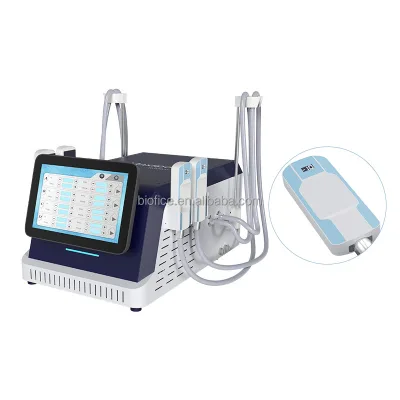


High Quality Professional Salon Use Cooling Technology Cryo Pad Antifreeze
$420.00 - $520.00
MOQ: 1 Pieces

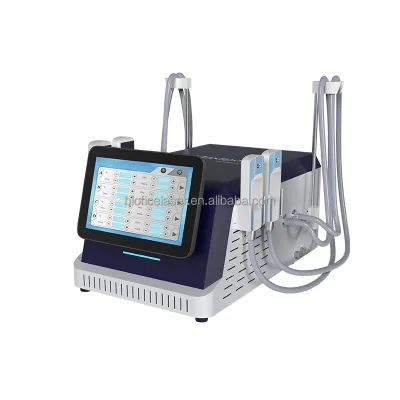

Standing Slimming Body Weight Loss Cryo Pad Cryolipolysis with 8 Pads
$1850.00 - $1930.00
MOQ: 1 Pieces

Cryo Plate Fast Freezing Cooling EMS Pads for Remove Fat Slimming Machine
$1130.00 - $1200.00
MOQ: 1 Pieces


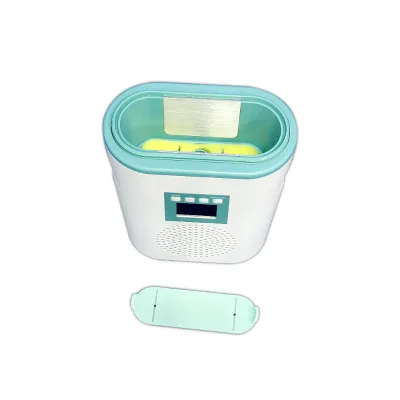


4 Cryo Handles EMS Slimming Cryotherapy Pad Beauty Cryo Fat Reduce Machine
$500.00 - $1250.00
MOQ: 1 Pieces

Cryo Pads with EMS Fat Removal Cool and Thermal Shock EMS Massage Machine
$799.00 - $2999.00
MOQ: 1 Pieces

Effective Body Cryolipolysis Pads Cryotherapy Beauty Machine with EMS Slimmming
$900.00 - $1390.00
MOQ: 1 Pieces


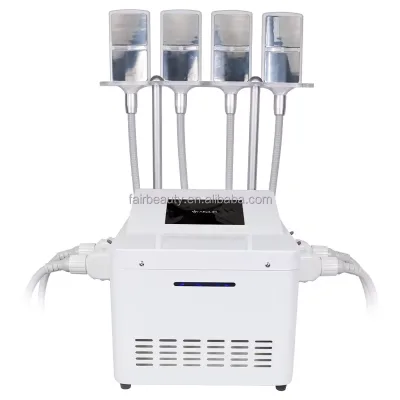



Comprehensive Sourcing Guide
Strategic Sourcing Guide for Salon Cryo Pads
The procurement of cryo pads for salon environments represents a critical investment in aesthetic equipment that directly impacts service delivery and client outcomes. When sourcing "Salon Cryo Pads," buyers must navigate a complex landscape of technical specifications, operational requirements, and supplier capabilities. The core keyword implies a focus on the consumable or semi-consumable components used in cryolipolysis and fat cooling machines, which are essential for non-invasive body contouring. This guide provides a disciplined approach to evaluating these products, ensuring that procurement decisions are grounded in verified facts rather than marketing assertions.
Technical Specifications and Operational Parameters
Understanding the technical architecture of cryo pads is the first step in a successful sourcing strategy. The pads are not merely passive accessories; they are active components that must interface precisely with the cooling and heating mechanisms of the main unit. Based on observed product data, the freezing temperature range is a primary differentiator. Some units operate within a range of -10°C to -4°C, while others may offer a broader spectrum of -1°C to -11°C or -1°C to -9°C. Buyers must verify that the pads selected are compatible with the specific temperature profile of their existing or planned machinery. Incompatible temperature ranges can lead to ineffective treatments or potential damage to the device.
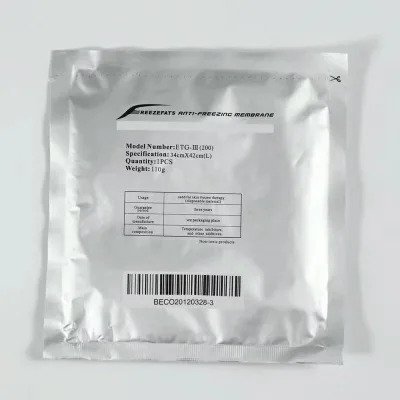
The physical dimensions and material composition of the pads are equally critical. Standard observations indicate that anti-freeze membranes often come in sets of five, with dimensions typically around 34cm by 42cm. The material composition usually involves a combination of ABS plastic and stainless steel, ensuring durability and efficient heat transfer. The treatment area per handle is often standardized at 130mm by 70mm, which dictates the surface area coverage for specific body parts like legs, arms, or the double chin. Furthermore, the power requirements of the system, ranging from 300W to 1000W, influence the thermal dynamics of the pads. A higher power output may require pads with superior thermal conductivity to prevent overheating or uneven cooling.
| Parameter | Observed Range/Value | Procurement Verification Point |
|---|---|---|
| Freezing Temperature | -10°C to -4°C; -1°C to -11°C | Confirm compatibility with machine model |
| Heating Temperature | 37°C to 45°C (3min warm-up) | Verify heating cycle duration and safety |
| Anti-Freeze Membrane | 5PCS (34cm x 42cm) | Check quantity per set and dimensions |
| Treatment Area | 130mm x 70mm per handle | Ensure fit for target body zones |
| Material | ABS + Stainless Steel | Inspect for structural integrity and hygiene |
| Power Output | 300W - 1000W | Match with facility electrical capacity |
Compliance and Certification Verification
In the medical and aesthetic device sector, compliance is non-negotiable. While specific certification status for every listed product cannot be universally asserted without direct verification, the presence of CE certification is a common background indicator in this category. Buyers must treat any claim of compliance as a requirement for validation rather than an automatic guarantee. The procurement process should include a request for valid certificates from the supplier, specifically looking for CE marks, which indicate conformity with health, safety, and environmental protection standards for products sold within the European Economic Area.
Beyond CE, buyers should verify if the equipment meets local regulatory standards in their specific market. For instance, if the product is manufactured in Guangzhou or Beijing, China, the supplier should provide documentation proving adherence to Chinese national standards as well as international expectations. The warranty period, often observed as either one year or two years, serves as a proxy for the manufacturer's confidence in their compliance and quality control. A shorter warranty might indicate higher risk, whereas a two-year warranty suggests a more robust quality assurance process. Additionally, the service model, such as ODM/OEM capabilities or online technical support, indicates the supplier's commitment to maintaining compliance and providing post-sales assistance.
Cost Drivers and Pricing Dynamics
The pricing of Salon Cryo Pads is influenced by a variety of factors, including the complexity of the technology, the materials used, and the volume of the order. The observed price range for related equipment spans from $0.81 to $5,000, reflecting the diversity of products from simple accessories to complete machine systems. For cryo pads specifically, the cost is driven by the precision of the cooling technology, the durability of the anti-freeze membranes, and the integration with the main unit's control systems.
Minimum Order Quantities (MOQ) also play a significant role in cost management. Data indicates an MOQ range of 1 to 100 units. For smaller salons or those testing new technologies, an MOQ of 1 set allows for low-risk entry. However, larger chains or distributors may benefit from negotiating lower unit costs by meeting higher volume thresholds. The "Selling Units" are often listed as single items, but bulk purchasing agreements can significantly alter the cost structure. Buyers should also consider the total cost of ownership, which includes the cost of replacement pads, maintenance, and potential downtime. A lower upfront price for pads that require frequent replacement or have a shorter lifespan may result in higher long-term costs.
Typical Applications and Treatment Areas
The versatility of cryo pads defines their utility in various salon settings. The primary application is body slimming and cellulite reduction, targeting specific areas such as the abdomen, thighs, arms, and double chin. The technology utilizes fat freezing to eliminate fat cells without surgery, a process that requires precise temperature control and pad application. The treatment area is often defined by the handle size, typically 130mm by 70mm, which allows for targeted application on smaller zones like the double chin or broader areas like the abdomen.
The application environment is another key consideration. Products are designed for use in beauty centers, clinics, and salons, with some models also suitable for home use. The operating environment for these devices is typically between 5°C and 40°C, with humidity levels not exceeding 80%. This environmental tolerance ensures that the pads function correctly in various salon climates. The inclusion of features like a 3-minute warm-up cycle (37°C to 45°C) suggests that the pads are designed for comfort and safety, preparing the skin before the freezing phase begins. This dual-temperature capability enhances the treatment experience and broadens the range of services a salon can offer.
Supplier Evaluation and Service Capabilities
Selecting the right supplier is as important as selecting the right product. Buyers should evaluate suppliers based on their service offerings, customization capabilities, and after-sales support. The availability of ODM and OEM services indicates that a supplier can tailor products to specific brand requirements, which is crucial for salons looking to differentiate their offerings. Customization options may include branding on the pads or modifications to the handle design.
After-sales service is a critical differentiator. Suppliers offering online service and video technical support provide a valuable resource for troubleshooting and training staff. The location of the supplier, such as Guangzhou or Beijing, can impact logistics and lead times, although specific lead times should be confirmed directly. The warranty period, whether one or two years, is a strong indicator of the supplier's confidence in their product quality. Additionally, the availability of spare parts, such as replacement anti-freeze membranes, ensures that the equipment remains operational for the long term. Buyers should prioritize suppliers who demonstrate a commitment to continuous support and rapid response to technical issues.
Quality Control and Long-Term Procurement
Quality control in the production of cryo pads involves rigorous testing of materials and performance. The use of high-quality materials like ABS and stainless steel is essential for durability and hygiene. The anti-freeze membrane must withstand repeated cycles of freezing and heating without degrading. Buyers should request test results or quality assurance documentation to verify that the pads meet the specified temperature ranges and material standards. The fuse rating, such as F3al250V, is a safety feature that protects the device from electrical surges, and its presence indicates a focus on safety standards.
Long-term procurement considerations involve planning for the lifecycle of the equipment. As technology evolves, the need for compatible pads may change. Buyers should consider the scalability of their procurement strategy, ensuring that they can easily source additional pads or upgrade to newer models as needed. The portability of the equipment, with some models being portable and others non-portable, affects the logistics of moving equipment between treatment rooms or locations. A clear understanding of the product's lifecycle and the supplier's ability to support it over time is essential for a sustainable procurement strategy.
Conclusion
Sourcing Salon Cryo Pads requires a meticulous approach that balances technical specifications, compliance requirements, and cost considerations. By focusing on verified facts such as temperature ranges, material compositions, and warranty periods, buyers can make informed decisions that ensure the safety and efficacy of their aesthetic services. The diversity of the market, with varying power outputs, treatment areas, and service models, offers opportunities for customization and optimization. However, the absence of universal certification claims necessitates a proactive verification process. Ultimately, the goal is to establish a reliable supply chain that supports the long-term success of the salon's body contouring services, ensuring that every treatment delivered meets the highest standards of quality and safety.
FAQs
What is the freezing temperature range for Salon Cryo Pads?
The freezing temperature ranges from -10°C to -4°C or -1°C to -11°C depending on the specific machine model. Some units also offer heating temperatures between 37°C and 45°C to prepare the skin before treatment begins.
Which material composition is used for the anti-freeze membranes?
The anti-freeze membranes are constructed from a combination of ABS plastic and stainless steel. This material blend ensures durability, efficient heat transfer, and structural integrity during repeated freezing and heating cycles.
How many cryo pads are typically included in a standard set?
Standard sets often include five anti-freeze membranes with dimensions of 34cm by 42cm. The exact quantity may vary by model, with some machines featuring eight handles for simultaneous treatment of multiple body areas.
Can these machines be used in home environments as well as salons?
Yes, many models are designed for use in beauty centers, clinics, salons, and home environments. They operate within an ambient temperature range of 5°C to 40°C and humidity levels up to 80%.
What warranty periods are available for salon cryo pad machines?
Warranty periods typically range from one year to two years depending on the manufacturer and model. A two-year warranty often indicates higher confidence in the product quality and long-term durability of the components.
Which customization services are offered for these slimming machines?
Suppliers offer ODM and OEM services allowing for product customization to meet specific brand requirements. Buyers can request tailored specifications, branding, or design modifications to differentiate their salon offerings.
What is the minimum order quantity for purchasing these machines?
The minimum order quantity can be as low as one set for individual buyers or small salons. Some suppliers may require higher volumes, with observed MOQs ranging from one unit up to one hundred units.