Source Salad Tongs for Cooking, Home, and Restaurant Use
Compare 30 Salad Tongs from verified suppliers in Guangdong, China. These reusable stainless steel options feature custom sizes, colors, and OEM logo services for cooking, home, and restaurant applications.
Key considerations
Products List


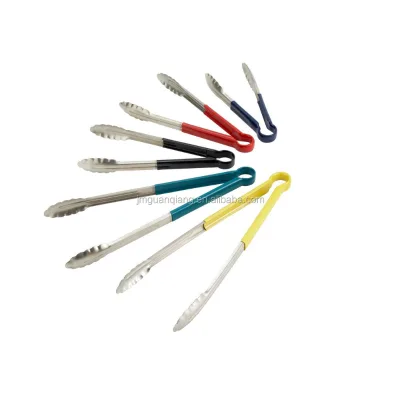
Home and Kitchen Utensils 7" 9 3/4" Stainless Steel BBQ Salad Food Tongs
$0.75 - $1.01
MOQ: 3000 pieces


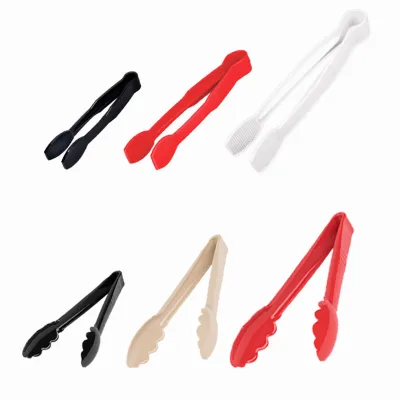
Catering Buffet PC Service Tongs Black Plastic Salad Tongs Utility Tongs
$0.50 - $2.00
MOQ: 500 Pieces


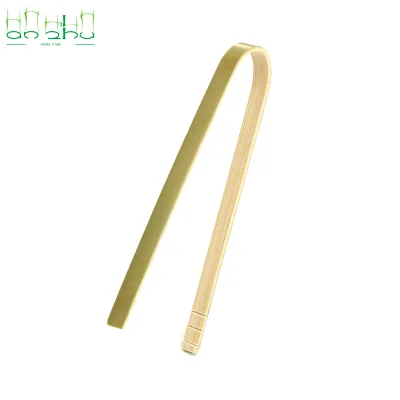
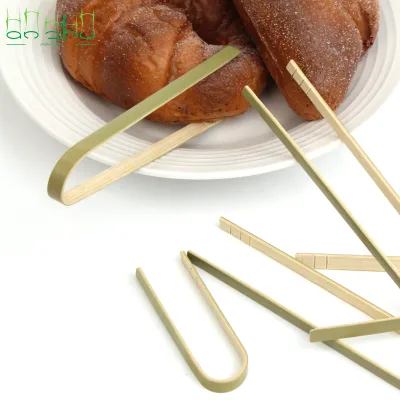


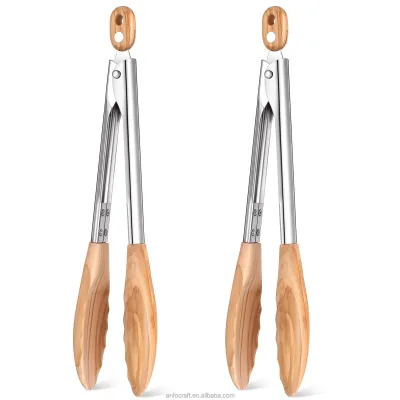
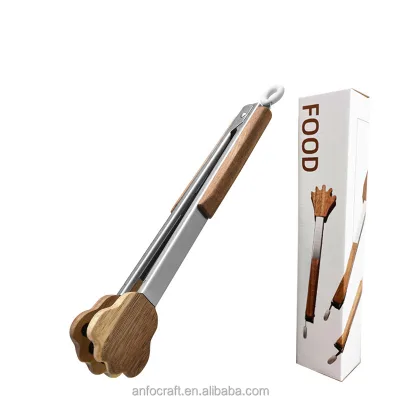
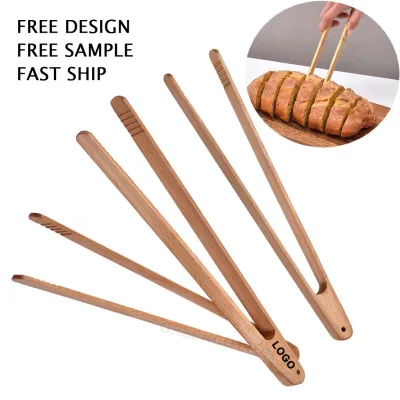
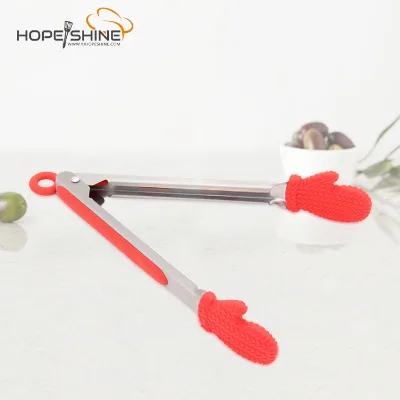


Comprehensive Sourcing Guide
Strategic Sourcing Guide for Salad Tongs in B2B Procurement
Sourcing Salad Tongs for commercial kitchens, hospitality venues, or retail distribution requires a disciplined approach that balances technical specifications, regulatory compliance, and supply chain reliability. The market for kitchen utensils, specifically Salad Tongs, is characterized by a wide array of materials, sizes, and customization options. Buyers must navigate a landscape where product attributes vary significantly between manufacturers. This guide outlines the critical factors for evaluating Salad Tongs, utilizing observed industry data to inform decision-making without relying on unverified claims. The objective is to establish a robust procurement framework that ensures the acquired products meet operational standards and safety requirements.
Technical Specifications and Material Composition
The foundation of any successful procurement strategy lies in a precise understanding of technical specifications. For Salad Tongs, the material composition is the primary determinant of durability, safety, and performance. Stainless steel is a prevalent material in this category, offering high resistance to corrosion and mechanical strength. In observed product data, specific models are identified with stainless steel construction, which is essential for applications involving acidic dressings or frequent washing. The thickness of the material is another critical specification; a standard thickness of 0.6mm has been observed in certain product lines, providing a balance between flexibility and rigidity. Thinner gauges may offer better tactile feedback for tossing salads but could be prone to bending under heavy loads, while thicker gauges ensure longevity in high-volume environments.
Size and dimension are equally vital. Salad Tongs are not one-size-fits-all; they come in various lengths to suit different serving vessels. Observed standards indicate sizes ranging from 7 inches to 10 inches, with specific models available in metric equivalents such as 24cm or 250mm. Some product lines offer a broader range, including sizes like 5.9 inches, 7.8 inches, and 9.8 inches, catering to diverse serving needs from individual portions to large buffet trays. The tip design, often implied by the "Utensils Type" classification, must be compatible with delicate salad greens to prevent bruising. Buyers should verify that the specific model selected matches the intended serving volume. For instance, a 14-inch model might be suitable for large catering events, whereas a 7-inch pair is ideal for individual plating. The standard dimensions observed, such as 38x10x10 cm for packaging, also influence logistics and storage planning.
Compliance and Certification Verification
In the food service industry, regulatory compliance is non-negotiable. Salad Tongs that come into direct contact with food must adhere to strict safety standards. High-confidence data indicates that products in this category often carry FDA and LFGB certifications. The FDA (Food and Drug Administration) certification ensures that the materials used are safe for food contact within the United States, while LFGB (Lebensmittel- und Futtermittelgesetzbuch) is the German food code, often serving as a benchmark for European markets. These certifications are not merely marketing labels; they represent verified testing of the material's chemical composition to ensure no harmful substances leach into food.
When evaluating suppliers, buyers must request proof of these certifications rather than accepting them as assumed attributes. The presence of FDA and LFGB marks on a product listing suggests a commitment to safety, but verification is required to confirm that the specific batch or model holds valid status. Additionally, the "Environmental Protection" attribute, often listed as "Reusable," aligns with sustainability goals. This implies that the tongs are designed for long-term use rather than single-use disposal, reducing waste in commercial settings. Buyers should confirm that the "Non-Disposable" status is consistent with the material thickness and construction quality. A product marketed as reusable must withstand repeated cycles of industrial dishwashing without degrading, a factor that ties directly back to the material thickness and stainless steel quality.
Cost Drivers and Pricing Structures
Understanding the cost drivers for Salad Tongs is essential for budgeting and negotiation. The observed price range for these products in the market spans from $0.01 to $4.00 USD. This wide variance is influenced by several factors, including material grade, manufacturing complexity, and customization levels. Lower-priced items in this range may correspond to standard, non-customized models with basic packaging, while higher-priced items likely include premium finishes, specific size configurations, or custom branding.
The Minimum Order Quantity (MOQ) is a significant cost driver. Data shows an observed MOQ range of 300 to 50,000 units. Smaller MOQs, such as 300 units, are advantageous for startups or businesses testing new product lines, allowing for lower capital outlay. However, larger orders often benefit from economies of scale, potentially lowering the unit cost. The specific MOQ of 3000 pieces has been noted for certain stainless steel models, indicating that bulk purchasing is a standard expectation for major suppliers. Buyers must align their order volume with their inventory turnover rates to avoid overstocking or stockouts. Additionally, the lead time, observed at approximately 35 days for production, impacts cash flow and inventory planning. Early planning is necessary to accommodate this production window, especially when customizations are involved.
Typical Applications and Usage Scenarios
Salad Tongs are versatile tools designed for specific environments. The "Applicable Scenarios" data points to "Cooking" and "Home" usage, but the commercial application extends further. These utensils are critical in restaurant kitchens, buffet stations, and catering services where hygiene and efficiency are paramount. The "Application" attribute explicitly mentions "Kitchen, Restaurant and Buffet Equipment," highlighting their role in professional settings. In a buffet scenario, the tongs must be robust enough to handle repeated use by multiple staff members or customers without failing.
The "Style" is generally categorized as "Common," suggesting a standard design that fits most kitchen aesthetics. However, the "Color" attribute offers customization options, including Silver, Blue, Red, Yellow, and Green. This allows buyers to match the tongs with their brand identity or kitchen decor. For example, a restaurant with a specific color scheme might opt for green or red tongs to enhance visual cohesion. The "Product Name" and "Utensils Type" confirm that these are specifically designed as tongs, distinct from other utensils like spoons or spatulas. The ability to customize the logo (OEM) is particularly valuable for businesses looking to brand their kitchenware, turning a functional tool into a marketing asset. This customization is available across various models, offering flexibility in branding strategies.
Supplier Evaluation and Quality Control
Selecting the right supplier requires a rigorous evaluation process. The origin of the products is a key indicator of manufacturing capability. Observed data lists origins in Guangdong, China, and generally China, regions known for their robust manufacturing infrastructure in kitchenware. However, origin alone does not guarantee quality. Buyers should assess the supplier's production capacity, quality control protocols, and ability to meet specific customization requests.
Quality control should be a priority throughout the procurement lifecycle. The "Sample Time" of 7 days or 7 days indicates that suppliers can provide prototypes for evaluation relatively quickly. This is a crucial step before committing to a large order. Buyers should request samples to verify the thickness, finish, and overall build quality. The "Product Packing" varies, with options including Tie Card, Hang Tag, Clam Shell, OPP Bag, Plastic Bags, Cartons, and Export Cartons. The choice of packaging affects the product's presentation and protection during transit. For retail, attractive packaging like Clam Shells or Tie Cards is essential, while bulk commercial orders may prioritize Export Cartons for efficiency.
Buyers must also verify the consistency of the "Standard" and "Specification" data. For instance, a model listed with a standard size of 8 inches should be verified against the physical sample to ensure accuracy. Discrepancies between listed specifications and actual product dimensions can lead to operational issues. Furthermore, the "Feature" attribute, such as "Eco-Friendly," should be substantiated by the supplier's manufacturing practices. While the product is reusable, the environmental impact of the production process is also a consideration for modern buyers.
Long-Term Procurement Considerations
Sourcing Salad Tongs is not a one-time transaction but part of a long-term supply chain strategy. The "Lead Time" of 35 days suggests that suppliers require a significant production window, which necessitates accurate demand forecasting. Buyers should maintain a buffer stock to account for potential delays or fluctuations in demand. The "Customization" availability allows for long-term brand alignment, but changes in design or branding may require new molds or setup fees, impacting future costs.
Sustainability is another long-term consideration. The "Reusable" and "Environmental Protection" attributes align with global trends toward reducing single-use plastics. Buyers should evaluate the lifecycle of the product, ensuring that the stainless steel construction allows for decades of use rather than replacement every few years. This long-term durability reduces the total cost of ownership and supports corporate sustainability goals. Additionally, the "Disposable" attribute is listed as "Non-Disposable," reinforcing the expectation of longevity. Buyers should ensure that the maintenance requirements for these tongs, such as cleaning protocols, are compatible with their existing kitchen operations to maximize the product's lifespan.
Comparative Analysis of Product Attributes
To facilitate decision-making, the following table summarizes key observed attributes for Salad Tongs based on the provided data. This comparison helps buyers quickly identify models that align with their specific needs regarding size, material, and packaging.
| Attribute Category | Observed Values / Options | Procurement Implication |
|---|---|---|
| Material | Stainless Steel | High durability, corrosion resistance, suitable for acidic foods. |
| Thickness | 0.6mm | Standard gauge; balances flexibility and strength. |
| Size Standards | 7", 8", 9.8", 10", 14", 24cm, 250mm | Select based on serving vessel size and user preference. |
| Certifications | FDA, LFGB | Essential for food safety compliance in US and EU markets. |
| Customization | Logo (OEM), Color (Customized) | Enables branding and aesthetic matching for retail or corporate use. |
| Packaging | Tie Card, Hang Tag, Clam Shell, OPP Bag, Export Carton | Choose based on retail presentation vs. bulk shipping needs. |
| MOQ Range | 300 - 50,000 units | Align order volume with budget and inventory turnover. |
| Lead Time | 35 Days | Plan production cycles well in advance to avoid stockouts. |
| Sample Time | 7 Days | Allows for rapid quality verification before bulk production. |
| Usage | Home, Kitchen, Restaurant, Buffet | Versatile for both domestic and high-volume commercial settings. |
In conclusion, sourcing Salad Tongs requires a meticulous approach that integrates technical verification, compliance checks, and strategic planning. By focusing on the observed specifications such as stainless steel construction, FDA/LFGB certifications, and customizable features, buyers can secure high-quality products that meet their operational and branding requirements. The wide range of sizes and packaging options provides flexibility, but the 35-day lead time and varying MOQs necessitate careful inventory management. Ultimately, a disciplined procurement process ensures that the selected Salad Tongs enhance kitchen efficiency, maintain safety standards, and support long-term business goals.
FAQs
What certifications do Salad Tongs typically have?
Salad Tongs typically carry FDA and LFGB certifications to ensure food safety. These marks verify that materials are safe for contact with food in US and European markets, protecting buyers from non-compliant products.
Which sizes are available for stainless steel Salad Tongs?
Available sizes range from 7 inches to 14 inches, including metric options like 24cm and 250mm. Specific models offer dimensions such as 8, 9.8, and 10 inches to suit various serving vessels and buffet needs.
Can buyers customize the logo and color of the tongs?
Buyers can customize the logo via OEM services and select from various colors like silver, blue, or green. This customization allows businesses to align the utensils with their brand identity or specific kitchen decor requirements.
What is the standard material thickness for these tongs?
The standard material thickness observed is 0.6mm, providing a balance between flexibility and rigidity. This gauge ensures durability for repeated use while maintaining the tactile feedback needed for tossing salads effectively.
How long does it take to receive samples for evaluation?
Sample time is typically 7 days for evaluation before committing to a large order. This allows buyers to verify thickness, finish, and build quality before proceeding with bulk production which may take 35 days.
What is the minimum order quantity for these products?
Minimum order quantities range from 300 to 50,000 units depending on the supplier and model. Specific stainless steel models may require an MOQ of 3000 pieces, influencing capital outlay for smaller businesses.