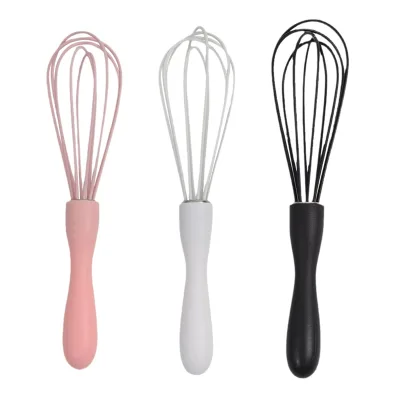
Source Salon Hair Beauty Hand Whisk for mixing, coloring, and blending
Explore 30 listings of Salon Hair Beauty Hand Whisk options made from materials like PP, wheat fiber, and bamboo. Buyers can compare specifications, customization features, and MOQs from verified suppliers in China to find the right tool for professional use.
Key considerations
Products List

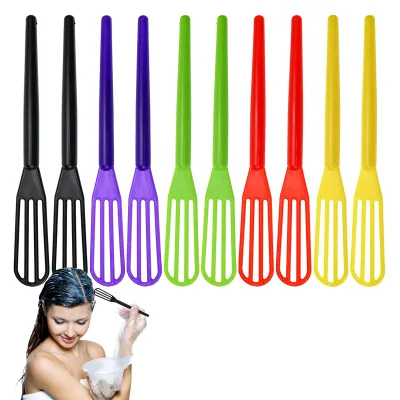
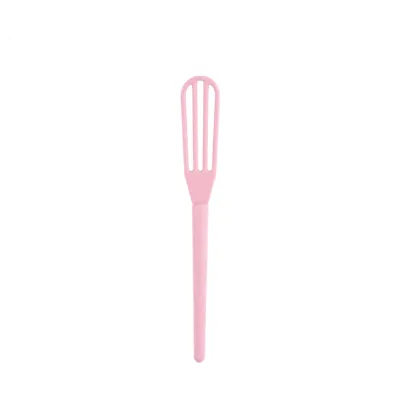
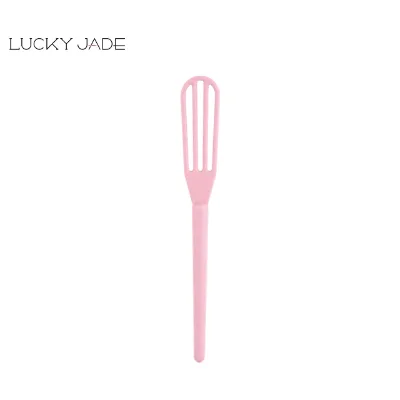
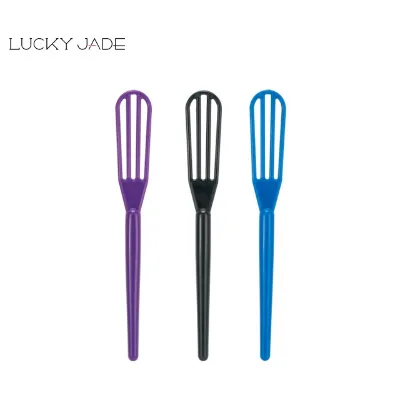
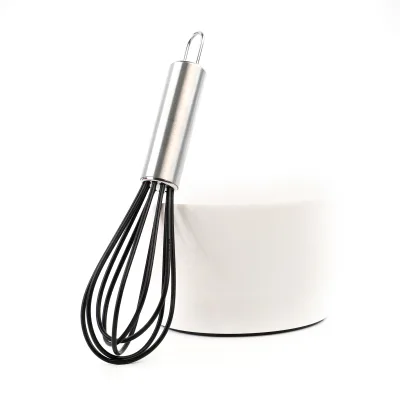
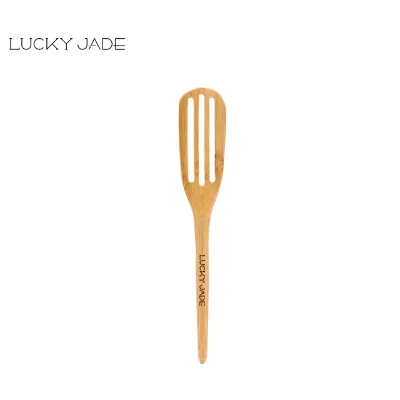
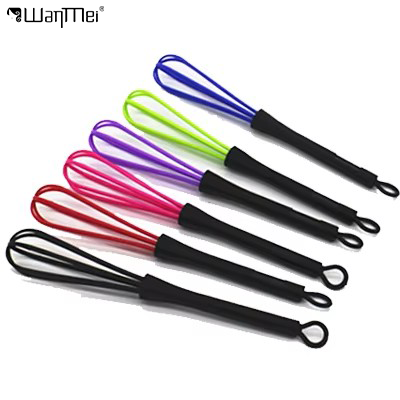
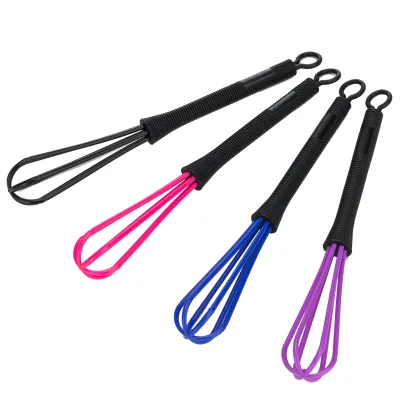


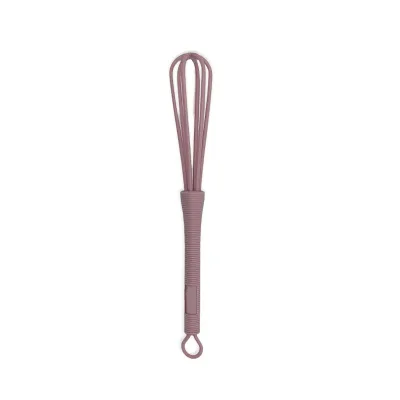
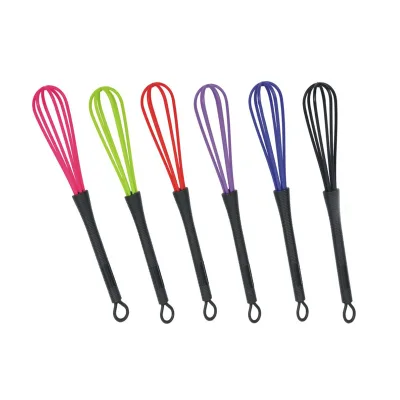
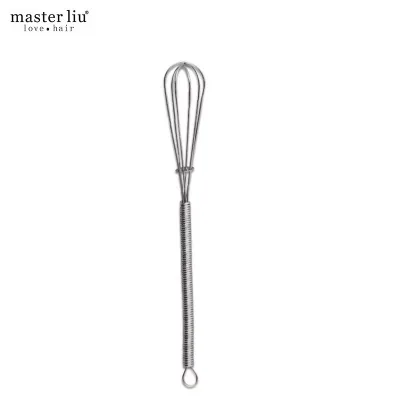

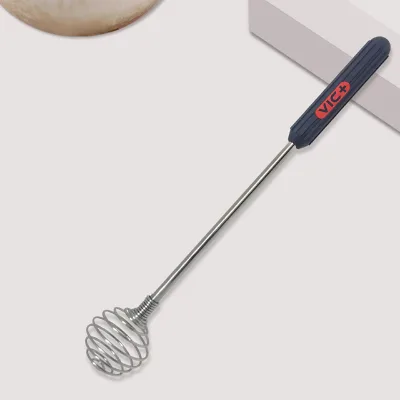
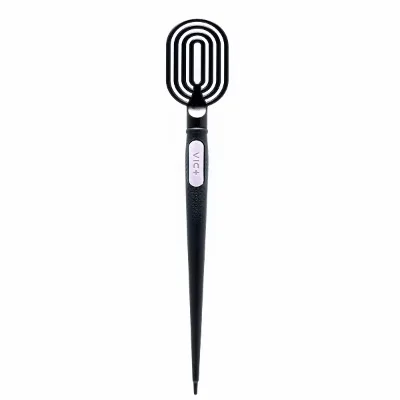

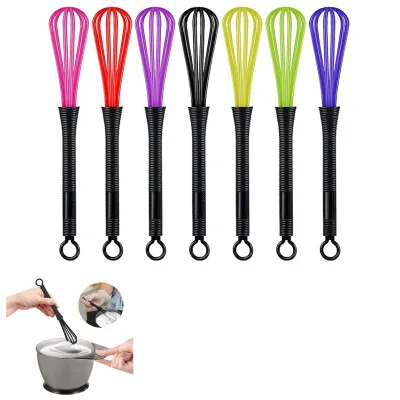


Mini Electric Whisk Mixer Handheld Whisk for Home Cream Whisk Cordless Electric Whisk
$2.34 - $2.61
MOQ: 1000 Pieces

Mini Electric Whisk Mixer Handheld Whisk for Home Cream Whisk Cordless Electric Whisk
$1.68 - $1.88
MOQ: 1000 Pieces

Hand-Held Silicone Whisk Cake Baking Tools Manual Whisk Modern Simple Whisk Household Whisk
$0.30 - $0.32
MOQ: 1000 Pieces
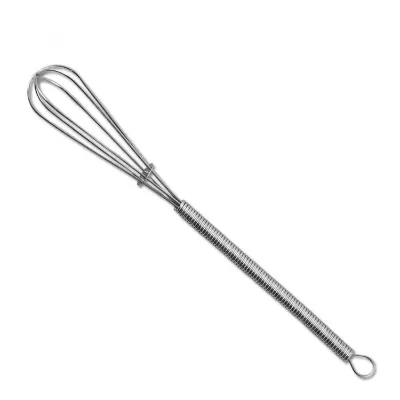
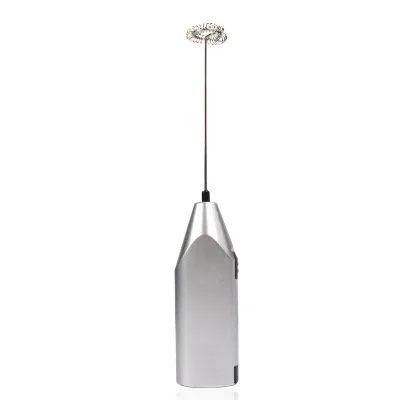

Comprehensive Sourcing Guide
Strategic Sourcing Guide for Salon Hair Beauty Hand Whisks
The global beauty supply chain continues to demand high-performance tools that balance durability, hygiene, and aesthetic versatility. For procurement professionals sourcing a Salon Hair Beauty Hand Whisk, the market presents a diverse array of materials, specifications, and customization options. This guide synthesizes observed market data to provide a disciplined framework for evaluating suppliers, understanding technical variances, and establishing robust procurement protocols. The focus remains on evidence-based decision-making, ensuring that buyers can navigate the complexities of this specific product category without relying on unverified claims.
Technical Specifications and Material Variance
Understanding the technical specifications of a hair beauty hand whisk is the first step in aligning product selection with operational needs. The market data reveals significant variance in material composition, which directly influences the tool's performance in a salon environment. Observed listings indicate that products are manufactured from a range of materials, including Polypropylene (PP), Wheat Fiber, Bamboo Fiber, and a composite of Stainless Steel with Silicone. Each material offers distinct advantages; for instance, PP and Wheat Fiber options are often highlighted for their chemical resistance and durability, making them suitable for frequent exposure to hair dyes and bleaching agents. Conversely, the Stainless Steel and Silicone combination suggests a focus on structural integrity and heat resistance, potentially catering to specific styling techniques.
Dimensional specifications also vary widely across different models. Buyers must carefully review the "Measures" and "Size" attributes provided by suppliers. Data points show lengths ranging from 16.5 cm to 19 cm, with widths varying between 2.4 cm and 3.8 cm. Specific model numbers such as WLTB060, JP06, JP06C, and JP01 are associated with these dimensions. For example, one observed specification lists a size of W2.4L18cm, while another indicates L19W3.5cm. These differences are not merely cosmetic; they affect the ergonomics of the whisk and its ability to lift and mix hair color evenly. Procurement teams should verify that the selected dimensions match the specific hand sizes of their stylists and the requirements of the salon's workflow.
Packaging Standards and Logistics Considerations
Logistics efficiency is often determined by the packaging configuration, which impacts shipping costs and inventory management. The observed data presents a spectrum of packaging solutions, from individual polybags to bulk carton configurations. Some listings specify that items are packed individually in non-printed clear polybags, while others note a "CASE PACK OF 500" or a unit/carton count of 1200 pieces. The single package sizes also fluctuate significantly, ranging from compact dimensions like 20X5X5 cm to larger boxes measuring 30X3.8X27 cm or even 452925 cm.
When evaluating logistics, buyers must calculate the volumetric weight based on these dimensions. A product with a single gross weight of 0.15 kg might be packed efficiently in a small box, whereas a model with a single gross weight of 1.000 kg likely requires reinforced packaging to prevent damage during transit. The "Single package size" and "Carton dimension" fields are critical for estimating container load capacity. Furthermore, the "Product packing" attribute, often listed as "Polybag," indicates the primary protection layer, but the secondary carton strength is equally vital for international shipping. Buyers should request detailed carton specifications to ensure that the packaging can withstand the rigors of global supply chains without compromising the integrity of the whisk tools inside.
Customization and Branding Capabilities
In the competitive beauty supply sector, branding and customization are often decisive factors in supplier selection. The market data confirms that customization is a widely available attribute, with many suppliers explicitly stating "OEM or ODM: Welcome" and "Customized Logo Accept." This flexibility allows salons and distributors to create private-label products that align with their brand identity. The "Color" attribute further supports this, with options ranging from standard colors like Black, Blue, and Pink to fully customized requests.
The "Standard color" is often noted as "original color," but the ability to customize allows for differentiation. For instance, a buyer might require a specific color palette to match a salon's interior design or to distinguish between different product lines. The "Key Word" associated with these products often includes "Color Whisk," highlighting the primary function. When engaging with suppliers, procurement teams should verify the minimum order quantities (MOQ) associated with customization. While some listings show an MOQ of 500 pieces, others may require 1000 or even 3000 pieces for custom color or logo applications. Understanding these thresholds is essential for budgeting and inventory planning, especially for new product launches.
Cost Drivers and Pricing Dynamics
The pricing of salon hair beauty hand whisks is influenced by several variables, including material costs, customization complexity, and order volume. The observed listed price range in the market spans from $0.15 to $3.00 USD. This wide range reflects the diversity in materials and manufacturing processes. A basic PP whisk may sit at the lower end of the spectrum, while a premium Stainless Steel and Silicone model with custom branding could command a higher price point.
The Minimum Order Quantity (MOQ) is another critical cost driver. The data shows an MOQ range from 1 piece to 10,000 pieces, with specific listings citing 500, 1000, and 3000 pieces as standard thresholds. Higher MOQs typically correlate with lower unit prices, offering economies of scale for large distributors. However, for smaller salons or startups, suppliers with lower MOQs provide a more accessible entry point. Buyers should analyze the total cost of ownership, factoring in not just the unit price but also shipping costs, which are heavily dependent on the "Single gross weight" and "Carton dimension." A lighter product with efficient packaging will yield lower freight costs, potentially offsetting a slightly higher unit price.
Supplier Evaluation and Origin Verification
Evaluating suppliers requires a rigorous assessment of their location, production capacity, and reliability. The data indicates that the primary place of origin for these products is China, with specific mentions of Guangdong as a manufacturing hub. Guangdong is a well-known center for plastic and beauty tool manufacturing, offering a mature supply chain ecosystem. However, buyers must verify the specific capabilities of individual suppliers rather than assuming uniform quality across the region.
Key performance indicators for supplier evaluation include the "Supply Ability," which is listed as 20,000 pieces per month in some cases. This metric helps buyers gauge whether a supplier can meet large-scale demand without delays. Additionally, the "Features" attribute, describing products as "High-quality, durable, chemical-resistant," should be treated as an observation that requires validation through sample testing. Buyers should request samples to verify the chemical resistance claims, especially if the whisks will be used frequently with harsh hair coloring agents. It is also crucial to confirm the "Brand" and "Logo" policies, ensuring that the supplier can deliver on the promised branding requirements without compromising quality.
Quality Control and Compliance Protocols
Quality control is paramount in the beauty industry, where product failure can lead to customer dissatisfaction and reputational damage. While the provided data does not list specific certification numbers, the emphasis on "High-quality" and "Durable" features suggests that buyers should implement strict quality assurance protocols. The "Material" specifications, such as Wheat Fiber or Bamboo Fiber, may require verification of sustainability claims and food-grade safety standards, even if the product is intended for hair care.
Buyers should establish a checklist for incoming goods that includes dimensional accuracy, color consistency, and structural integrity. The "Single gross weight" and "Single package size" should be verified against the supplier's documentation to ensure consistency across batches. For products claiming chemical resistance, a simple immersion test in common hair dye solutions can provide immediate feedback on material durability. Furthermore, the "Packing Details" should be inspected to ensure that the "non-printed clear polybag" or carton packaging meets the required standards for protection. Compliance with international safety standards for beauty tools should be a mandatory verification step, even if specific standard numbers are not explicitly listed in the initial product data.
Long-Term Procurement and Relationship Management
Sourcing a Salon Hair Beauty Hand Whisk is not a one-time transaction but part of a long-term supply chain strategy. The "Selling Units" attribute, often listed as "Single item," indicates that the product is designed for individual use, which can lead to high repurchase rates. Building a strong relationship with a supplier who offers flexible MOQs and reliable customization services can provide a competitive advantage. The "OEM or ODM" acceptance suggests that suppliers are willing to collaborate on product development, which can be beneficial for creating unique offerings.
Buyers should consider the "Lead time" and "Supply Ability" when planning their inventory. A supplier with a monthly capacity of 20,000 pieces is better positioned to handle seasonal spikes in demand compared to a smaller operation. Additionally, the "Color" options, including "Customized," allow for product differentiation over time. As market trends shift, the ability to quickly adapt the product color or design is crucial. Procurement teams should maintain open communication with suppliers regarding future product iterations and ensure that the supply chain remains resilient to potential disruptions. By focusing on these long-term considerations, buyers can secure a steady supply of high-quality hair beauty hand whisks that meet the evolving needs of their clients.
FAQs
Can I customize the logo and color of the whisk?
Yes, customization is available for both logos and colors. Suppliers accept customized logos and offer colors like black, blue, pink, or beige, though minimum order quantities may vary between 500 and 3000 pieces depending on the specific request.
What materials are used to make these hand whisks?
The whisks are manufactured from various materials including polypropylene, wheat fiber, bamboo fiber, and a combination of stainless steel with silicone. Each material offers different durability and chemical resistance properties suitable for salon environments.
What is the typical minimum order quantity for these products?
The minimum order quantity ranges from 1 to 10,000 pieces, with common thresholds set at 500, 1000, or 3000 pieces. Buyers should verify the specific MOQ required by the supplier before placing an order for custom or standard items.
Where are these salon whisks manufactured and shipped from?
These products originate from China, specifically the Guangdong region. Suppliers in this area are known for their mature supply chain ecosystem in plastic and beauty tool manufacturing, ensuring reliable production and shipping capabilities.
How are the whisks packaged for international shipping?
Packaging varies from individual non-printed clear polybags to bulk carton configurations containing 500 or 1200 units. Carton dimensions and gross weights differ by model, so buyers must check specific packaging details to calculate shipping costs accurately.
What are the standard dimensions for the hair color whisk?
Dimensions vary by model, with lengths typically ranging from 16.5 cm to 19 cm and widths between 2.4 cm and 3.8 cm. Specific models like JP06 and JP01 have distinct size specifications that affect ergonomics and mixing performance.
What is the monthly supply capacity of these manufacturers?
Some suppliers report a supply ability of 20,000 pieces per month, which helps gauge their capacity to meet large-scale demand. Buyers should confirm current production schedules to ensure timely delivery for their specific order volumes.