Source Self-Balancing Multistage Pump for Water, Chemical, and Power
Find 30 self-balancing multistage pump options with varying head, flow rates, and materials. Compare specifications for high-pressure applications in water supply, chemical processing, and power generation industries to ensure optimal performance and reliability for your specific operational needs and requirements.
Updated
Key considerations
Products List


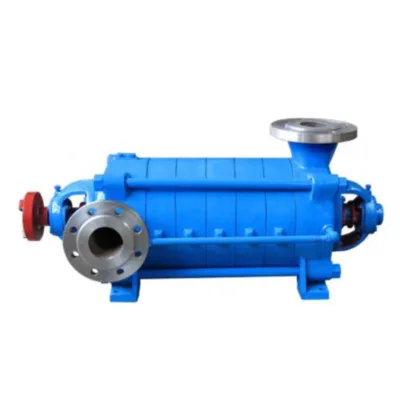
Stainless Steel Booster Pump Pump Self-Balancing Single Suction Multistage Pump
$310.00 - $3200.00
MOQ: 1 Pieces

Self Balance High Pressure Multistage Booster Horizontal Multistage Centrifugal Pump
$500.00 - $1888.00
MOQ: 1 Pieces


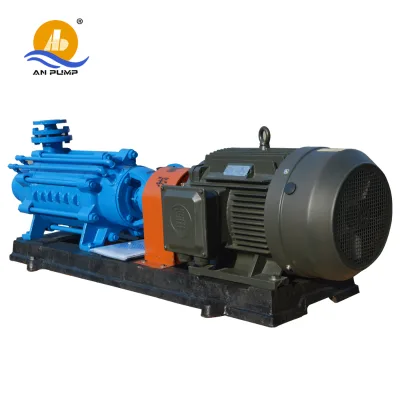
Self Balance Priming Multistage Pump Multistage Surface Pump Flow Rate Pump
$1799.00 - $1896.00
MOQ: 1 sets
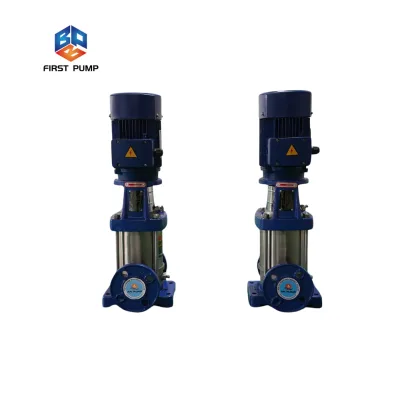
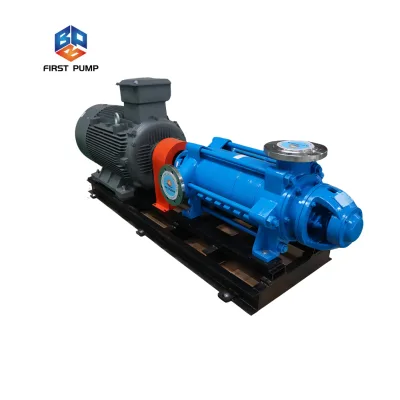

Self Balance Priming Multistage Pump Multistage Surface Pump Flow Rate Pump
$99.00 - $1999.00
MOQ: 1 Pieces


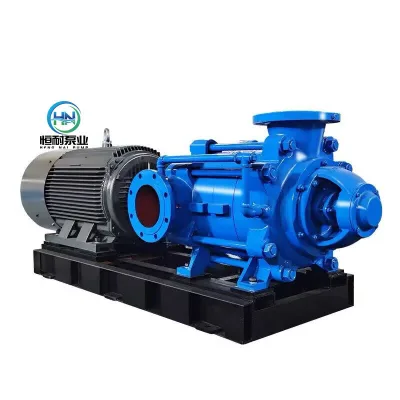
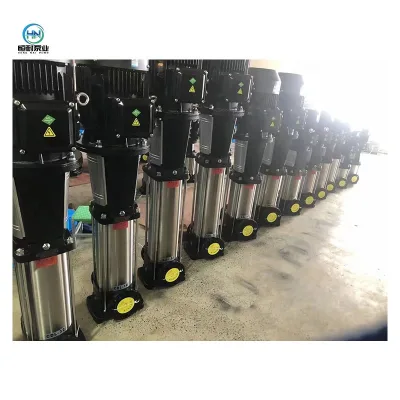
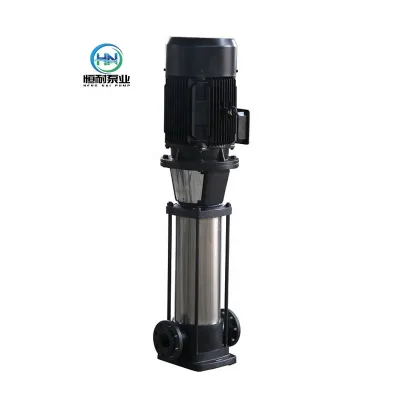
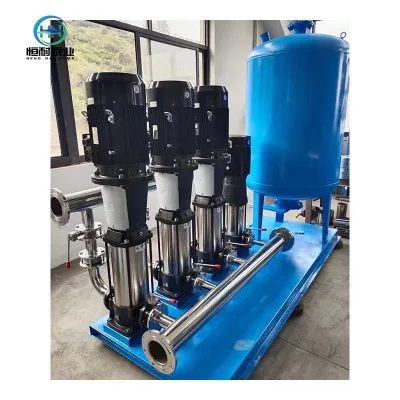


High Pressure Self-Balancing Multistage Stainless Steel Centrifugal Pump
$2600.00 - $35000.00
MOQ: 1 Pieces

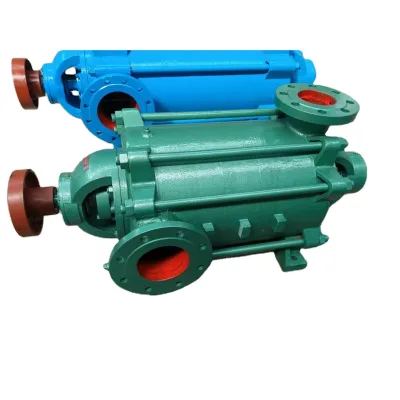
Comprehensive Sourcing Guide
Self-Balancing Multistage Pump Sourcing Guide
Procuring self-balancing multistage pumps requires a disciplined approach to technical verification and supplier qualification, ensuring that the selected equipment aligns precisely with high-pressure industrial demands. These pumps are engineered for applications requiring significant head generation, often exceeding 150 meters, making them critical for systems where standard centrifugal designs fall short. Buyers must prioritize understanding the internal balancing mechanisms that allow for efficient operation under extreme pressures, as this directly impacts longevity and maintenance costs. The complexity of these machines necessitates a thorough review of material compositions and structural integrity before committing to any purchase order.
The market offers a diverse range of configurations, from horizontal split designs to single-suction variants, each suited for specific operational environments. Observations indicate that models such as the DG series and Zd550-50 are prevalent, offering multi-stage capabilities that cater to capacities up to 2600 cubic meters per hour. Sourcing decisions should be guided by the specific hydraulic requirements of the facility, including flow rates and maximum head specifications. It is essential to match the pump’s physical dimensions and mounting height with existing infrastructure to avoid costly retrofitting or installation delays during the commissioning phase.
Product Scope and Observed Listing Signals
The current market landscape for self-balancing multistage pumps reveals a wide spectrum of product attributes, with observed prices ranging from 99 to 50,000 USD. This broad range reflects variations in material quality, power output, and manufacturing complexity, with many suppliers offering OEM and ODM services to customize units for specific industrial needs. Buyers should note that customization is widely available, allowing for tailored solutions that address unique operational challenges. However, the disparity in pricing underscores the importance of verifying the specific technical specifications and material grades included in each quote to ensure value alignment.
Listing signals indicate that these pumps are frequently categorized under general usage terms such as circulating pumps or chemical pumps, highlighting their versatility across various industries. The observed power ratings span from 7.5 kW to 710 kW, with some high-performance units reaching up to 450 kW, catering to heavy-duty applications. Additionally, the drive power is typically supplied via electric motors operating at standard voltages like 380V, 400V, or 415V. Understanding these baseline signals helps buyers filter through numerous listings to identify suppliers who possess the manufacturing capacity and technical expertise required for their specific project scale.
Technical Specifications to Verify
When evaluating technical specifications, buyers must closely examine the impeller design and casing structure, as these components dictate the pump’s efficiency and durability. The supplied data highlights the prevalence of closed impellers and horizontal split pump casings, which facilitate easier maintenance and inspection. It is crucial to verify the mounting height and shaft position, ensuring they conform to the facility’s layout constraints. Furthermore, the maximum head capabilities, which can range from 70 to over 1400 meters depending on the model, must be matched against the system’s hydraulic requirements to prevent underperformance or excessive energy consumption.
Material selection is another critical verification point, with options including cast iron, stainless steel grades like SS304, SS316, and SS316L, as well as GG40 and 2Cr13. The choice of material should be driven by the corrosiveness and temperature of the fluid being pumped, particularly in applications such as the biofuel industry or chemical processing. Buyers should also confirm the flow rate ranges, which typically span from 3 to 720 cubic meters per hour, and ensure that the outlet sizes, ranging from 2 to 8 inches, are compatible with existing piping infrastructure. Verifying these details prevents operational failures and extends the service life of the equipment.
Compliance and Safety Documentation
Compliance with international standards is a foundational requirement for sourcing self-balancing multistage pumps, with ISO9001 certification serving as a baseline indicator of quality management systems. Buyers should request documentation that verifies adherence to relevant safety and performance standards, ensuring that the manufacturing processes meet rigorous quality controls. Although specific certification statuses may vary by supplier, the presence of a robust quality assurance framework is essential for mitigating risks associated with high-pressure equipment. Procurement teams must insist on clear evidence of compliance to protect against liability and ensure operational safety.
In addition to manufacturing standards, warranty terms and after-sales support documentation play a pivotal role in the procurement decision. A standard warranty period of 12 months is commonly observed, providing a safety net for early-life failures. Buyers should clarify the scope of this warranty, including coverage for parts and labor, and understand the procedures for claiming support. Clear documentation of service protocols and spare parts availability is vital for minimizing downtime. Ensuring that all compliance and warranty documents are explicitly stated in the contract protects the buyer’s interests and establishes a clear framework for long-term partnership.
Cost Drivers and Commercial Terms
Several factors influence the total cost of ownership for self-balancing multistage pumps, with material composition and power rating being primary drivers. Units constructed from high-grade stainless steel or specialized alloys command higher prices due to their enhanced corrosion resistance and durability. Similarly, pumps with higher power outputs, such as those exceeding 450 kW, involve more complex engineering and larger components, leading to increased manufacturing costs. Buyers should analyze these cost drivers to determine whether the premium for higher-grade materials or greater power capacity is justified by their specific operational requirements and expected lifespan.
Commercial terms, including minimum order quantities (MOQ) and packaging specifications, also impact the overall procurement strategy. Observed MOQs range from 1 to 199 units, offering flexibility for both small-scale projects and large industrial deployments. Packaging is typically handled in plywood cases, which provide adequate protection during transit but may incur additional logistics costs depending on the destination. Buyers should negotiate clear terms regarding shipping, insurance, and delivery lead times to avoid unexpected expenses. Understanding these commercial variables allows for more accurate budgeting and facilitates smoother negotiations with potential suppliers.
Supplier Qualification and Quality Control
Supplier qualification is a critical step in ensuring the reliability of self-balancing multistage pumps, requiring a thorough assessment of manufacturing capabilities and quality control processes. Buyers should verify that suppliers have established production lines capable of handling the specific models and customization requests required for their projects. The presence of OEM and ODM services indicates a supplier’s flexibility and technical expertise, but it is essential to confirm their track record in delivering consistent quality. Engaging with suppliers who demonstrate a strong commitment to quality assurance helps mitigate the risk of receiving substandard equipment.
Quality control measures should include rigorous testing protocols for performance, pressure integrity, and material composition. Buyers should request test reports or certification of conformity for each batch of pumps, ensuring that they meet the specified technical parameters. Additionally, inspecting the supplier’s facility for adherence to safety and environmental standards can provide further assurance of their operational maturity. Establishing a clear quality control framework, including pre-shipment inspections and acceptance criteria, is vital for maintaining high standards and ensuring that the delivered pumps perform as expected in real-world applications.
Long-Term Procurement Checks
Long-term procurement success depends on establishing robust checks for maintenance, spare parts availability, and supplier responsiveness. Buyers should verify the availability of critical spare parts, such as impellers, seals, and bearings, to minimize downtime during routine maintenance or unexpected failures. Suppliers who offer comprehensive support services and readily available inventory contribute significantly to the operational efficiency of the pumping system. Establishing a clear communication channel for technical support and troubleshooting ensures that any issues can be addressed promptly, preserving the integrity of the installation.
Regular performance monitoring and periodic audits of the supplier’s quality management system are also essential for long-term reliability. Buyers should track key performance indicators, such as energy consumption and maintenance frequency, to assess the pump’s efficiency over time. If discrepancies arise, having a clear protocol for engaging with the supplier for warranty claims or technical assistance is crucial. By maintaining a proactive approach to supplier management and equipment monitoring, buyers can ensure that their investment in self-balancing multistage pumps delivers sustained value and operational stability throughout the equipment’s lifecycle.
FAQs
What is the maximum head for self-balancing multistage pumps?
The maximum head reaches up to 160 meters for standard models, with specific configurations achieving up to 1433 meters. These pumps utilize a multistage impeller design to generate high pressure, making them suitable for applications requiring significant vertical lift or system pressure boost in industrial settings.
Can these pumps handle high flow rates?
Yes, the capacity ranges from up to 2600 cubic meters per hour for large units down to 3 cubic meters per hour for smaller variants. The flow rate typically spans 3 to 720 cubic meters per hour, allowing selection based on specific volume requirements for circulating or industrial processes.
Which materials are used for the pump casing?
Casing materials include Cast Iron, Ggg40, 2Cr13, SS321, and SS316L. Stainless steel options like SS304 and SS316 are also available for corrosive environments. These material choices ensure durability and resistance against various chemical and physical stresses encountered in different industrial applications.
What is the typical drive power range?
Drive power ranges from 7.5 kW to 710 kW, with specific models rated at 450 kW. The pumps are driven by electric motors operating at voltages such as 380 V, 400 V, or 415 V, ensuring compatibility with standard industrial power supplies for efficient operation.
Are customization and OEM services available?
Customization is available, and the supplier offers OEM and ODM services. Buyers can request specific modifications to meet unique operational needs. This flexibility allows for tailored solutions regarding specifications, materials, and configurations to align precisely with project requirements and existing infrastructure constraints.
What is the warranty period for these pumps?
The warranty period is 12 months. This coverage applies to the product quality and performance under normal operating conditions. Buyers should retain purchase documentation to validate warranty claims, ensuring protection against manufacturing defects or premature failures during the initial year of service.