Source Self-Priming Solenoid Water Pump for Irrigation, HVAC, and Industrial Use
Source the self-priming solenoid water pump for diverse applications including irrigation, HVAC, and industrial utilities. Compare 30 available models featuring high-pressure capabilities, PPO impellers, and CE/SGS certifications from verified Chinese manufacturers; compare the available evidence and request quotations based on your requirements.
Updated
Key considerations
Products List


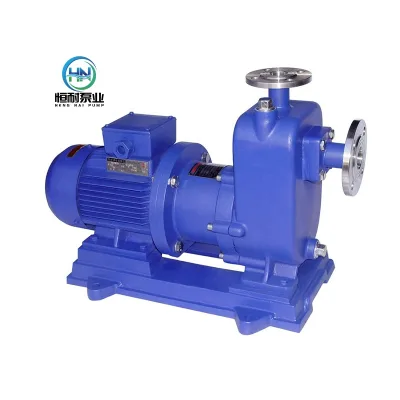


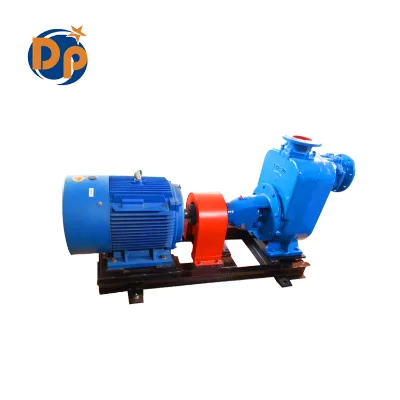
Self-priming 4 Inch NS 100 Water Pump Electric Self-priming Water Pump
$2331.4786 - $2435.0078
MOQ: 1 sets
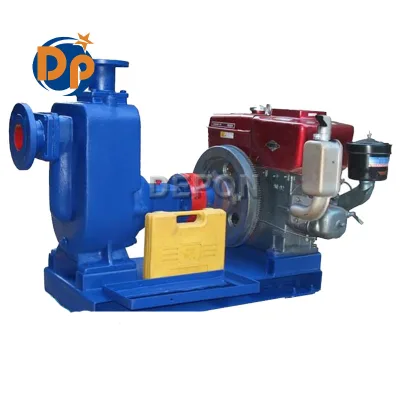


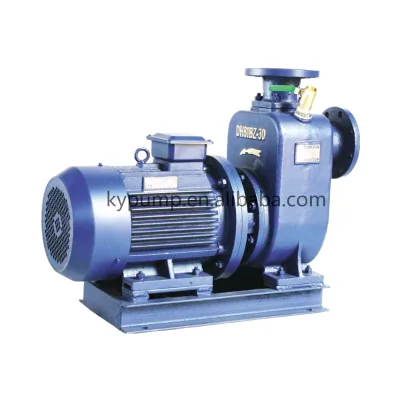



Comprehensive Sourcing Guide
Self-Priming Solenoid Water Pump Sourcing Guide
Procuring self-priming solenoid water pumps requires a nuanced understanding of fluid dynamics and motor integration, as these devices combine electromagnetic actuation with hydraulic self-priming capabilities. Buyers must distinguish between true solenoid-driven mechanisms and standard centrifugal or jet-flow alternatives that may be mislabeled in global marketplaces. The core challenge lies in verifying whether the pump utilizes a solenoid valve for priming assistance or if it relies on internal recirculation and external motor drive. Misidentification can lead to significant operational failures, particularly in applications requiring rapid start-stop cycles or precise flow control without continuous motor engagement.
This guide focuses on aligning buyer requirements with verified product attributes, ensuring that technical specifications match intended use cases. While many listings advertise self-priming features, the underlying theory varies significantly, ranging from jet-flow principles to rotary pump mechanisms. Understanding these distinctions is critical for selecting a unit that delivers consistent performance under varying head pressures. Buyers should prioritize suppliers who provide clear documentation on the priming mechanism, as this directly impacts energy efficiency, maintenance intervals, and suitability for specific industrial or agricultural environments.
Product Scope and Observed Listing Signals
Market listings for self-priming pumps often display a wide range of configurations, including centrifugal, sewage, and booster variants, which can obscure the specific solenoid-driven models buyers seek. Observed data indicates that many products labeled as self-priming actually utilize direct connection transmission and fitted motors rather than pure solenoid actuation. For instance, models like CAM100 and Cm100 are described as self-priming pumps with inner recirculation, operating on jet-flow theory rather than solenoid mechanics. Buyers must carefully scrutinize these listings to avoid purchasing units that do not meet the specific electromagnetic or valve-based priming requirements of their systems.
The observed product scope also includes chemical pumps and agricultural irrigation units, suggesting a broad application range that extends beyond simple water transfer. Attributes such as PPO impeller materials and SS304/316/904 casing options indicate suitability for corrosive or high-purity environments, which may be relevant for buyers in the food, beverage, or industrial utility sectors. However, the presence of diverse types, from sump pumps to turbine pumps, highlights the need for precise keyword filtering. Buyers should focus on listings that explicitly mention solenoid components or electromagnetic valves to ensure they are evaluating the correct technology stack for their procurement needs.
Technical Specifications to Verify
When evaluating technical specifications, buyers must verify the working fluid compatibility, as many listed pumps are designed specifically for water or specific chemical agents. The observed data shows a working fluid of water for several models, but others are marketed for chemical applications with materials like SS316 or 904L. It is essential to confirm that the pump’s wetted parts are compatible with the intended fluid to prevent corrosion or contamination. Additionally, the maximum head and capacity ranges, such as 30-50m head and 100-200 L/min flow, should be matched against system requirements to ensure adequate performance without over-specifying or under-performing the equipment.
Motor power and voltage specifications are another critical area for verification, as observed ranges vary from 0.55KW to 110KW, with voltages like 380/440V being common. Buyers must ensure that the electrical infrastructure at the installation site can support the selected motor’s power and voltage requirements. Furthermore, the mounting height and position of the pump shaft, often horizontal for these types, must align with the physical constraints of the installation site. Verifying these mechanical and electrical parameters early in the sourcing process helps prevent costly retrofits or operational inefficiencies once the pump is deployed.
Compliance and Safety Documentation
Compliance with international standards is a non-negotiable aspect of sourcing industrial pumps, with CE and SGS certifications frequently observed in product listings. Buyers should request valid certification documents to verify that the pump meets regional safety and electromagnetic compatibility requirements, particularly for markets in Europe or other regions with strict regulatory frameworks. The presence of ISO9001 certification indicates a manufacturer’s commitment to quality management systems, which can be a proxy for consistent product quality and reliable supply chain practices. However, buyers must ensure that these certifications are current and applicable to the specific model being purchased.
Safety documentation should also include detailed information on pressure ratings and material safety data sheets, especially for pumps used in chemical or high-pressure applications. Observed data mentions high-pressure pump classifications and working pressures that must be validated against the system’s maximum operating pressure. Buyers should verify that the pump’s design includes appropriate safety features, such as overload protection for the motor and pressure relief mechanisms where applicable. Ensuring that all safety documentation is complete and accurate helps mitigate liability risks and ensures safe operation in industrial or commercial settings.
Cost Drivers and Commercial Terms
Cost drivers for self-priming pumps include material composition, motor power, and customization options, all of which significantly impact the final price. Observed price ranges vary widely, from $2.5 to $50,000, reflecting the diversity in pump sizes, materials, and capabilities. Buyers should analyze the cost breakdown to understand how factors like SS316 construction or high-power motors contribute to the overall price. Additionally, customization options such as OEM or ODM services may incur additional costs but can provide tailored solutions for specific application needs, potentially offering long-term value through improved efficiency or compatibility.
Commercial terms, including MOQ and warranty, are also critical considerations in the procurement process. Observed MOQs start at 1 set, offering flexibility for small-scale buyers, while warranties of up to 3 years provide assurance of product durability. Buyers should negotiate clear terms regarding lead times, shipping responsibilities, and after-sales support to ensure a smooth procurement experience. Understanding these commercial variables helps in budgeting accurately and selecting suppliers who offer favorable terms that align with the buyer’s operational and financial constraints.
Supplier Qualification and Quality Control
Supplier qualification involves assessing the manufacturer’s production capabilities, quality control processes, and track record in the industry. Buyers should verify the supplier’s origin, with many observed products originating from regions like Zhejiang Taizhou or Anhui, China, which are known for pump manufacturing hubs. Evaluating the supplier’s ability to provide consistent quality is crucial, as evidenced by the presence of standard certifications and detailed product specifications. Buyers should request samples or conduct factory audits to verify that the supplier’s quality control measures meet their standards, ensuring that the pumps delivered match the agreed-upon specifications.
Quality control checks should include testing for performance metrics such as flow rate, head pressure, and priming efficiency under various conditions. Buyers should establish clear acceptance criteria and inspection protocols to verify that the pumps meet these standards before shipment. Additionally, suppliers should provide comprehensive documentation, including test reports and assembly instructions, to facilitate proper installation and maintenance. By prioritizing suppliers with robust quality control systems, buyers can reduce the risk of defects and ensure long-term reliability of the purchased equipment.
Long-Term Procurement Checks
Long-term procurement success depends on establishing ongoing relationships with suppliers who can provide consistent support, spare parts, and technical assistance. Buyers should evaluate the supplier’s ability to offer ongoing maintenance services and availability of replacement parts, such as impellers or motor components, to minimize downtime. The observed warranty periods of up to 3 years provide a baseline for support, but buyers should negotiate extended service agreements if their operations require higher availability. Ensuring that the supplier has a responsive customer service team is essential for addressing any issues that may arise during the pump’s lifecycle.
Regular performance reviews and feedback loops with suppliers can help identify areas for improvement and ensure that the pumps continue to meet evolving operational needs. Buyers should monitor key performance indicators, such as energy consumption and maintenance frequency, to assess the long-term value of the purchased pumps. By maintaining open communication with suppliers and staying informed about technological advancements in pump design, buyers can optimize their procurement strategies and achieve better outcomes over time. This proactive approach helps in building a resilient supply chain that supports sustained operational efficiency.
FAQs
What is the working fluid for this pump?
The working fluid is water, as specified in the product attributes. This pump is designed specifically for water applications and utilizes a jet-flow theory with direct connection transmission for efficient operation in various settings.
Which certifications does the pump hold?
The pump holds CE, SGS, ISO9001, and TUV certifications. These standards ensure the product meets international quality and safety requirements, making it suitable for diverse industrial and commercial applications across different regions.
Can the pump be customized for specific needs?
Yes, customization is available for this pump model. Buyers can request OEM and ODM support to tailor the product to their specific requirements, ensuring it fits perfectly into their existing systems or unique operational environments.
What is the maximum head capacity of the pump?
The maximum head capacity ranges from 30 to 50 meters for the standard model. Some variants may reach up to 80 meters, providing high-pressure performance suitable for irrigation, industrial utilities, and various water treatment applications.
How is the pump shaft positioned during operation?
The pump shaft is positioned horizontally during operation. This horizontal configuration, combined with a horizontal split pump casing, facilitates easier maintenance and installation while ensuring stable performance for self-priming and inner recirculation functions.
What material is used for the impeller?
The impeller is constructed from PPO material. This durable material ensures long life and resistance to wear, making the pump reliable for continuous operation in applications ranging from agricultural irrigation to food and beverage industries.
What is the minimum order quantity for this pump?
The minimum order quantity is one set. This low MOQ allows buyers to test the product or purchase small batches without significant commitment, making it accessible for various project sizes and procurement strategies.
Where is the product manufactured?
The product originates from Taizhou, China, specifically Zhejiang Taizhou. This location is a known manufacturing hub, ensuring efficient production and logistics for global buyers seeking reliable sourcing options for high-quality water pumps.