Source Self Cleaning Pet Grooming Brush for Dogs, Cats, and Home Use
Find and compare 30 Self Cleaning Pet Grooming Brush options from verified suppliers in China. Evaluate manual and electric models, plastic and steel materials, and OEM customization services to find the right tool for dog and cat hair removal.
Key considerations
Products List
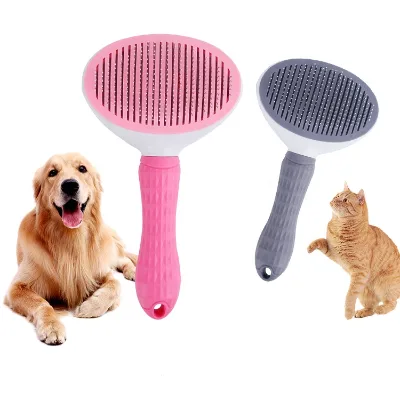



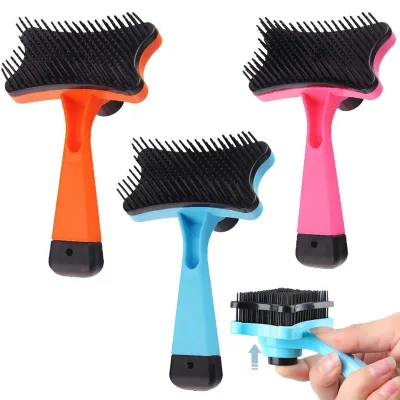


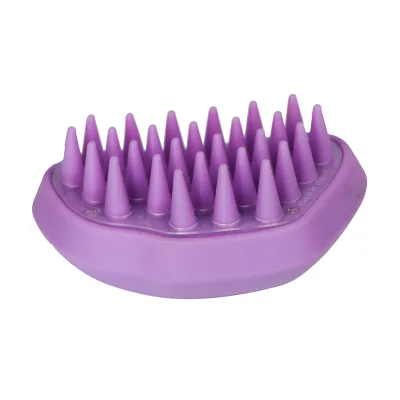

Pet Grooming Brush Self Cleaning Pet Hair Fur Remover Dog Pet Hair Lint Remover Brush
$0.50 - $0.70
MOQ: 10000 Pieces


Customized Plastic Pet Fur Hair Remover Dog Cat Pet Hair Lint Remover Brush Pet Grooming Brush
$0.50 - $0.70
MOQ: 10000 Pieces

Pet Self-Cleaning Reusable Pet Fur Remover Dog Hair Cat Hair Lint Brush Pet Hair Remove
$0.50 - $0.70
MOQ: 10000 Pieces

$0.50 - $0.70
MOQ: 10000 Pieces
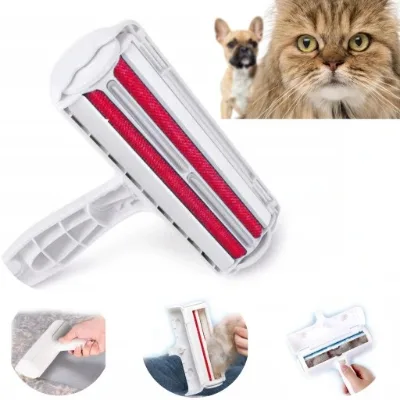


Comprehensive Sourcing Guide
Self Cleaning Pet Grooming Brush Sourcing Guide
Sourcing self-cleaning pet grooming brushes requires a nuanced understanding of the diverse product landscape, which ranges from simple manual combs to complex electric devices. Buyers must navigate a market where terminology often overlaps, with listings frequently mixing attributes such as "self-cleaning," "gloves," and "rollers" under a single product title. This guide provides a structured approach to evaluating these products, ensuring that procurement teams can distinguish between genuine self-cleaning mechanisms and standard manual tools that merely offer easy hair removal. By focusing on verified specifications and commercial realities, buyers can mitigate the risk of receiving products that do not meet their functional expectations or quality standards.
The following sections detail the critical aspects of sourcing this category, from interpreting listing signals to verifying technical compliance. Each section is designed to help procurement professionals make informed decisions based on observable data and industry best practices. The goal is to provide a comprehensive framework for evaluating suppliers, assessing product quality, and negotiating favorable terms, all while avoiding common pitfalls associated with ambiguous product descriptions and inconsistent manufacturing standards.
Product Scope and Observed Listing Signals
The current market for self-cleaning pet grooming tools exhibits a wide variance in product definitions and feature sets. Listings often describe items as "pet dog hair remover self cleaning brush cat comb grooming tool," indicating a broad applicability across different pet types. However, the term "self-cleaning" can be misleading; it may refer to a brush head that allows hair to be easily wiped off, a retractable comb mechanism, or a more advanced electric system that vacuums hair. Buyers should carefully examine the product images and detailed descriptions to determine the actual cleaning mechanism. For instance, some products are identified as "hair removal mitts & rollers," which operate on a completely different principle than traditional bristle brushes. Understanding these distinctions is crucial for aligning product selection with customer expectations and usage scenarios.
Observed listing signals reveal significant diversity in material composition and design complexity. Products are constructed from various materials, including plastic, steel, and fabric, with some featuring waterproof capabilities. The observed price range of $0.2 to $4.9 USD suggests a highly competitive market with options for both budget-conscious and premium buyers. Minimum Order Quantities (MOQs) vary widely, from as low as 2 pieces to 10,000 pieces, catering to small businesses and large retailers alike. Lead times are typically reported as 10-15 days, but this can extend based on order quantity and customization requirements. Buyers should note that some listings offer OEM/ODM services, allowing for brand customization, while others provide standard, non-customized products. This variability requires careful evaluation to ensure that the selected supplier can meet specific volume and branding needs.
Technical Specifications to Verify
Technical verification is paramount when sourcing self-cleaning grooming brushes, as specifications can vary significantly between suppliers. Key attributes to verify include the model number, material composition, and operational type. For example, one observed product has the model number "pet glove grooming" and is made of plastic, while another is identified as "PGS-001" with a steel brush head. The operational type is generally manual, but some products may include electric components, which would require additional verification of voltage and power requirements. Buyers should request detailed technical datasheets that specify the comb needle length, brush head material, and overall dimensions. These details are critical for assessing the product's suitability for different pet coat types and ensuring durability.
Packaging and physical dimensions are also important technical considerations that impact logistics and shelf appeal. Observed single package sizes range from compact dimensions like 20x10.5 cm to larger boxes measuring 40x30x20 cm. The gross weight of individual units is typically around 0.200 kg, but this can vary based on the inclusion of accessories or packaging materials. Buyers should verify the packing configuration, such as whether items are packed in poly bags, color boxes, or bulk cartons, and confirm the quantity per carton. For instance, one supplier offers a packing configuration of 100 pieces per carton. Accurate knowledge of these specifications is essential for calculating shipping costs, warehouse storage requirements, and retail display planning.
Compliance and Safety Documentation
Compliance and safety documentation are critical for ensuring that pet grooming products meet regulatory standards in target markets. Buyers should request relevant certifications and test reports from suppliers, particularly for products that come into direct contact with animals. While specific certification statuses may vary by supplier, common requirements include compliance with material safety standards to ensure that plastics and metals are non-toxic and free from harmful chemicals. For electric grooming tools, additional certifications related to electrical safety and electromagnetic compatibility may be necessary. Buyers should verify that suppliers can provide documentation proving that their products meet the specific regulatory requirements of the countries where they intend to sell.
In addition to product-specific certifications, buyers should assess the supplier's overall quality management systems. This includes verifying that the supplier adheres to recognized quality standards and has implemented robust quality control processes. Documentation such as ISO certifications, if applicable, can provide assurance of consistent manufacturing practices. Buyers should also inquire about the supplier's testing protocols, including routine checks for material integrity, functional performance, and safety. Requesting sample products for independent testing can provide valuable insights into the actual quality and safety of the products. This due diligence helps mitigate risks associated with product recalls, customer complaints, and regulatory penalties.
Cost Drivers and Commercial Terms
Understanding the cost drivers and commercial terms is essential for effective procurement negotiation. The observed price range of $0.2 to $4.9 USD indicates that costs are influenced by factors such as material quality, design complexity, and customization options. Products with advanced features, such as electric components or specialized self-cleaning mechanisms, typically command higher prices. Customization, including logo printing and custom packaging, can also add to the overall cost. Buyers should request detailed quotations that break down costs by component, including materials, labor, and overhead. This transparency allows for better cost analysis and identification of potential areas for savings.
Commercial terms, including MOQs, lead times, and payment terms, significantly impact the procurement process. MOQs can range from small quantities suitable for testing to large volumes for mass production. Lead times are generally reported as 10-15 days, but this can be extended for customized orders or during peak production periods. Buyers should negotiate favorable payment terms, such as partial upfront payments and balance upon shipment, to manage cash flow and mitigate risk. Additionally, buyers should clarify responsibilities for shipping and insurance, as well as procedures for handling defects or delays. Clear communication of these terms helps establish a transparent and mutually beneficial partnership with suppliers.
Supplier Qualification and Quality Control
Supplier qualification is a critical step in ensuring the reliability and consistency of the supply chain. Buyers should conduct thorough due diligence on potential suppliers, including verifying their business licenses, manufacturing capabilities, and financial stability. Assessing the supplier's production capacity and quality control processes is essential to ensure they can meet order volumes and maintain consistent product quality. Buyers should request information about the supplier's quality management system, including inspection procedures and defect rates. Visiting the supplier's facility, if possible, can provide valuable insights into their operational practices and commitment to quality.
Quality control measures should be implemented throughout the production process to minimize defects and ensure product consistency. Buyers should establish clear quality standards and inspection criteria, which should be communicated to the supplier. Pre-production samples should be reviewed and approved before mass production begins. During production, random inspections can help identify and address issues early. Pre-shipment inspections are crucial to verify that the final products meet all specified requirements before they are shipped. Buyers should also establish a process for handling non-conforming products, including procedures for returns, replacements, and refunds. Effective quality control helps build trust and ensures customer satisfaction.
Long-Term Procurement Checks
Long-term procurement success depends on continuous monitoring and evaluation of supplier performance. Buyers should establish key performance indicators (KPIs) to track supplier reliability, product quality, and responsiveness. Regular performance reviews can help identify areas for improvement and strengthen the partnership. Buyers should also stay informed about market trends and technological advancements in the pet grooming industry to ensure their product offerings remain competitive. This includes monitoring changes in consumer preferences, regulatory requirements, and competitor offerings. By staying proactive, buyers can adapt to market changes and maintain a competitive edge.
Building a resilient supply chain involves diversifying suppliers and developing contingency plans for potential disruptions. Buyers should identify alternative suppliers for critical components or products to mitigate the risk of supply chain interruptions. Establishing strong relationships with multiple suppliers can provide flexibility and bargaining power. Additionally, buyers should invest in building a robust logistics network to ensure timely delivery and efficient inventory management. Regular communication and collaboration with suppliers can help identify opportunities for cost savings and process improvements. By focusing on long-term relationships and continuous improvement, buyers can achieve sustainable procurement success.
FAQs
What is the minimum order quantity for this grooming tool?
The minimum order quantity is 100 pieces for this self-cleaning pet grooming brush. This requirement applies to the standard plastic model with a single package size of 40x30x20 cm and a gross weight of 0.200 kg per unit.
How long does it take to receive the order after placement?
The lead time ranges from 10 to 15 days depending on your specific order quantity. Sample preparation is faster, typically taking only 1 to 3 days before the main production run begins.
Can I customize the logo and color of the grooming brush?
Yes, customization is available for both logos and colors. You can choose custom colors and have your logo applied via silk screen printing or embossing on the plastic pet grooming gloves.
What materials are used to make this pet hair removal mitt?
The primary material used for this grooming tool is plastic. Some variations may feature steel brush heads, and the product is designed as a manual grooming glove for cleaning cats and dogs.
Where is this pet grooming brush manufactured?
This product originates from Guangdong, China, with some specific models sourced from Anqing. The manufacturing location ensures compliance with standard production practices for pet cleaning products.
What packaging options are available for bulk orders?
Packaging options include poly bags, color boxes, or fully customized solutions. Bulk shipments are typically packed at 100 pieces per carton, with individual units boxed for retail readiness.