Source Self-Cleaning Garment Steamer for Home, Travel, and Business
Compare 30 Self-Cleaning Garment Steamer options featuring variable steam levels, quick heat-up times, and diverse power ratings from 1000W to 1700W. Buyers can evaluate models with stainless steel soleplates, automatic shut-off features, and compact designs suitable for various fabric care needs.
Key considerations
Products List

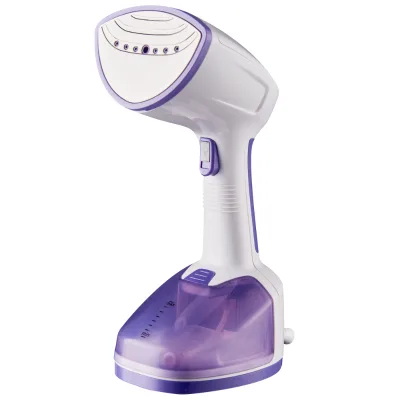
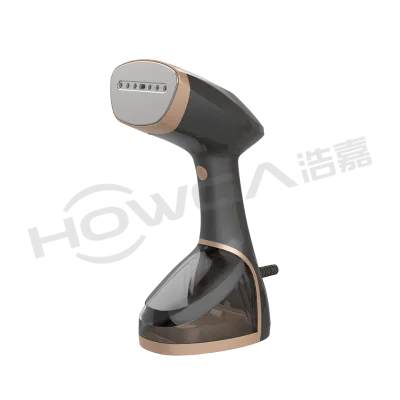
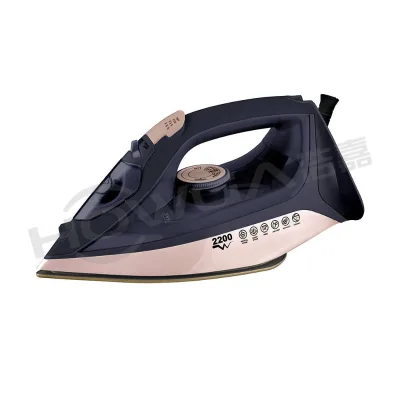
Rapid Even Heat Scratch Resistant Self-Cleaning Function Garment Steamer Steam Iron
$4.64 - $6.64
MOQ: 150 Pieces

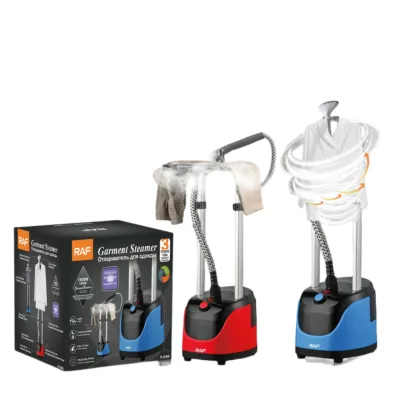
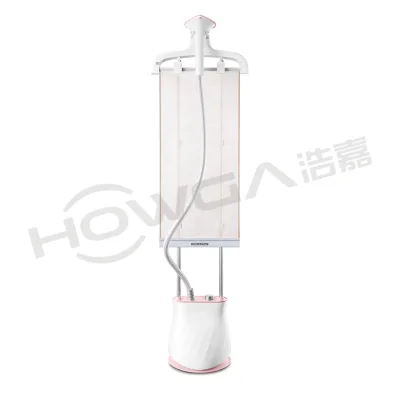
High Self-Cleaning Quality Steam Iron Vertical Steamer Handheld Clothes Steamer
$19.20 - $20.20
MOQ: 50 Pieces

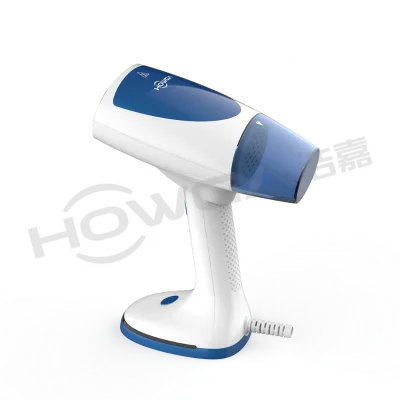
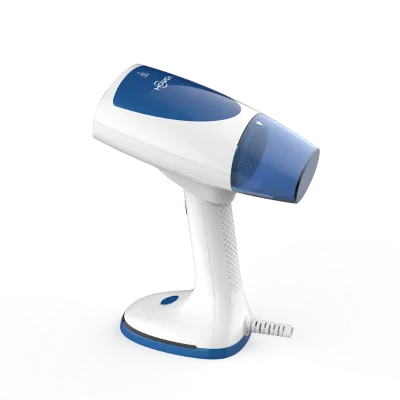
New-Style Large Soleplate Steam Cleaner Handheld Garment Clothing Steamer Iron
$3.14 - $5.14
MOQ: 194 Pieces


New-Style Rapid Even Heat Self-Cleaning Function Professional Grade 1700W Steam Iron
$6.10 - $6.99
MOQ: 150 Pieces


Customized Logo Home Use Electric Garment Steamer Steam Iron for Garment
$14.75 - $15.35
MOQ: 1000 Pieces






Comprehensive Sourcing Guide
Self-Cleaning Garment Steamer Sourcing Guide
Procuring self-cleaning garment steamers requires a nuanced understanding of both the mechanical cleaning mechanisms and the electrical safety standards governing steam generation equipment. Buyers must distinguish between models that rely on manual descaling and those equipped with automated anti-calc or self-cleaning cycles, as this distinction significantly impacts maintenance costs and long-term reliability. The core value proposition of these devices lies in their ability to reduce downtime for maintenance while ensuring consistent steam output, which is critical for professional laundry services, hospitality operations, and high-volume retail environments.
This guide focuses on the technical and commercial realities of sourcing these devices, drawing from observed market data and standard industry practices. It is designed to help procurement professionals navigate the complexities of voltage compatibility, certification requirements, and material durability. By adhering to the evidence-based insights provided, buyers can mitigate risks associated with product failure, regulatory non-compliance, and supply chain disruptions, ensuring that the selected equipment aligns with both operational needs and budgetary constraints.
Product Scope and Observed Listing Signals
The current market for garment steamers exhibits a wide variance in power output, with observed wattage ranging from 1000W to 1500W, and specific high-performance models reaching up to 1700 Watts. This power range directly influences the heating time and steam pressure, with higher wattage units typically offering quicker heat-up times and more robust steam penetration for deep creases. Buyers should note that while "quick heat-up" is a common attribute, the actual time can vary based on the initial water temperature and the specific design of the heating element, making it essential to verify performance claims against specific model datasheets rather than relying on general marketing terms.
Capacity and form factor are equally critical variables, with observed water tank capacities ranging from small, portable units to larger reservoirs holding up to 1.7 Liters. The physical dimensions also vary significantly, from compact mini-steamers measuring approximately 13.3 x 7.13 x 5.47 inches to larger, stationary units with dimensions exceeding 13.5 inches in length and over 61 inches in height. These physical differences dictate the suitability of the device for different use cases, such as handheld travel steaming versus industrial ironing stations. Procurement teams must align the physical footprint and tank capacity with the intended workflow to avoid operational bottlenecks or storage issues.
Technical Specifications to Verify
Voltage and frequency compatibility are paramount when sourcing electrical appliances for international markets. Observed listings indicate a split in electrical standards, with some models designed for 110V at 50Hz or 60Hz, while others are specified for 220-240V at 50Hz. This divergence requires strict verification against the local grid standards of the destination market to prevent equipment damage or safety hazards. Buyers must ensure that the supplier provides clear labeling and documentation regarding the specific voltage and frequency ratings for each model, as mixing incompatible units can lead to catastrophic failure of the heating elements or control boards.
The material composition of the soleplate and internal components also demands careful scrutiny. Stainless steel soleplates, including those with non-stick coatings, are commonly observed and offer durability and resistance to corrosion, which is vital for maintaining steam quality over time. Additionally, the presence or absence of automatic shut-off features is a key differentiator; some models lack automatic power-off mechanisms, while others include this safety feature. Procurement specifications should explicitly define whether automatic shut-off is a mandatory requirement, as this impacts both user safety and energy efficiency, particularly in high-traffic commercial settings where devices may be left unattended.
Compliance and Safety Documentation
Regulatory compliance is non-negotiable for electrical steamers, with certifications such as CE, GS, RoHS, CB, EMC, EMF, and SASO being frequently cited in product listings. These certifications indicate adherence to specific regional and international standards for electrical safety, electromagnetic compatibility, and hazardous substance restrictions. Buyers must verify that the certificates provided are valid, current, and issued by recognized testing bodies, as counterfeit or expired documentation poses significant legal and reputational risks. The presence of multiple certifications suggests a higher level of quality control and broader market acceptance, but each certificate must be cross-referenced with the specific model number and manufacturing batch.
Beyond certifications, the documentation should include detailed user manuals, maintenance guides, and warranty terms that are available in the local language of the destination market. The self-cleaning feature, if present, should be accompanied by clear instructions on descaling procedures and recommended water types to prevent mineral buildup. Buyers should also inquire about the availability of spare parts, such as heating elements, steam nozzles, and water tanks, as these are common wear items. Ensuring that the supplier provides comprehensive technical documentation and support materials is essential for minimizing operational disruptions and extending the lifespan of the equipment.
Cost Drivers and Commercial Terms
The observed price range for garment steamers spans from $3.14 to $27.35 USD, reflecting a broad spectrum of quality, features, and brand positioning. This wide variance suggests that price is not solely a function of power output but also includes factors such as material quality, certification costs, and packaging design. Buyers should be cautious of prices at the lower end of the spectrum, as they may indicate compromises in safety features, durability, or after-sales support. A thorough cost-benefit analysis should consider the total cost of ownership, including energy consumption, maintenance costs, and potential replacement parts, rather than just the initial purchase price.
Minimum Order Quantities (MOQs) vary significantly, ranging from 1 unit to 3000 units, allowing for flexibility in procurement strategies. Small MOQs are suitable for trial orders or niche market testing, while larger MOQs may offer better unit pricing and supply chain stability. Buyers should negotiate terms that allow for scalability, ensuring that the supplier can meet increased demand without compromising quality or lead times. Additionally, payment terms, shipping methods, and return policies should be clearly defined in the contract to protect against financial losses due to defective products or supply chain delays.
Supplier Qualification and Quality Control
Supplier qualification should extend beyond basic certification checks to include an assessment of manufacturing capabilities and quality control processes. Buyers should request evidence of production line audits, including inspections of raw material sourcing, assembly processes, and final product testing. The presence of standardized packaging, such as carton or color box packaging, indicates a level of professionalism and care in handling, which can reduce damage during transit. However, buyers should also verify that the packaging is suitable for the specific shipping conditions, including humidity and temperature variations, to protect the electronic components inside.
Quality control protocols should include random sampling and functional testing of a percentage of the ordered units before shipment. Buyers should define acceptable quality limits (AQL) for cosmetic defects, electrical faults, and performance metrics such as steam output and heating time. It is also advisable to conduct pre-shipment inspections by a third-party agency to ensure that the products meet the agreed-upon specifications and standards. Establishing a clear communication channel with the supplier for addressing quality issues and implementing corrective actions is crucial for maintaining consistent product quality over time.
Long-Term Procurement Checks
Long-term procurement success depends on the supplier's ability to provide consistent product quality and reliable after-sales support. Buyers should establish a performance monitoring system to track key metrics such as defect rates, customer complaints, and warranty claims. This data can be used to evaluate supplier performance and identify areas for improvement. Regular reviews of supplier compliance with safety and environmental standards are also essential, as regulations can change over time. Buyers should ensure that the supplier remains up-to-date with the latest certification requirements and adapts their products accordingly.
Sustainability and environmental impact are increasingly important factors in procurement decisions. Buyers should inquire about the supplier's efforts to reduce energy consumption, minimize waste, and use eco-friendly materials in their products and packaging. The self-cleaning feature can contribute to sustainability by reducing the need for chemical descaling agents and water waste. By prioritizing suppliers who demonstrate a commitment to environmental responsibility, buyers can enhance their brand reputation and align with growing consumer demand for sustainable products. Continuous engagement with suppliers on these issues will foster a more resilient and responsible supply chain.
FAQs
What certifications do these steamers have?
The products hold CE, GS, RoHS, CB, EMC, EMF, and SASO certifications. These standards ensure safety and compliance for international markets, allowing buyers to source verified units without additional testing requirements.
How much power do the units consume?
Most models operate within a power range of 1000W to 1500W. Some specific units reach 1700 Watts, providing sufficient heating for quick steam generation while maintaining energy efficiency for commercial or home use.
Can I request custom packaging for orders?
Customization is available for packaging and product specifications. Buyers can request tailored carton options or specific branding, ensuring the final delivery meets unique logistical or marketing requirements for their business.
What is the water tank capacity?
Water tank capacities vary by model, with some units holding 1.7 Liters. Other specifications list volume generally, allowing users to select a size that balances portability with continuous steam output needs.
How long does it take to heat up?
The devices feature a quick heat-up time for immediate use. While one specific model lists a heat time of 55 minutes, the general design prioritizes rapid steam generation to minimize waiting periods.
Which soleplate materials are used?
Soleplates are constructed from Stainless Steel or Inox Stainless Steel with a non-stick coating. These materials ensure durability and prevent fabric damage during the ironing or steaming process.