Source Self Propelled 420cc Lawn Mower for Golf, Soccer, and Lawns
Explore 30 verified listings for the Self Propelled 420cc Lawn Mower, featuring CE and EPA certified models with Kawasaki or Honda engines. Compare specifications for cutting widths, fuel types, and self-propelled speeds to find the right equipment for golf courses, soccer fields, and common lawns.
Key considerations
Products List


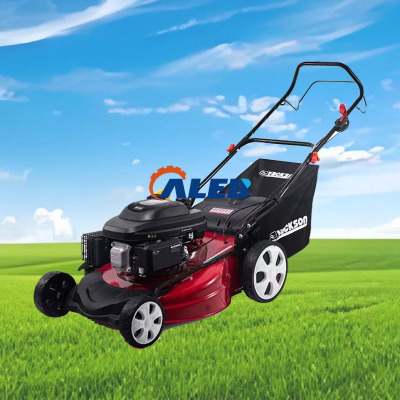


Automatic Lawn Mower Remote Control Lawn Mower Self-Propelled Lawn Mower
$2433.00 - $3700.00
MOQ: 1 Sets


Automatic Lawn Mowers Cordless Self Propelled Lawn Mower Lawn Mower for Garden Use
$2115.00 - $3715.00
MOQ: 1 Sets


Self-Propelled Crawler Lawn Mower 225cc Gasoline Automatic Remote Control Lawn Mower
$800.00 - $1300.00
MOQ: 2 Pieces


4stroke 21inch Blade Self Propelled Gasoline Petrol Remote Control Lawn Mower
$132.50 - $138.50
MOQ: 20 Pieces

Customizable Garden 510mm Lawn Mower 173cc Self-Propelled Gasoline Lawnmower
$119.00 - $125.00
MOQ: 20 Boxes


Gasoline Lawn Mower 21inch Self Propelled High Quality 5.5HP Lawnmower
$139.00 - $159.00
MOQ: 50 Pieces

Comprehensive Sourcing Guide
Self Propelled 420cc Lawn Mower Sourcing Guide
Procuring a self-propelled unit with a 420cc engine requires careful alignment with specific operational demands, as the supplied data indicates a diverse range of available models. While the core keyword suggests a specific displacement, the observed listings reveal variations in engine types, including 196cc and 250cc equivalents, alongside distinct power sources like petrol and gas. Buyers must verify that the actual engine displacement matches the 420cc requirement, as some units listed feature smaller engines or different stroke configurations such as 2-stroke or 4-stroke systems.
The market signals show that these machines are designed for extensive areas, with applicable ranges spanning from 500 square meters up to 5000 square meters. This variance suggests that a single "420cc" label may cover different tiers of performance, from residential use on common lawns to professional applications on golf courses or forest lawns. Sourcing teams should prioritize models explicitly stating the required cubic capacity to ensure the machine can handle the intended ground type and mowing requirements without underperformance.
Product Scope and Observed Listing Signals
The observed product scope includes professional mowers with features like telescopic handles, single-cylinder engines, and integrated grass boxes. Listings indicate that cutting decks can vary significantly, with some units offering a 25-inch width while others specify working widths between 90cm and 120cm. Buyers must cross-reference the physical dimensions of the cutting deck against their specific terrain constraints, as the self-propelled speed also fluctuates between 3.0 and 4.2 mph depending on the engine RPM and transmission setup.
Commercial signals reveal that customization is available, allowing buyers to tailor features like handle folding or chassis materials to their operational needs. The data shows a mix of cutter kinds, ranging from straight metal blades to swing straight metal blades, which impacts the finish quality on different grass types. Procurement teams should verify if the specific model supports the required mowing requirements, such as truncated type grass or rough terrain, to ensure the selected unit fits the intended application environment.
Technical Specifications to Verify
Engine configuration is a primary verification point, as the data lists both 4-stroke and 2-stroke options with varying fuel mixture ratios. While some units specify a 25:1 gasoline-to-oil ratio typical of 2-stroke engines, others utilize 4-stroke systems that do not require pre-mixing. Buyers must confirm the exact engine type and fuel system compatibility to avoid operational errors, ensuring the machine aligns with the 420cc displacement expectation or identifying if a different displacement is being offered under a similar product category.
Cutting performance metrics require detailed scrutiny, particularly regarding cutting heights and deck width. The observed range spans from 1 inch to 4.5 inches, with specific models offering adjustable heights to accommodate different turf conditions. Additionally, the self-propelled mechanism operates at specific speeds, and the ground speed is tied to engine RPM. Procurement specialists should validate that the running speed and cutting width meet the efficiency targets for the specific area size, whether it is a 500-square-meter lawn or a 5000-square-meter sports field.
Compliance and Safety Documentation
Certification status is a critical compliance factor, with observed listings displaying CE, GS, EPA, and EMC marks. These certifications indicate adherence to specific safety and environmental standards, though the exact combination varies by model. Buyers must request current certification documents for the specific unit being purchased, as the presence of one mark does not guarantee the others are valid for the specific engine configuration or export destination.
Safety documentation should also cover the electrical and mechanical safety features inherent in the design. The data mentions CDI ignition systems and steel chassis construction, which contribute to operational safety and durability. However, buyers should verify that the safety interlocks and emergency stop mechanisms comply with local regulations for the intended market. Ensuring that the supplier provides a complete safety manual and compliance certificates is essential for liability management and regulatory approval in the destination country.
Cost Drivers and Commercial Terms
Pricing in this category is influenced by engine displacement, cutting deck width, and the inclusion of advanced features like height-adjustable handles or folding mechanisms. The observed price range is broad, extending from $1 to $10,000, reflecting the difference between basic models and high-end professional units with Kawasaki or Honda engines. Buyers should analyze the cost per square meter of coverage to determine the true value, rather than relying solely on the unit price, as larger decks and more powerful engines significantly impact the total investment.
Commercial terms such as MOQ and lead time are flexible, with some listings showing an MOQ of 1 and a delivery time of just 3 days. However, these figures may vary based on customization requests or specific packaging requirements like wood cartons versus standard cartons. Procurement teams must clarify the total landed cost, including packaging and shipping, as the packing dimensions and weight can affect freight charges. Understanding the flexibility of the delivery schedule is crucial for maintaining inventory levels and meeting project deadlines.
Supplier Qualification and Quality Control
Supplier reliability is often evidenced by their quality control processes, with many listings highlighting 100% inspection protocols. This rigorous approach ensures that every unit meets the "Excellent" quality standard before leaving the factory. Buyers should request detailed quality control reports and inspection certificates to verify that the supplier consistently maintains these high standards across all production batches, reducing the risk of receiving defective units.
The origin of the products is consistently listed as China, which is a major manufacturing hub for this equipment. While this offers competitive pricing, buyers must assess the supplier's track record for consistency and after-sales support. Verifying the supplier's ability to provide spare parts and technical support is essential, especially for professional mowers used in demanding environments like golf courses or farmland. A qualified supplier will demonstrate a commitment to long-term partnership through reliable logistics and responsive customer service.
Long-Term Procurement Checks
Sustainability and maintenance requirements are key considerations for long-term procurement success. The fuel mixture ratios and engine types dictate the maintenance schedule and operational costs over the life of the machine. Buyers should evaluate the availability of replacement parts, such as blades and filters, to ensure minimal downtime during peak mowing seasons. A robust supply chain for consumables is vital for maintaining the efficiency of the self-propelled mower fleet.
Future-proofing the procurement strategy involves monitoring technological advancements and regulatory changes in the lawn care industry. As environmental standards evolve, the availability of EPA-compliant engines may become more critical for certain markets. Buyers should establish a review process to assess whether current models will remain compliant and efficient in the coming years. This proactive approach ensures that the investment remains viable and that the equipment continues to meet the evolving needs of the organization.
FAQs
What certifications are available for self propelled lawn mowers?
Self propelled lawn mowers typically carry CE, GS, EPA, and EMC certifications to ensure safety and environmental compliance. These standards verify that the equipment meets rigorous manufacturing and operational requirements for international markets. Buyers should verify specific certification documents with suppliers to confirm regulatory adherence for their target regions.
Can I customize the self propelled lawn mower specifications?
Yes, customization is available for many self propelled lawn mower models to meet specific operational needs. Buyers can often request adjustments to engine types, cutting deck widths, or handle configurations. This flexibility allows for tailored solutions for different terrain types and professional landscaping requirements.
What is the typical MOQ for self propelled lawn mowers?
The minimum order quantity for self propelled lawn mowers generally starts at one unit, allowing for flexible purchasing. Some suppliers may offer lower MOQs for standard models, while customized orders might require higher volumes. This low entry point supports both individual buyers and small-scale commercial operations effectively.
How fast does the self propelled mower move?
Self propelled lawn mowers typically operate at ground speeds between 3.0 and 4.2 mph. This range ensures efficient coverage of large areas without excessive fatigue for the operator. The speed is often linked to engine RPM, providing consistent performance across various mowing conditions and terrain types.
What power sources are used in these mowers?
These mowers primarily use petrol or gas engines, including 4-stroke and 2-stroke configurations. Some models feature single-cylinder engines with specific fuel mixture ratios like 25:1. This power source provides the necessary torque for self-propelled movement and effective cutting performance in professional and residential settings.
What is the delivery time for self propelled lawn mowers?
Delivery times for self propelled lawn mowers can be as short as three days for standard orders. This rapid turnaround supports urgent procurement needs for landscaping businesses. Buyers should confirm specific lead times with suppliers, as customized models or bulk orders may require additional processing and shipping time.