Source Sewage Centrifugal Pump for mining, condensate, and circulating uses
Find 30 verified Sewage Centrifugal Pump options with varying head, pressure, and capacity specifications. Compare models like KZ-L(XWZ) and wz-pump series for industrial applications including mining and condensate handling.
Key considerations
Products List


Centrifugal Pump for Reliable Turbine Sewage Applications Self-Priming Pump
$2000.00 - $4500.00
MOQ: 1 Pieces


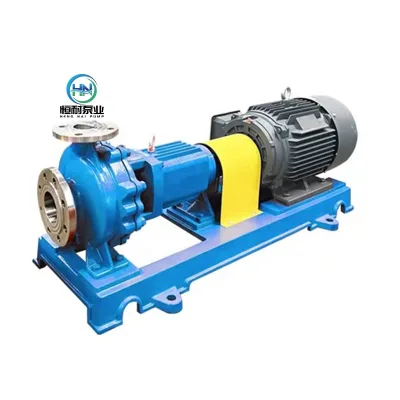


$50.00 - $1000.00
MOQ: 10 units


Comprehensive Sourcing Guide
Strategic Sourcing Guide for Sewage Centrifugal Pumps
Selecting the right Sewage Centrifugal Pump requires a rigorous evaluation of technical parameters, operational environments, and supplier capabilities. The market offers a diverse array of configurations, ranging from single-stage horizontal units to complex multistage vertical systems. Buyers must navigate a landscape where specifications vary significantly based on the intended application, such as mining, condensate handling, or general circulation. This guide provides a structured approach to sourcing, grounded in observable product attributes and industry standards, ensuring that procurement decisions are based on verified data rather than unconfirmed marketing claims.
Technical Specifications and Configuration Analysis
The foundational step in sourcing sewage centrifugal pumps is defining the precise technical requirements. The product landscape reveals distinct variations in driving mechanisms, shaft positioning, and casing designs. A critical observation in the current market is the availability of both motor-driven and magnetic drive systems. While motor-driven pumps are standard for general applications, magnetic drive configurations offer a seal-less solution, which is often preferred for handling hazardous or sensitive fluids where leakage is unacceptable.
The orientation of the pump shaft is another decisive factor. The market features both horizontal and vertical pump configurations. Horizontal pumps often utilize a horizontal split casing design, which facilitates easier maintenance and inspection of internal components. In contrast, vertical pumps typically employ a vertical joint surface casing, which is advantageous for applications with limited floor space or where the pump is installed in a sump. The impeller design further differentiates these units; single-suction impellers are common for standard flow rates, while multistage configurations are available for applications requiring high head pressures.
Head and pressure capabilities vary widely across the product spectrum. High-performance units are observed with maximum heads exceeding 150 meters, with some configurations reaching approximately 300 meters. Conversely, low-head applications may require pumps with maximum heads under 10 meters. Working pressure classifications also differ, ranging from low-pressure pumps to those rated for middle and high-pressure environments. Capacity is equally variable, with observed ranges extending from less than 50 liters per minute to capacities exceeding 400 liters per minute. Temperature tolerance is a critical specification, with certain models rated for a broad operating range from -80°C to +450°C, indicating suitability for extreme thermal conditions.
Compliance, Standards, and Certification Verification
Ensuring that a Sewage Centrifugal Pump meets international and industry-specific standards is vital for long-term reliability and safety. The supplied data indicates that certain models adhere to rigorous engineering standards such as API610 and Vdma24297. API610, in particular, is a widely recognized standard for centrifugal pumps used in the petroleum, chemical, and gas industry, defining requirements for design, materials, and testing. Buyers should explicitly verify if a supplier's product claims compliance with this standard, as it ensures a high level of mechanical integrity.
In addition to specific pump standards, general quality management and environmental certifications are often relevant. While specific certification statuses like ISO 9001 or ISO 14001 are noted in background knowledge, buyers must request current, valid certificates from the supplier rather than assuming their presence. Similarly, performance testing standards such as ISO 9906 should be referenced when evaluating hydraulic performance. It is crucial to distinguish between a supplier's general company certifications and the specific product compliance. For instance, a pump model might be marketed with a "customized" standard, which requires the buyer to define the exact technical criteria that the customized standard must meet to ensure it aligns with the project's safety and performance needs.
Cost Drivers and Pricing Structure
The pricing of sewage centrifugal pumps is influenced by a complex interplay of factors, including material composition, customization levels, and power requirements. The observed price range in the market spans from $1 to $100,000, reflecting the vast difference between small, standard units and large, custom-engineered systems. A primary cost driver is the material selection. While some pumps are constructed from standard materials, others offer customizable material options to resist corrosion or handle abrasive slurries, which can significantly increase the unit cost.
Power requirements also play a substantial role in pricing. Pumps are available with various power sources, including electric motors rated at 220V, 380V, or 440V, as well as diesel engine-driven units. The horsepower rating, ranging from 15HP to 28HP in observed models, directly impacts the motor cost and overall system price. Furthermore, the level of customization is a major variable. Models offering OEM services, customizable flow rates, and tailored sizes will command a premium compared to off-the-shelf inventory. Buyers should also consider packaging costs; while some units are shipped in standard plywood boxes, others may require specialized wooden crates or sea freight packaging, adding to the total landed cost.
Typical Applications and Operational Environments
Sewage centrifugal pumps are deployed across a wide spectrum of industries, each with unique operational demands. The data highlights specific applications such as the mining industry, where pumps must handle abrasive slurries and operate under harsh conditions. In these environments, the durability of the impeller and casing is paramount. Other observed usage categories include condensate pumps, circulating pumps, and general slurry handling. These applications often require pumps with specific pressure ratings and flow capacities.
The versatility of these pumps is evident in their ability to serve as both single-stage and multistage units. Multistage pumps are particularly suited for applications requiring high head, such as boiler feed systems or high-rise water supply, while single-stage pumps are ideal for general sewage transfer and drainage. The temperature range of -80°C to +450°C suggests that these pumps can be adapted for cryogenic applications or high-temperature industrial processes, expanding their utility beyond traditional sewage handling. Buyers must match the pump's specific attributes, such as the position of the pump shaft and the type of impeller, to the physical constraints and fluid dynamics of their specific site.
Supplier Evaluation and Origin Considerations
When evaluating potential suppliers, the geographic origin of the product is a significant data point. The supplied information identifies manufacturers located in Jiangsu, China, and Weifang, Shandong, China. These regions are known for their industrial manufacturing capabilities, but buyers should verify the specific factory's capacity and track record. The presence of multiple product models, such as the KZ-L(XWZ) series and various "wz-pump" models, indicates a diverse product line from these origins.
Supplier evaluation should extend beyond location to include their ability to provide customization. The market data confirms that customization is available for driving type, flow, power, size, and material. A capable supplier should be able to tailor these attributes to the buyer's specific project requirements. Additionally, the availability of OEM services suggests that suppliers are willing to brand products or modify designs for specific clients. Buyers should assess the supplier's responsiveness to these customization requests and their ability to maintain quality control throughout the manufacturing process. The "High Productivity/Long Service Life" selling points observed in the market should be substantiated with case studies or performance data from the supplier.
Quality Control and Long-Term Procurement
Ensuring the quality of sewage centrifugal pumps requires a robust quality control (QC) framework. Buyers should implement a verification process that includes checking the product model against the specified standards, such as API610 or Vdma24297. The packaging method, whether plywood box, wooden crate, or sea freight packaging, should be inspected to ensure it protects the pump during transit, especially for heavy or sensitive components.
Long-term procurement considerations involve the availability of spare parts and the supplier's after-sales support. Given the wide range of power sources and customization options, ensuring that replacement parts are readily available is crucial for minimizing downtime. The observed MOQ (Minimum Order Quantity) ranges from 1 to 200 units, offering flexibility for both small projects and large-scale deployments. Buyers should negotiate lead times and delivery terms based on the complexity of the customization. For highly customized units, lead times may be longer, and the supplier should provide a clear timeline for production and testing.
| Feature Category | Observed Range/Options | Procurement Verification Point |
|---|---|---|
| Driving Type | Motor, Magnetic | Verify seal requirements and maintenance needs. |
| Shaft Position | Horizontal, Vertical | Confirm installation space and foundation requirements. |
| Casing Design | Horizontal Split, Vertical Joint | Assess maintenance accessibility and pressure rating. |
| Impeller Type | Single Suction, Multistage | Match head requirements and flow characteristics. |
| Pressure Class | Low, Middle, High | Ensure compatibility with system pressure limits. |
| Temperature | -80°C to +450°C | Validate material suitability for fluid temperature. |
| Origin | Jiangsu, Shandong (China) | Verify factory audits and supply chain stability. |
| Packaging | Plywood, Wooden, Sea | Confirm protection standards for logistics. |
In conclusion, sourcing sewage centrifugal pumps demands a meticulous approach that balances technical specifications with commercial realities. By focusing on verified attributes such as driving type, shaft position, and adherence to standards like API610, buyers can mitigate risks and secure equipment that meets their operational needs. The diversity of the market, from low-head single-stage pumps to high-pressure multistage units, offers ample opportunity for tailored solutions. However, the responsibility lies with the buyer to rigorously evaluate each supplier's capabilities, ensuring that the final selection aligns with the project's technical, financial, and long-term operational goals.
FAQs
What driving types are available for sewage centrifugal pumps?
Both motor-driven and magnetic drive systems are available for sewage centrifugal pumps. Motor-driven units are standard for general applications, while magnetic drives offer seal-less solutions for hazardous fluids where leakage is unacceptable.
Which pump shaft positions are commonly offered in the market?
The market offers both horizontal and vertical pump shaft positions. Horizontal pumps typically use split casings for easier maintenance, whereas vertical pumps utilize joint surface casings to save floor space or fit into sumps.
Can these pumps handle extreme temperature conditions?
Yes, certain models are rated for a broad operating temperature range from -80°C to +450°C. This capability allows them to be adapted for cryogenic applications or high-temperature industrial processes beyond standard sewage handling.
What is the maximum head capacity observed for these pumps?
High-performance units are observed with maximum heads exceeding 150 meters, with some configurations reaching approximately 300 meters. Conversely, low-head applications may require pumps with maximum heads under 10 meters.
How is customization handled for pump specifications and materials?
Customization is available for driving type, flow, power, size, and material. Buyers can request tailored solutions to resist corrosion or handle abrasive slurries, though these customizations may command a premium compared to off-the-shelf inventory.
Which international standards do some pump models adhere to?
Certain models adhere to rigorous engineering standards such as API610 and Vdma24297. Buyers should explicitly verify if a supplier's product claims compliance with these standards to ensure high mechanical integrity and safety.