Source sew-on eco-friendly rhinestone cup chain for DIY, Decoration, and Gifts
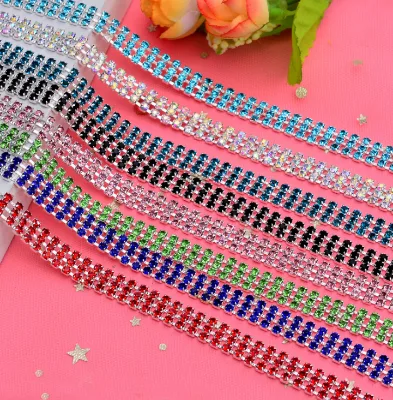
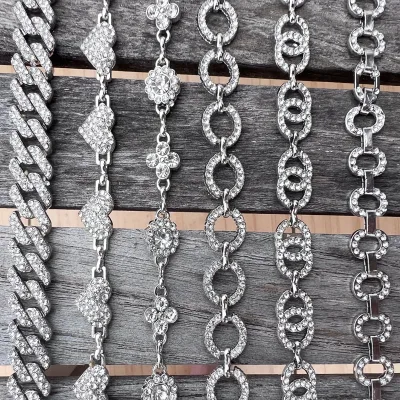
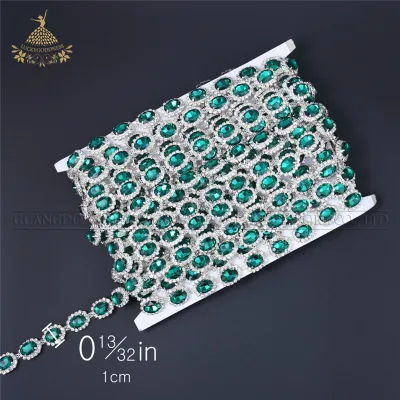
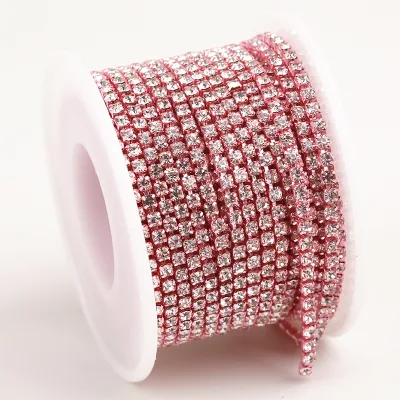
Find and compare 30 listings for sew-on eco-friendly rhinestone cup chain. Options include crystal and glass materials with metal or plastic backing, available in multi-colors and various sizes for decoration, DIY activities, and promotional gifts.
Key considerations
Products List




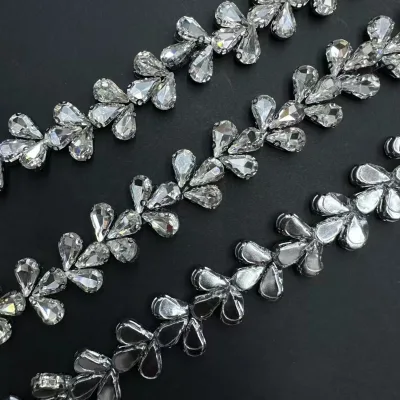


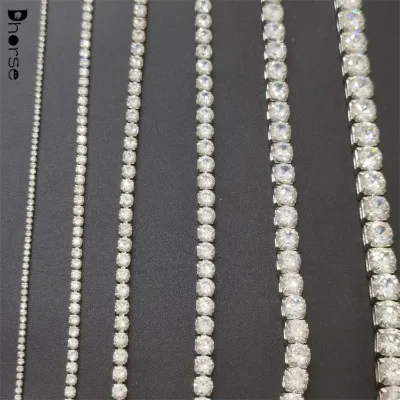
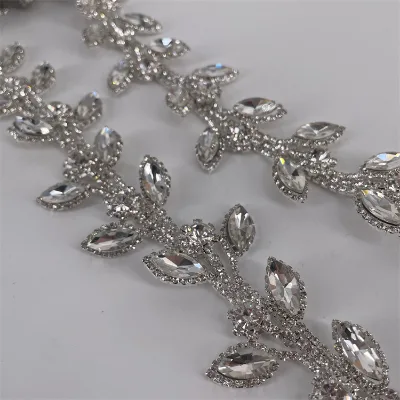
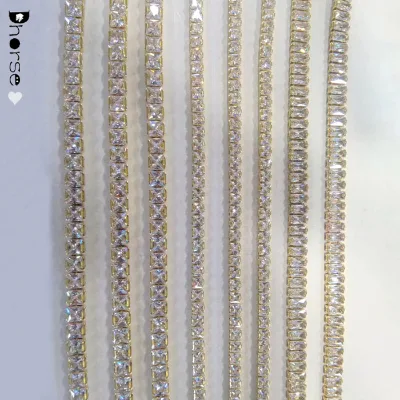
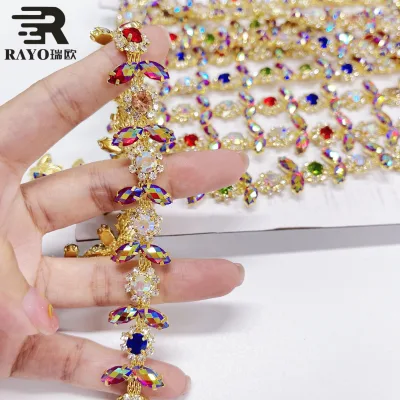
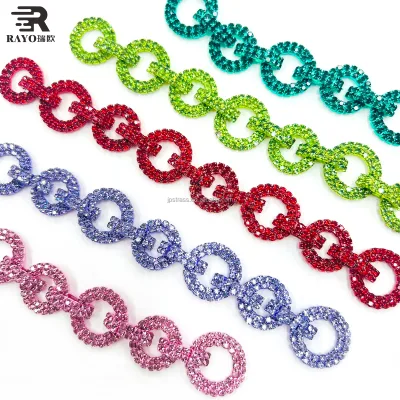
Comprehensive Sourcing Guide
Sew-On Eco-Friendly Rhinestone Cup Chain Sourcing Guide
Sourcing sew-on eco-friendly rhinestone cup chains requires a nuanced understanding of both the decorative mechanics and the material composition that define these trimmings. These chains are primarily utilized in fashion and DIY decoration projects, where their aesthetic appeal and ease of application are paramount. The core product category encompasses various iterations, including 8mm and 3mm rhinestone cup chains, which serve as essential components for embellishing garments, accessories, and promotional items. Buyers must distinguish between the different backing types, such as metal or plastic, as this directly influences the sewing technique and the final durability of the application.
The market offers a wide array of customization options, allowing buyers to tailor the product to specific design requirements. From the shape of the rhinestones, which are typically round, to the plating color of the backing, including silver, gold, light gold, gunmetal, and nickel, the visual flexibility is extensive. Furthermore, the availability of multi-colored options and customized sizes ranging from SS6 to SS30 ensures that procurement teams can match precise brand guidelines. Understanding these variables is critical for ensuring that the final product aligns with the intended use, whether it is for high-end fashion, casual wear, or promotional gifts.
Product Scope and Observed Listing Signals
The observed product listings reveal a diverse range of specifications that buyers must carefully evaluate to ensure alignment with their needs. The primary materials identified include crystal, acrylic stone, and glass, each offering distinct optical properties and durability levels. For instance, AAA grade acrylic stones provide a cost-effective alternative to crystal, while glass options may offer different refractive qualities. The backing materials vary significantly, with some products featuring metal backings and others utilizing plastic backings, which can affect the weight, flexibility, and sewing ease of the chain.
Listing signals also highlight the importance of the product model and size specifications in narrowing down supplier options. Models such as HBCN-33 and 01113 indicate specific manufacturing standards or internal codes that suppliers use to track inventory. The size range, from 3mm to 8mm and beyond, allows for versatile application in different design contexts. Additionally, the presence of "eco-friendly" claims in some listings suggests a growing market demand for sustainable materials, although buyers should verify the specific composition and manufacturing processes to ensure these claims are substantiated.
Technical Specifications to Verify
Verifying the technical specifications of sew-on rhinestone cup chains is essential to ensure compatibility with production processes. The sewing technique, often referred to as point-back or pointback, requires precise alignment of the rhinestones to the backing material. Buyers should confirm the exact dimensions of the stones, as variations in size can impact the density and visual effect of the final design. The shape of the rhinestones, typically round, should also be verified to ensure consistency across batches, as irregularities can affect the overall aesthetic quality.
The plating color of the backing is another critical specification that must be confirmed. Options such as silver, gold, light gold, gunmetal, and nickel not only affect the visual appearance but also the compatibility with different fabric types and dyeing processes. Additionally, the weight of the chain, which can be as light as 1 gram per unit, is an important factor for applications where weight sensitivity is a concern. Buyers should also inquire about the packing method, as chains are typically supplied in rolls, which can influence storage and handling logistics.
Compliance and Safety Documentation
Compliance and safety documentation are crucial for ensuring that the sourced rhinestone cup chains meet regulatory requirements in target markets. While specific certifications are not explicitly listed in the observed data, buyers should request documentation related to material safety, particularly for products intended for children's clothing or items with direct skin contact. The use of eco-friendly materials, as claimed in some listings, should be supported by relevant certifications or test reports that verify the absence of harmful substances such as lead, cadmium, or other heavy metals.
Buyers must also verify the compliance of the backing materials, especially if they are made from metal or plastic. Metal backings, such as those made from zinc alloy, should be checked for corrosion resistance and plating durability to prevent discoloration or degradation over time. Plastic backings should be evaluated for flexibility and strength to ensure they can withstand the sewing process without breaking. Additionally, buyers should inquire about the manufacturing standards followed by the supplier, as adherence to recognized quality management systems can indicate a higher level of product consistency and reliability.
Cost Drivers and Commercial Terms
Cost drivers for sew-on rhinestone cup chains include the material composition, customization level, and order quantity. The type of rhinestone used, whether crystal, acrylic, or glass, significantly impacts the price, with crystal typically being the most expensive. Customization options, such as specific plating colors or non-standard sizes, can also increase costs due to the additional processing required. Buyers should negotiate based on the volume of their orders, as larger quantities often result in lower unit prices, although minimum order quantities (MOQs) may vary among suppliers.
Commercial terms, including payment methods, lead times, and shipping arrangements, are also important factors to consider. Suppliers may offer free samples, which can be valuable for evaluating product quality before committing to a large order. However, buyers should clarify the terms for sample requests, including any associated costs or shipping fees. Additionally, lead times can vary depending on the complexity of the order and the supplier's production capacity, so it is essential to establish clear timelines and communication channels to avoid delays in production.
Supplier Qualification and Quality Control
Supplier qualification is a critical step in the sourcing process, as it ensures that the chosen partner can meet the buyer's quality and delivery expectations. Buyers should assess the supplier's production capabilities, including their equipment, workforce, and quality control processes. Suppliers located in regions known for manufacturing expertise, such as Zhejiang in China, may offer advantages in terms of supply chain efficiency and cost competitiveness. However, buyers should also consider the supplier's reputation, customer reviews, and track record in delivering consistent quality.
Quality control measures should be clearly defined and agreed upon before placing orders. This includes establishing acceptance criteria for product defects, such as loose stones, uneven plating, or incorrect sizes. Buyers may also request third-party inspection reports or conduct their own quality audits to verify that the products meet the specified standards. Additionally, suppliers should be willing to provide detailed information about their raw material sources and manufacturing processes to ensure transparency and accountability.
Long-Term Procurement Checks
Long-term procurement checks are essential for maintaining a stable and reliable supply chain for sew-on rhinestone cup chains. Buyers should regularly review supplier performance metrics, including on-time delivery rates, product quality consistency, and responsiveness to issues. Establishing a continuous improvement process can help identify areas for optimization and foster a collaborative relationship with the supplier. Regular communication and feedback loops can also help address any emerging challenges or changes in market conditions.
Additionally, buyers should stay informed about industry trends and technological advancements that may impact the sourcing strategy. This includes monitoring changes in material availability, regulatory requirements, and consumer preferences for sustainable products. By proactively adapting to these changes, buyers can ensure that their sourcing strategy remains competitive and aligned with their business objectives. Regularly updating supplier qualification criteria and quality control protocols can also help mitigate risks and ensure long-term success in the procurement of rhinestone cup chains.
FAQs
What materials are used for the rhinestone cup chain?
The product uses metal backing with rhinestones or plastic backing with rhinestones. Some listings specify AAA Grade Acrylic Stone, while others indicate glass materials. The backing plating colors include silver, gold, light gold, gun, and nickel options.
Can I customize the size and color of the chain?
Yes, customization is available for both size and color. Sizes range from Ss6 to Ss30 or can be customized to specific requirements. Customers can choose from multi-color options or request specific customized colors for their projects.
What is the minimum order quantity for this product?
The minimum order quantity varies by supplier but can be as low as 1 unit or as high as 1000 units. One specific listing indicates a minimum order of 300 meters. Buyers should check individual supplier requirements for exact MOQ values.
How is the rhinestone cup chain packaged for shipping?
The product is typically packed in rolls for efficient shipping and handling. This packaging method helps protect the chain structure during transit. Buyers should confirm specific packing details with the supplier to ensure suitability for their logistics needs.
Is the product suitable for DIY activities and decoration?
Yes, the product is explicitly designed for DIY activities and decoration purposes. It features a point-back sewing technique suitable for attaching to various surfaces. The fashion style and multi-color options make it ideal for creative projects.
Where is the product manufactured and what is the origin?
The product originates from Zhejiang, China. This location is a known hub for manufacturing these types of decorative chains. Buyers can expect the goods to be sourced directly from this region when placing orders.
Are samples available for testing before bulk ordering?
Free samples are available for customers to test the product quality before committing to a bulk order. This allows buyers to verify the material, size, and color accuracy. Contact the supplier to arrange sample requests and shipping details.
What customization services like OEM or ODM are offered?
OEM and ODM services are welcome and available for this product. Suppliers can accommodate custom designs and branding requirements. Buyers can discuss specific customization needs directly with the manufacturer to ensure the final product meets their specifications.